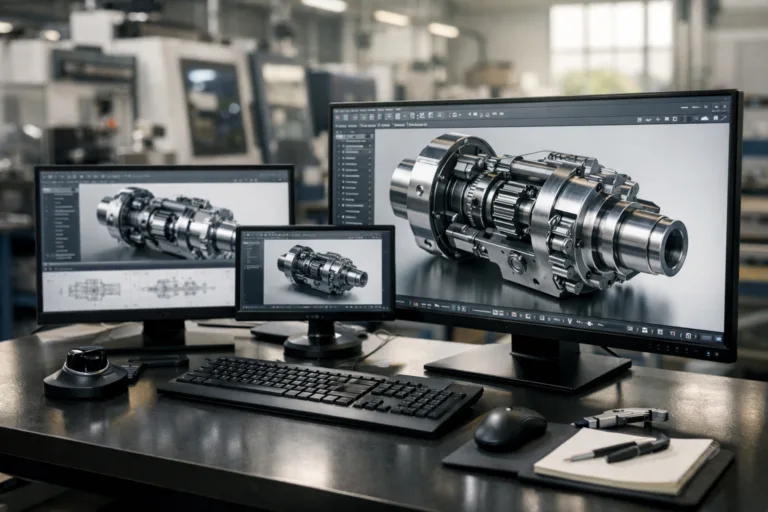
Introduction: The Shift Toward 3D Design in Manufacturing
The manufacturing industry is in the midst of a digital revolution, and nowhere is this more evident than in the adoption of 3D design. Integrating 3D design into the manufacturing workflow, particularly for metal products, is quickly becoming the new industry standard. With Computer-Aided Design (CAD) tools and digital manufacturing technologies, companies can now collaborate more effectively, prototype faster, and improve product accuracy—all while reducing time-to-market and costs. For teams focused on precision and innovation, understanding how 3D design fits into the manufacturing process is essential.
Understanding 3D Design and Its Role in Manufacturing
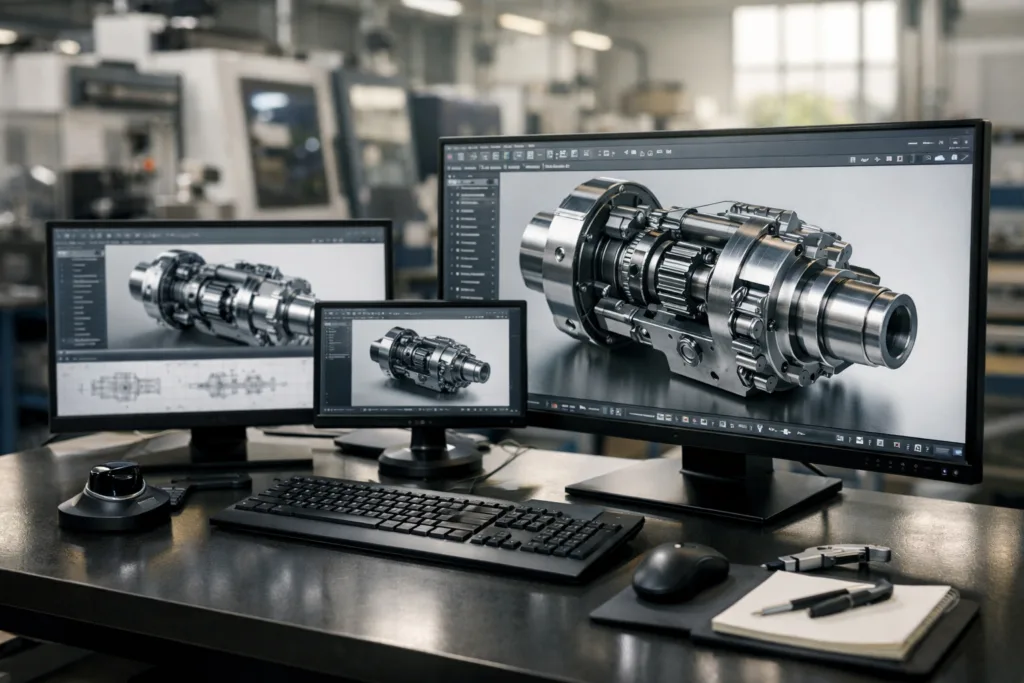
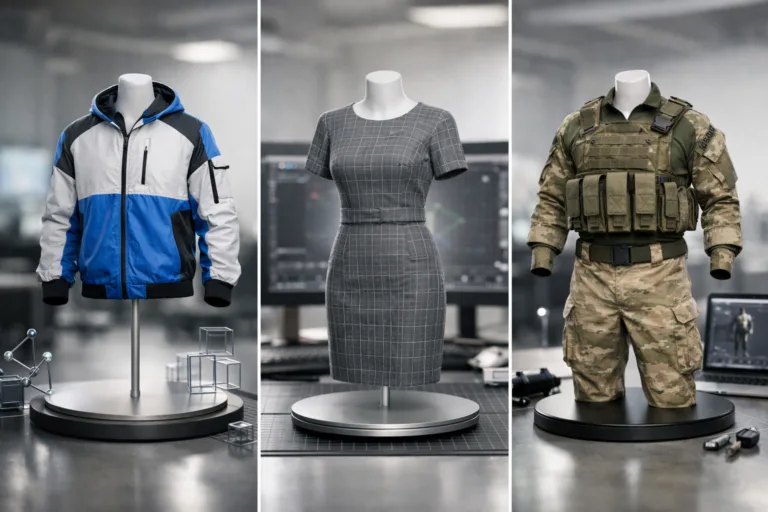
3D design refers to the digital creation of objects in three dimensions using specialized software. In manufacturing, this process is a game-changer because it bridges the gap between the conceptual stage and physical production. Modern CAD tools provide highly detailed digital models that serve as the blueprint for manufacturing operations, ensuring everyone from design engineers to machinists works from the same page. The seamless integration of these tools is at the heart of digital transformation.
How 3D Design Software Powers Metal Product Workflows
When working with metal products, precision is crucial. 3D design software enables teams to produce accurate digital prototypes that anticipate manufacturing challenges before a single piece of metal is cut. Features like parametric modeling, real-time simulation, and error checking make it possible to tweak designs rapidly. This level of detail reduces costly mistakes and speeds up the overall workflow.
CAD Integration: The Bridge Between Design and Production
Computer-Aided Design (CAD) systems are the common language in modern manufacturing. Integrating CAD means that the manufacturing team receives clean, error-free digital files that can be sent directly to CNC machines, laser cutters, or 3D printers—automating many pre-production steps. This direct link cuts down manual errors, boosts repeatability, and aligns with advanced manufacturing trends such as Industry 4.0.
Key Benefits of Integrating 3D Design into the Manufacturing Workflow
- Enhanced Collaboration: Design, engineering, and production teams can review and edit the same model simultaneously.
- Faster Prototyping: Digital prototypes allow for rapid iterations, reducing the need for multiple physical samples.
- Cost Control: Mistakes are caught early in the process, preventing expensive revisions.
- Customization at Scale: Parametric tools enable easy adjustments for mass customization of metal products.
- Higher Quality: Detailed 3D models translate into precise, high-quality finished products.
The Digital Manufacturing Ecosystem: Technologies and Trends
Digital manufacturing includes a network of technologies: from CAD/CAM software and additive manufacturing (3D printing) to digital twins and automated inspection systems. These tools are interconnected, enabling data to flow from initial design through to final quality checks. The rise of digital twins—virtual copies of a product for testing and validation—further supports complex metalworking projects by minimizing physical trial and error.
Prototyping in the 3D Workflow: Improving Speed and Precision
Old-fashioned prototyping involved long lead times and expensive tooling changes. In a 3D-enabled workflow, digital prototypes are created and tested in software well before any metal is shaped. Simulation tools check for stress, fit, and manufacturability, ensuring confidence ahead of production. This approach streamlines reviewing and refining each prototype for rapid deployment.
Case Study: Optimizing Sheet Metal Fabrication with 3D Design Integration
Consider a metal fabrication company specializing in custom brackets. By adopting 3D design and integrating CAD files directly with laser-cutting machines, the company reduces design-to-manufacture time by 40%. Errors that once caused material waste are now flagged during the digital modeling stage. This example mirrors the experience of many modern metalworking facilities where 3D-driven workflows lead to measurable ROI.
CAD Integration Case Study: Team Collaboration from Concept to Production
A manufacturer of architectural metal panels improved internal collaboration by using cloud-based CAD platforms. Designers, engineers, and machinists now work from a single source of truth. Version control and live markup features keep teams aligned, reducing misunderstandings and ensuring the final product matches the original intent.
The Role of Digital Avatars and Virtual Fitting in Metal Prototyping
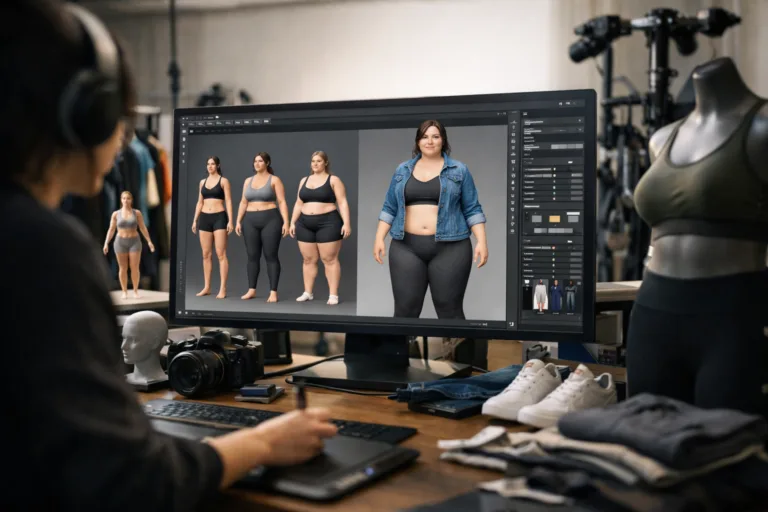
While often discussed in apparel, digital avatars and fit simulation are increasingly relevant for metal products with ergonomic requirements. For example, control panels or hand tools must fit specific human dimensions. By employing customizable digital avatars, manufacturers can evaluate prototypes in a virtual context, minimizing the risk of late-stage fit issues. This concept is explored further in our guide to customizing body shapes for fitting.
Reducing Waste and Cost: Digital Sampling’s Impact
One of the most transformative aspects of integrating 3D design is reducing the need for physical sampling. Virtual samples are shared with stakeholders for approval, cutting down on material waste, sample shipping, and costly delays. To see how digital sampling can reduce waste, explore our article on 3D sampling’s impact on costs.
BOM Accuracy and Its Ties to 3D Design
Accurate Bills of Materials (BOM) are fundamental to cost-effective manufacturing. By linking BOM generation directly with 3D design files, companies avoid discrepancies between planned and produced items. Real-time BOM updates ensure that changes to a digital model immediately carry through to purchasing and production planning, leading to fewer shortages and overages.
3D Design Integration and Costing Control
For metal products, every design tweak can affect final cost. Direct links between 3D models, costing sheets, and BOMs enable dynamic cost calculation. This allows sourcing and finance teams to see the impact of design changes instantly and make informed decisions. Check out how BOM alignment influences profitability in our breakdown on costing secrets with BOM.
Feedback and Iteration: Streamlining the Sampling Lifecycle
Digital models and cloud-based platforms make it easy to give and track feedback on prototypes. Annotations, measurements, and version history help avoid communication errors and repeated mistakes during development. This step is especially useful for metal products with complex geometry or tight tolerances.
Quality Control: Integrating Digital Inspection and Verification
3D design files aren’t just for the start of production—they follow each part through quality control. Modern measurement systems and CMMs (coordinate measuring machines) reference the same model, speeding up inspection and error detection. Advanced factories now use digital checklists and AI-driven image recognition for even greater accuracy.
Digital Manufacturing Tools in Action: 3D Printing and CNC
Once a 3D model is finalized, the file is ready for direct use by CNC machines, 3D printers, or robotic welders. This eliminates manual data re-entry, reduces chances of error, and compresses production timelines. Manufacturers can quickly shift between prototypes and full-scale runs without costly setup time.
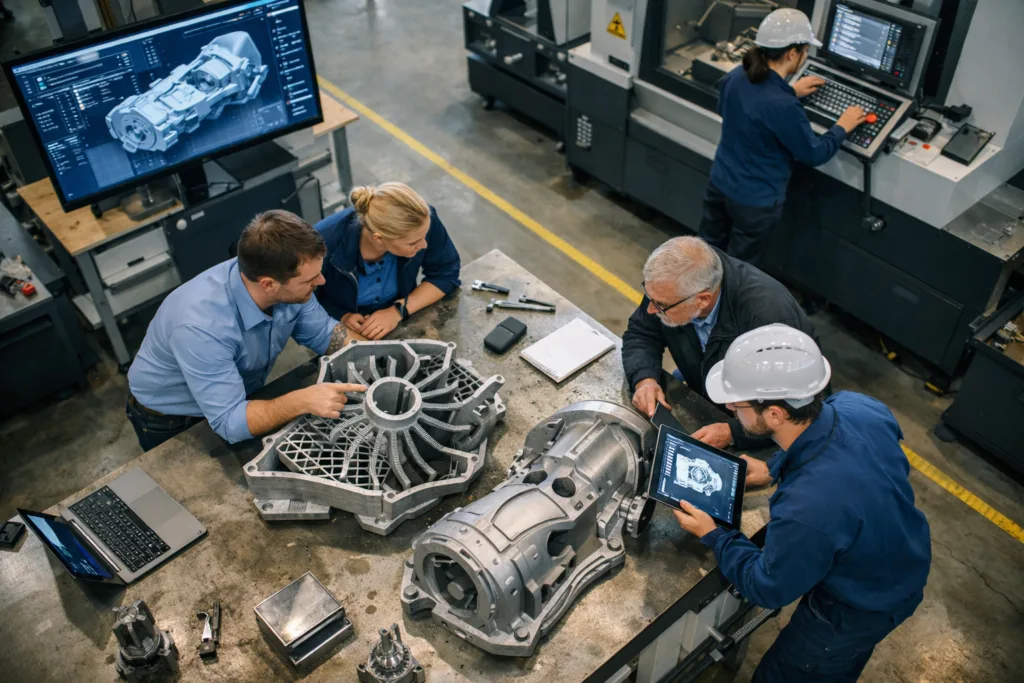
Collaboration Tools for Multi-Disciplinary Teams
3D platforms today support annotations, live feedback, and even AR/VR reviews. This culture of transparency bridges the classic gap between design intent and shop floor reality. Apparel Wiki often emphasizes that clear documentation and shared digital resources are keys to error-free manufacturing, and this holds true for metalworking as well.
Common Pitfalls When Integrating 3D Design
Despite the advantages, integration isn’t always smooth. Common problems include file compatibility issues, insufficient team training, and siloed data systems. Overcoming these requires upfront investment in standardized processes, cross-functional workshops, and robust data management tools.
Ensuring Version Control in Complex Projects
As designs evolve, version control is crucial. Integrated platforms track every model change, who made it, and when. This protects teams from working on outdated files—a critical safeguard for long-lead or highly customized metal products.
How to Choose the Right 3D Design Platform
Compatibility, scalability, and support for collaboration are essential factors. Evaluate platforms based on user experience, integrations (with PLM, BOM, and ERP systems), and ability to handle your industry’s specific materials (such as steel or aluminum alloys). For those in fashion and apparel, choosing the right 3D software offers useful equivalencies for vetting software providers.
Digital Twin Technology for Predictive Manufacturing
Digital twins—virtual replicas of products and equipment—let manufacturers predict failures, optimize processes, and test scenarios without real-world risk. Their use is growing in metal fabrication for tasks like predictive maintenance and rapid troubleshooting.
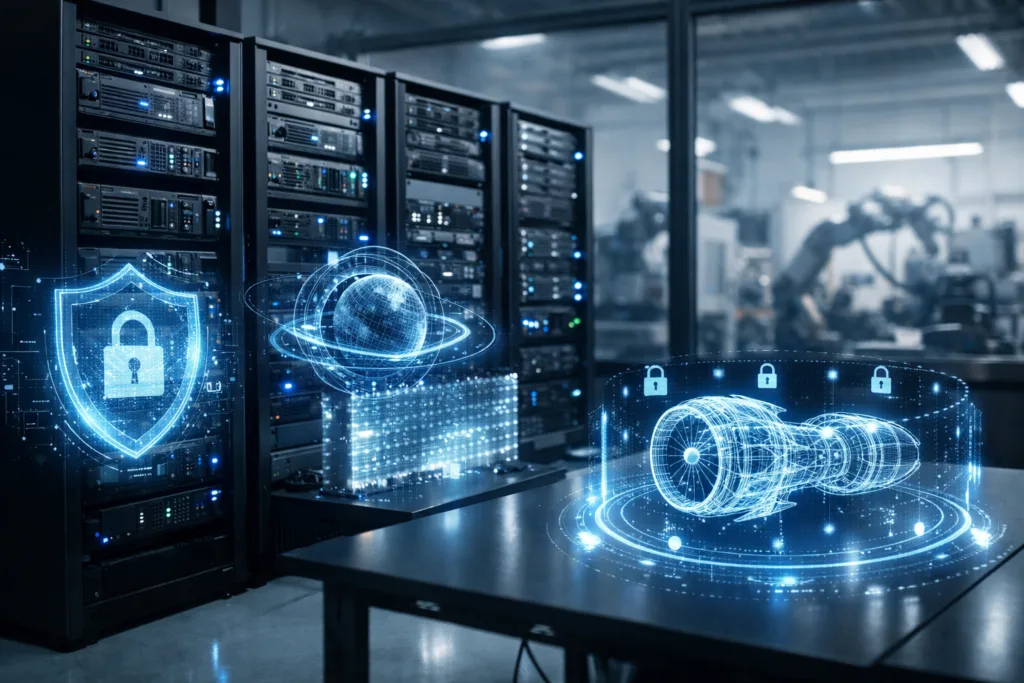
Security and IP Protection in Digital Workflows
Transferring sensitive design data digitally introduces risks. Choose platforms with robust access controls, encryption, and audit trails to keep proprietary metal designs safe from unauthorized use or piracy.
Industry Examples: Real-World Results from 3D Design Integration
Companies across automotive, aerospace, and consumer products report dramatic gains after adopting integrated 3D workflows. For instance, an automotive supplier shortened prototype development time by 35% and reduced production errors by 20% using CAD integration, leading to faster deliveries and higher client satisfaction.
The Future of 3D Design and Digital Manufacturing
As AI, IoT, and augmented reality converge with 3D design, the lines between digital and physical manufacturing continue to blur. Teams who embrace these advances will enjoy more resilient workflows, faster innovation cycles, and sustainable production methods.
Integrating 3D Design into the Manufacturing Workflow
To compete in today’s fast-paced market, manufacturers must embed 3D design across every stage of the workflow—from ideation and prototyping to cost management, feedback, and quality control. The transition requires investment, training, and commitment to collaboration, but the payoffs in accuracy, speed, and efficiency are undeniable.
Conclusion: Key Takeaways for Manufacturers
Integrating 3D design into the manufacturing workflow is more than a technological upgrade—it’s a strategic overhaul that unlocks tangible benefits for metal product makers. From error reduction and cost control to custom-fit solutions and rapid market response, the integration is reshaping the industry’s future. For companies that start early and plan thoughtfully, the rewards are transformative and long-lasting.
Frequently Asked Questions
What is 3D design integration in manufacturing?
It’s the process of embedding digital 3D modeling and CAD tools throughout the manufacturing workflow to improve accuracy, collaboration, and production speed for metal products.
How does CAD integration benefit metal product makers?
CAD integration ensures digital designs translate directly into instructions for machines, reducing errors, improving quality, and speeding up the design-to-production process.
Can 3D design help reduce production costs?
Yes, it catches errors early, minimizes material waste, and speeds up prototyping, all of which lead to lower overall costs and more efficient use of resources.
What challenges might teams face when integrating 3D design?
Common challenges include software compatibility, the need for staff training, and updating legacy systems to support new digital workflows.
What role does prototyping play in the 3D workflow?
Prototyping with 3D design allows companies to simulate and test products digitally before manufacturing, reducing costly physical iterations and setup time.
Are there risks associated with digital manufacturing workflows?
Security of proprietary designs and ensuring proper version control are key risks, but these are manageable with the right platforms and protocols.
Related Reading
- How Digital Avatars Revolutionize Custom Fit and Ergonomics in Prototyping
- Cutting Manufacturing Waste and Costs with 3D Sampling Techniques
- 9 Hidden Ways BOM Alignment Boosts Your Metal Product Profits
- Unlocking the Perfect 3D Design Platform: CLO3D vs. Browzwear
- 7 Actionable Solutions for Design and Fit Issues in Pattern Making