Introduction: The Era of 3D Fashion Design & Investment Value
3D fashion design has emerged as a must-have skill in today’s apparel industry. The learning curve is often steep, leading designers and brands to ask: is 3D fashion design worth the investment? This guide tackles the question by breaking down the ROI, learning hurdles, and practical benefits of mastering digital garment creation. As more brands transition to digital workflows, understanding the investment value of 3D design can shape competitive strategy, sustainability targets, and creative output.
Understanding 3D Fashion Design
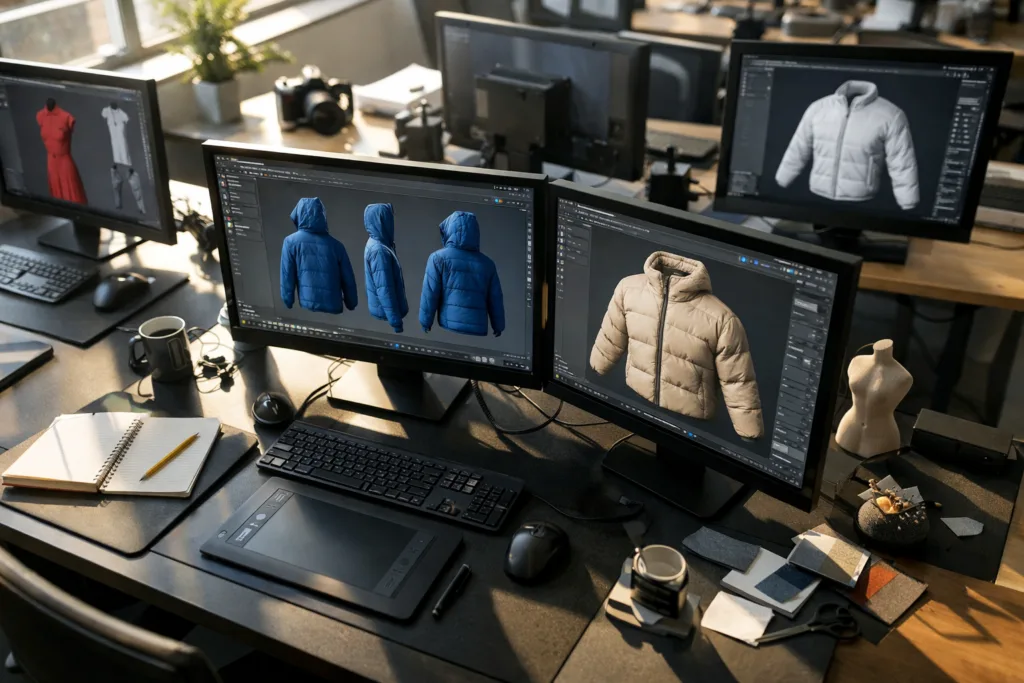
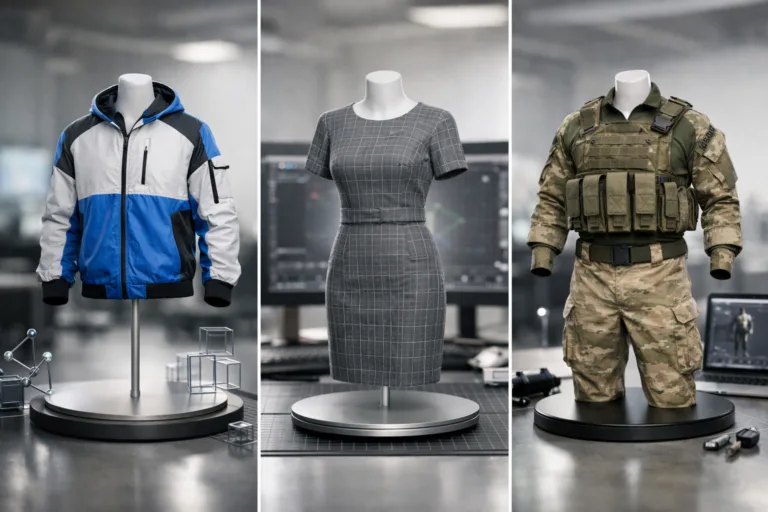
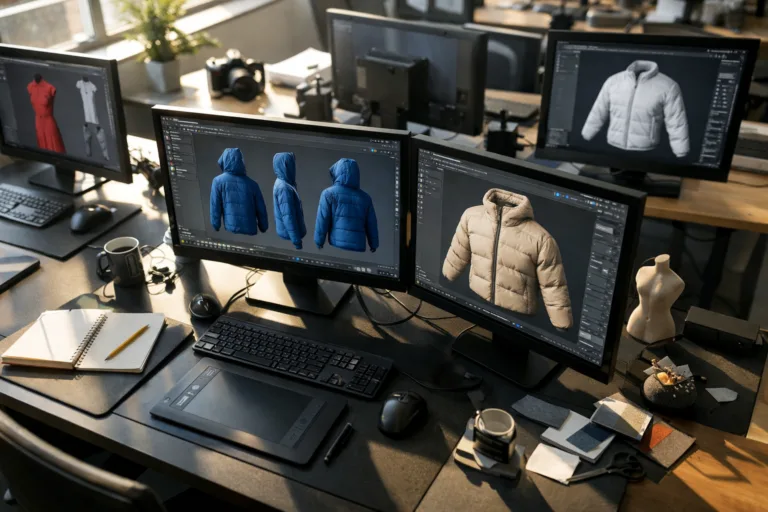
3D fashion design involves creating virtual garments, accessories, and runway-ready looks using specialized software. Unlike traditional methods, designers visualize, modify, and sample garments digitally before any physical prototype is made. The investment value lies not just in software cost, but in the time spent learning and adapting such powerful tools.
What Drives the Learning Curve?
Mastering 3D design requires a shift from traditional flat sketches and hand-drafting to manipulating complex digital patterns in real time. Most software features steep learning curves, challenging even seasoned designers. Key factors to consider include prior digital skills, software complexity, and willingness to adapt.
Top Benefits of 3D Fashion Design
The advantages of 3D fashion design span creativity, efficiency, cost, and sustainability. Designers can test multiple concepts without consuming physical materials, streamlining the process from idea to product. Digital garments are now central to virtual showrooms, as discussed in creating virtual showrooms with digital garments, making remote selling and showcasing easier and faster.
Is 3D Fashion Design Worth the Investment?
This is the fundamental question many brands face. Return on investment depends on how well the software is leveraged to cut sampling costs, reduce waste, improve speed-to-market, and support creative innovation. Evidence suggests the transition pays off: brands adopting digital workflows have reported savings and operational gains, especially as remote collaboration becomes the norm.
How 3D Design Enhances Creativity
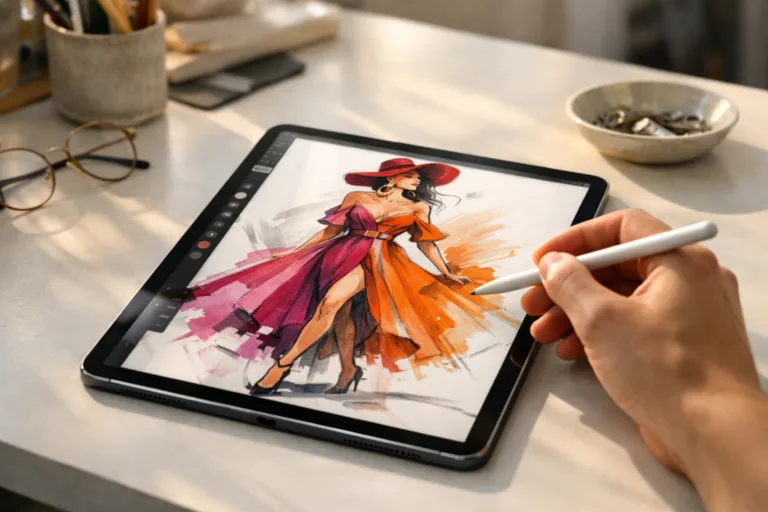
Digital tools free designers from physical constraints, letting them experiment with unusual silhouettes, fabrics, and trims. This fosters creative freedom impossible with flat sketches or paper prototypes. Software like CLO3D and Browzwear give designers realistic visualization, aiding creative pitches and quick iteration. Interested in comparing these platforms? Read about CLO3D vs. Browzwear in 7 Powerful Insights for Choosing the Best 3D Fashion Software.
Boosting Efficiency & Speed
Digitally created garments mean fewer physical sample rounds, faster approvals, and easier changes. 3D sampling has proven to cut waste and cost without compromise, a topic detailed in Power of 3D Sampling: Cut Waste and Cost Without Compromise. By streamlining the approval process, brands can launch collections with agile timing.
Streamlining Production Processes
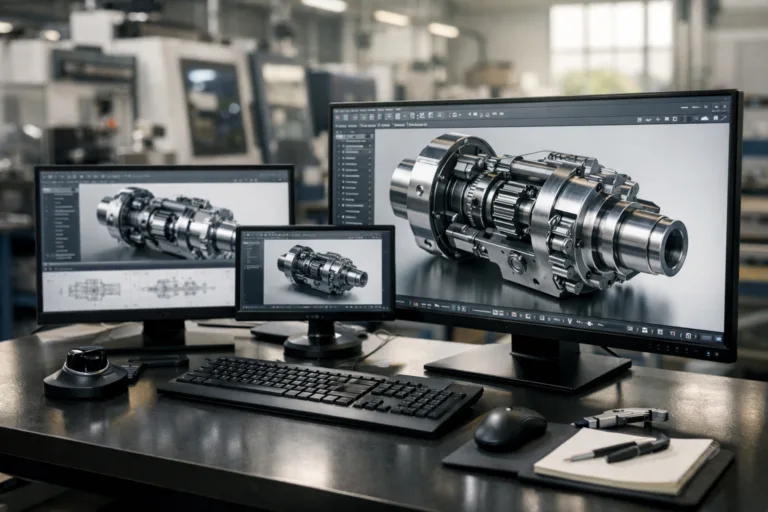
3D design integrates seamlessly with digital patterns, BOM (Bill of Materials), and cost estimation tools. When linked with efficient production methods, the turnaround from design to retail shrinks drastically. Apparel Wiki defines these production concepts as crucial for reducing mistakes and optimizing yield—see their Fabric Converters · Costing & Pricing · Size & Fit · Packaging & Shipping · Production & QC guide for essential manufacturing tools.
Reducing Sampling and Physical Waste
Virtual samples reduce the need for multiple physical mock-ups. This cuts raw material consumption and shrinks the environmental footprint, an increasingly important factor for sustainable brands.
Improving Communication With Factories & Stakeholders
3D garments offer precise visuals and technical data, making instructions clearer for pattern makers, factories, or buyers. This reduces misunderstandings, rework, and costly mistakes in production.
Challenges in the Learning Curve
Mastering 3D design tools isn’t easy. Designers often struggle with unfamiliar interfaces, technical requirements, and the need to bridge traditional skills with digital know-how. Time commitment and motivation are major challenges, especially when deadlines loom.
Training & Skill Development Strategies
Effective learning strategies include targeted online courses, hands-on software trials, and mentorship from more experienced practitioners. Practical project-based learning speeds up mastery and allows for real workflow integration.
Case Study: Brand Success With 3D Integration
Several global brands have successfully adopted 3D processes. For example, Adidas now uses digital prototypes to approve styles faster, while Tommy Hilfiger digitized its entire sample pipeline, leading to a nearly 80% reduction in physical samples and greater creative flexibility.
Cost vs. ROI: Analysis for Designers & Brands
Cost factors include software licenses, hardware upgrades, and training time. ROI comes in saved sampling rounds, lower material wastage, faster collection launch, and improved creative impact. Brands recoup costs by shortening their product development timelines and slashing physical sample expenses.
3D Fashion Software Options & Pricing
Popular platforms include CLO3D, Browzwear, and Marvelous Designer. Each varies in pricing, features, and compatibility. Pricing models often center on annual subscriptions; some offer student discounts or free trials for practice.
Tips for Beginners Starting With 3D Fashion Design
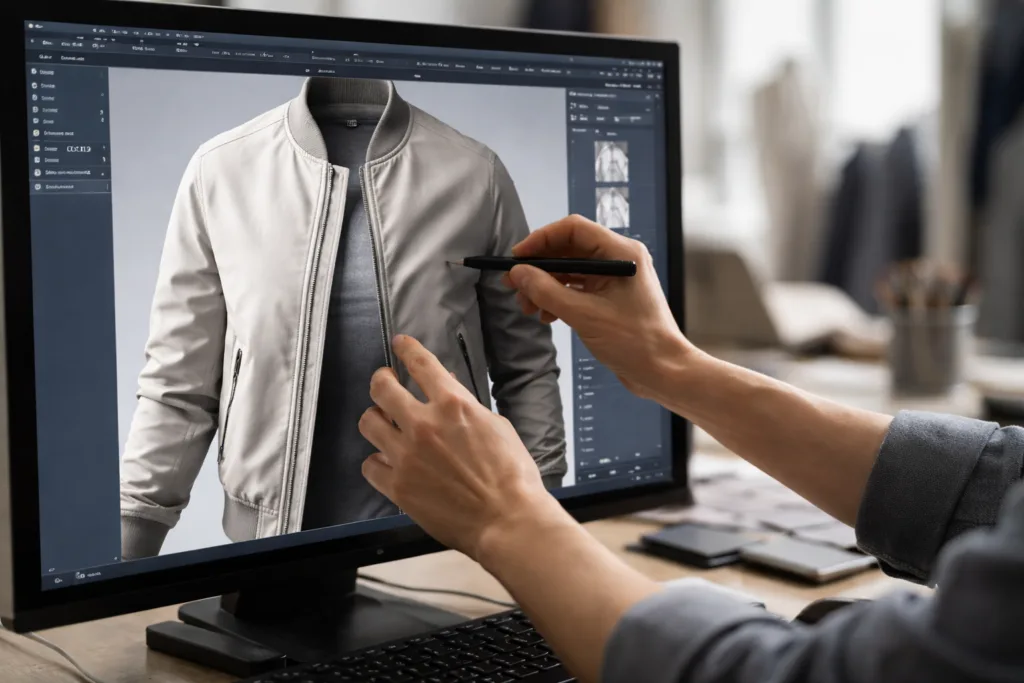
- Begin with the basics: Tackle tutorials that focus on core skills, like digital draping and patternmaking.
- Practice consistently: Experiment with sample projects and build confidence step by step.
- Leverage online communities: Join forums and groups where users share tips and resources.
- Don’t skip manual skills: Understanding garment structure and fit remains crucial, even in a digital environment.
- Integrate with BOM tools: For error-free manufacturing, link digital designs with BOM software (see 7 Must-Have BOM Software Tools for Small Fashion Brands).
Virtual Showrooms & Digital Garment Merchandising
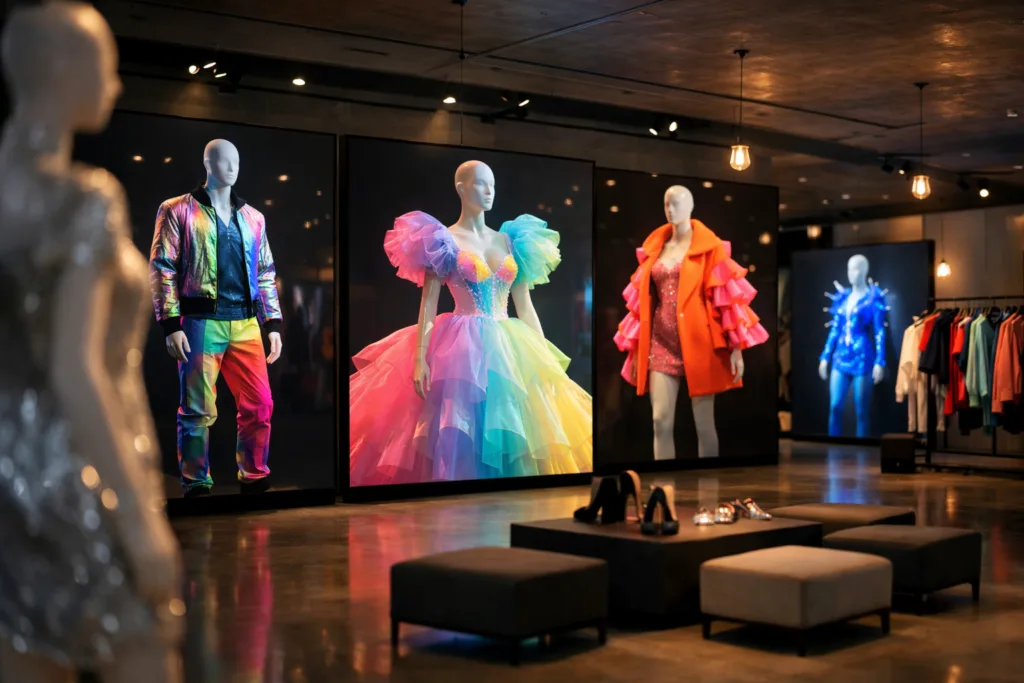
Virtual showrooms using 3D garments let brands market collections globally without shipping samples. This supports faster merchandising, flexible presentations, and reduced logistics cost.
Sustainability: Cutting Waste and Environmental Impact
Digital fashion workflows lead to tangible environmental gains—less fabric waste, fewer shipments, smaller carbon footprints. Brands using 3D tools demonstrate commitment to eco-conscious practices in both design and production.
Collaboration & Remote Teamwork Benefits
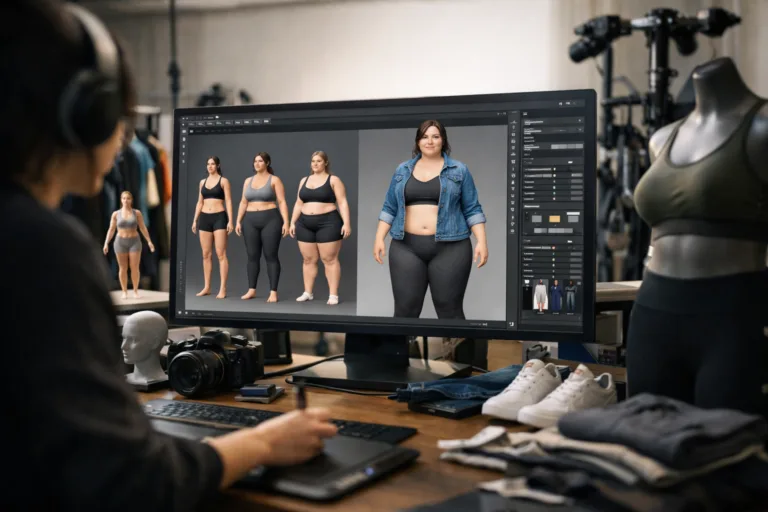
Remote teams can collaborate seamlessly using digital avatars and virtual environments, speeding up approvals and creative exchanges regardless of location.
Comparing Traditional and 3D Workflows
| Feature | Traditional Workflow | 3D Workflow |
|---|---|---|
| Sample Timeline | Weeks–Months | Days–Weeks |
| Material Waste | High | Low |
| Creative Freedom | Limited | High |
| Remote Collaboration | Difficult | Easy |
| Approval Process | Slow | Fast |
Industry Adoption Trends
Major brands, mid-sized labels, and even independent designers are transitioning to 3D fashion design. The pace of adoption has increased as supply chains become more virtual and digitally connected.
Potential Pitfalls & How to Avoid Them
Common mistakes include underestimating learning time, neglecting hardware requirements, and failing to integrate 3D tools with other production software. Appraising upfront investments and aligning team training helps prevent costly setbacks.
Apparel Wiki Insight: Reducing Confusion in 3D Fashion Design Adoption
Apparel Wiki cautions that many new adopters struggle most when they try to use 3D tools without fully mapping their production process. Proper alignment of digital assets, pattern grading, BOM updates, and costing sheets is essential for smooth integration and maximized investment value.
Future Outlook: Innovation & Market Value
As AR/VR integration evolves, 3D design is poised to transform both consumer experience and supply chain management. Investing now in digital skills can pay off as new markets open and expectations shift toward sustainability and speed.
Learning Curve: Is 3D Fashion Design Worth the Investment?
Ultimately, embracing 3D fashion design represents an investment in innovation, efficiency, and creative excellence. While learning requires effort and patience, the market rewards those who adapt quickly with increased profitability, creative agility, and stronger sustainability outcomes.
Conclusion: Practical Takeaways for Designers & Brands
For designers and brands asking whether 3D fashion design is worth the investment, the answer is a confident yes—if you’re willing to commit to learning and digital transformation. The return spans reduced waste, faster launches, improved creative control, and a competitive edge in today’s virtual fashion economy.
Frequently Asked Questions
Can beginners with no digital experience learn 3D fashion design?
Yes, most 3D platforms offer guided tutorials and online support. Beginners can start with basic projects and gradually advance as their skills improve.
How much does 3D fashion design software cost?
Software options range from free trials to annual subscriptions costing hundreds to thousands of dollars. Educational discounts are often available for students and new users.
How long does it take to learn 3D fashion design?
The learning curve depends on prior experience and daily practice. Most users gain usable skills in a few weeks but mastery takes months of dedicated use.
Are 3D designs accepted by manufacturers?
Manufacturers increasingly accept digital patterns and prototypes, especially when technical details are clearly documented alongside traditional files.
Can 3D fashion design help with sustainability?
Yes, brands dramatically reduce sampling waste and environmental impact by using virtual garments instead of physical samples during approvals.
What is the main challenge in adopting 3D design?
The biggest challenge is adapting traditional skills to new software interfaces and integrating digital projects with existing production workflows.