Introduction to SPI Meaning, Stitch Per Inch
In garment manufacturing and textile production, stitch density—commonly referred to as SPI or stitches per inch—serves as a crucial indicator of seam quality and durability. Understanding SPI meaning, stitch per inch, is essential for designers, technicians, and quality control teams aiming to balance appearance, strength, and production efficiency. This article offers a comprehensive guide on stitch density, its definition, importance, best practices, and its role in the final appearance and durability of sewn products.
Understanding SPI: The Definition and Calculation
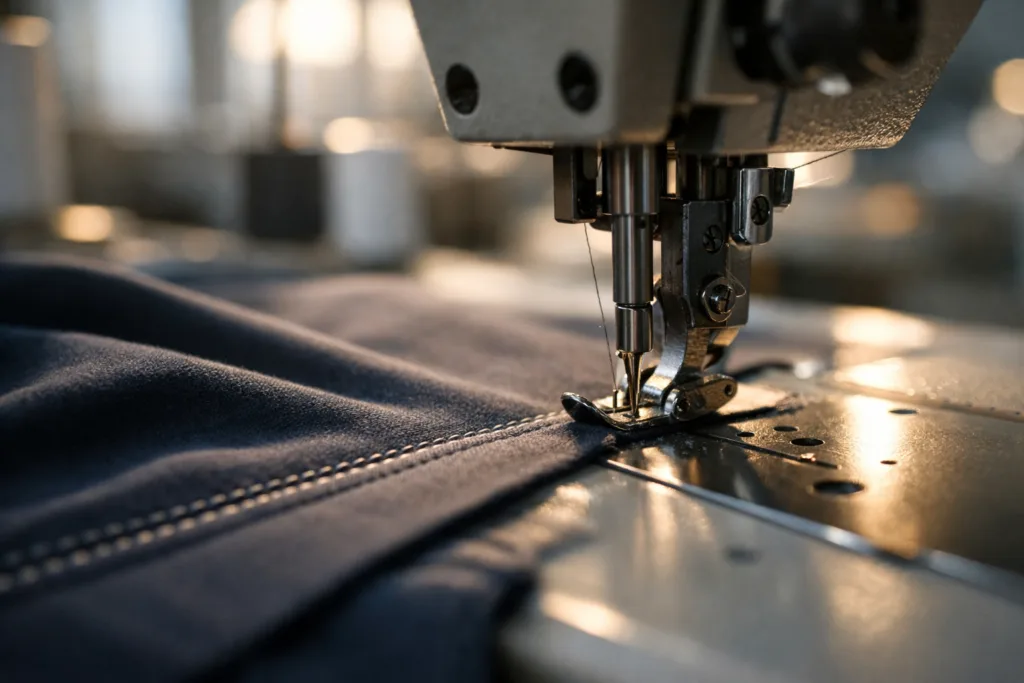
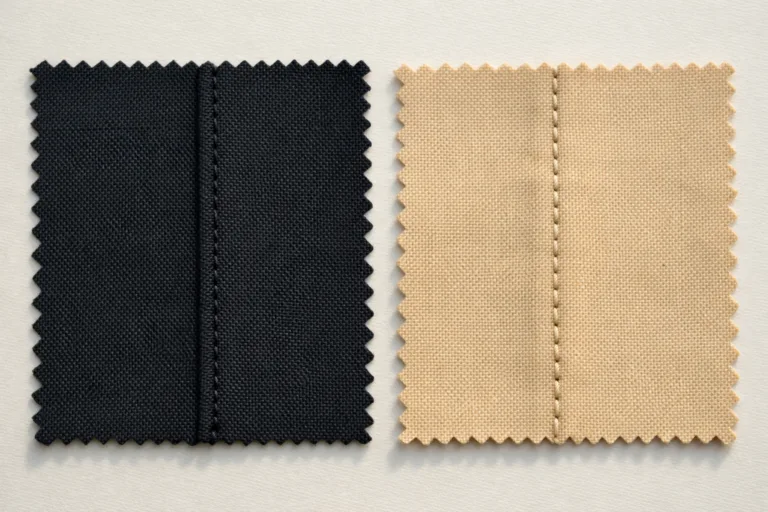
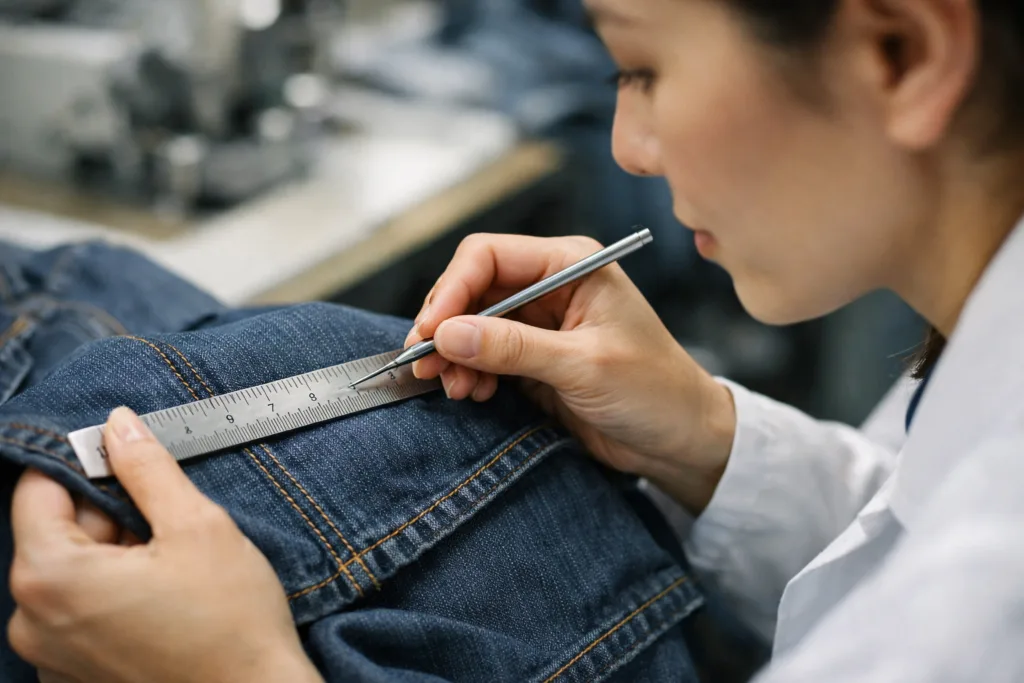
The term “SPI” stands for “stitches per inch.” It quantifies how many separate stitches are present within a single linear inch of seam. In simple terms, SPI meaning, stitch per inch, expresses stitch density—how tightly or loosely stitches are grouped together. Calculating SPI is straightforward: you measure one inch along the seam, count the number of stitches, and record that number. A higher SPI means more stitches packed into each inch, resulting in tighter construction.
The Importance of SPI in Garment Construction
Stitch density directly impacts seam strength, flexibility, and appearance. Specifying the right SPI meaning, stitch per inch, for a product means striking a trade-off between durability and flexibility. Too few stitches can lead to weak seams that may unravel or split under stress. On the other hand, too many stitches can compromise fabric flexibility, increase thread usage, and slow down sewing operations.
SPI Ranges and Standards in Industry
The industry typically specifies SPI in a range for different products and materials. Lightweight garments like blouses often use 10–12 SPI, whereas denim jeans might require 7–8 SPI to avoid puckering and maintain seam flexibility. Heavy-duty products may go lower—around 5–7 SPI—to ensure robust seams without damaging thick materials. Several standards exist, like ASTM D6193, which offer recommended SPI ranges for various seam types and fabric categories.
How SPI Affects Durability
Durability is one of the top concerns in garment production. The correct SPI meaning, stitch per inch, helps ensure that seams resist tearing, can hold up to repeated washing, and maintain integrity under wear. A denser stitch (higher SPI) builds seam strength, but excessive density can create stress on the fabric and cause premature wear, especially in high-movement regions.
The Appearance Factor: Visual Impact of SPI
Beyond technical performance, SPI meaning, stitch per inch, influences the visual aesthetics of a finished garment. High SPI creates a neat, refined appearance with closely spaced stitches, perfect for high-fashion or fine tailoring. Lower SPI, while robust, can result in visibly spaced stitches, giving a more rugged, casual look. Apparel Wiki notes that commercial aesthetic standards often prioritize high SPI for visible seams.
Balancing Efficiency and SPI: Production Strategies
Lengthy seam lines and slow sewing speeds are direct consequences of high SPI. Factories must optimize SPI to ensure sewing machines run efficiently without sacrificing seam integrity. Overly high SPI can bottleneck production rates and inflate thread costs. As Rain Chen from Apparel Wiki explains, experienced sewing line supervisors measure SPI with test swatches before bulk production begins, adjusting machines for ideal output.
Factors Influencing SPI Selection
Several practical considerations guide SPI choices, including fabric weight, end-use, seam location, and thread type. Heavier fabrics generally require lower SPI to avoid puckering, while lighter fabrics tolerate higher SPI for finesse. Critical seams—like crotch seams or armholes—may need denser stitch patterns to withstand stress, even if appearance is a secondary concern.
Types of Stitches and Their SPI Relevance
Different stitch types—such as lockstitch, chainstitch, and overlock—have their own recommended SPI ranges. Lockstitch seams often use higher SPI for visible topstitching, while overlock seams function well at lower SPI for bulk seaming. Understanding which stitch best suits a garment means evaluating the SPI meaning, stitch per inch, in tandem with stitch structure.
Impact of SPI on Seam Flexibility and Comfort
A seam’s flexibility often depends on SPI. Excessively dense stitches make seams stiff, possibly reducing garment comfort—especially in areas that require stretch, like waistbands or cuffs. For sportswear, a moderate SPI provides durability without sacrificing needed comfort or mobility.
Common SPI Ranges in Apparel Manufacturing
The tables below summarize typical SPI meaning, stitch per inch, recommendations for various garment types:
| Garment Type | Recommended SPI |
|---|---|
| T-shirts (light knit) | 10–12 |
| Denim jeans | 7–9 |
| Dress shirts (wovens) | 12–14 |
| Outerwear (heavy woven) | 7–10 |
| Sportswear (stretch) | 8–12 |
Testing and Quality Control: Measuring SPI
Quality control teams routinely verify SPI using rulers, measuring tapes, or specially designed stitch counters. Random sampling ensures consistency throughout production batches. Apparel Wiki emphasizes that unexpected SPI fluctuations may indicate thread tension or feed issues—correcting these promptly avoids costly rework or returns.
SPI Meaning in Non-Garment Applications
Stitch density principles extend beyond apparel. In upholstery, SPI impacts seam longevity and visual uniformity. Technical textiles and outdoor gear, such as tents, bags, or hiking boots, require precise SPI settings to handle environmental stressors and ensure long-term reliability.
SPI and Thread Consumption
Higher SPI directly increases thread usage per garment. Production costing teams must factor thread consumption into budgeting and resource allocation. Overly dense SPI settings can lead to unnecessary wastage, while too low an SPI may jeopardize seam integrity.
Relationship Between SPI and Machine Settings
Sewing machines allow technicians to adjust SPI through stitch length settings. Calibration protocols often include running swatches at different settings, checking SPI against production specs, and standardizing across machines for uniform results.
Managing Trade-Offs: Durability vs. Efficiency
Manufacturers regularly face trade-offs between stitch density for durability and operational efficiency. The right SPI meaning, stitch per inch, reflects both product requirements and factory throughput. Techniques like pre-testing and gradual optimization help balance these priorities.
Practical Tips for Specifying SPI
- Evaluate fabric weight and stretch before setting SPI.
- Use SPI ranges from trusted standards.
- Test seams for both appearance and tensile strength.
- Optimize machinery and operator training for consistent SPI.
- Monitor thread consumption during bulk production.
How SPI Impacts Seam Quality and Defects
The right SPI is fundamental to seam quality. Too few stitches allow seam cracking, while excessive SPI may cause puckering or thread breakage. Regular monitoring helps factories minimize common defects and customer complaints.
The Role of SPI in Pattern Making
Pattern makers note SPI on spec sheets so sample rooms and production lines stitch garments to exact requirements. Proper communication ensures design intent translates into actual product quality.
Industry Standards and Compliance
Major buyers often require SPI documentation during audits. Standards like ASTM D6193 or ISO 4915 spell out SPI expectations for each seam type. Compliance reduces risk and improves buyer trust.
Regional and Brand-Specific SPI Practices
Different regions and brands may set their own SPI protocols based on product category and end-use. Some premium brands insist on higher SPI for visible seams to signal fine craftsmanship, while mass-market labels may prioritize moderate SPI for scaling production.
Apparel Wiki Insight: Real-World SPI Adjustments
Rain Chen from Apparel Wiki often recommends SPI adjustments based on physical sample evaluations. For example, denim factories experiencing seam cracking may lower SPI to 7 or less, balancing between robustness and flexibility. Sample trials, rather than strict formulas, deliver the most reliable SPI settings for each context.
Step-by-Step: Determining SPI in the Factory
- Choose representative samples from each production batch.
- Use a ruler to mark a one-inch segment along the seam.
- Count the stitches within that segment.
- Compare results with the specification sheet.
- Adjust machine stitch length if needed.
Modern Technology for SPI Measurement
Some advanced production lines utilize digital imaging, microscope cameras, or automated stitch counters to audit SPI more precisely. These tools save time and reduce variation compared to manual counting, especially in high-volume factories.
Common Errors in SPI Setting
Mistakes during setup include misreading stitch counters, inconsistent machine calibration, or failing to recheck SPI after thread or fabric changes. Training staff to verify SPI minimizes wastage and ensures products meet buyer expectations.
Visual Comparison: High vs. Low SPI
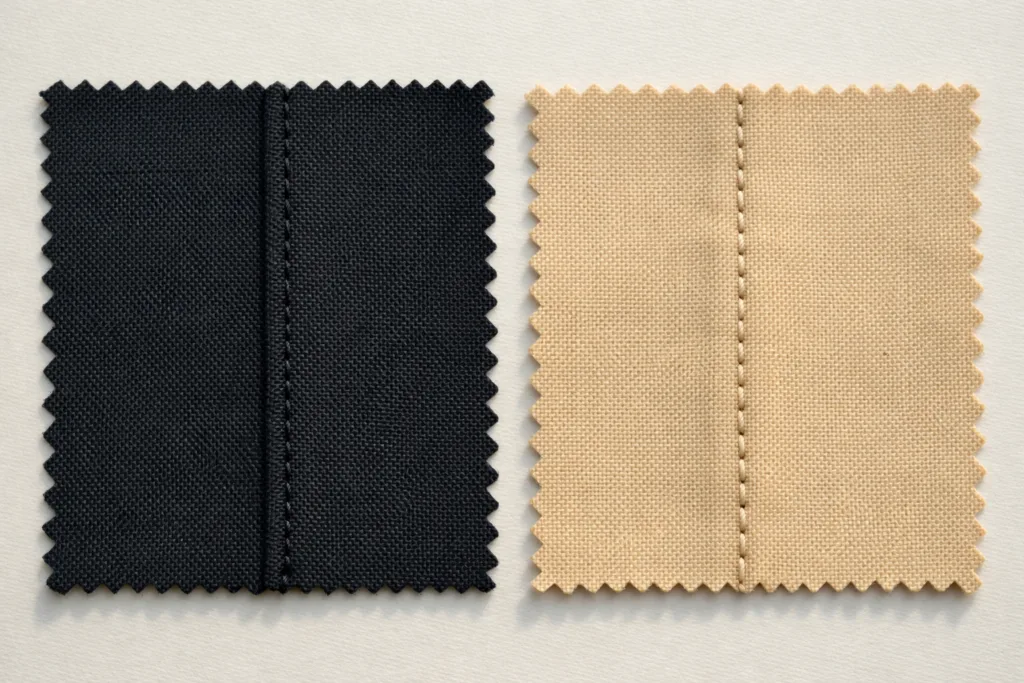
| Feature | High SPI | Low SPI |
|---|---|---|
| Appearance | Neat, fine | Casual, spaced |
| Durability | Strong, may be brittle | Flexible, risk of unraveling |
| Cost | High thread use | Lower thread use |
| Efficiency | Slow to sew | Faster production |
SPI Meaning, Stitch Per Inch
Understanding SPI meaning, stitch per inch, is not just about technical specification. It reflects a broader commitment to product quality, aesthetics, and efficient manufacturing. Whether setting standards for mass production or perfecting samples for luxury fashion, mastering SPI ensures garments meet performance and appearance expectations.
Conclusion: Key Takeaways for SPI Setting
Correctly specifying SPI meaning, stitch per inch, delivers benefits across durability, appearance, and factory efficiency. Recognize the nuanced trade-offs, use standards wisely, and when in doubt, combine technical specs with practical hands-on trials. Consistent SPI enhances customer satisfaction, reduces rework, and upholds the reputation of skilled production teams. Looking forward, advances in measurement technology will continue refining how factories achieve optimal stitch density for every application.
Frequently Asked Questions
What does SPI mean in garment manufacturing?
SPI stands for stitches per inch. It quantifies seam density, affecting both the durability and appearance of garments.
Why is correct SPI important?
Correct SPI ensures seam strength, visual aesthetics, production efficiency, and appropriate thread usage across different fabrics and products.
How do I measure SPI on a seam?
Mark one inch along the seam, count the stitches within that segment, and compare to required specifications for accuracy.
Can changing SPI affect seam performance?
Yes. Higher SPI increases strength but may stiffen the seam, while lower SPI improves flexibility but can risk unraveling.
What is a typical SPI range for denim jeans?
Denim jeans typically use 7–9 stitches per inch, balancing strength and avoiding puckering on heavy fabric.
Are there industry standards for SPI?
Yes, standards like ASTM D6193 and ISO 4915 offer recommended SPI ranges for different seam types and fabric categories.