
Controls That Reduce Apparel Exposure to Damaged Shipments
A practical guide to receiving damaged garments, preserving evidence, selecting prevention and mitigation controls, and maintaining an apparel shipment risk-management program.
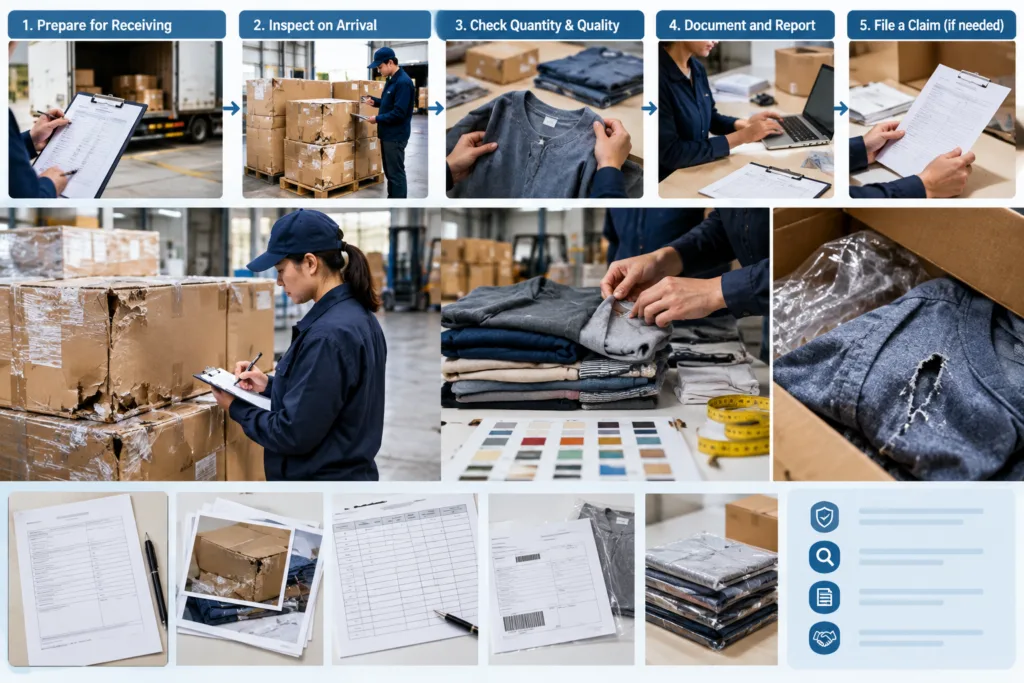
A practical guide to receiving damaged garments, preserving evidence, selecting prevention and mitigation controls, and maintaining an apparel shipment risk-management program.

Learn how to interpret uneven shrinkage results, set project-specific underwear requirements, and document release checks without relying on a universal tolerance.
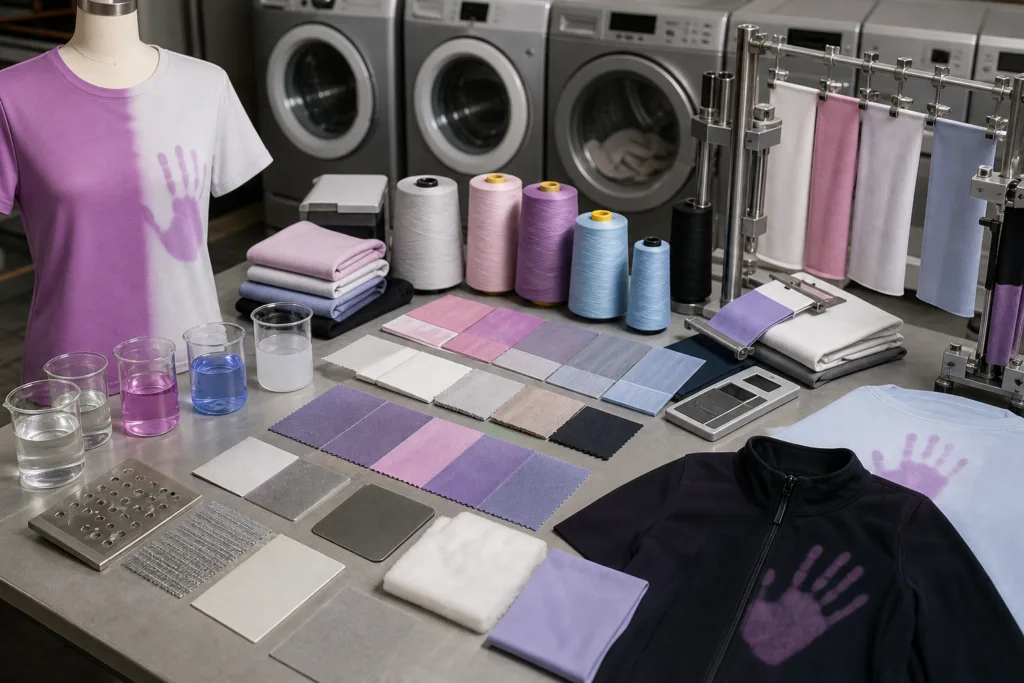
Learn how formulation, fabric construction, garment placement, exposure conditions, and observation methods affect thermochromic textile durability testing and product claims.
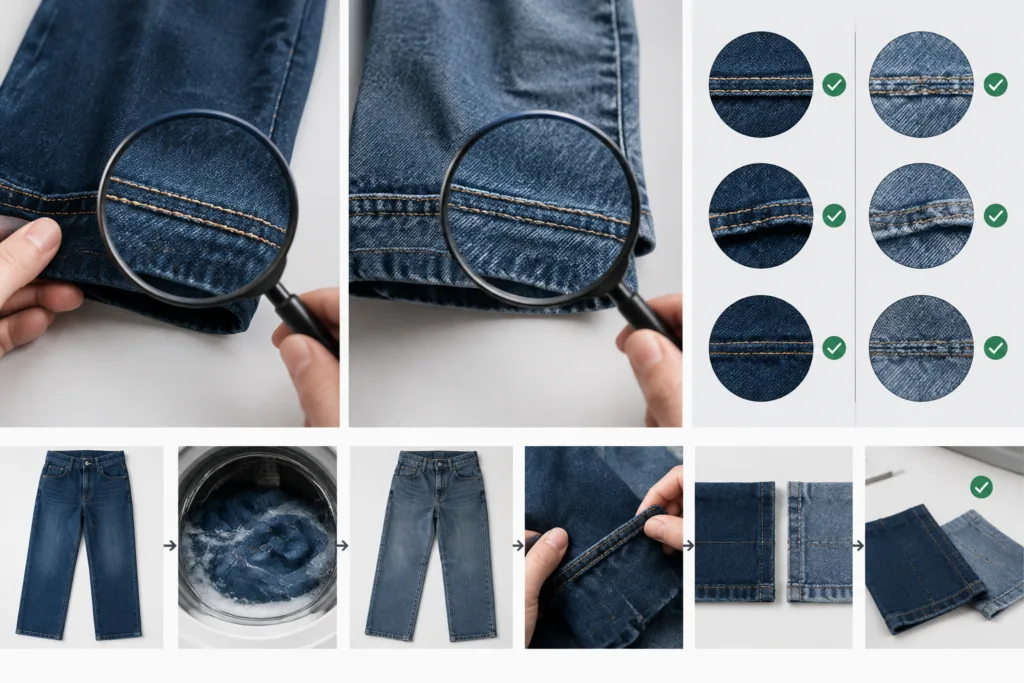
Learn how to compare pre-wash and post-wash seam results, classify ticket-number changes, avoid misleading tests, and document a defensible sewing-thread decision.
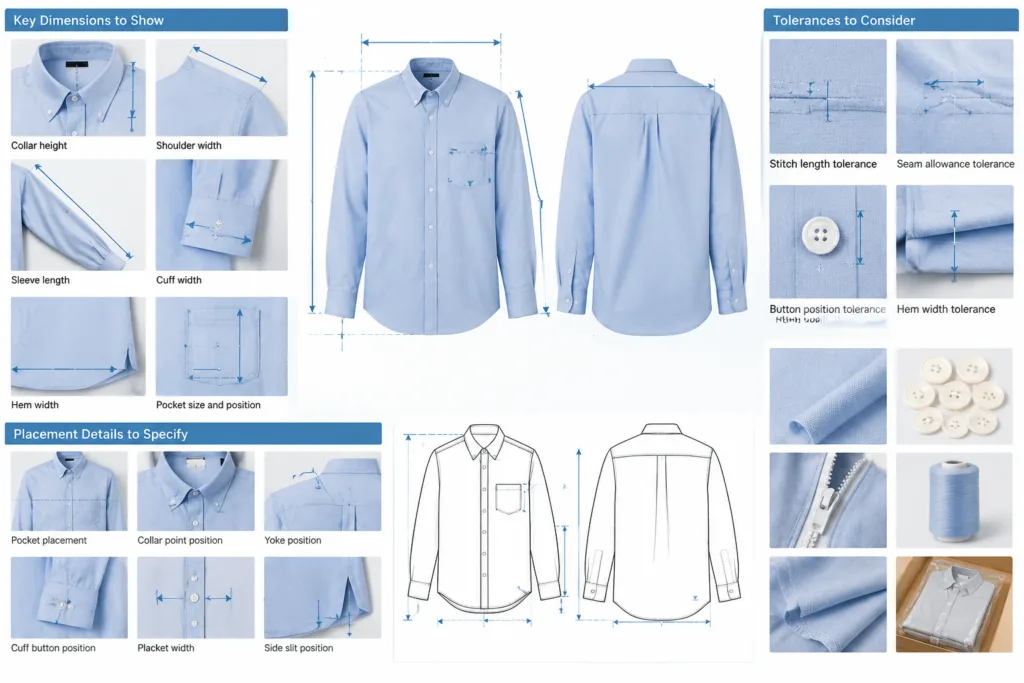
Learn which dimensions, tolerances, placement references, review checks, and revision details make apparel construction callouts clear and actionable.

Learn how to diagnose shrinking cotton T-shirts by separating laundering effects from fabric relaxation, garment construction, measurement error, and production causes.
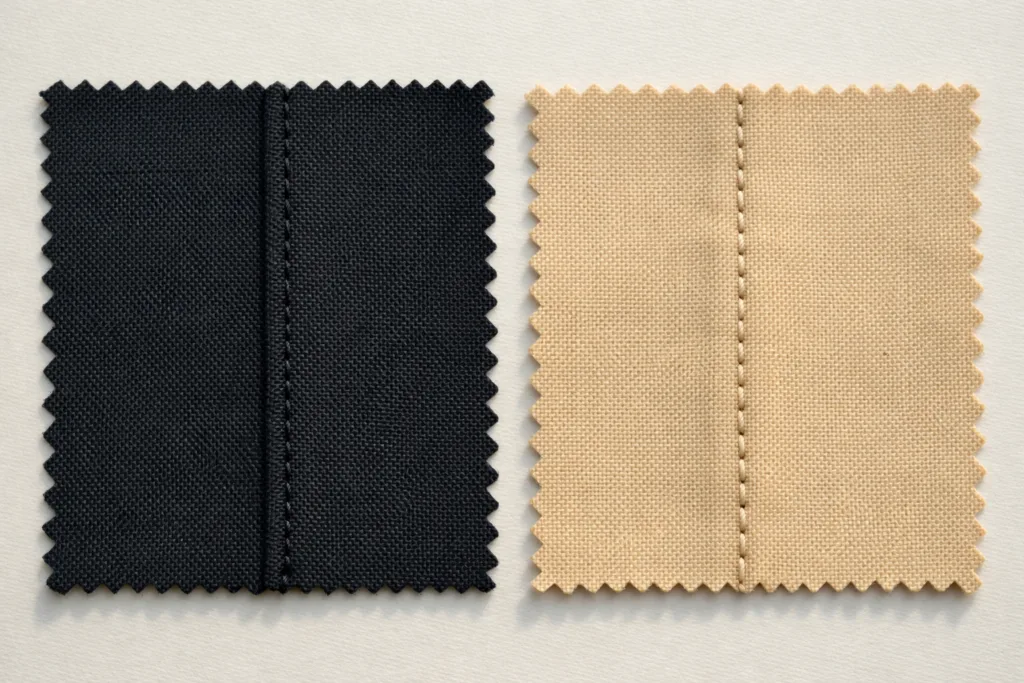
Introduction to SPI Meaning, Stitch Per Inch In garment manufacturing and textile production, stitch density—commonly referred to as SPI or stitches per inch—serves as a crucial indicator of seam quality and durability. Understanding SPI meaning, stitch per inch, is essential for designers, technicians, and quality control teams aiming to balance appearance, strength, and production efficiency.
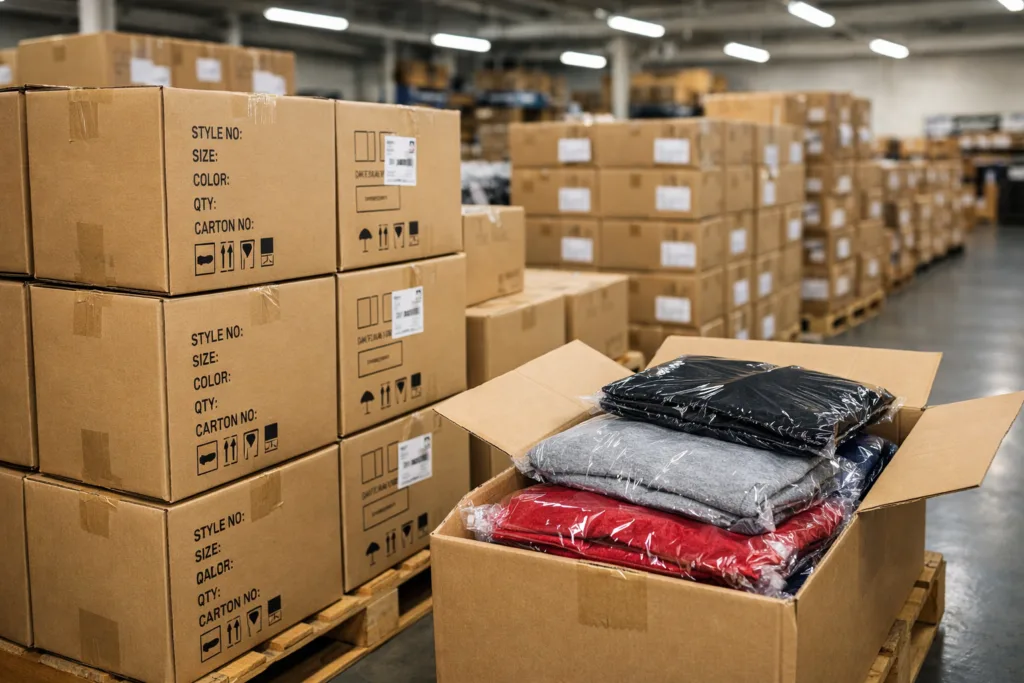
Understanding Final Random Inspection: Checklist & Standards In garment production, the Final Random Inspection (FRI) is a cornerstone of quality control, giving buyers and manufacturers a vital safety net before products leave the factory. In apparel, final inspection entails a systematic review of finished goods to catch defects, verify specs, and safeguard reputations. This comprehensive
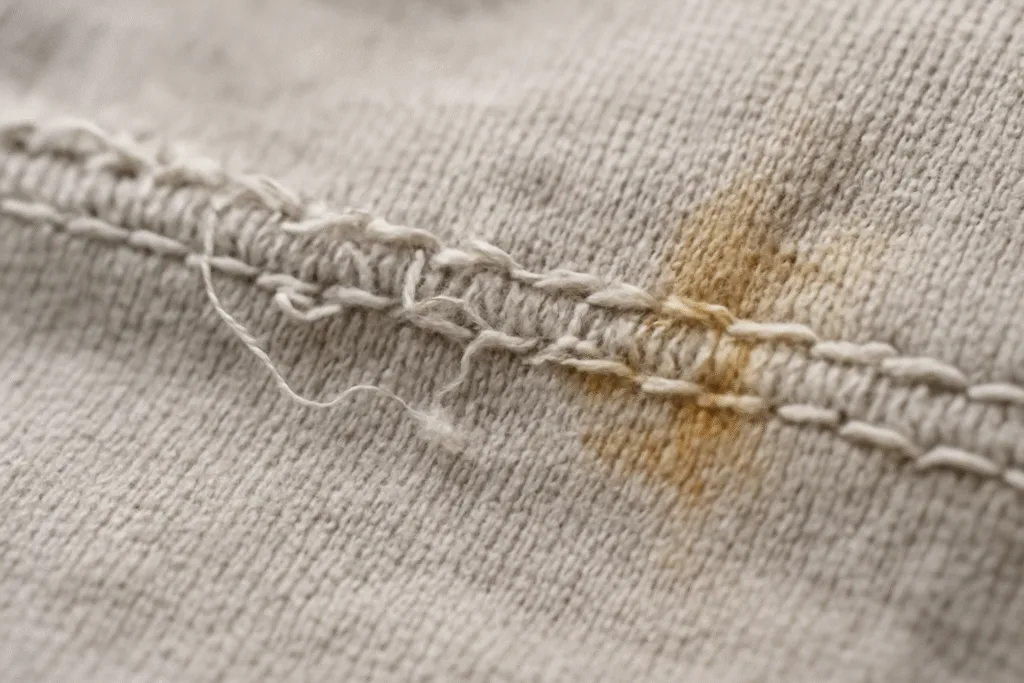
Ensuring that garments meet required quality standards is at the heart of successful apparel manufacturing. Every piece that leaves the factory floor is evaluated for defects, which are meticulously classified to ensure consistent quality for brands and buyers. A deep understanding of garment defect types and QC defect classification is essential for anyone working in