apparel manufacturing

Model in sunray-pleated chiffon dress turning in sunlight outdoors

What Are “Pleats”?

Pleats are a foundation of garment design, allowing fabrics to take on structure, movement, and unique silhouettes. From classic pleated skirts to tailored box pleats in coats, understanding pleats—and their precise application—is a skill every apparel professional and garment maker needs. Pleats Definition: The Backbone of Fabric Manipulation In the most practical sense, pleats are

Close-up of jersey, rib, and interlock knit fabrics with detailed texture

9 Essential Truths About Knit Fabrics: Types and Their Use in T-Shirts, Polo, Hoodies

Introduction to Knit Fabrics: Types and Their Use in T-Shirts, Polo, Hoodies Knit fabrics are the backbone of modern casual wear—from crisp polo shirts to relaxed hoodies and essential T-shirts. Their unique construction allows unmatched comfort, stretch, and versatility, shaping the way people dress for both work and play. Whether you’re a designer, buyer, factory

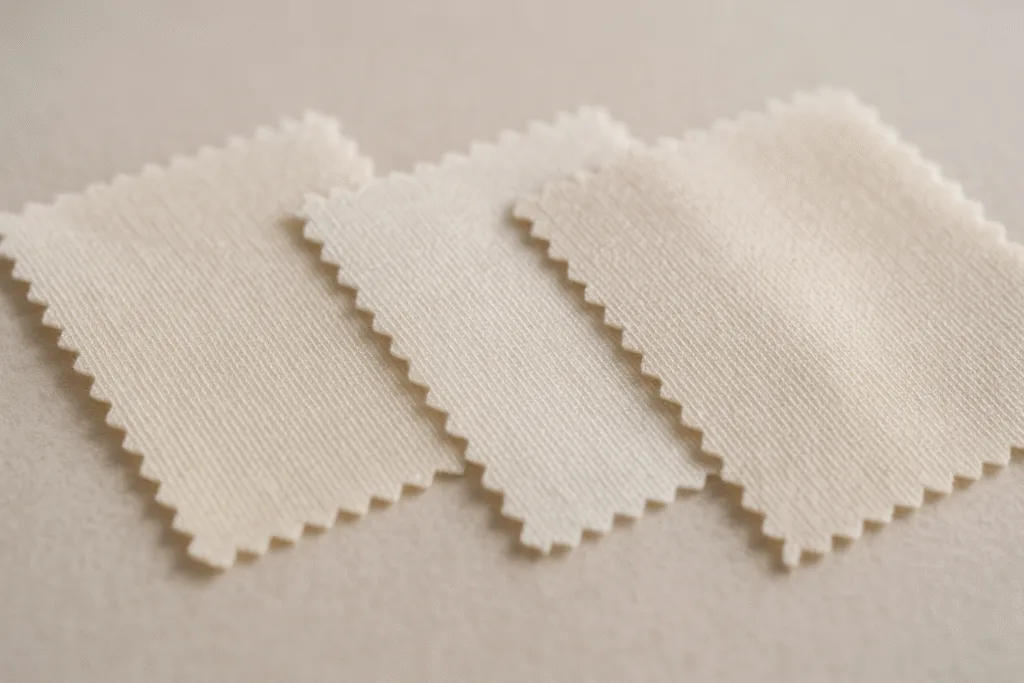
This macro photo presents the tactile differences between four common regenerated fabrics, visually explaining softness, drape, and handfeel as outlined in the comparison table for quick reference.

Semi-Synthetic & Regenerated Fibers: Viscose, Modal, Lyocell, Bamboo

Introduction to Semi-Synthetic & Regenerated Fibers: Viscose, Modal, Lyocell, Bamboo Semi-synthetic and regenerated fibers, including viscose fabric, modal fabric, lyocell fabric, and bamboo fabric, have shaped modern apparel with their unique blend of comfort, sustainability, and performance. These fibers bridge the gap between natural and fully synthetic textiles, delivering superior drape, breathability, and a refined

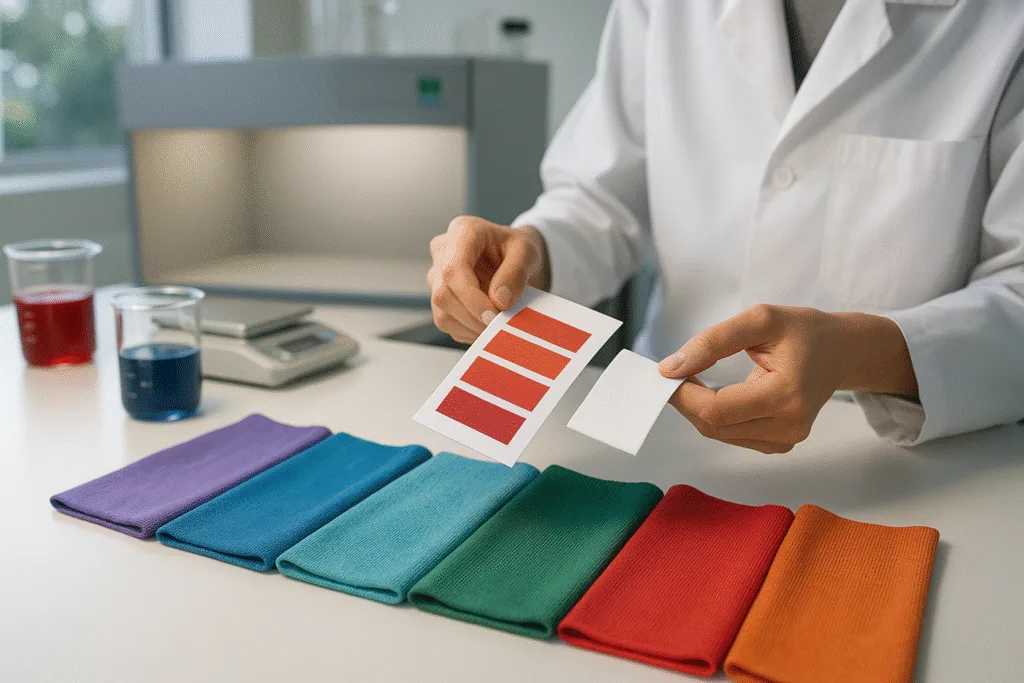
Image shows the hands of a technician aligning lab dip swatches next to a color card under proper light conditions, highlighting critical approval steps. This supports the section by visually explaining the controlled lab dip process central to color matching.

Why does bulk production color not match the color card?

Understanding Bulk Production Color Challenges In every garment manufacturing cycle, matching colors precisely from approved color cards to bulk production fabrics is a cornerstone of quality control. Yet, color mismatch in bulk runs remains one of the most frequent—and costly—issues facing factories and buyers. These variations disrupt branding, retail consistency, and can trigger rejections, chargebacks,

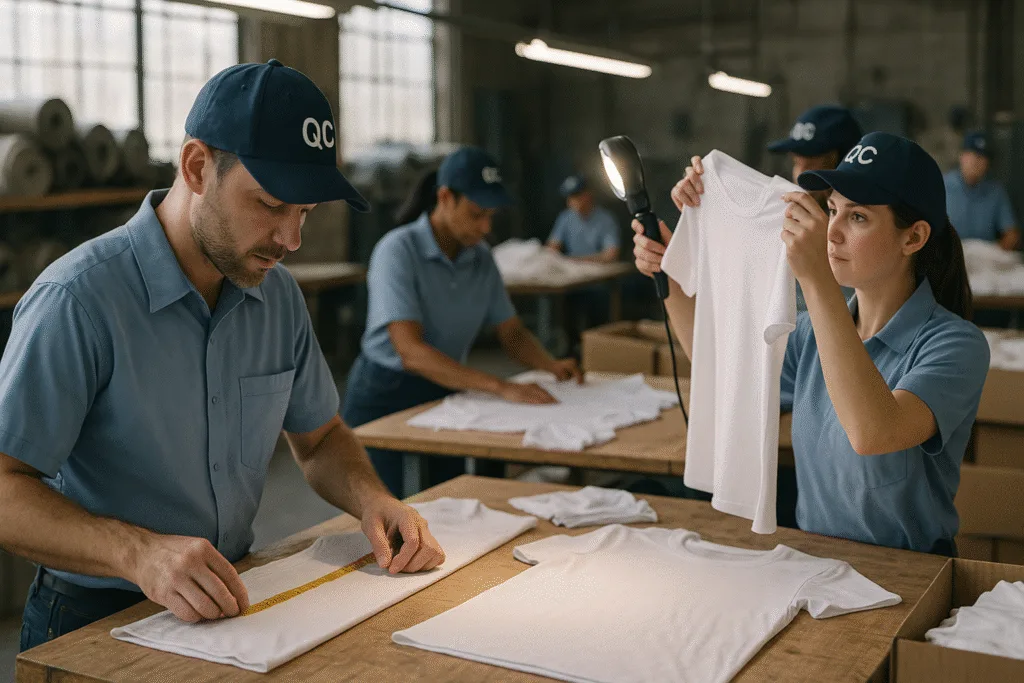
This image shows QC staff evaluating T-shirts using AQL sampling plans at a factory. The scene illustrates the real-world inspection process, highlighting measurement, visual checks, and the role of inspectors.

Apparel Inspection Levels: AQL Explained

An effective quality inspection strategy is the backbone of successful garment production. Among the most vital tools in garment quality assurance is the Acceptable Quality Level (AQL) methodology. For any apparel brand or factory aiming to deliver consistent quality—while keeping costs under control—understanding AQL in apparel, the different inspection levels, and robust sampling plans is

This image illustrates the careful selection and examination of cotton and polyester yarns alongside fabric swatches, emphasizing the critical first step of choosing and classifying raw textile inputs in apparel manufacturing.

Complete Guide to Fabric Classification in Apparel Manufacturing

Understanding fabric classification is central to high-quality apparel manufacturing. Whether you’re a designer, sourcing manager, or factory technician, knowing the types of fabrics, textile categories, and how manufacturers select them is crucial to creating garments that perform, last, and look right. This guide draws on decades of hands-on experience from the production floor to break

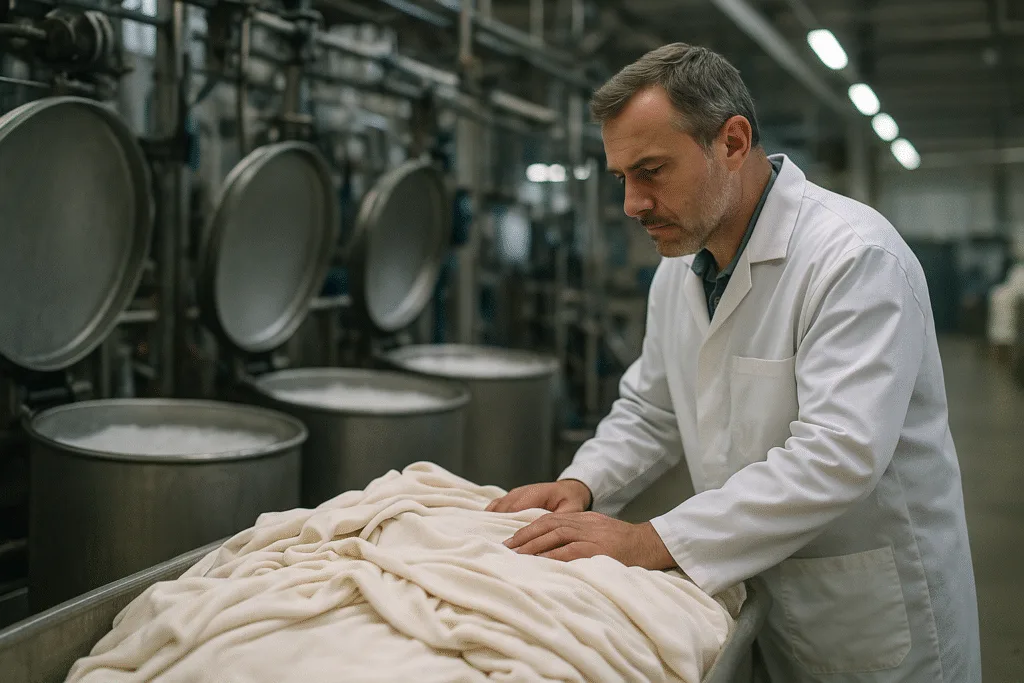
Shows an actual production process where cotton jerseys undergo enzyme wash to remove loose surface fibers, demonstrating how chemical finishing combats fabric pilling.

Why does my fabric pill and how can I prevent it?

Understanding Fabric Pilling: What It Is and Why It Matters Fabric pilling is one of the most common frustrations for both garment buyers and factory professionals. Those little fuzzy balls, especially on active shirts, loungewear, or robust polos, can undermine a garment’s durability and appearance. At Apparel Wiki, we often hear from buyers and designers

Shows a textile factory scene where the fabric's grainline is checked with a ruler during inspection of cotton and jersey rolls, supporting the importance of warp/weft alignment.

What Is “Grainline” in Apparel?

Understanding the Grainline: Foundation of Apparel Fabric The concept of “grainline” is one of the cornerstones of garment construction and pattern cutting. Knowing the grainline meaning is essential for anyone involved in apparel design or manufacturing, as it determines how a fabric behaves when laid, cut, and worn. Grainline refers to the direction of the

Scroll to Top