quality control

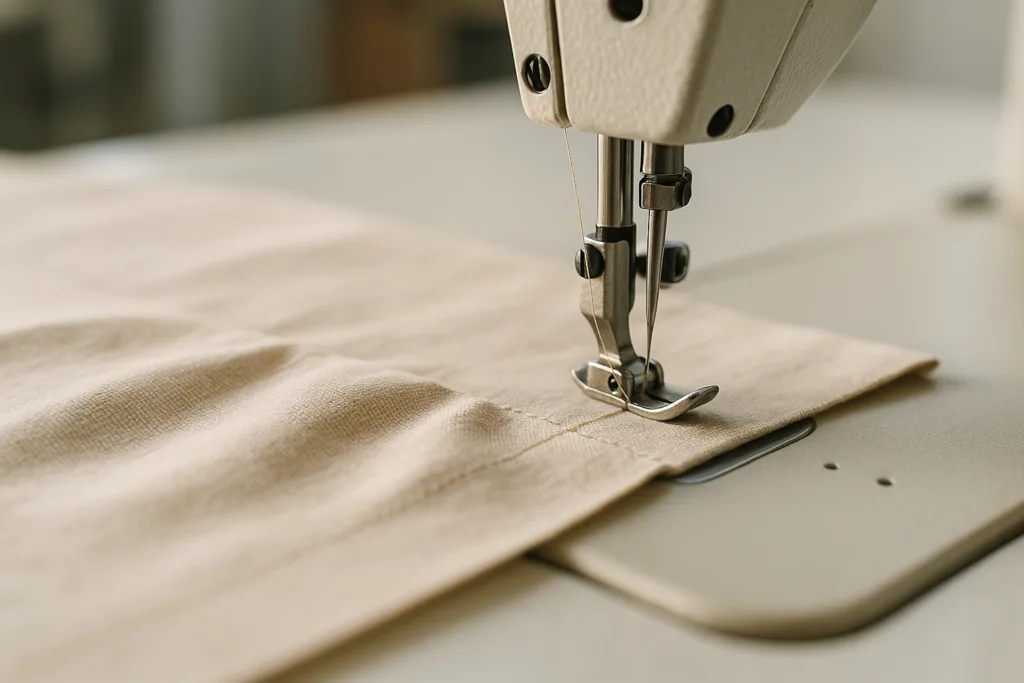
Macro detail of sewing puckering on a fabric seam under a factory machine

Why do seams pucker on my clothing?

Why do seams pucker on my clothing? Seam puckering is a common garment defect that undermines both appearance and function. Whether seen on a brand-new shirt or after the first wash, puckered seams signal underlying sewing issues. Understanding why this happens—and how to fix and prevent it—can save time, money, and reputation in apparel production.
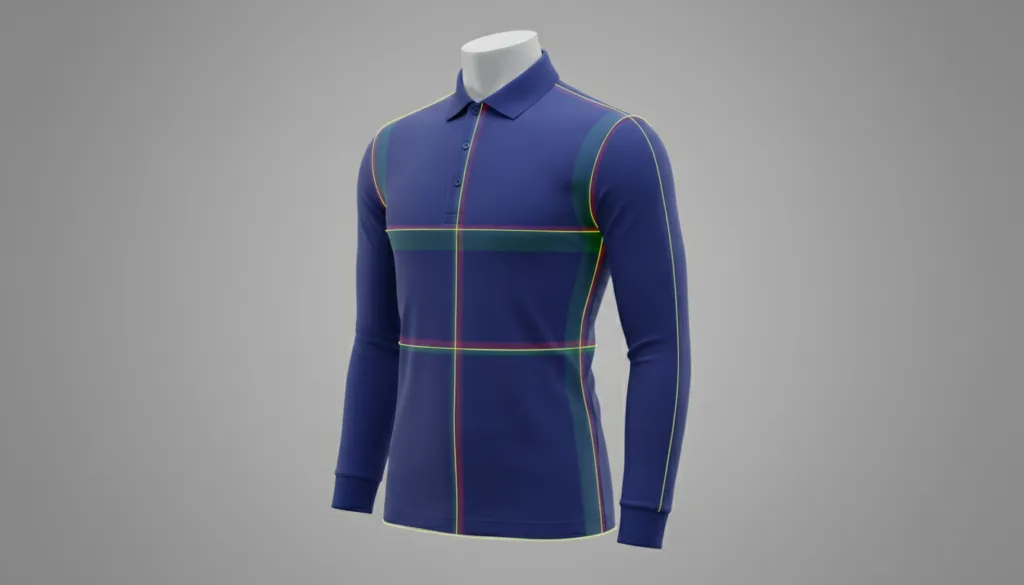
Mannequin displays polo shirt with measured tolerance points

What Is a Production Tolerance?

Production tolerance is a set of allowed variations in garment sizes and specifications during manufacturing. In apparel, garment tolerance refers to the permissible differences between the intended measurements (as stated on the spec sheet) and the actual measurements of finished garments. Garment measurement tolerance is critical to ensuring quality, consistency, and fit across large production

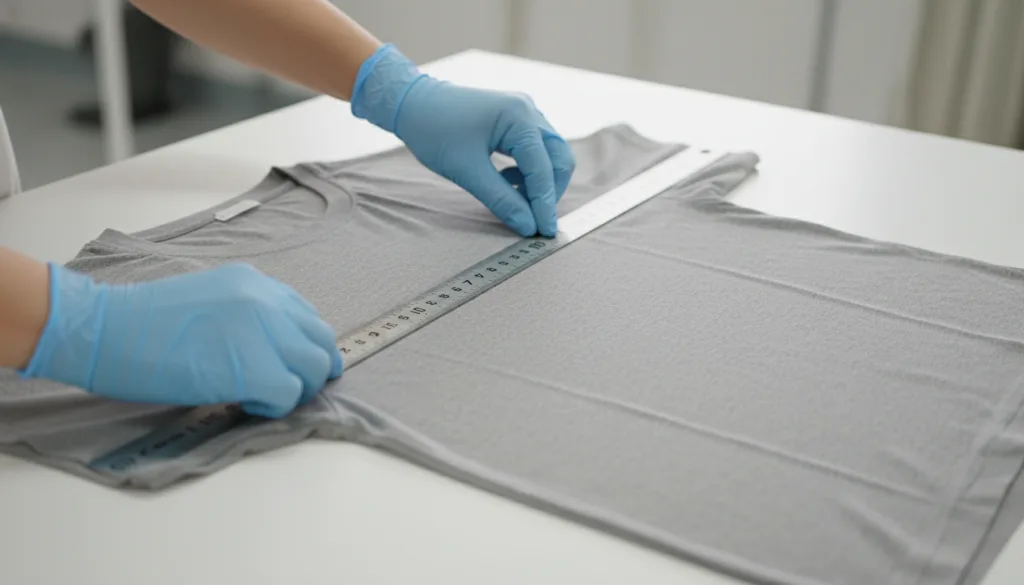
Garment measurement QC for knit T-shirt, technician using steel ruler on table

Measuring Garments: How to Follow a Measurement Spec

Introduction: The Critical Role of Garment Measurement QC Precise measurement is the backbone of quality garment production. Whether you’re in the buying office, QC department, or on the factory sewing floor, following a garment measurement spec is essential for ensuring finished apparel fits as intended and meets contractual requirements. Mistakes in measurement or poor tolerance

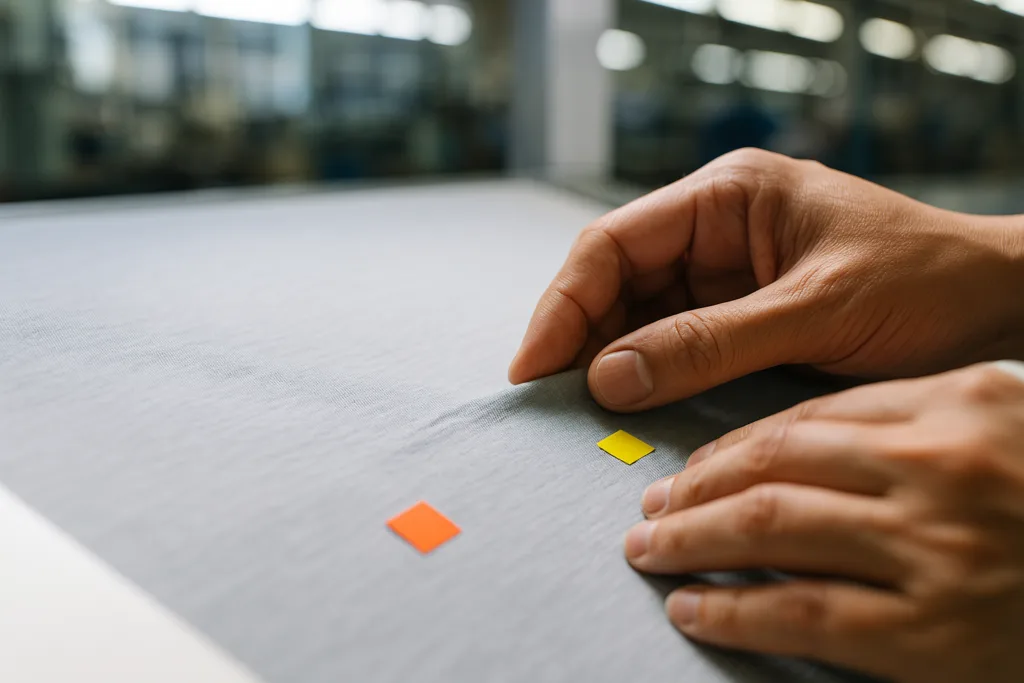
Shows hands carefully checking incoming fabric for holes, shade variation, and GSM, supporting the IQC section's focus on defect detection before production.

QC Flow in a Garment Factory

QC Flow in a Garment Factory Garment QC flow is the backbone of any successful apparel production. Whether manufacturing basic tees or premium workwear, maintaining a strict quality inspection process protects your brand’s reputation and reduces costly rework. Garment factories typically structure their QC flow in logical steps: IQC (Incoming Quality Control), cutting QC, sewing

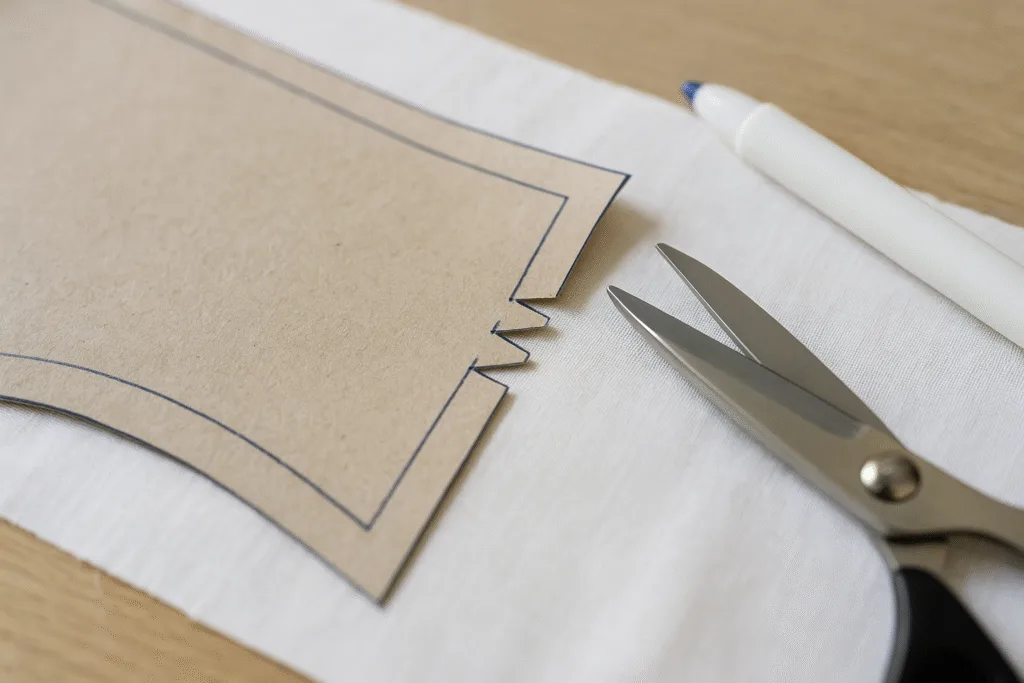
This photo highlights various notch styles—single, double, and triple—cut along a garment pattern piece’s edge, helping readers distinguish pattern notch meanings and marking tools. Its tactile clarity aids in understanding types of notches in production.

What Is “Notch” in Patterns?

Introduction: Why Notches Matter in Garment Patterns In garment manufacturing, no detail escapes scrutiny. Among the most subtle yet crucial guides for constructing clothing are notches—small marks or cuts on pattern pieces. These simple markings act as the traffic signs of production, telling sewists exactly where to align, join, or fold each piece. Understanding the

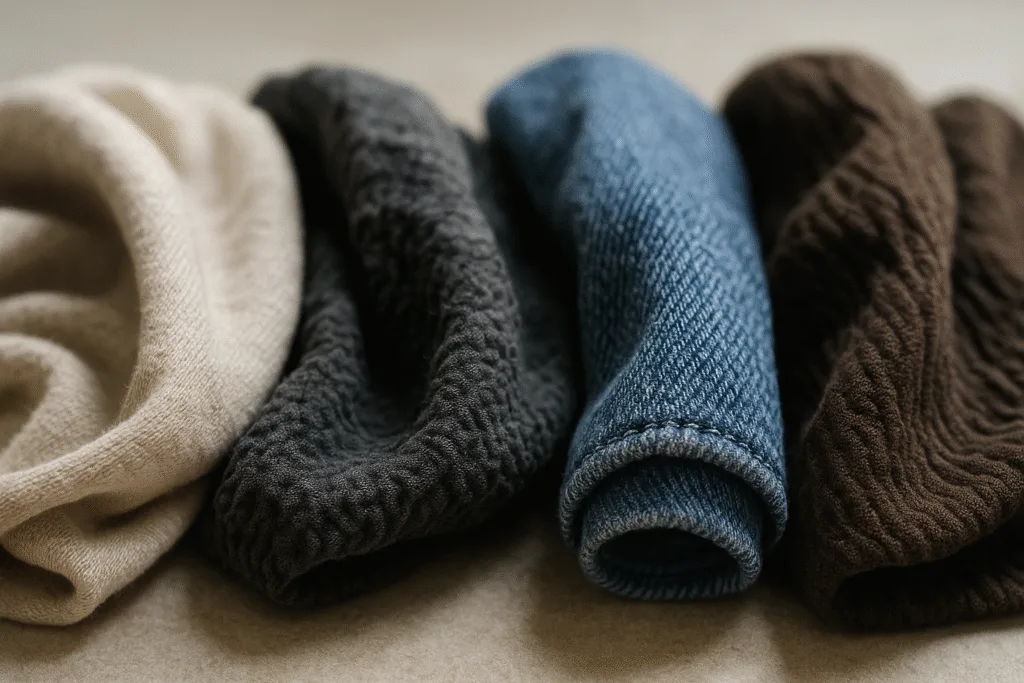
Demonstrates how shrinkage varies between fabric types, underlining why calculation and allowance must be tailored for each material.

How do I calculate fabric shrinkage correctly?

Understanding fabric shrinkage is vital in garment production. Misjudged shrinkage leads to ill-fitting clothes, wasted material, and expensive remakes. Whether you’re a buyer, designer, factory team member, or merchandiser, learning to calculate fabric shrinkage with accuracy minimizes costly surprises and ensures finished garments match intended specs. This detailed guide walks through the proven process—wash, dry,

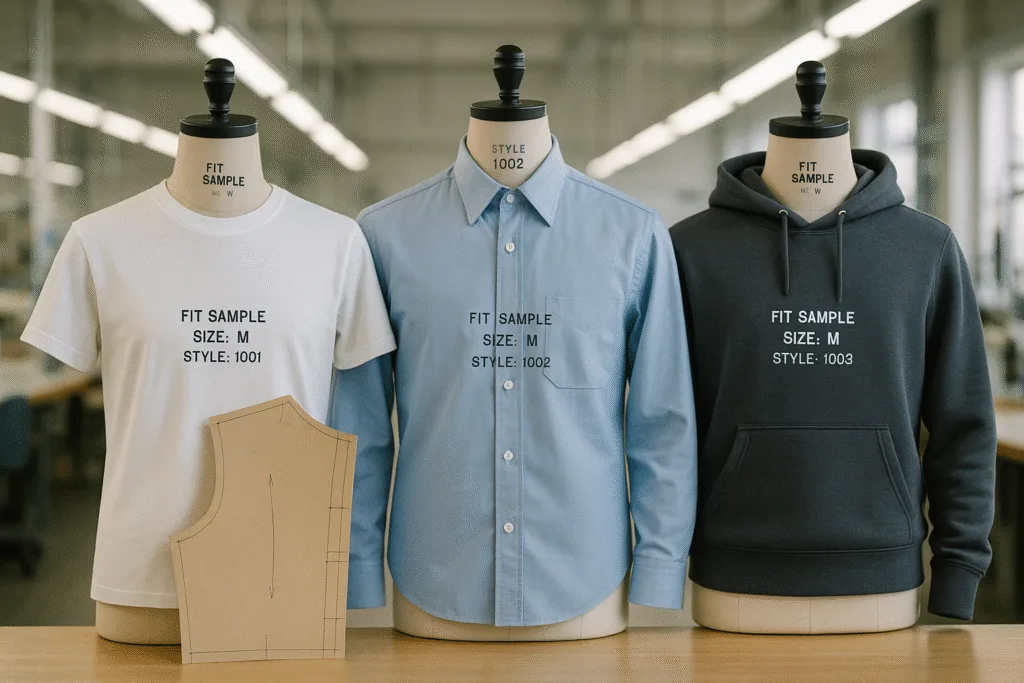
This image demonstrates the results of accurate pattern development, with multiple finished fit samples, supporting how pattern quality impacts garment fit and production consistency.

The Role of Pattern Makers in Apparel Development

Pattern makers are the quiet architects behind every successful apparel collection. Their skill bridges creative design and mass production, translating concepts into precisely engineered garment blueprints. Let’s explore their responsibilities, tools, and the critical role they play in apparel pattern development—especially how they ensure accuracy from initial sketches to factory-ready patterns. Understanding the Pattern Maker

Scroll to Top