Understanding the Grainline: Foundation of Apparel Fabric
The concept of “grainline” is one of the cornerstones of garment construction and pattern cutting. Knowing the grainline meaning is essential for anyone involved in apparel design or manufacturing, as it determines how a fabric behaves when laid, cut, and worn. Grainline refers to the direction of the fabric’s yarns—specifically, the dominant orientation (warp or weft)—and directly impacts the fit, drape, strength, and overall quality of finished garments.
What Is “Grainline” in Apparel?

Grainline in apparel describes the direction of fabric yarns relative to the selvage edge. The fabric grain is the arrangement of fibers during weaving or knitting, forming two principal axes: warp (lengthwise) and weft (crosswise). Pattern pieces are typically placed so the grainline marking on the paper runs parallel to the fabric’s selvage.
Grainline Meaning for Pattern Cutting
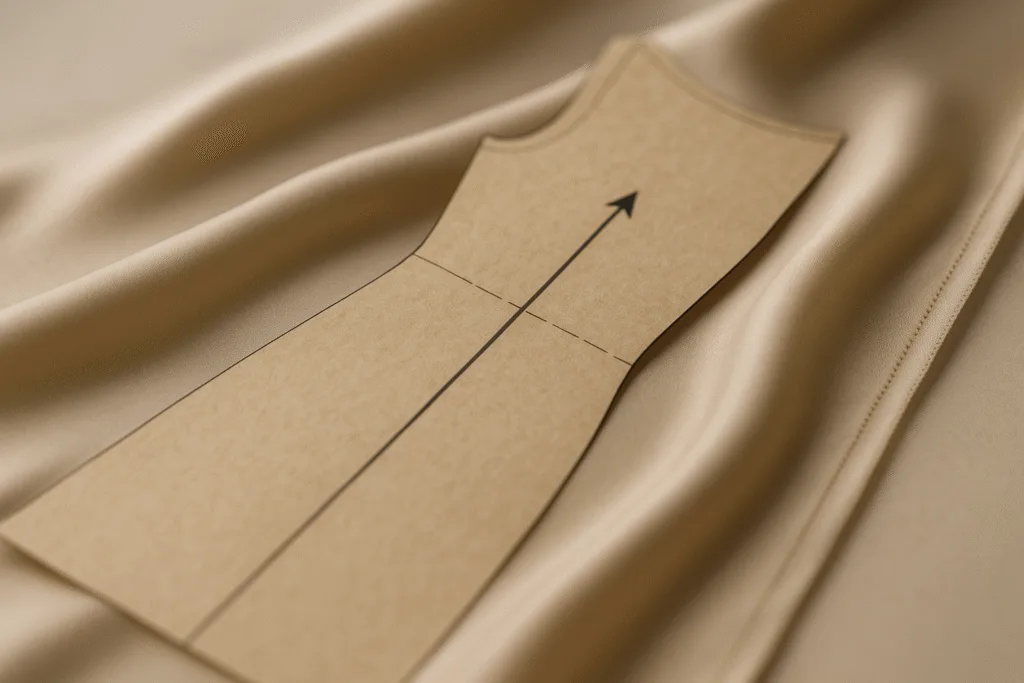
The grainline symbol, usually a double-headed arrow, appears on garment patterns. This arrow must align precisely with the desired fabric grain during cutting—usually straight grain (parallel to selvage), unless a specific look or performance is sought.
Why Grainline Matters
- Controls stretch direction and drape for fit
- Prevents unwanted twisting or distortion
- Ensures consistent look and feel between garments
- Affects shrinkage, seam strength, and silhouette
Common Grainline Mistakes
Misaligning grainlines leads to twisted side seams, poor fit across shoulders or sleeves, and garments that lose their shape after washing. In export factories, careful grainline placement on spread fabric is a mandatory QC checkpoint before bulk cutting.
Warp and Weft: The Backbone of Fabric Grain
All woven fabrics are constructed with two sets of yarns: warp and weft. The warp threads run along the length of the fabric, parallel to the selvage. Weft threads traverse the width, crossing warp yarns at right angles.
Warp (Lengthwise Grain)
The warp direction typically carries more tension during weaving. Garment elements cut along the straight grain (warp) offer stability, better recovery, and less distortion.
Weft (Crosswise Grain)
Weft yarns provide modest stretch, especially in certain fabric types like knits or elastane blends. When pattern pieces are placed on the weft, you get wider stretch but slightly less vertical stability.
| Fabric Type | Warp Strength | Weft Stretch | Best Garment Use |
|---|---|---|---|
| Cotton Twill | High | Low | Workwear, jeans |
| Jersey Knit | Moderate | High | T-shirts, dresses |
| Polyester Canvas | High | Low | Bags, uniforms |
| Stretch Denim | High | Moderate | Skinny jeans |
Straight Grain, Cross Grain, and Bias: Key Grain Directions
The fabric grain runs in three main directions: straight grain (parallel to warp), cross grain (parallel to weft), and bias (at a 45-degree angle to the warp/weft).
Straight Grain (Lengthwise)
This is the most stable direction. Patterns for shirts, trousers, and body panels are almost always cut along straight grain, ensuring vertical integrity and consistent fit.
Cross Grain (Widthwise)
Cross grain offers a bit more stretch, often used for rib trims, waistbands, or cuff bands. Consider shrinkage—cross-grain pieces may react differently after washing, especially in cotton knits.
True Bias (45° Angle)
- Maximum stretch and fluidity
- Used for draped dresses, neck bindings, and fashion details
- Requires extra control for sewing and finishing
Rain’s tip from the production line
For bias-cut garments, always allow extra seam allowance and expect more shrinkage during washing trials. Bias pieces can grow longer and shift shape under load.
How Grainline Influences Fit and Drape
Grainline direction dictates how a garment conforms to the body, returns to shape, and hangs. Alignment with straight grain yields structured silhouettes—think tailored shirts and suiting—while bias cut gives garments soft movement and lots of comfort.
Structured Fit (Straight Grain)
Cutting along the straight grain ensures garments maintain their intended fit, with minimal twisting or sagging. This is crucial for menswear collars, sleeve heads, and shirt fronts.
Fluid Drape (Bias)
Garments with bias grain show beautiful drape—ideal for women’s evening dresses, cowl neck tops, or flared skirts. But they can stretch out, so pattern makers often build in extra returns for bias pieces.
Fabric Types and Grainline Behavior
Different textiles interact with grainline in unique ways. Knit fabrics (like single jersey or rib) naturally stretch; woven fabrics (like cotton twill, canvas) are quite stable. Yarns, finishes, and blends all influence how grainline affects the end result.
Cotton Jersey
Highly stretchy crosswise, moderately stable lengthwise. Overstretching can cause skew after washing.
Denim
Warp direction is much stronger, resisting vertical shrinkage. Bias cutting for design appeals—e.g., ‘chevron’ waistband or side seam details—can introduce complexity.
Polyester Twill
Stable grainline, suitable for uniforms and jackets where shape retention matters.
- Always check fabric grain in inspection: twisted grain leads to production faults downstream.
- Request yarn diagram or physical sample from mill when sourcing specialty weaves.
Quality Control: Checking and Managing Grainline in Production
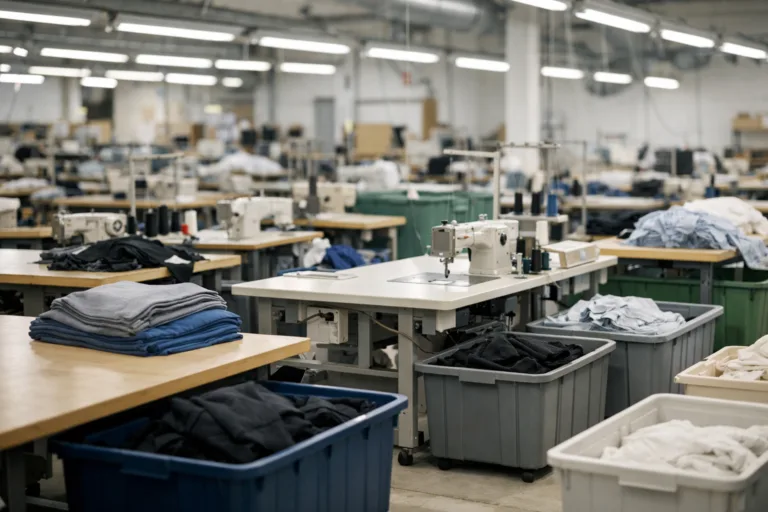
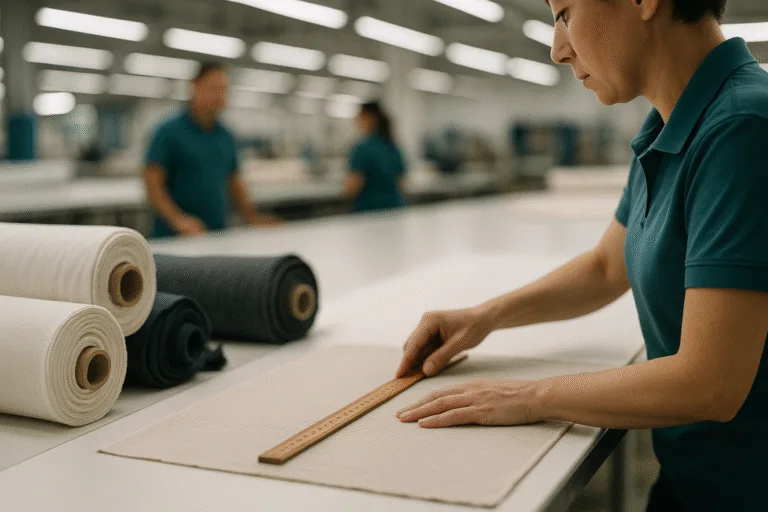
In factory practice, managing grainline is a daily discipline. Bulk fabric must be relaxed and laid on spreading tables so the grain remains true. Cutting teams use weighted rulers, laser guides, and template checks. When grainline is off even by a few degrees, entire production runs can fail QC—causing costly rework.
Steps for Grainline QC
- Inspect fabric rolls for skew and twist before spreading (4-point inspection method)
- Relax fabric for at least 12–24 hours after unrolling
- Align pattern markings precisely with warp or bias as required
- Cut test pieces and wash for shrink/stretch assessment
- Mark rejects and retrain teams where necessary
Measurement and Tolerance
Industry best practice sets a tolerance of ±1° for grainline placement on bulk cut panels. QC inspectors measure alignment, especially for high-value garments and export contracts.
Pattern Making: Aligning Grainline for Design and Performance
Professional pattern makers mark grainline on every pattern piece, not just large panels. It’s common to use straight grain for bodice, back, sleeves, and cross grain for neck bands or pocket welts. For bias garments, creative design meets careful engineering—sometimes stablized with fusings or interlinings.
Key Points for Pattern Alignment
- Always match grainline arrow with fabric grain during cutting
- Check reference points: collar notches, center front/back, hem edges
- Add ease allowance for bias-cut or heavily draped areas
- Record shrinkage in pattern files for each style
Practical Applications: Garment Categories and Grainline Choices
Each garment type presents unique challenges/opportunities for grainline placement. For sportswear, bias grain in panels gives freedom of movement but must be balanced with durability for repeated washing. Uniforms rely on strict grainline alignment to maintain consistent fit across large production runs.
T-Shirts
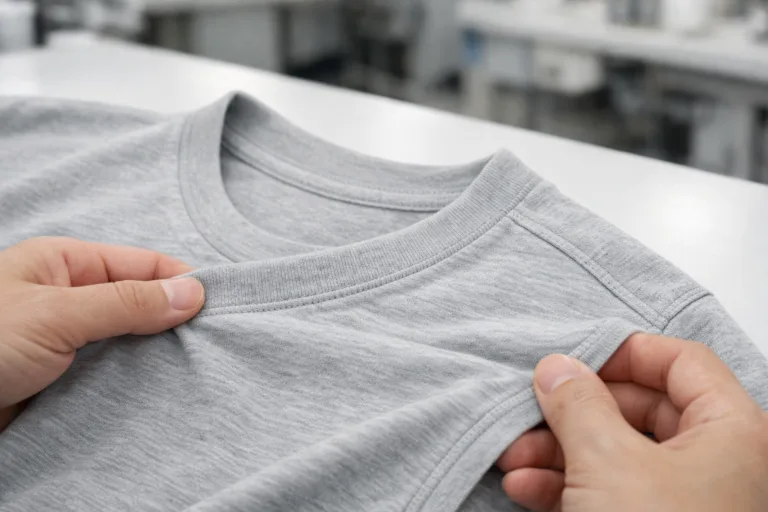
Body and sleeve panels cut on straight grain; rib neckline typically on cross grain for elasticity.
Polo Shirts
Pique fabric is more stable; collars require grainline control to stay flat after laundering. Contrast tipping calls for bias tapes, which are more likely to stretch.
Hoodies and Sweatshirts
Loops on French terry and fleece knits mean cross grain in cuffs and bottom bands maximizes comfort. Ensure grainline alignment to avoid twisted body panels or hood misfit.
Workwear
Denim and canvas rely on straight grain for strength—vital for durability in harsh conditions. Bias grain used for accent details only, with extra stability built in.
Best Practices for Sourcing, QC, and Bulk Production
From fabric mills to sewing lines, controlling grainline is a subtle but critical part of achieving premium apparel quality. Sourcing documentation should request grain diagrams, synthesized shrinkage data, and typical warp/weft count. QC must match grain direction to spec for every style and colorway.
Rain Chen’s Guidance for Buyers & Technicians
Always run in-house shrinkage and twist tests: cut 30 cm squares, mark grain directions, wash and measure. Discuss findings with your mill and patternroom—never leave grainline alignment to chance.
Checklist for Bulk Garment Grainline Control
- Confirm grain diagrams from mills or suppliers
- Pre-check fabric for skew before spreading
- Align grainline markings with laser, ruler, or template
- Sample test-cut pieces and wash for abnormal stretch/shrink
- Document QC findings for every style in spec sheet
Troubleshooting Common Grainline Issues
- Twisted Side Seams: Check if body panels cut off-grain; retrain cutters and recheck spread alignment.
- Sleeve/Collar Curl: Revisit pattern grainline arrows; ensure collars and cuffs use proper grain direction.
- Skewed Logos or Prints: Ensure artwork placement follows garment grain so after washing decor remains aligned.
Frequently Asked Questions
What is the definition of grainline in apparel?
Grainline refers to the direction of yarns within a fabric, guiding how pattern pieces are placed to ensure optimal fit, drape, and structural integrity in garments.
How do warp and weft relate to fabric grain?
Warp yarns run lengthwise and form the straight grain, while weft yarns run widthwise and make up the cross grain; their orientation determines fabric behavior.
Why is cutting on the bias important?
Cutting fabric on the bias (at 45° to the grain) increases stretch and drape, making it ideal for garments requiring fluid movement and a soft silhouette.
What problems occur from incorrect grainline alignment?
Poorly aligned grainline causes garments to twist, lose shape, fit badly, and experience uneven shrinkage after washing and repeated use.
How do factories check grainline during bulk production?
Factories inspect grainline during fabric spreading and cutting, using rulers, templates, and test washing to confirm correct alignment before proceeding.
Is grainline relevant for stretch or knit fabrics?
Yes, grainline is vital for knits and stretch fabrics, as placement affects stretch direction, recovery, and whether garments keep their shape after use and washing.