Introduction: Why Notches Matter in Garment Patterns
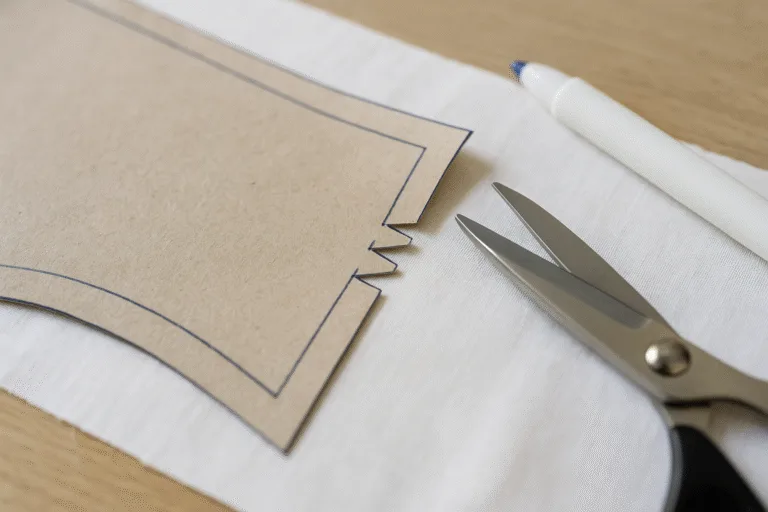
In garment manufacturing, no detail escapes scrutiny. Among the most subtle yet crucial guides for constructing clothing are notches—small marks or cuts on pattern pieces. These simple markings act as the traffic signs of production, telling sewists exactly where to align, join, or fold each piece. Understanding the pattern notch meaning and mastering sewing notch techniques separates efficient, professional production from costly, time-consuming mistakes.
What Is “Notch” in Patterns?
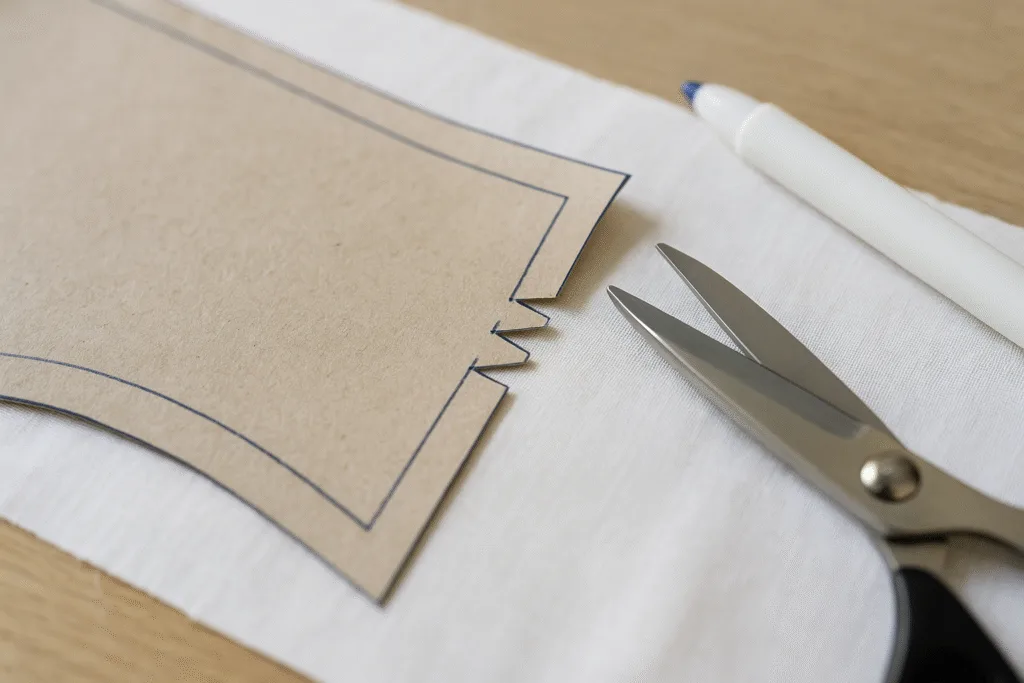
A notch in patterns refers to a small mark or cut (often a V-shape, straight snip, or drawn symbol) placed along the edge of a pattern piece. These notches are transferred onto fabric during cutting and serve as precise registration points during garment assembly. In other words, notches ensure that corresponding pieces meet exactly where they should—vital for seams, curves, corners, and component alignment.
- Pattern notch meaning: Guide marks for matching and assembly.
- Sewing notch: Mark on fabric indicating where two or more pieces must join.
- Notches are never decorative—they’re functional cues for accurate construction.
Rain Chen’s production line tip: “Consistent, visible notches speed up sewing and reduce rework. In export factories, clear notch marking is non-negotiable for quality control.”
Types of Notches: V-Notch, Single, Double, and Others
Different notches serve different purposes, indicating everything from front vs. back to folding points. Let’s break down the main types used in apparel manufacturing.
Single Notch
The most common, marking where the seam lines match. Used on sleeves, side seams, collars, and more.
Double Notch
Indicates back pieces (vs. front). A double notch on a sleeve cap, for example, prevents accidental reversal.
Triple Notch
Occasionally found on complex patterns to mark unique locations, such as specific pleat positions or special seam lines.
V-Shape Notch
The classic cut-in “V”, especially on woven fabrics. Easy to spot and hard to miss during sewing.
Straight Snip/Small Cut
A tiny, straight cut into the edge—quick and unobtrusive, suitable for stretch fabrics or spots where visible marks aren’t wanted.
Drawn Notch (Mark with Chalk or Pen)
Used for delicate materials or in situations where cutting into the edge might damage the piece, often marked with disappearing ink or tailor’s chalk.
| Notch Type | Visual Mark | Best Use | Typical Placement |
|---|---|---|---|
| Single | One V-cut | Match main seam lines | Sleeves, sides, collars |
| Double | Two V-cuts | Back piece indication | Back sleeve caps, waistbands |
| Triple | Three V-cuts | Special features | Pleats, design lines |
| Straight Snip | Tiny cut | Delicate/stretch fabric | Necklines, armholes |
| Drawn Notch | Chalk/pen mark | Fine/fragile material | Pockets, darts |
Why Notches Are Critical for Pattern Matching
The essential job of a notch is to guide the correct alignment. A misplaced notch means mismatched seams, twisting, puckering, or worse—pieces assembled in the wrong direction. Notches speed up production and almost eliminate guesswork for sewing operators. In mass production and even home sewing, they’re vital for:
- Matching curved or asymmetrical edges (such as sleeve caps to armholes)
- Identifying front/back, left/right, and position for decorative elements
- Preventing stretching or distortion, especially on knits and bias sections
- Ensuring collar, pocket, plackets, and other components join in the intended spot
Rain Chen’s tip: “Even a 1 cm out-of-place notch can result in visible garment defects after sewing and pressing. Quality assurance teams often check notch placement during pre-production sample reviews.”
Practical Steps: How to Transfer and Use Notches
Let’s walk through standard notch workflow from pattern to finished garment:
- Pattern drafting: Place clear notches on paper pattern at key points (curves, intersections, seam allowances).
- Pattern marker making: Ensure notches appear on digital or physical cutting markers.
- Fabric cutting: Transfer notches onto fabric with cuts or marks. Use cutting machines, hand shears, or tailored marking tools.
- Sewing operation: Match notches accurately while joining pieces, pinning, and sewing by machine.
- Quality control: Inspect assembled seams for notch alignment; correct mismatches before joining further components.
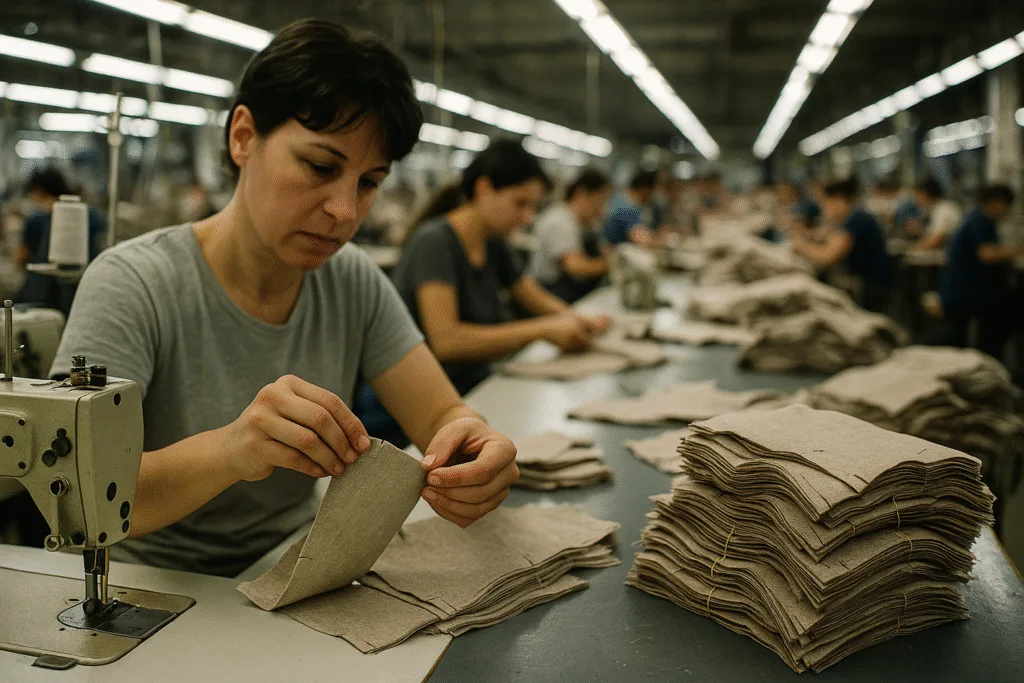
On industrial sewing floors, notches are as important as seam allowance. Factories often train new operators to check notches before stitching any seam, and pattern makers review notch logic before sending samples to bulk cutting.
Common Beginner Mistakes With Notches
Many newcomers to pattern cutting or sewing trip up on notch technique. Typical errors include:
- Misinterpreting notch types: Confusing single and double notches, leading to incorrect front/back assembly.
- Neglecting notch placement: Placing notches too close together (hard to distinguish) or inaccurately (off seam line).
- Cutting too deep: Making exaggerated notches weakens seam edge—especially risky in lightweight or knit fabrics.
- Ignoring pattern symmetry: Failing to mirror notches across symmetric pieces causes uneven fit.
- Missing notch transfer: Forgetting to transfer notches onto all cut pieces during fabric cutting (a common mistake in high-volume, manual operations).
In many export-focused factories, tight process control minimizes these problems—but in smaller workshops or home settings, careful notch logic is your best defense against costly error.
Advanced Applications: Notches in Industry-Scale Garment Production
Beyond simple registration, notches have special roles across different garment types and production flows:
Grading Patterns Across Sizes
When a style is graded from XS to 3XL, notches must be placed and shifted to match size changes while retaining alignment integrity. Multi-size markers must show each size’s notches clearly for accurate ticketing.
Complex Construction Features
Polo shirts, tailored jackets, and intricate dresses often use dozens of notches for pockets, pleats, fold lines, decorative panels, and technical seams. For knitwear and sportswear, notches help control stretch and torque direction.
Notches and Seam Allowances
Notch placement must account for seam allowance—ideally, just outside the sewing line, but within edge tolerance to avoid weakening seam strength.
Special Materials and Finishes
Notch technique may vary based on fabric type: on heavy denim, a deep V can work; on lightweight jerseys or technical knits, tiny snips or marking pen are safer. Any finish, such as enzyme wash, must not blur or wash away marking notches before sewing.
Quality Control: Checking Notch Accuracy
Factories and bespoke ateliers alike know: notch errors cost money and time. Here’s how QC teams check notch correctness:
- During pattern approval, all critical notches checked for placement.
- After fabric cutting, sample bundles inspected for consistent notch transfer.
- Inline sewing supervision ensures operators match notches before joining seams.
- PP (pre-production) samples reviewed for notch-based seam matching.
In high-precision factories, measured tolerance for notch alignment is typically ±2 mm. In lower-volume or custom shops, visual inspection suffices, but consistent practice is key for professional results.
Improving Notch Technique: Best Practices for All Levels
Reliable notch practice means fewer sewing mistakes and more consistent fit. Follow these guidelines to boost your notch accuracy:
- Always use a dedicated notch cutter or sharp scissors—not blunt edges—to make clear, precise marks.
- Use double notches for back locations, single for front, and distinguish them on complex pieces.
- When working with delicate or loosely woven fabrics, prefer pencil/chalk marking over deep snips.
- Train sewing operators to pin at the notches and check alignment before stitching.
- Document notch logic in pattern spec sheets for consistency across sampling and bulk.
Rain’s production tip: “A well-notched pattern saves hours in fitting and alterations. On our sewing lines, clear notch strategies are shared between pattern room and line supervisors.”
Application of Notches in Different Garment Types
Different clothing styles call for different notch patterns. Here are some exemplary applications:
T-Shirts and Polo Shirts
Sleeve caps with single/double notches, neckline trims aligned with shoulder seams using notches for precise rib attachment.
Jackets and Blazers
Front facings, collars, lapels use multiple notches for tailored shaping and accurate fold lines.
Sportswear and Knits
Notches support curve control and prevent twisting in armholes or necklines, especially in quick-stitch line setups.
Children’s Wear and Uniforms
Legacy practices may use color-coded notch marks for easy sorting and assembly, reducing mistakes in fast, high-volume workflows.
What Is “Notch” in Patterns?
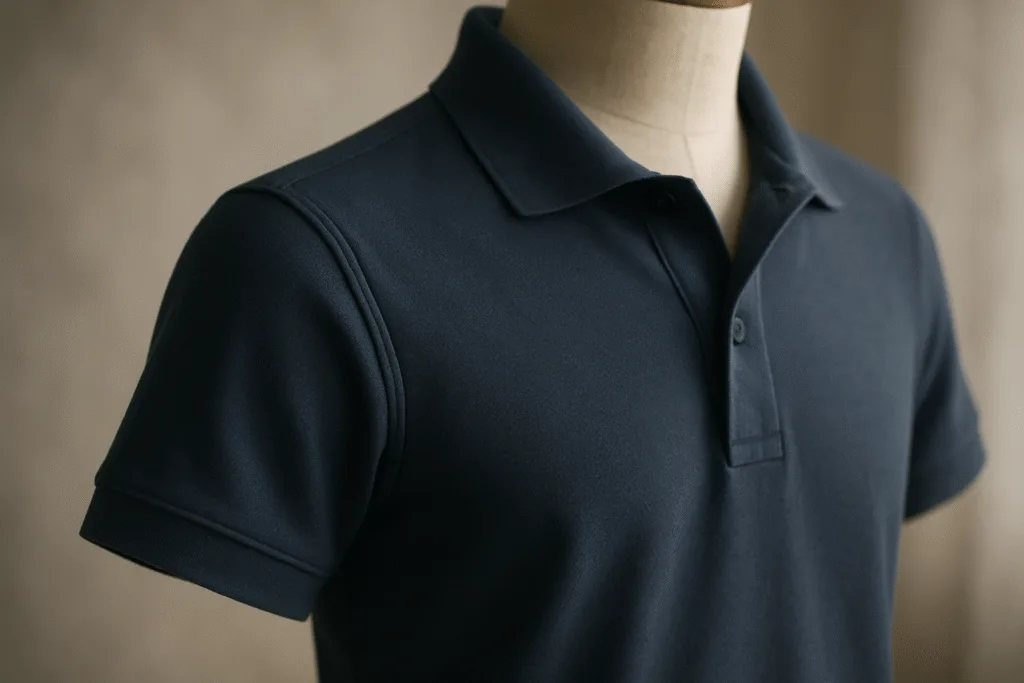
To summarize, a notch is a practical marker guiding the assembly of garment pieces. Whether in high-speed factory lines or home sewing rooms, learning the correct pattern notch meaning and executing reliable sewing notch placement ensures your garments are accurately constructed, comfortable, and free of visible mistakes. The difference between a smoothly finished shirt and a wonky, misaligned one? Often, it’s as simple as trusting your notches and following them precisely from fabric to final seam.
Frequently Asked Questions
What is the main purpose of a notch in sewing patterns?
A notch serves as a matching guide for pattern pieces during garment assembly, ensuring seams and edges join exactly as intended.
How are notches marked on fabric?
Notches are usually marked by making small cuts on the fabric’s edge or drawing marks with chalk or pen, transferring the pattern’s original notch positions.
What’s the difference between single and double notches?
Single notches typically indicate front positions, while double notches indicate back positions—helping to prevent assembly errors.
Can deep notches damage fabric?
Yes, cutting deep notches can weaken or fray delicate fabrics; shallow snips or chalk marks are recommended for lightweight materials.
Why do some patterns have triple notches?
Triple notches are used for marking unique points, such as pleat positions or special design features, where extra distinction is necessary.
Are notches important in both industrial and home sewing?
Absolutely—precise notching ensures pattern accuracy and seam matching in all sewing environments, professional or hobbyist.