
Introduction: Why a Sample Review Matters
For designers, knowing how to review a sample: a checklist for designers can be the difference between a successful product and costly setbacks. Reviewing samples is not just a formality—it’s a critical step that ensures the final product will meet aesthetic standards, functional needs, and user expectations. From first impressions to in-depth inspection, a structured approach prevents overlooked details and streamlines feedback for production teams.
Preparing for a Sample Review Session

Preparation lays the foundation for a successful sample review. Before diving into your evaluation, gather your approved tech pack, spec sheet, and design intent documents. If available, reference previous sample iterations for context on improvements or recurring issues. Designating a conducive space—well-lit and free of distractions—enables an effective and focused session. If multiple team members or stakeholders are involved, confirm everyone has the same documentation and objectives clear.
Visual Aesthetics: Analyzing First Impressions
Initial impressions can reveal if a sample aligns with design intent. Start by scanning the piece from various angles. Evaluate overall silhouette, harmony of line, balance of proportions, and how color and texture work together in real-world lighting. If your product will be seen in different environments, review under natural and artificial light sources. Checking for consistency with reference materials can prevent miscommunication with manufacturers or vendors.
Detailed Construction and Craftsmanship Inspection
Craftsmanship is a central pillar of any quality review. Examine sewing accuracy, seam alignment, and finishing. For apparel, touch points like hems, collars, and closures demand special attention—the tiniest flaw can indicate production risks for larger runs. If you’re evaluating metal or hard goods, look for uniformity in welds, machining, or surface treatments. Refer to metal product quality for additional guidance on critical checkpoints for industrial samples.
Color, Materials, and Trims Consistency
Colors, materials, and trims must match agreed standards. Place fabric swatches near the sample or use color chips under standard D65 lighting. Are trims, labels, buttons, or zippers the correct type and placement? Even minute mismatches can confuse end users or lead to costly reworks. Check against your size chart and standards documentation when reviewing apparel or accessories.
Fit and Measurement Accuracy
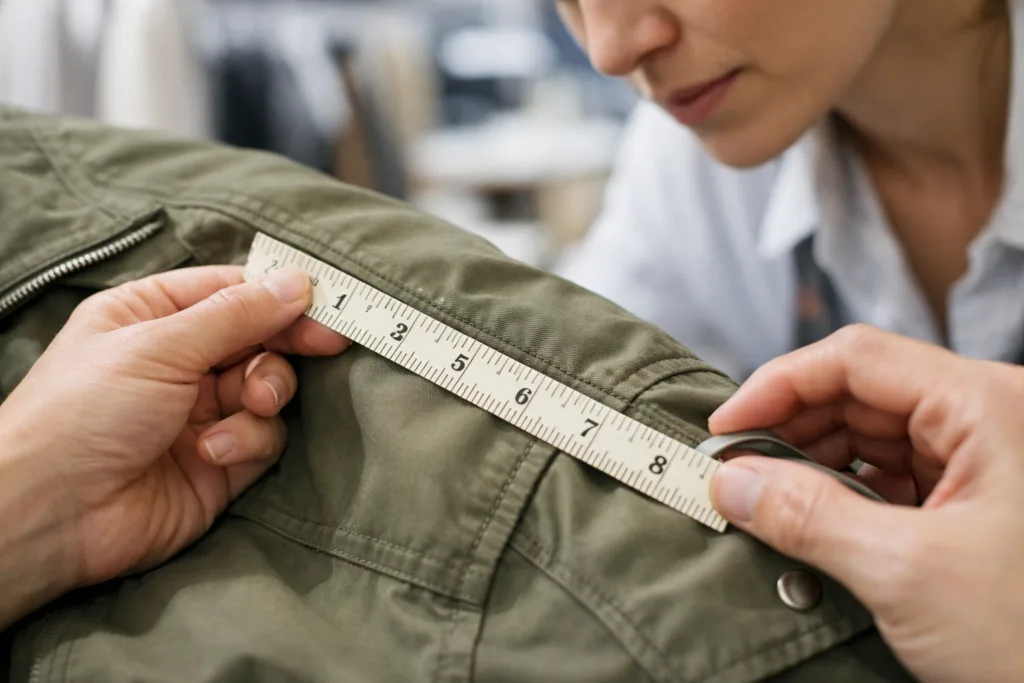
Accurate fit and measurements are non-negotiable, especially in garments or accessories. Use a measurement chart, calipers, or rulers as specified. Compare actual measurements against the spec—note any tolerance variances or asymmetry. Refer to resources on tolerance in garment measurements to determine if deviations fall within allowable limits.
Functional Testing: Does the Sample Perform?
Functionality testing addresses real-world use. Does a zipper glide smoothly? Are seams stress-resistant? For outerwear, test closures, waterproofing, or insulation. For product design, confirm that moving parts, electronics, or fastenings operate per requirements. It’s essential to simulate actual conditions—try on garments, open and close fasteners, or subject prototypes to moderate wear to uncover unexpected issues.
Ergonomics and Usability Evaluation
Does the item feel good in hand, on the body, or in its intended context? Ergonomic reviews consider everything from the drape of fabric to the grip of handles. Invite team members of different sizes to trial the sample if possible. When projects target specific demographics (children, plus-size, athletes), testing should reflect those needs—for example, consider plus size grading critical fixes in apparel.
Fabric, Material, and Surface Performance Checks
Evaluate fabric hand-feel, resilience, or finish durability. Scrunch, stretch, or rub the material slightly to see if it recovers or shows marks. For technical fabrics, check moisture-wicking, breathability, or abrasion resistance. Hard goods may require scratch, drop, or heat resistance testing. Re-test these attributes after laundering or basic cleaning, where applicable, to confirm ongoing performance.
Labeling, Branding, and Compliance
Labels, branding, and compliance marks must be in the correct position, using approved artwork and materials. Check for spelling accuracy, legibility, and secure attachment. This protects against costly mistakes and import/export delays. Cross-verify with approved tech pack references—a process detailed in many tech pack guides.
Packaging and Presentation: Final Touchpoints
How the sample arrives matters, especially for client presentations or market testing. Evaluate the box, tissue, tags, and folding. If your brand emphasizes sustainability, review the use of recyclable packaging materials. Even small presentation details can influence buyer perception and market acceptance.
Identifying and Documenting Defects
Every observation, even minor, should be recorded—blemishes, missing stitches, loose threads, wavy zippers, color inconsistencies. High-resolution photos and marked-up sketches help clarify feedback for factories. Use digital tools or annotated PDFs to pinpoint issues. For common garment issues like sleeve or zipper distortion, see relevant symmetry problem guides.
Updating Your Tech Pack After a Sampling Review
After a thorough review, any discovered issues or approved changes must be updated in the tech pack. Precise documentation prevents misinterpretation and improves factory communication. If you’re new to this process, learn how to update a tech pack after a review to avoid lapses in the next production cycle.
Feedback Methods: Team and Stakeholder Input
Collaboration refines the end product. Gather feedback from design, development, and merchandising teams. In some cases, conduct focus groups with target users. Create a rubric or checklist for everyone to ensure feedback is structured and actionable. This approach distills diverse perspectives into a clear improvement path for the final product.
Supplier Communication and Commenting
Effective sample reviews rely on precise, respectful communication with factories or vendors. Share clear, annotated feedback and avoid ambiguous phrases. Tools for writing comments and callouts to factories safeguard against misinterpretation and foster smoother revisions.
Quality Control Reference Points in Sampling
Sampling reviews often set the standard for mass production QC. Use your review documentation as a reference later. According to Apparel Wiki, consistently referencing your defect list and approved changes from samples when inspecting bulk goods can lead to higher, more predictable quality outcomes.
Types of Samples: Pre-Production, Proto, and Fit Samples
Understanding the different sample types is crucial. Proto samples check initial ideas, fit samples verify size and ergonomic intent, and pre-production samples represent near-final quality. Each review phase focuses on unique criteria—see insights on proto vs. fit sample differences to avoid confusion. Align your checklist with the specific stage of sampling to streamline feedback and corrections.
Checklist Essentials: Must-Include Points
An effective sample review checklist should cover: visual aesthetics, craftsmanship, measurements, color/materials, functional testing, labeling/branding, packaging, and documentation of all issues. Tailor the list for each project—industrial, apparel, or tech—to ensure completeness.
Collaborative Review: Running a Group Session
When reviewing as a team, assign a facilitator to moderate, ensure all voices are heard, and document differing opinions for further exploration. Rotate focus across checklist points, encouraging hands-on examination from each discipline: design, engineering, marketing, or production.
Gathering User Feedback: Target Market Insights
User testing can uncover issues unseen by designers. For fashion and apparel samples, fit sessions with live models yield actionable results. Leverage fit session and live model tips to maximize feedback relevance. For other product types, usability studies can provide similar benefits.
Performance Testing Under Stress Conditions
Don’t skip stress testing—subject the sample to realistic wear, washing cycles, or operational loads. Especially for high-usage products, this can expose failure points early and save money during mass production. Record all observations for the final QC checklist.
Checking Against Regulatory and Safety Standards
Depending on geography or product type, your sample may need to comply with safety, flammability, or labeling regulations. Double-check documentation and physically inspect the sample for correct tags, warnings, or construction features. This is critical for markets such as children’s apparel or electronics.
Finalizing Sample Approval or Rejection
Based on your checklist and collective feedback, decide to approve, approve with comments, or reject the sample. Record the decision formally, with signatures or digital acknowledgment if needed. Never proceed to production with unresolved critical issues—you could be inviting mass manufacturing headaches.
Archiving and Versioning: Keeping Accurate Records
After a sample review, archive all documents—photos, updated tech packs, annotated sheets—and record which version was submitted to the factory. Use clear naming conventions for files and samples. This organized system reduces confusion if questions arise later and supports stronger quality management systems.
Common Pitfalls in Sample Reviews (and How to Avoid Them)
Many teams fall into the trap of not using a written checklist, skipping physical measurements, or neglecting to test usability. Also, failing to involve the target user or not updating tech packs can cause downstream errors. Keep communication lines open with your supplier and use each review phase to capture learnings for future projects.
How to Review a Sample: A Checklist for Designers
Reviewing a sample smartly isn’t guesswork—follow this core checklist:
- Review visual aesthetics: color, silhouette, proportion
- Inspect all construction details: seams, finishes, trims
- Check measurement accuracy and fitting
- Test usability and all functional aspects as intended
- Evaluate print quality, fabric/trim placement, hardware
- Verify labeling, branding, tags
- Assess packaging and presentation
- Document all findings (photos, notes, annotations)
- Update the tech pack with noted corrections
- Gather and consolidate all team/user feedback
- Confirm compliance with standards and regulations
- Archive and communicate decisions clearly with suppliers
Adhering to this sample review checklist helps designers ensure their vision is precisely realized in production, improving final product quality and minimizing costly mistakes.
Conclusion: Streamlining Sample Reviews for Success

Conducting a systematic sample review is one of the most potent quality assurance steps in design and manufacturing. By focusing on visual aesthetics, craftsmanship, measurements, functionality, and feedback, designers can optimize both creative outcomes and operational efficiency. Consistent documentation and supplier communication cement these benefits. Improve every stage by integrating these lessons into checklists tailored for your field—and always remember, no detail is too small to check. As expectations for quality and speed rise in the industry, a rigorous review process is more crucial than ever.
Frequently Asked Questions
What is the main purpose of reviewing a product sample?
Reviewing a product sample ensures the final design meets intended quality, function, and appearance, preventing costly production errors or user dissatisfaction.
How detailed should a designer’s sample checklist be?
A checklist should be comprehensive, covering aesthetics, construction, fit, functionality, branding, and compliance to ensure no aspect is overlooked.
When is the best time to involve users in the sample review?
Ideally, involve users after technical checks, so their feedback focuses on comfort, fit, usability, and appeal rather than structural or safety issues.
How do you record and communicate sample defects?
Document defects using annotated photos, written notes, and formal sample review forms to provide clear, actionable feedback to suppliers or manufacturers.
What happens if a sample is rejected?
A rejected sample prompts the supplier to address the feedback, make corrections, and submit a revised sample before production approval.
Why is updating the tech pack after sampling reviews important?
Updating the tech pack ensures all corrections and approvals are formally recorded, minimizing miscommunication and supporting consistent production results.
Related Reading
- 10 Critical Steps to Updating a Tech Pack After Sampling Reviews
- Master Proto Sample vs. Fit Sample: Practical Differences Explained
- 7 Ways Professional Samples Safeguard Product Quality Before Mass Production
- 10 Insider Tips for Conducting Fit Sessions With Real Models
- Solving Sleeve & Garment Symmetry Problems: Real-World Approaches
- 18 Game-Changing Techniques for Factory Communication Through Comments and Callouts