Introduction: The Rise of Future Fibers
As the world grows more aware of environmental challenges, the textile industry is rapidly embracing bio-based fibers and sustainable textiles. Innovative materials like pineapple leaf fiber, mushroom-derived mycelium, and lab-engineered spider silk are redefining what it means to produce eco-friendly fabrics. In this article, we dive deep into these game-changing fibers, revealing their origins, manufacturing processes, environmental impact, and transformative potential for apparel and industry.
Pineapple Fiber: Turning Agricultural Waste into Textile Treasure
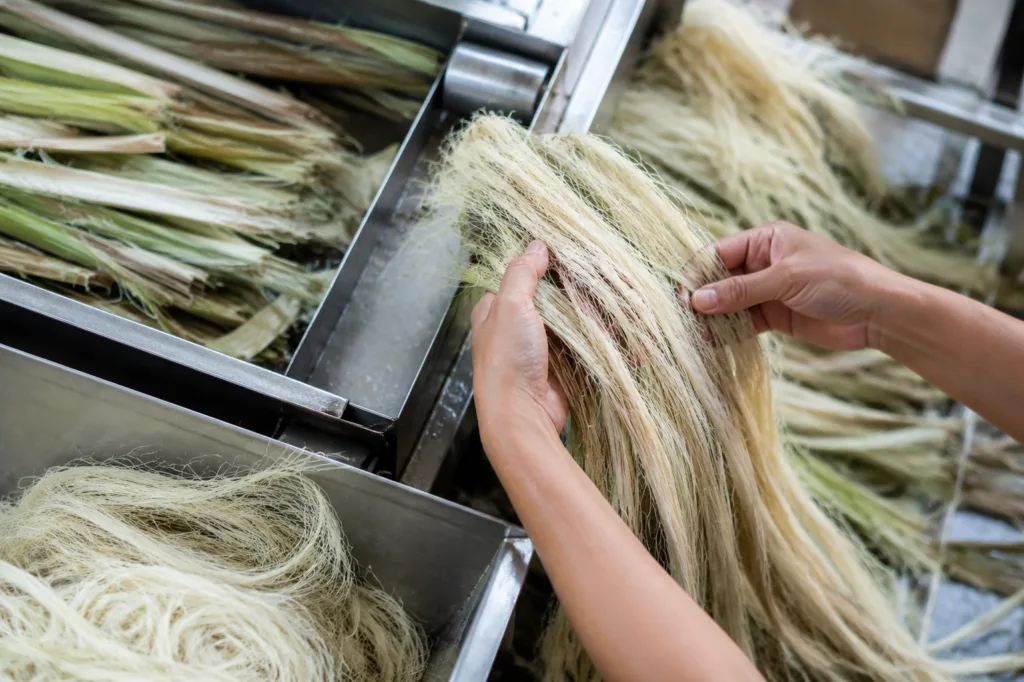
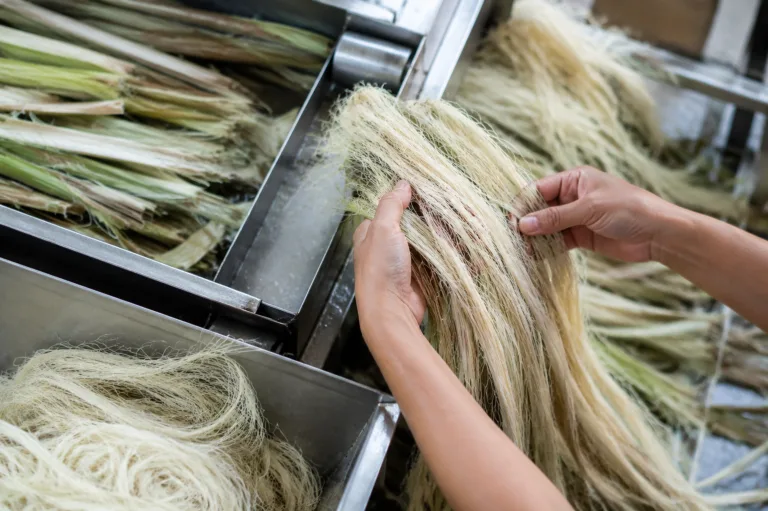
Pineapple fiber, often referred to as Piñatex, is extracted from the long leaves of the pineapple plant—a common agricultural byproduct. The process involves stripping, washing, and drying the fibers before turning them into a non-woven mesh that mimics the look and feel of leather. This upcycling approach not only reduces waste but provides farmers with economic incentives beyond fruit production.
The Extraction and Processing of Pineapple Leaf Fiber
The process typically follows these steps:
- Gathering pineapple leaves after harvest
- Mechanical decortication to separate fibers
- Washing and sun-drying fibers naturally
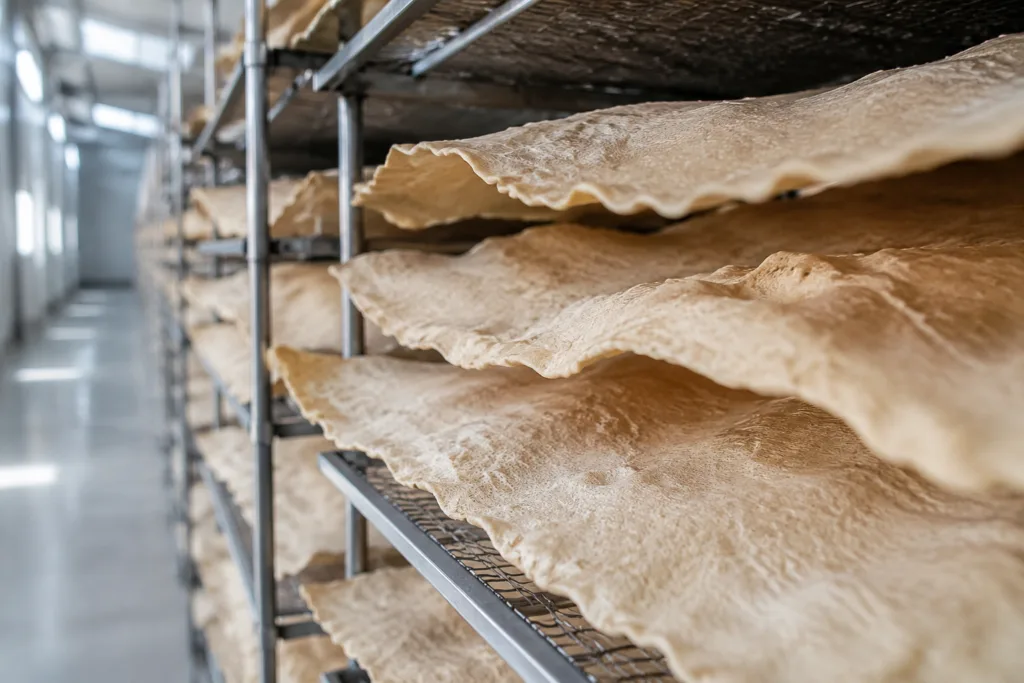
- Carding and felting into a textile substrate
This low-impact method eliminates the need for chemical treatments common in synthetic textiles.
Environmental and Social Benefits of Pineapple Fiber
Pineapple fiber production offers significant sustainability gains. By using agricultural waste, it conserves resources and reduces pressure on landfills. Its biodegradable nature also means products won’t linger as microplastic pollutants—a topic you can read more about in our analysis of microfibers and pollution. Socially, pineapple fiber provides supplementary income for pineapple farming communities, enabling economic growth in rural areas.
Pineapple Fiber Applications in Fashion and Beyond
From vegan leather accessories and footwear to fashion staples and even automotive upholstery, Piñatex is winning over designers focused on sustainability. Its strength and supple texture offer versatility while keeping the supply chain green.
Mushroom Mycelium: The Underground Revolution in Textiles
Mushroom-based textiles, generally made from mycelium, are transforming the discourse on cellulosic and bio-derived fibers. Mycelium forms the root structure of fungi, growing naturally into dense mats. When cultivated under controlled conditions, it yields a durable, leather-like material with excellent breathability.
How Is Mushroom Mycelium Grown for Textiles?
Textile-grade mycelium is produced by feeding specific fungal strains with plant-based substrates. In a few weeks, the mycelium grows into a thick layer, which is then compressed, tanned (using eco-friendly agents), and finished for use.
- Controlled indoor farming reduces reliance on arable land
- Process uses less water and energy
- Adaptable to different textures and finishes
Mushroom-Based Materials and Their Environmental Advantages
Mushroom materials are naturally biodegradable. Their production emits far fewer greenhouse gases compared to leather or synthetic alternatives, fitting the profile of truly sustainable textiles. They also sidestep issues surrounding animal welfare and toxic chemicals in traditional tanning.
Design Opportunities with Mushroom Textiles
The unique look and feel of mycelium fabrics are attracting attention from high-end fashion houses and innovative product designers. Shoes, wallets, outerwear, and furniture are now emerging categories where mushroom textiles offer both aesthetic value and eco-friendly credentials.
Spider Silk: Nature’s Blueprint for the Future of Fiber Science
Spider silk—one of nature’s strongest and most adaptable fibers—has long inspired scientists. Today, thanks to breakthroughs in biotechnology, it’s possible to generate spider silk proteins in labs using yeast, bacteria, or even plants as “biofactories.” These proteins are then spun into ultra-fine, high-performance threads.
Lab-Grown Spider Silk: The Science and Promise
The key advancements include:
- Recombinant DNA technology to produce silk proteins at scale
- Wet spinning or electrospinning to create continuous filaments
- Engineering properties such as strength, flexibility, and lightweight resilience
The resulting fibers are incredibly strong, rivaling the best synthetics, but remain completely biodegradable.
Real-World Applications for Spider Silk
Spider silk holds potential for performance wear, medical sutures, biodegradable fishing lines, and even advanced composites. It’s also emerging as a benchmark for next-generation alternatives to both natural and synthetic fibers, especially in sectors demanding durability without sacrificing environmental performance.
Comparing Future Fibers: Performance Meets Sustainability
| Fiber Type | Source | Key Benefit | Main Application |
|---|---|---|---|
| Pineapple Fiber | Pineapple Leaves | Waste upcycling, vegan leather | Fashion, accessories, interiors |
| Mushroom Mycelium | Fungal Mycelium | Rapid renewability, unique textures | Apparel, shoes, furniture |
| Spider Silk | Lab-grown proteins | Strength, lightweight, fully biodegradable | Performance wear, medical uses |
How These Bio-Based Fibers Reduce Environmental Impact
Unlike conventional polyester or even cotton, these future fibers have a much smaller ecological footprint. They:
- Lower the dependency on petroleum and water
- Eliminate harmful chemicals traditionally used in processing
- Reduce waste through compostable or recyclable end-of-life options
For readers interested in further minimizing impact, considering mono-material design strategies is also worthwhile.
Supply Chain Considerations and Scalability
Adopting future fibers poses unique logistics questions. While pineapple and mushroom-based textiles harness agricultural and renewable feedstocks, scaling production to match conventional textiles will require investment, regulatory clarity, and cross-industry partnerships. Apparel Wiki recommends tracking advances in both sourcing and sustainable supply chain management, especially as these materials move from niche to mainstream.
Consumer Perceptions and Adoption Challenges
Consumers are increasingly eco-conscious, but questions around price, longevity, and tactile feel of new fibers linger. As more designers embrace bio-based fibers, transparent labeling, such as sustainable labeling, will help shoppers make informed decisions.
Future Fibers: Pineapple, Mushroom, and Spider Silk.
These innovative fibers hold promise for making both the fashion industry and industrial sectors vastly more sustainable. Innovations in extraction, processing, and finishing are making them more accessible every year. Curiosity and demand from consumers and brands will accelerate research—shaping textile technology for years to come. For those interested in more traditional fibers, you can explore significant differences in bast fibers like linen, hemp, and ramie as well.
Future Directions: Blends, Composites, and Smart Applications
Researchers are actively experimenting with blending these new fibers with familiar materials to combine the best properties of each. This paves the way for hybrid textiles with unique hand feel, improved durability, and enhanced functionality. Recent collaborations show potential in technical apparel, next-gen activewear, and medical textiles.
Certifications and Verifying Sustainability Claims
Independent certifications and standards are essential to verifying material claims and combating greenwashing. Look for labels such as Cradle to Cradle, Global Organic Textile Standard (GOTS), or similar eco-design certifications that signal rigorous environmental stewardship.
Design and Production Challenges in Adopting Future Fibers
While these materials offer environmental benefits, designers and manufacturers must address differences in machinability, dye uptake, and durability. Early adopters are also learning to rethink pattern cutting and finishing, as covered in strategies for zero-waste pattern cutting and sustainable apparel production.
How Apparel Wiki Evaluates Future Fibers
At Apparel Wiki, our editorial team benchmarks new bio-based fibers using factors like supply consistency, production lead times, true biodegradability, cost, consumer acceptance, and regulatory compliance. The aim is to bridge fiber science with real-world apparel manufacturing considerations—reducing confusion for designers, product developers, and buyers alike.
Looking Ahead: Will Bio-Based Fibers Define the Textile Industry?
Bio-based fibers like pineapple, mushroom, and spider silk have sparked global interest for their sustainability and versatility. While challenges remain in scaling production and consumer acceptance, ongoing innovation signals a bright future where textiles work in harmony with our planet rather than against it.
Encouraging Sustainable Choices in Apparel

The next time you shop or design, consider the cascading impact of your material choices. Embracing sustainable, bio-based textiles supports ecosystem health, uplifts communities, and helps drive the entire industry toward greener pathways. The age of future fibers is just beginning—be part of the movement.
Frequently Asked Questions
What are bio-based fibers, and how do they differ from synthetic ones?
Bio-based fibers are derived from renewable biological sources such as plants, fungi, or lab-engineered proteins, while synthetic fibers are made from petrochemicals. Bio-based options are generally biodegradable and have a much lower environmental impact.
Is pineapple fiber as strong and durable as traditional textiles?
Pineapple fiber is highly durable for non-woven applications like vegan leather and accessories, though it isn’t as strong as synthetics or some traditional woven fibers in every context.
Are mushroom-based textiles completely biodegradable?
Yes, mushroom mycelium textiles readily biodegrade under composting conditions, making them an excellent choice for reducing long-term waste.
What makes spider silk special compared to regular silk?
Spider silk boasts superior tensile strength, flexibility, and lightness compared to traditional silkworm silk, and can be engineered for specific applications through modern biotechnology.
How soon will these future fibers become widely available in stores?
While some, like pineapple fiber, are already on the market, widespread adoption of mushroom and spider silk textiles will require several more years of research, scale-up, and investment.
Can consumers identify authentic sustainable textiles easily?
Look for globally recognized eco-certifications and transparent labeling on products, which signal credible sourcing and manufacturing standards.
Related Reading
- Sustainable Cellulosic Fibers: Innovations for a Greener Wardrobe
- Unlock Linen, Hemp, and Ramie: Nature’s Versatile Textiles
- Smart Choices: Comparing Natural and Synthetic Fibers in Apparel
- Microfiber Pollution: What Designers and Brands Need to Know Now
- Sustainable Labeling: Decoding Recycled and Organic Apparel Claims
- Transforming Fashion: Zero Waste Pattern Cutting Techniques Explained