Introduction: Understanding Natural vs. Synthetic Fibers
Choosing the right fabric impacts everything from comfort to sustainability. Most textiles today fall into two main categories: natural fibers and synthetic fibers. This complete comparison uncovers the fundamental differences between natural fibers, such as cotton and wool, and synthetic fibers, like polyester and nylon. We’ll investigate their unique properties, maintenance needs, durability, environmental effects, and ideal uses for everything from apparel to industry. If you’ve ever wondered how your choice affects both your experience and the planet, this guide offers the clarity you need on natural vs. synthetic fibers.
What Are Natural Fibers?
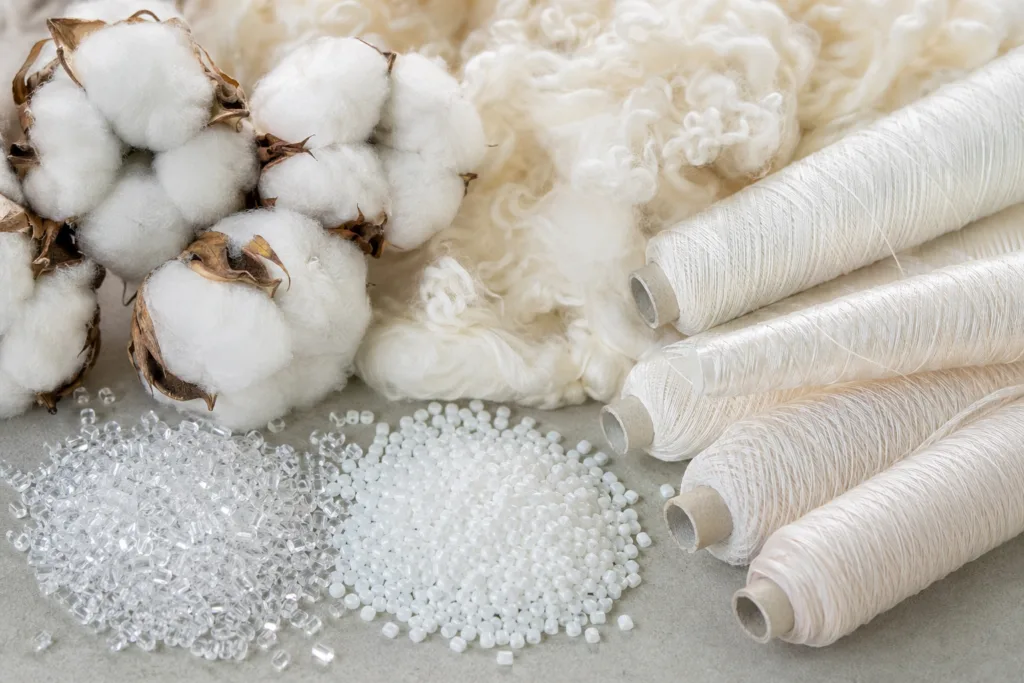
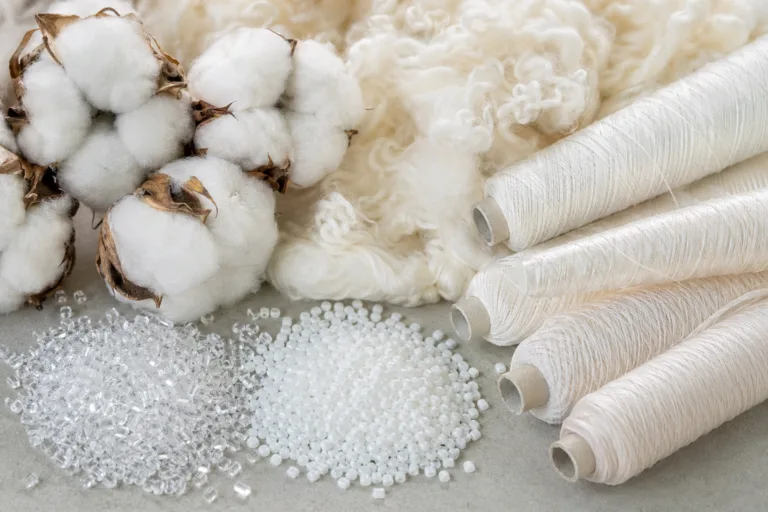
Natural fibers are materials sourced directly from plants or animals. These include cotton, linen, wool, silk, and others. The fibers are harvested, cleaned, and processed with minimal use of chemicals, maintaining their inherent qualities. Natural fibers have been used for thousands of years in weaving fabrics and making garments.
Major Types of Natural Fibers
- Cotton – Derived from the cotton plant, popular for soft, breathable fabrics.
- Wool – Sourced from sheep and certain animals, excellent for warmth and insulation.
- Linen – Comes from the flax plant, known for coolness and strength.
- Silk – Produced by silkworms, prized for luster and smoothness.
What Are Synthetic Fibers?
Synthetic fibers are human-made, often from petroleum-based chemicals. Common synthetic fibers include polyester, nylon, acrylic, and spandex. Invented in the 20th century, these fibers are engineered to deliver specific performance traits, like high strength, elasticity, and colorfastness.
Major Types of Synthetic Fibers
- Polyester – The most widely used, valued for durability and low maintenance.
- Nylon – Renowned for elasticity and resistance to abrasion.
- Acrylic – Offers wool-like softness at a lower cost.
- Spandex (Lycra/Elastane) – Extraordinary stretch and recovery, ideal for sportswear.
Raw Material Sources and Production
Natural fibers are harvested from renewable agricultural sources, while synthetic fibers stem from processed petrochemicals. For instance, cotton relies on soil and climate, whereas polyester is created by polymerizing purified terephthalic acid and ethylene glycol. This foundational difference influences cost, scalability, and impact on resources throughout the supply chain.
Fiber Structure and Properties
The microscopic structure of each fiber impacts its feel, performance, and longevity. Natural fibers exhibit irregular cross-sections and varying lengths, which contribute to breathability and softness. Synthetic fibers are designed for uniformity, enabling engineers to tailor diameter, crimp, and surface texture to end-use requirements.
Physical Characteristics: Feel, Appearance, & Comfort
Natural fibers tend to provide a softer, more comfortable feel, absorbing moisture and allowing air flow. For example, cotton is gentle against the skin, and wool can insulate without overheating. Synthetic fibers, by contrast, may feel smoother or even slightly coarse but excel at wicking and rapid drying—often preferred in athletic wear. Advances in fiber spinning allow synthetics to closely mimic natural feel and even appearance in many cases.
Performance Attributes: Strength, Resilience, & Flexibility
When it comes to durability and resilience, synthetic fibers typically outperform natural alternatives. Polyamides (nylon) are especially strong and elastic, making them suitable for high-performance applications like outerwear or ropes. Natural fibers are more prone to wear, tear, and biological degradation but offer sufficient strength for everyday garments and home textiles.
Moisture Management and Breathability
A key deciding factor for many users is moisture behavior. Natural fibers like cotton and linen absorb sweat but take time to dry, promoting comfort in hot, dry climates. Synthetic fibers generally wick moisture away from skin and dry quickly—ideal for high-intensity sports or humid environments, though they sometimes trap odors.
Thermal Retention and Insulation
Wool and down (natural fibers) are noted for their excellent insulation, trapping air within their matrix. Synthetics such as polyester fleece can be engineered for comparable warmth with lighter weight or enhanced loft, useful for activewear and cold climates. Apparel Wiki notes that blending both fiber types is common in modern apparel to balance comfort and technical performance.
Colorfastness and Dyeing
Natural fibers generally require more energy and water for dyeing, with some (like cotton) fading faster under UV or repeated washing. Synthetics, especially polyester, absorb color through heat-set processes, achieving stronger, longer-lasting shades. For manufacturers, this reduces post-purchase complaints about color migration or fading.
Main Applications Across Industries
Both natural and synthetic fibers play vital roles across apparel, home textiles, automotive, and industrial applications. Natural fibers dominate basics like T-shirts or bedding, valued for comfort and softness. Synthetics rule in technical gear, swimwear, upholstery, and anywhere high performance or cost-efficiency is crucial.
Cost Comparison: Raw Fiber to Finished Good
Synthetic fibers often win on price, benefiting from scale and predictable production costs. Cotton or wool prices may fluctuate dramatically based on harvest quality, weather, and global demand, whereas polyester is less volatile. However, organic and specialty synthetics command premium pricing due to certification, R&D, and sustainability investments.
Maintenance and Care: Ease vs. Attention
Garments made from synthetic fibers are typically machine washable, quick to dry, and wrinkle-resistant. Natural fiber apparel, such as linen shirts or wool sweaters, may need gentle washing, air drying, or even professional cleaning. This distinction affects the total cost of ownership and convenience for end users.
Durability and Longevity in Use
Synthetics can withstand more wash cycles without breaking down or losing structure. Still, natural fibers can last for many years with proper care, developing a patina or softening over time. In applications requiring rugged endurance (backpacks, industrial tarps), synthetics are favored, while heirloom textiles and luxury wear often rely on natural material charm and authenticity.
Environmental Impact: Eco-Friendliness
The environmental picture is complex. Natural fibers are biodegradable and renewable, but their cultivation (especially cotton) demands substantial water and may involve heavy pesticide use. Synthetics require less land but are derived from nonrenewable resources and contribute to microplastic pollution. Eco-labels, recycled polyester, and organic cotton help consumers make sharper environmental decisions—a topic explored in our Sustainable Labeling: Recycled Polyester and Organic Cotton guide.
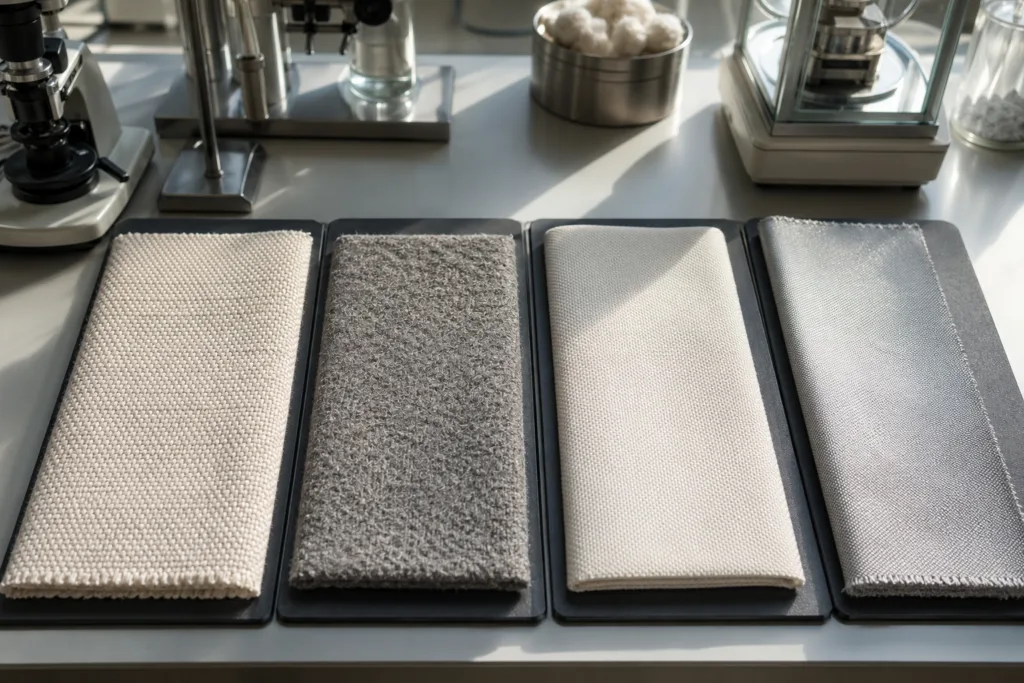
Comparing Common Materials: Cotton, Wool, Polyester, Nylon
| Property | Cotton | Wool | Polyester | Nylon |
|---|---|---|---|---|
| Source | Plant | Animal | Chemical | Chemical |
| Feel | Soft, breathable | Insulating, can itch | Silky, smooth | Slick, strong |
| Moisture | Highly absorbent | Wicks, insulates | Wicks, fast-dry | Wicks, quick-dry |
| Durability | Moderate | High (with care) | Very high | Very high |
| Sustainability | Biodegradable, water-intense | Renewable, methane impact | Recyclable options, microplastics | Long-lasting, not biodegradable |
Sustainability Innovations: Organic & Recycled Options
Eco-conscious sourcing is gaining traction. Organic cotton reduces chemical use, while recycled polyester (rPET) transforms PET bottles into new fibers. Several brands now offer full traceability, and certifications like GOTS (organic) or Global Recycled Standard (synthetic) assure transparency. Apparel Wiki examines the full benefits in its Eco-Design Certification guide.
Lifecycle Analysis: Biodegradability and End-of-Life Outcomes
Natural fibers decompose under typical landfill or composting conditions, integrating back into the environment. Synthetics may persist for decades or centuries unless recycled or incinerated. Some emerging synthetics are now compostable, but large-scale adoption is still emerging.
Comfort and Allergen Considerations
Natural fibers are frequently recommended for sensitive skin, thanks to their lower likelihood of causing irritation. Synthetics may benefit allergy sufferers by being less hospitable to dust mites and mold, especially in bedding and upholstery.
Design Versatility and Manufacturing
Synthetics offer near-limitless options for manipulating texture, stretch, and performance (e.g., waterproof coatings or UV resistance). Natural fibers present constraints, but skilled designers leverage them for timeless aesthetics and tactile experiences—a fundamental consideration during design and product development planning.
Regulatory and Labeling Differences
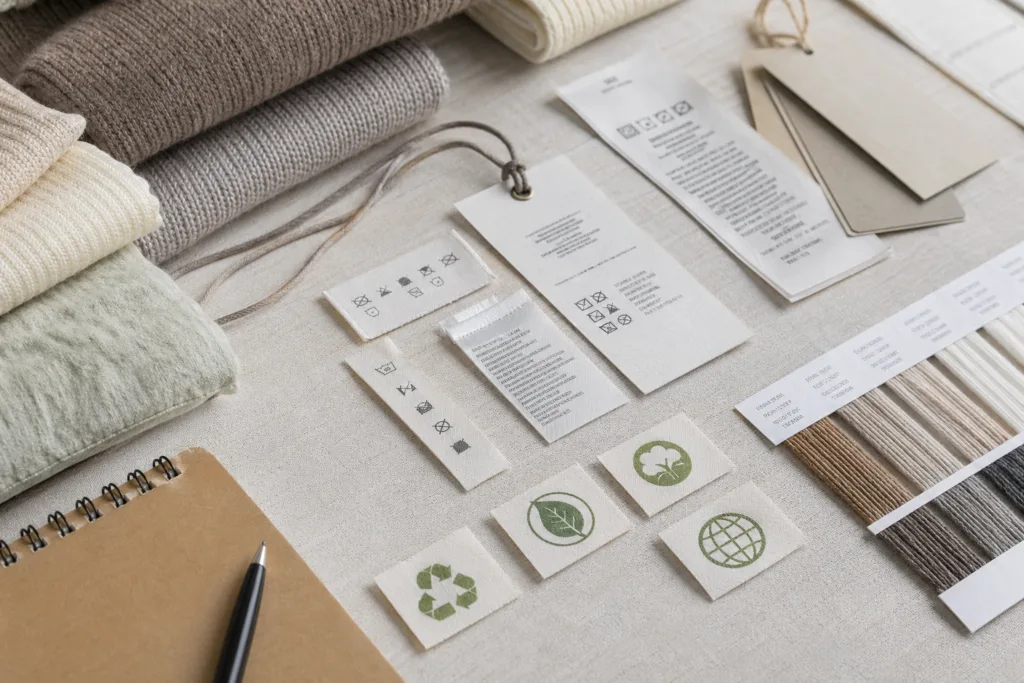
Global labeling laws often require clear fiber content disclosure, and some regions restrict claims about biodegradability or organic content. Staying up to date with care label requirements and laws prevents costly compliance mistakes for brands and importers.
How to Choose: Decision Factors for Brands & Consumers
- Budget: Synthetics often cost less but may have hidden social/environmental costs.
- Performance Needs: Consider moisture, stretch, and durability demands.
- Care Habits: Prefer wrinkle-resistance or easy washing? Synthetics are simpler.
- Ethics/Sustainability: Seek certifications and traceability records where available.
- End Use: Select for activity, climate, and feel—cotton suits summer shirts, nylon serves hiking gear.
Case Studies: Apparel, Technical, and Home Uses
For T-shirts, natural fibers like cotton dominate, but the rise of athleisure blends reflects a demand for stretch and easy care. Technical jackets use nylon shells with synthetic insulation, prioritizing weight and performance. In home textiles, blended sheets balance comfort and lifespan. These choices echo across supply chains and impact the whole product lifecycle.
Apparel Industry Trends: Blends and Next-Gen Fibers
Few modern garments are exclusively natural or synthetic. Blends (e.g., poly-cotton) combine the best of both worlds, optimizing cost, wearability, and performance. New fiber technologies—like bio-based or cellulosic alternatives (e.g., TENCEL, modal)—are rapidly reshaping the industry’s approach to fast versus slow fashion production timelines.
Natural vs. Synthetic Fibers: A Complete Comparison
This section combines the core findings from every topic above in one side-by-side summary. Natural fibers excel in comfort, breathability, and eco-friendliness (when sustainably grown or sourced), while synthetics win on cost, durability, and technical attributes. Both categories have distinct strengths, and well-informed decisions start with clarity about priorities and use context.
Conclusion: Making Informed Fiber Choices
Natural and synthetic fibers both hold powerful advantages when chosen for the right application. Think beyond cost—factor in comfort, care, ethics, and end-of-life impact. Innovations like recycled synthetics and certified organic fibers prove that sustainable progress is possible. With the tools in this guide, you can match the right fiber to your needs—and support smarter, more responsible options for both your business and the planet.
Frequently Asked Questions
What is the main difference between natural and synthetic fibers?
Natural fibers come from plants or animals and are biodegradable, while synthetic fibers are man-made from chemicals and offer more uniformity and durability.
Which fibers are better for sensitive skin?
Natural fibers like cotton and silk are generally gentler on sensitive skin, offering softness and better moisture management.
Are synthetics always cheaper than natural fibers?
Not always. While synthetics are usually less expensive due to scalable production, specialty or eco-certified synthetics can be more costly than common natural fibers.
How do natural and synthetic fibers impact the environment?
Natural fibers are renewable and biodegradable but may need lots of water and land. Synthetics save resources but produce plastic waste and consume fossil fuels.
Is it better to choose blended fabrics?
Blended fabrics often combine strengths of both worlds, balancing cost, comfort, durability, and specialized performance features.
How can I verify sustainability claims for a fabric?
Look for recognized certifications like GOTS, OEKO-TEX, or the Global Recycled Standard to ensure traceability and eco-friendly production practices.
Related Reading
- How Sustainable Labeling Changes the Game for Eco-Focused Brands
- The Surprising Realities of Fast Fashion vs. Slow Fashion Timelines
- 8 Key Benefits of Eco-Design Certification for Apparel Innovation
- Care Label Laws Explained: Simple Guide for US, UK, and EU Brands
- Get Ahead: When and How to Start Designing for Next Season’s Collection