Introduction: Timing Is Everything in Fashion Design & Collection Planning
In fashion design, few questions impact your bottom line and creativity as much as, “When to start designing for next year’s collection?” The answer isn’t simply “as early as possible.” Instead, it’s about leveraging research, industry timing, and strategic planning. In this guide, we break down each phase—from researching trends to final tweaks—so you can confidently create a collection that’s both timely and market-ready.
The Fashion Calendar: Why Start Early?
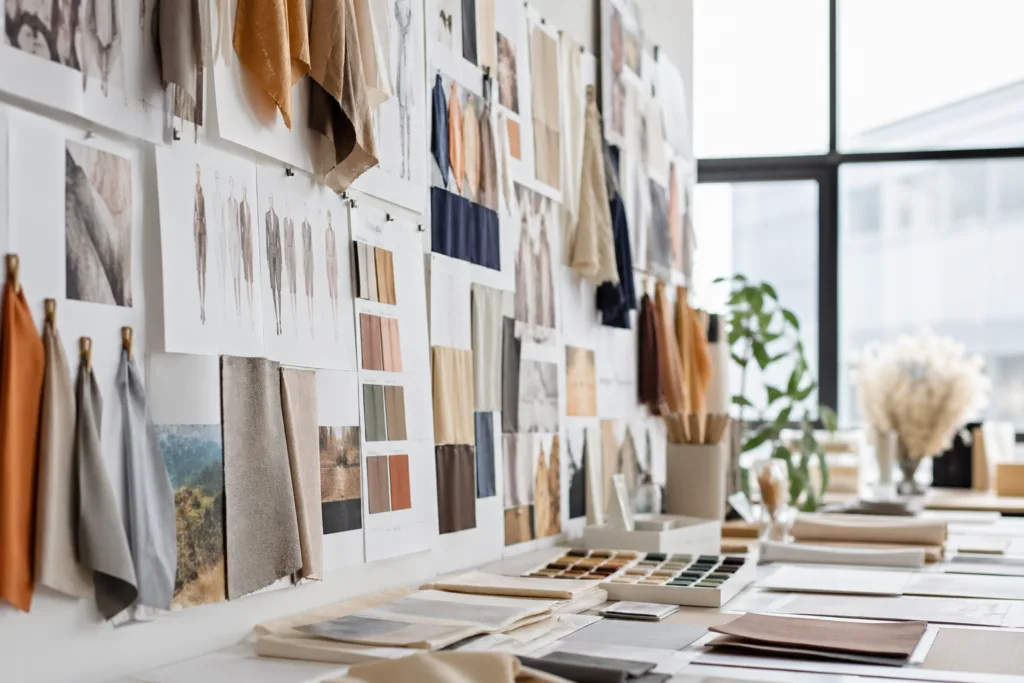
Understanding the fashion calendar is essential for successful Fashion Design, Collection Planning. Most well-known brands work at least 12-18 months ahead, aligning creation with market demands and critical sales windows. A clear timeline gives you flexibility and enough space for revisions.
Breaking Down the Collection Development Timeline
Building your next collection isn’t a single sprint—it’s a marathon made up of research, ideation, development, refinement, and finalization. Each stage requires dedicated time blocks to avoid rushed decisions or overlooked details.
Research & Trend Forecasting: Your Foundation
Begin by gathering intel on industry trends, trade shows, competitor moves, and consumer behavior. Effective trend analysis keeps your ideas modern and relevant, maximizing commercial appeal. Aim to start this phase 16 to 18 months in advance of your target launch date.
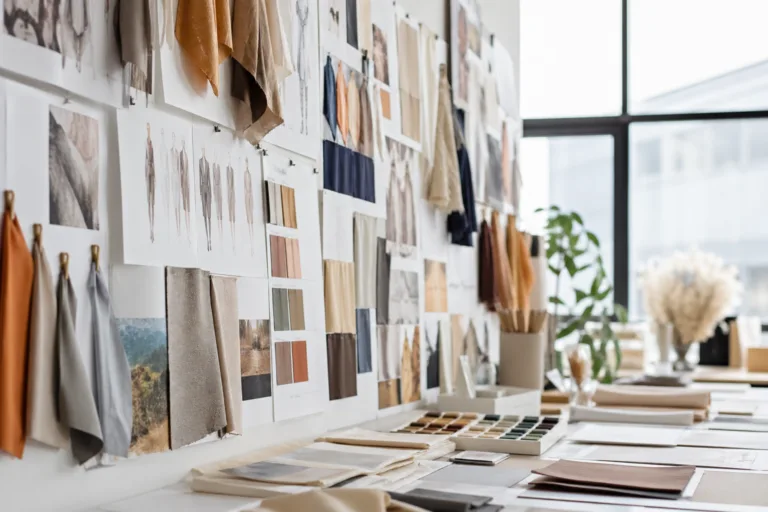
Setting Your Creative Direction & Mood Boards
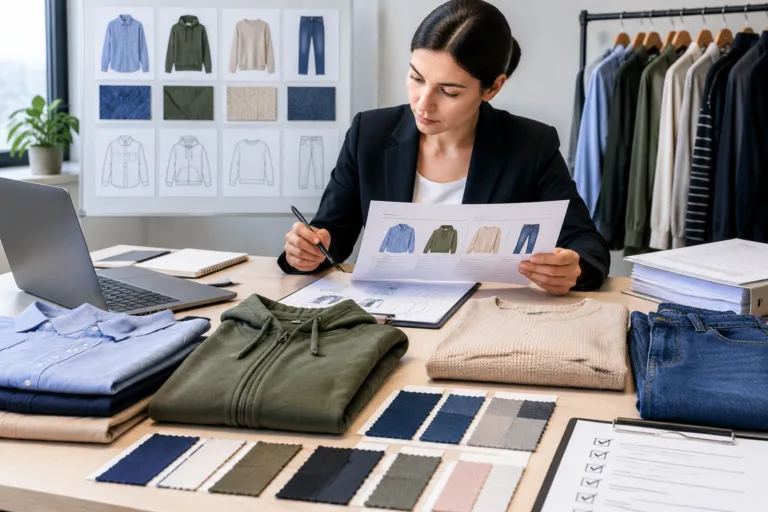
Combine your research into clear creative guidelines and mood boards. These will steer your design language, color palettes, and material choices. Allow at least four to six weeks for this process, ensuring a cohesive starting point for your entire team.
Building the Ideation & Concept Phase
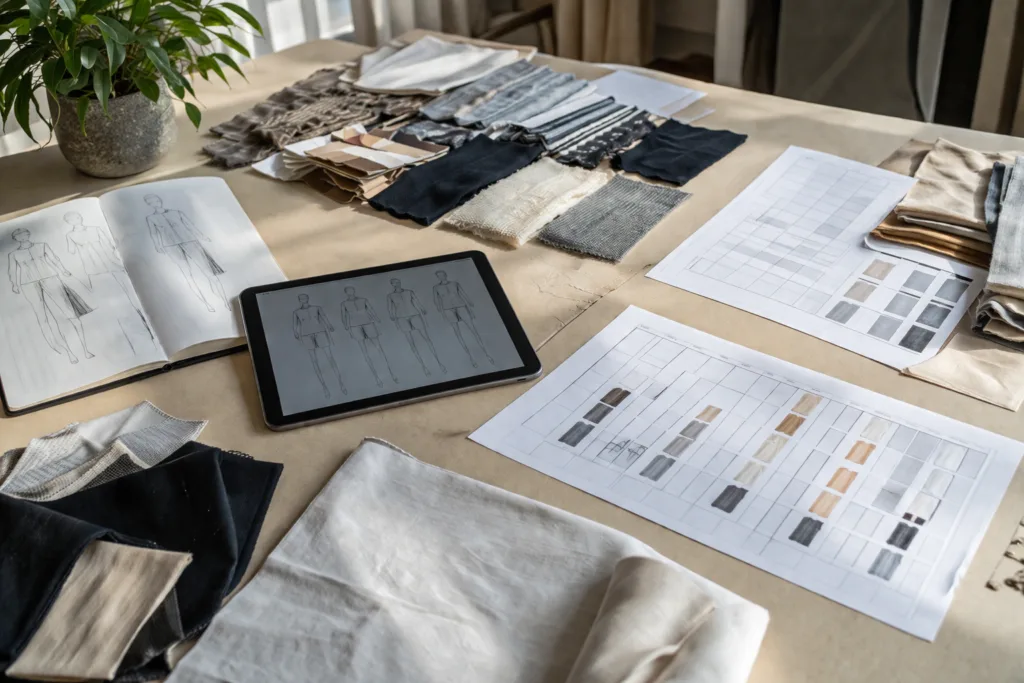
Now, sketch initial concepts, test out silhouettes, and experiment with new techniques. This is also the best time to consult reference resources—such as Developing Fashion Calendar SS & FW Collections—to ensure your planning aligns with seasonality and key deadlines.
Material Sourcing & Fabric Selection
Contact suppliers early! Sourcing unique or sustainable materials often dictates your lead times. Secure samples, get lab dips, and test new textiles well ahead to avoid unwanted surprises further down the line.
Prototyping & Sample Development
This stage typically overlaps with refinement. Set aside 10-14 weeks for pattern making, initial sampling, and iterative feedback. Address fit, construction, and cost issues proactively for smoother production later.
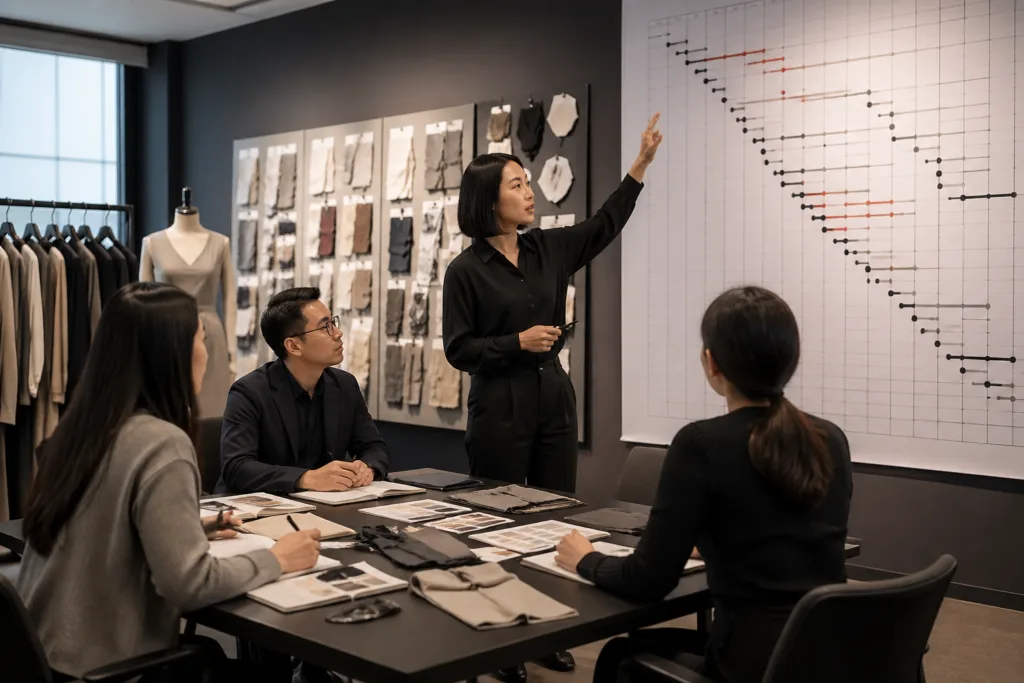
Critical Path & Milestone Planning
Use milestone tools to map every key deadline, from first proto to bulk approval. Consider leveraging project management resources such as Trello & Asana for Fashion Brands to stay on track and prevent bottlenecks.
Review, Refinement, and Feedback Loops
Plan feedback sessions with colleagues, stakeholders, and—if possible—potential buyers. Gathering multiple perspectives helps you fine-tune both wow factor and manufacturability.
Finalizing Designs & Tech Packs
Once the collection gets sign-off, transition into creating detailed technical packs and bills of materials. For best results, reference guides like BOM Error Prevention to avoid hiccups at the factory stage.
Sample Approvals & Pre-Production
Schedule adequate buffer time for pre-production approval, unexpected revisions, or last-minute fixes. Missing this window can derail your production schedule and market entry.
Planning for Production Lead Times
Always factor in standard lead times for fabric, trims, and manufacturing. For example, Standard Lead Times for Fabric, Sampling, and Bulk can range from 2–4 weeks for materials to 8+ weeks for full production runs.
Buffer Time: Preventing Costly Delays
Building in at least 2-3 weeks of buffer time helps you respond to production hiccups, sample revisions, or logistical hang-ups. A more detailed primer is available in How Buffer Time Saves Your Project.
Internal & External Line Reviews
Test your collection virtually or physically. Internal reviews align the team, while external feedback from trusted retailers or brand advisors checks market readiness. Both are invaluable for spotting last-minute improvements.
Collection Merchandising & Launch Planning
Work with sales and marketing to package your collection for maximum impact. This involves pricing strategy, storytelling, and channel planning—well before the physical launch.
The Importance of Data from Past Collections
Always analyze what worked (and what didn’t) in last year’s collection. Use this data to adjust timelines, refine product mix, or update fit and construction specs for greater success.
When to Involve Stakeholders & Cross-Functional Teams
Invite collaboration early—from sourcing, production, and sales. Early input helps flag feasibility issues and keeps your timeline on track.
Key Pitfalls That Derail Collection Timing
Avoid skipping research, shortening sample time, and neglecting feedback. Rushed collections often result in quality issues or costly production delays.
The Value of Digital Workflows
Platforms like digital 3D modeling and virtual sampling can help you visualize, test, and share designs remotely. This can dramatically compress timelines, but always plan for a learning curve.
Special Considerations for Fast Fashion vs. Slow Fashion
Fast fashion timelines are often condensed, sometimes just a few months, while slow fashion collections may develop over a full year. For a side-by-side comparison, refer to Fast Fashion vs. Slow Fashion Timeline Secrets.
The Impact of International Manufacturing & Lead Times
Manufacturing overseas requires more proactive planning to navigate time zone differences and shipping. Coordinating with global partners is explored in detail in Tips for Coordinating with Overseas Time Zones.
When to Start Designing for Next Year’s Collection
So, what’s the optimal launchpad? Aim to begin research and ideation 16–18 months ahead of your intended market launch. This timeline gives you the head start needed to accommodate material sourcing, iterative revisions, and feedback—without sacrificing the freshness your buyers expect. A good rule of thumb: if you’re planning for SS (Spring/Summer), kick off in early winter the year before last. For FW (Fall/Winter), start lining up concepts before that year’s spring has fully arrived.
Real-World Timeline Example: Step-by-Step
| Activity | Recommended Start (Months Ahead) |
|---|---|
| Trend Research & Inspiration | 18 |
| Mood Boards & Concept Approval | 16 |
| Material Sourcing | 15 |
| Design Ideation & Sketching | 14 |
| Sample Development | 12 |
| Line Reviews & Refinement | 11 |
| Final Tech Packs | 10 |
| Bulk Material Orders | 9 |
| Pre-Production Sampling | 8 |
How Apparel Wiki Breaks Down the Process
Apparel Wiki offers a simple decision rule: Always design backward from your product delivery date, mapping each phase with generous buffer time. Adjust start dates if you’re using digital workflows, international suppliers, or innovative materials.
Conclusion: Future-Proofing Your Collection with Smart Timelines
Great collections don’t just look good—they’re timed right. By starting your research phase as much as 18 months before launch, reviewing each step with feedback, and continuously analyzing past outcomes, you can ensure on-time, successful launches that stand up in today’s competitive marketplace. Smart timing now means creative freedom and commercial wins later.
Frequently Asked Questions
How far in advance should I start designing a collection?
Most brands begin 16–18 months before launch. This allows for trend research, sample development, and feedback loops without rushing key phases.
Can I speed up my design process?
Yes, but reducing time increases risk. Use digital tools and consolidate feedback to save weeks, but always retain time for sourcing and production lead times.
How do I plan for buffer time?
Add 2–3 weeks to each phase, especially sampling and production, to avoid schedule slips caused by late material arrivals or unexpected revisions.
What’s different about fast fashion timelines?
Fast fashion compresses timelines to 3–6 months, relying on rapid design revision, short-cut sourcing, and flexible production partners.
How much time do material sourcing and sampling require?
Material sourcing can take 2–4 weeks, while initial sampling often needs 8–12 weeks, depending on factory bandwidth and complexity.
What if my collection relies on overseas manufacturing?
Plan for extra weeks due to shipping, time zones, and customs. Include regular check-ins and digital prototyping to streamline communication.