

Introduction: Why Standard Lead Times Matter in Fabric, Sampling, and Bulk Production
Understanding standard lead times for fabric, sampling, and bulk is essential for brands, designers, and sourcing teams aiming for timely market launches. Each step—fabric sourcing, sample creation, and bulk production—has distinct timing and risks. Lead times shape planning strategies and directly impact a brand’s competitiveness within the fast-paced apparel industry. This guide breaks down the phases, offers practical strategies for optimizing schedule, and highlights common industry pitfalls to help you avoid unnecessary delays and cost overruns.
The Supply Chain Map: From Raw Material to Finished Garment

The journey from a design idea to a delivered product requires moving through a series of interconnected supply chain links. The main steps include raw material procurement, fabric processing, sampling, bulk manufacturing, quality checks, and final delivery. Each segment brings different timing considerations that must be mapped to understand the standard lead times for fabric, sampling, and bulk processes. This clear view is vital for proactive planning and realistic scheduling.
Fabric Sourcing: Key Drivers and Typical Lead Times
Fabric sourcing is often the starting point—and sometimes the biggest bottleneck. Lead time here involves several variables: fiber type (cotton, polyester, blends), weaving/knitting complexity, dyeing, printing, and finishing processes. Spot fabrics (in-stock) may be available in 2-7 days, while custom-developed materials can require 4-12 weeks or more, depending on mill capacity and fiber availability.
Material Availability vs. Custom Development
When sourcing, the timeline splits into two main paths: using available stock fabrics or developing custom ones. Stock materials generally guarantee the fastest turnaround. Custom developments—including unique blends, special finishes, or proprietary prints—extend fabric lead times. Early alignment with mills, effective communication, and clear specifications are vital strategies for staying on schedule during this stage. For practical tips on fabric usage optimization, see fabric converters, costing & pricing on Apparel Wiki.
Sampling Process: Iterations and Industry Standards
The sampling process is where design becomes tangible. Standard lead times for sampling vary: an initial fit or development sample might be created in 1-3 weeks after finalized tech packs and correct fabrics are ready. Sales samples or photo samples can take an additional 1-2 weeks, depending on changes requested. Sampling often involves multiple iterations for fit, construction, and color approvals.
Digital Sampling and Workflow Efficiency
Adopting digital sampling (such as 3D renders) can dramatically reduce both time and cost, sometimes by 50% or more compared to physical samples. Digital tools cut sewing and shipping delays and allow instant tweaks, as demonstrated in our guide on 3D sampling and workflow. Hybrid approaches—digital for initial rounds, physical for final fit—are now standard in agile supply chains.
Bulk Production: Step-by-Step Timeline Breakdown
Once samples are approved and raw materials are secured, bulk production begins. The typical timeline (for a standard woven or knit garment) is as follows:
- Order placement to fabric arrival: 1-6 weeks (can be longer for specialty or imported fabric)
- Bulk cutting, sewing, and finishing: 3-6 weeks (volume and style complexity matter)
- Quality control and packing: 1 week
- Shipping to destination: 1-6 weeks (air vs. sea freight, customs affecting timing)
Overall, standard bulk production lead times often range from 6-16 weeks after approvals and material arrival, with potential extensions for complex orders or during peak seasons. For further insight, Apparel Wiki’s guide to creating a critical path for apparel production explains how to map out these timelines for better controls.
Critical Path Management and Time Buffers
Effective supply chain execution depends on a well-structured critical path: a master schedule specifying every sequential step and necessary buffer time. Failure at any point—late approvals, missed fabric arrivals, slow sample feedback—causes ripple effects, jeopardizing on-time delivery. Adding “just-right” time buffers for shipping, unexpected revisions, or supplier delays is a mark of experienced production planning. Apparel Wiki notes that mapping dependencies and pre-booking line time is crucial for managing bulk lead times.
Factors Impacting Lead Times: Beyond the Factory Floor
Numerous external and internal factors impact lead times:
- Supplier reliability and communication: Delays often stem from unclear specs or slow responses.
- Global events: Weather disruptions, port congestion, and geo-political issues can extend transit times unpredictably.
- Regulatory requirements: Compliance with care label laws or product certifications can delay shipping (see care label laws for details).
- Holidays & factory schedules: National holidays in production countries require either advanced ordering or extra built-in buffer time.
Standard Lead Times for Fabric, Sampling, and Bulk: Typical Ranges
| Stage | Lead Time (Standard Range) | What Impacts This? |
|---|---|---|
| Stock Fabric Sourcing | 2–7 days | In-stock availability, supplier distance |
| Custom Fabric Development | 4–12 weeks | Fiber origin, treatments, minimums |
| Initial Sample (Proto/Fit) | 1–3 weeks | Tech pack detail, fabric readiness |
| Sales/Photo Sample | 1–2 weeks | Modification rounds, complexity |
| Bulk Production | 6–16 weeks | Order size, line booking, transit time |
Balancing Speed and Quality: Tips for Smart Lead Time Management
A smart approach to minimizing apparel lead times includes:
- Pre-approving core fabrics to skip repeat lab dips
- Collaborating early with mills on innovative materials
- Consolidating sample iterations by supplying clear, complete specifications
- Digitizing sample rounds for faster approvals
- Utilizing partial shipments when essential items are ready ahead of the full lot
Mastering these tactics minimizes costly stop-start cycles and helps brands stay market-relevant.
Production Scheduling Tools and Supply Chain Visibility
Modern production planning uses software tools that sequence every step—from fabric scheduling to shipping—to maximize visibility and accountability. Brands increasingly rely on dashboards showing live supplier status, delivery milestones, and automatic alerts for timeline slips. Apparel Wiki’s overview of Apparel Manufacturing Tools covers how integrated systems reduce manual errors and double-handling, making lead time management more predictable.
Common Pitfalls That Delay Lead Times
Common errors that could easily eat into your lead time include:

- Vague or incomplete tech packs
- Late approvals of lab dips, print strike-offs, or samples
- Underestimating supply chain transit or customs clearance times
- Overlooking public holiday calendars for both your supplier and logistics partners
- Assuming sampling or production capacity when none is pre-booked
Environmental and Ethical Considerations
There’s often a tradeoff between fast timelines and ethical or sustainable sourcing. Speed may tempt shortcuts (air freight over sea, single-use materials, overtime hours), but ethical brands prioritize supplier welfare, sustainable options, and long-term relationships over marginal time savings. Learn about responsible decisions in sustainable supply chain management.
Case Study: Real-World Lead Time Calculations
Consider a mid-sized fashion company preparing a spring collection. Standard lead times map out as follows:
- Fabric development ordered in September (8 weeks priority)
- Initial proto samples arrive by late November
- Sales samples complete by mid-December after one revision
- Bulk orders placed in early January, with an 8-week production window
- Goods shipped by early March, ready for a late March/early April store launch
In this scenario, any missed approval or late fabric arrival would delay the entire campaign—a risk minimized by rigorous planning and regular supplier follow-up.
Apparel Wiki’s Guidance on Avoiding Surprises
Apparel Wiki frequently reminds readers that unplanned hidden costs (extra fabric, rush fees, overtime, or expedited logistics) can arise when delays are not mapped early. See our guide on hidden costs in apparel manufacturing for an in-depth checklist to avoid budget and timeline surprises.
How to Communicate and Negotiate Lead Times with Suppliers
Effective dialogue with mills and factories is crucial. Document all agreements (with agreed dates), schedule regular check-ins, and keep records of sample comments and approvals. When negotiating, always request both the absolute fastest (best-case) and most realistic (average-case) completion dates—and clarify which applies if issues crop up. Oversharing your commercial launch date can backfire, so communicate timelines with strategic discretion. For negotiation strategy, see pricing negotiation tactics at Apparel Wiki.
Lead Time Optimization with MOQ and Order Sizes
Minimum Order Quantities (MOQ) often affect lead times—smaller orders are sometimes fit into available production windows more flexibly, while very small or extra-large orders may need special scheduling. Understanding MOQ, price brackets, and priority fees ensures you can optimize for both cost and speed. Deep dive into how MOQ shapes pricing and sourcing for actionable advice.
Accurate Timeline Visibility: Critical for Retail Success
Retailers and online stores with fixed drop dates depend on early, transparent lead time data. Building out a working critical path and sharing it with every supply chain partner reduces last-minute scrambling. Digital dashboards and milestone trackers are now standard for brands seeking reliable launches and margin protection.
Standard Lead Times for Fabric, Sampling, and Bulk: Summary Table
| Process Step | Fastest Possible (Rush) | Industry Average | With Delays (Worst Case) |
|---|---|---|---|
| Fabric (Stock) | 2-4 days | 5-10 days | Up to 2 weeks |
| Fabric (Custom) | 4 weeks | 8 weeks | 12+ weeks |
| Sample Development | 1 week | 2 weeks | 4+ weeks |
| Bulk Production | 4 weeks | 8 weeks | 16+ weeks |
Practical Recommendations for Consistently Timely Deliveries
- Use available stock fabrics when speed is critical
- Digitize and consolidate sampling to minimize waste and delays
- Develop relationships with core suppliers for flexible scheduling
- Map the entire process in a critical path, updating regularly as things change
- Pre-book production lines where possible, especially before peak periods
Conclusion: Mastering Standard Lead Times in Fabric, Sampling, and Bulk
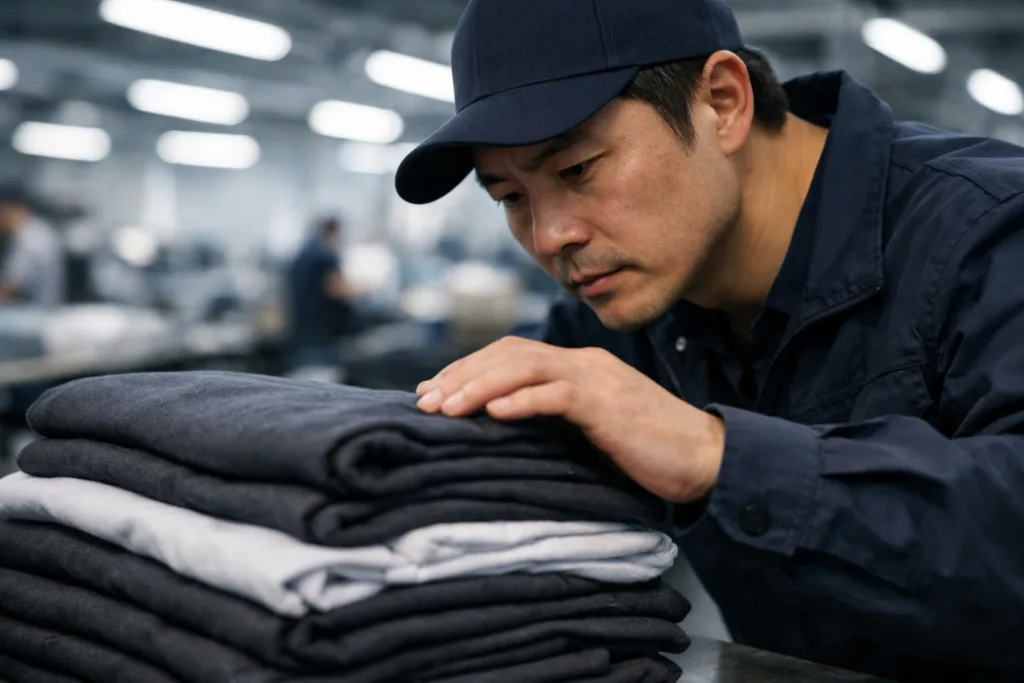
Standard lead times for fabric, sampling, and bulk tie directly to a fashion brand’s reliability and ability to launch on trend. Teams that proactively plan, invest in communication, and adopt digital tools are better equipped to handle change, maintain quality, and hit deadlines consistently. Whether you’re an emerging designer or a large retailer, recognizing the interplay of sourcing, sampling, and bulk production—and the various risks involved—will help you set realistic expectations and avoid last-minute surprises. Accurate lead time forecasting isn’t just about speed; it’s about delivering the right product, on time, every time.
Frequently Asked Questions
What is a typical fabric sourcing lead time?
For in-stock fabrics, sourcing can be as fast as 2–7 days, while custom-milled fabrics may require 4–12 weeks or more depending on fiber origin and treatment complexity.
How long does the sampling process usually take?
The initial sample typically takes 1–3 weeks after tech pack completion and fabric readiness, with further sample rounds adding 1–2 weeks each for approvals or revisions.
What factors delay bulk production lead times?
Late fabric deliveries, national holidays, supply chain disruptions, last-minute design changes, and missed approval deadlines are among the most common causes of delay in bulk production.
How can brands reduce overall lead times without sacrificing quality?
Brands can streamline lead times by digitizing sample rounds, pre-approving core materials, consolidating sample feedback, and developing strong relationships with reliable suppliers.
Why is the critical path important for apparel production?
The critical path maps every key step, allowing brands to anticipate and avoid delays, allocate the right buffers, and maintain transparency with all supply chain partners.
When should buffer time be added to production schedules?
Add buffer time for holiday periods, shipping uncertainties, and potential delays at approval points; this reduces panic and safeguards your delivery commitments.
Related Reading
- Unlock Critical Paths: Stress-Free Apparel Timelines Guide
- See How 3D Sampling Slashes Waste and Approval Time
- Prevent Surprises with the Ultimate Hidden Costs Checklist for Manufacturing
- Master MOQ: Smarter Sourcing & Faster Lead Times Explained
- Confidently Negotiate Factory Pricing Without Quality Loss
- Explore Apparel Production Tools for Seamless Workflow