
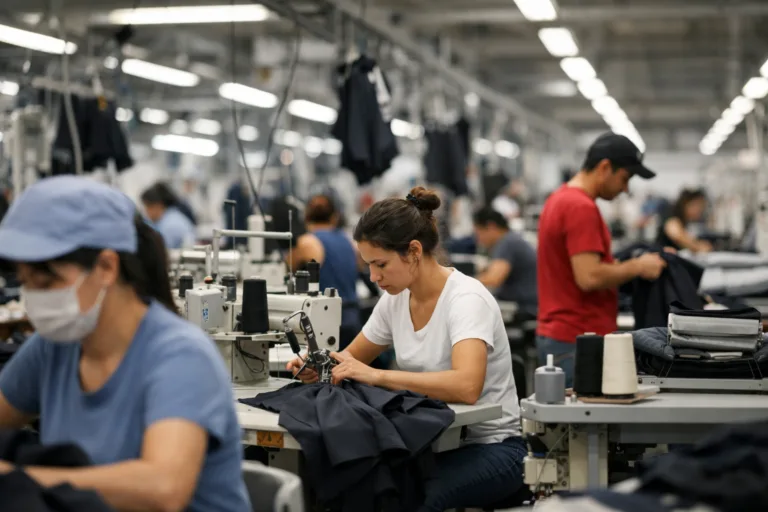
Introduction: Managing Production Delays for Success
Production delays are a common challenge in supply chain management. Unanticipated setbacks can disrupt timelines, increase costs, and strain relationships with partners and clients. Learning how to manage production delays effectively is critical for maintaining momentum and ensuring consistent delivery. This guide explores practical steps, real-world case studies, and communication strategies that can turn production hurdles into opportunities for growth and improvement.
Understanding Production Delays in Supply Chain Management
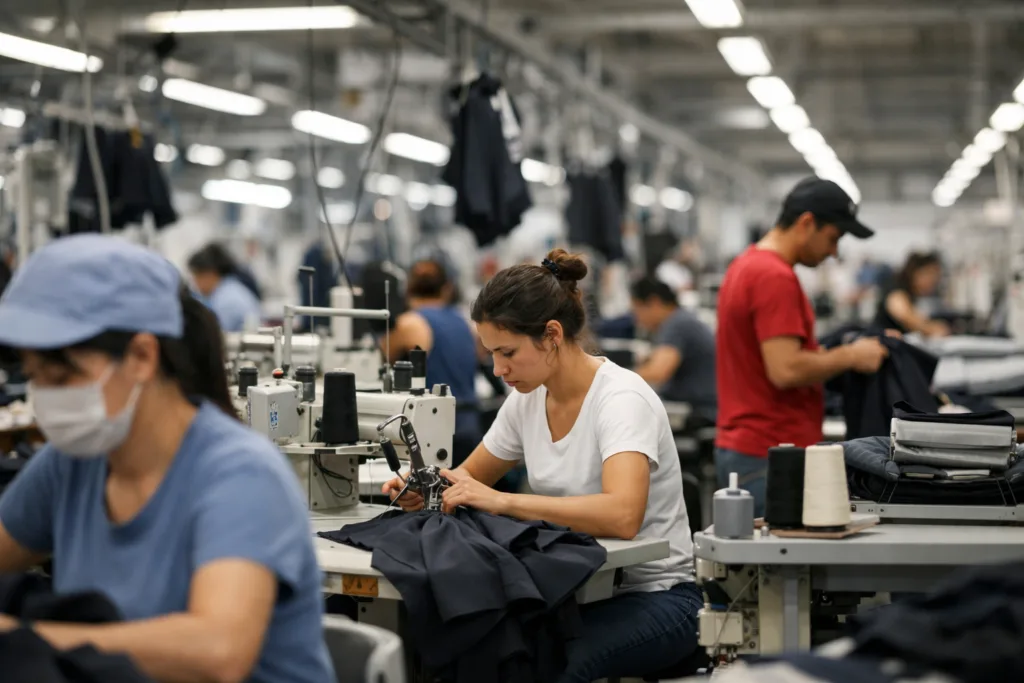
Production delays occur when scheduled manufacturing or processing timelines are not met. These delays can result from raw material shortages, equipment failures, or external disruptions like transportation bottlenecks. In supply chain management, even a short delay can create a domino effect, impacting inventory management, distribution, and customer satisfaction. Recognizing the roots and ripple effects of these setbacks is the first step toward effective delay mitigation.
Common Causes of Production Delays
- Material Shortages: Late or insufficient supply of critical raw materials often stalls production.
- Equipment Breakdowns: Machinery malfunction can halt lines until repairs are completed.
- Labor Issues: Worker shortages, strikes, or turnover can reduce factory output.
- Poor Planning: Unrealistic schedules or lack of contingency lead to bottlenecks.
- Quality Control Failures: Rework and rejects can push timelines back significantly.
- Shipping and Logistics: Delays in inbound or outbound logistics impact the flow of goods.
Critical Impacts of Production Delays
Production delays do not only affect one stage—they have widespread implications:
- Cost Overruns: Storage, expedited shipping, and overtime costs quickly add up.
- Reputational Damage: Frequent delays can erode customer trust and future business.
- Poor Inventory Turnover: Warehouses fill up, tying up capital and resources.
- Supply Chain Disruption: Downstream partners see ripple effects from a single hold-up.
Building Realistic Production Timelines
Planning with built-in flexibility gives teams the runway to handle the unexpected. Integrate actual historic data on Standard Lead Times for Fabric, Sampling, and Bulk to better forecast future schedules. Identify each stage’s average duration and add reasonable buffer time to accommodate likely slowdowns. This approach simplifies replanning if things go askew—without alarming stakeholders or risking delivery dates.
Methods for Planning Realistic Lead Times
- Consult with suppliers for accurate procurement timelines
- Review past launches to spot recurring hold-ups
- Factor in seasonal demand fluctuations and public holidays
Identifying and Analyzing Delay Patterns
Analyze recurring delay patterns to reveal systemic issues. Apparel Wiki advises documenting the root causes, frequency, and financial impact of each delay. For instance, continuously delayed trims might signal a need to source alternative vendors or increase safety stocks.
Developing a Critical Path for Apparel Production
A well-defined critical path is essential for tracking dependencies and highlighting activities that directly affect final delivery. Use a critical path approach to sequence production steps and identify which tasks have no flexibility for delay. For practical steps, read the guide on Creating a Critical Path for Apparel Production for stress-free project management.
Flexible Project Management and Buffer Strategies
Build slack into your timelines. Buffer time cushions vital steps and absorbs unplanned slowdowns. In highly variable stages—like fabric dyeing or overseas shipping—a few extra days can protect the entire project schedule without sacrificing efficiency.
Common Buffer Strategies
- Time buffers: Add extra days to volatile stages
- Inventory buffers: Keep surplus stock of critical materials
- Resource buffers: Cross-train staff to fill sudden gaps
Clear and Consistent Communication with Stakeholders
Timely, honest communication is key when managing production delays. Stakeholders—clients, suppliers, logistics partners—must be informed of setbacks as soon as they arise. Regular status updates can prevent miscommunication and allow for joint problem-solving before issues escalate.
Elements of Effective Communication
- State the issue and impact using plain language
- Share an actionable recovery plan
- Request feedback and alternative suggestions
Collaborating with Suppliers for Delay Prevention
Good supplier relationships reduce surprise delays. Collaborate to coordinate procurement schedules, negotiate priority treatment for urgent orders, and jointly troubleshoot bottlenecks. Regular check-ins, performance reviews, and forecasts keep everyone aligned—and quick intervention easier if issues pop up.
Leveraging Digital Tools for Transparency and Visibility
Modern supply chains benefit from software that tracks orders and inventory in real time. Shared dashboards enable teams and partners to spot delays, adjust forecasts, and communicate seamlessly. For example, many apparel brands use Apparel Manufacturing Tools to enhance traceability and coordination.
Effective Escalation Processes for Critical Setbacks
If a delay threatens to derail project delivery, escalate quickly and follow a pre-determined plan. This involves notifying decision-makers, re-prioritizing production lines, and mobilizing backup vendors if needed. Practice smooth escalation in simulations to ensure your team responds efficiently under pressure.
Case Study: Quick Recovery from a Fabric Delay
A mid-sized brand faced a two-week shipping delay of a specialized fabric. They informed stakeholders on day two, deployed an alternative supplier (already pre-vetted), and switched production to other styles in the interim. Despite lost days, their buffer strategy enabled on-time bulk delivery and retained client trust.
Case Study: Cross-Training Team to Beat Machine Downtime
One apparel factory in Southeast Asia experienced repeated machine breakdowns, causing line stoppages. By investing in cross-training operators, they quickly reassigned staff to other areas during breakdowns, minimizing productivity loss. This flexible approach reduced overall project delays by nearly 15% over one year.
Minimizing Waste and Rework During Delays
Delays often tempt teams to rush, risking errors and waste. Use hold-ups to review processes, retrain staff, or tighten up quality checks. Learn from the guide on Reducing Production Waste at the Design Stage to keep the focus on efficiency rather than speed alone.

Managing Material Shortages and BOM Errors
A frequent cause of production delays are material shortages. Consistently update your Bill of Materials (BOM) and double-check for errors. Practical advice on Common BOM Errors That Lead to Material Shortages can help you catch issues early and minimize disruptions.
Proactive Inventory and Procurement Management
Track inventory levels weekly and review procurement plans monthly. Collaborate with your sourcing team to spot long-lead items and plan orders early. For hard-to-find trims and components, always have a secondary supplier lined up.
Utilizing Technology: RFID, Barcodes, and Automation
Automation and inventory tracking tools speed up supply chain checks and reduce manual errors that lead to delays. Explore benefits in How RFID Tags Revolutionize Apparel Inventory and Barcodes and UPCs in Retail Inventory to keep goods moving efficiently, identify shortages instantly, and trigger automatic reorder alerts.
Contingency Planning for Worst-Case Scenarios
No plan is complete without clear actions for unexpected disasters—a sudden supplier failure, natural disaster, or major quality issue. Pre-build relationships with alternative vendors, and maintain an updated crisis plan outlining roles, contacts, and workflows.
Monitoring External Risks and Global Supply Chain Trends
Keep an eye on global events that could impact logistics, material costs, and port operations. Economic shifts, regulatory changes, and even local holidays can cascade into production delays. Appraise each project for risk exposure and preemptively build solutions.
Empowering Teams Through Training and Support
Regular skills training enables teams to problem-solve and adapt during delays. Coach staff on flexible working, digital tool usage, and proactive reporting. A well-trained team is your strongest ally against timeline disruptions.
Regular Postmortem Reviews and Continuous Improvement
After each project or major delay, conduct a postmortem: what went wrong, what worked, and how could you improve? Document learnings and integrate them into future project plans to grow resilience and efficiency.
How to Manage Production Delays Effectively
Managing production delays effectively requires a blend of preparedness, strong planning, and open communication. Map out all production steps using critical path analysis, monitor key supply chain risks, maintain strategic buffer times, and leverage digital tools for end-to-end visibility. Never underestimate the value of partner relationships and regular training—these intangibles can make a difference when the unexpected occurs. Above all, treat every delay as an opportunity to refine your workflows and reinforce your reputation as a reliable supplier, not just a deadline chaser.
Conclusion: Turning Delays Into Growth Opportunities

Every supply chain will experience production delays at some point. By focusing on root causes, building flexible plans, leveraging technology, and maintaining proactive communication, you can minimize disruptions and even use them to your strategic advantage. Consistent learning and adaptation will keep your production lines running smoother and inspire confidence among all stakeholders.
Frequently Asked Questions
What are the most common causes of production delays?
Typical causes include late material arrivals, equipment breakdowns, labor shortages, poor planning, and shipping or logistics issues.
How can I build flexibility into my supply chain timelines?
Add buffer time to high-risk steps, build up safety stocks for crucial materials, and cross-train staff to handle unexpected gaps or surges in demand.
Why is communication with stakeholders vital during delays?
Clear, early updates help prevent misunderstandings, enable joint problem-solving, and preserve trust even when timelines shift.
How do digital tools help manage production delays?
They provide real-time tracking, facilitate transparent communication, and help spot potential issues early for quicker resolution.
What is a critical path in production planning?
It’s the sequence of tasks that directly determine the project’s completion date; any delays here affect the entire timeline.
How often should we review our production process for improvements?
Conduct reviews after every significant delay and at the end of each production cycle to identify new improvement opportunities.
Related Reading
- 17 Practical Insights to Minimize Apparel Lead Times
- Stress-Free Timelines: Master the Apparel Critical Path
- How to Prevent Material Shortages with BOM Accuracy
- Designer Playbook: 10 Smart Ways to Reduce Production Waste
- Revolutionize Inventory: 13 Barcode Strategies for Retail
- RFID Tags: Unleashing Apparel Inventory Control