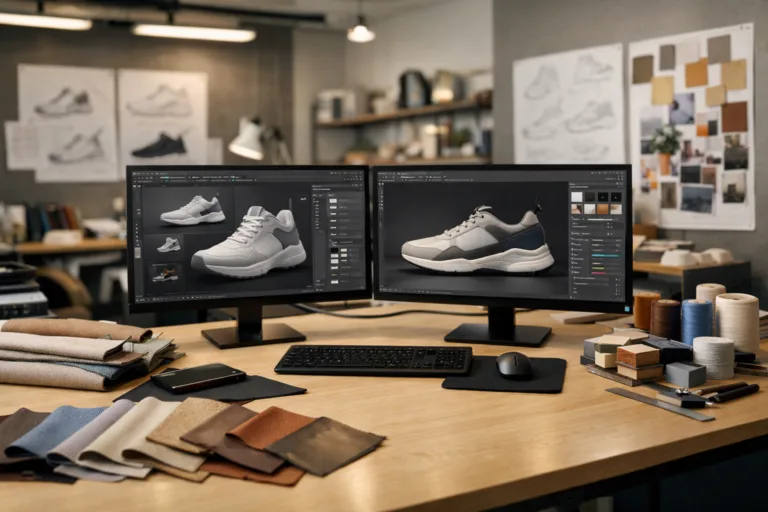
Introduction: Why Reducing Production Waste at the Design Stage Matters
Design choices shape how much waste a product generates, long before manufacturing begins. Reducing production waste at the design stage is crucial for sustainable design, driving cost savings, brand reputation, and positive environmental impact. By focusing on smarter design, brands, manufacturers, and designers can prevent material overuse and streamline processes, resulting in less landfill waste and higher resource efficiency. This article explores actionable strategies, practical techniques, and inspiring examples of reducing production waste during the design phase.
Understanding Production Waste and Its Origins
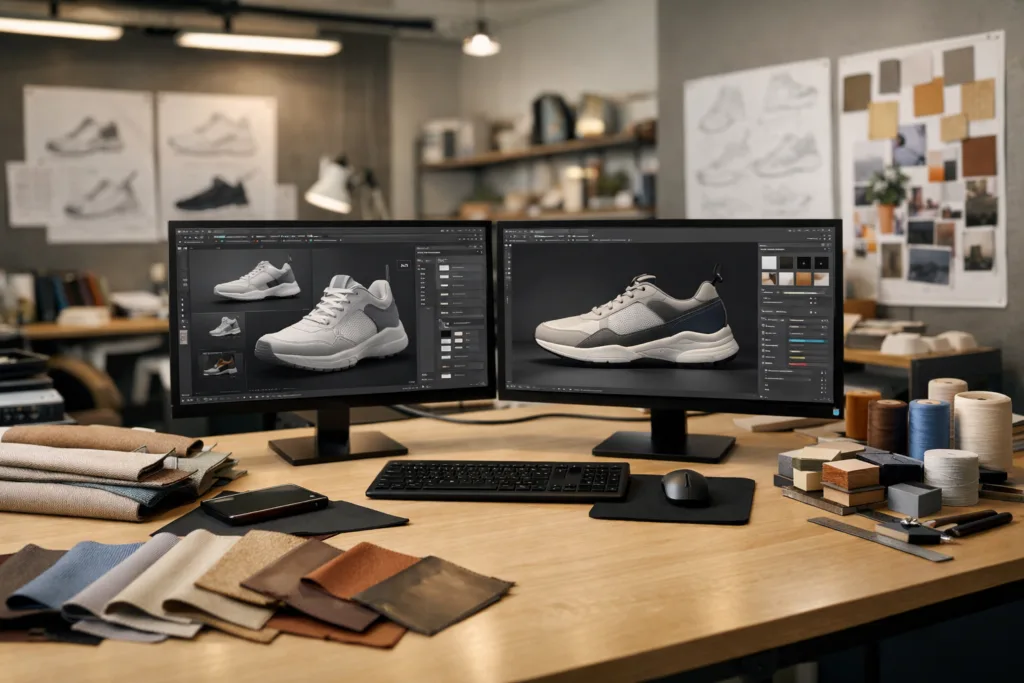
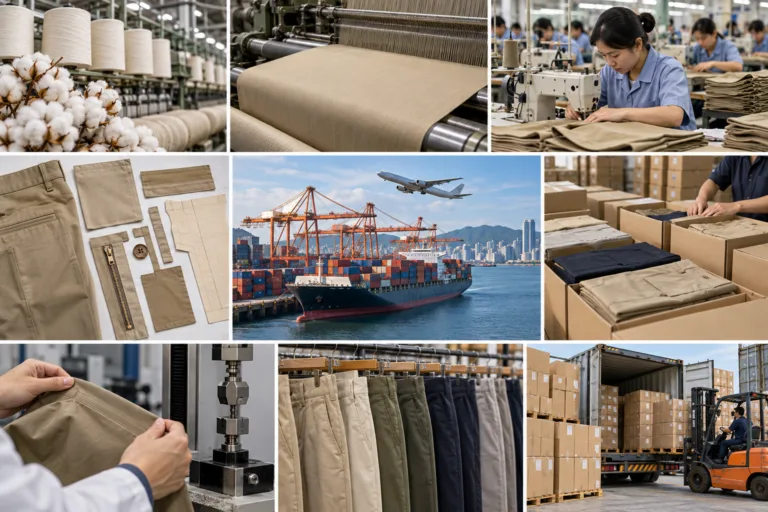
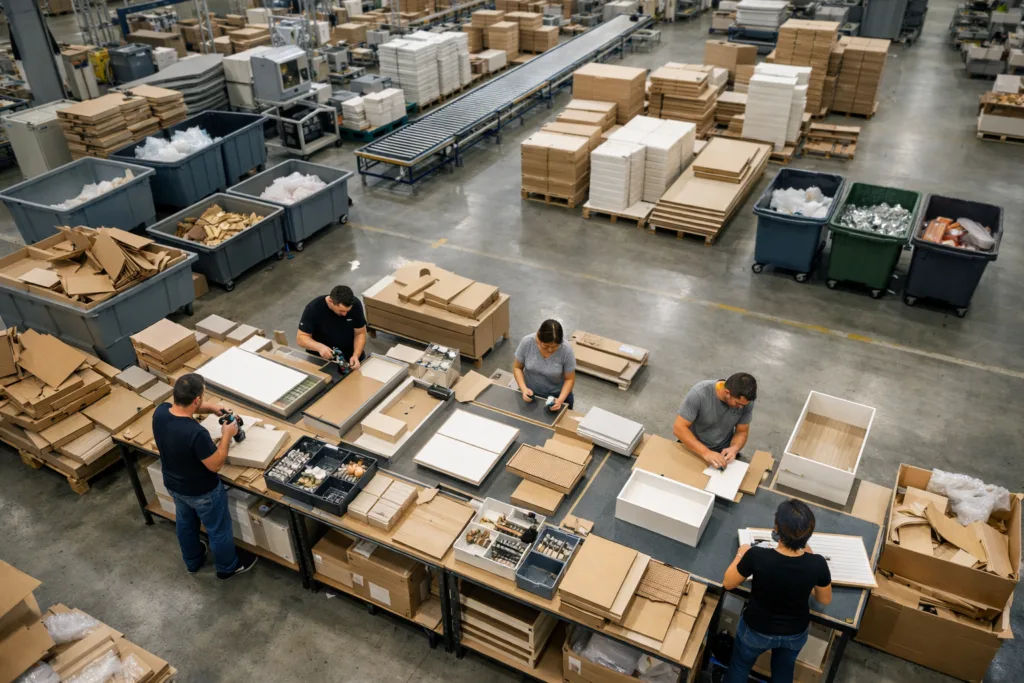
Production waste refers to leftover materials, defective items, and byproducts created during the manufacturing process. For example, fabric offcuts in fashion, excess packaging, or metal shavings in hardware often end up as waste. Most of this waste is locked in by design decisions—such as pattern layout, material choice, and product functionality—before production even starts. Rethinking these choices has the power to transform both the bottom line and environmental footprint.
The Role of Sustainable Design Principles
Sustainable design places resource efficiency and lifecycle thinking at the heart of product development. It involves evaluating a product’s environmental impact from concept to disposal. Key principles include reducing material consumption, designing for durability, enabling recycling, and minimizing toxic substances. When designers apply these principles early, the potential for reducing production waste increases significantly.
Design Stage Waste: Where and How It Happens
Waste is often set in motion with design choices. These may include oversized tolerances, complex assemblies requiring excess materials, or ignoring possibilities for reuse. Inefficient pattern cutting or poor dimensioning can lead to unnecessary offcuts. Decision-making at the design stage is so influential that even a small modification—such as switching to a mono-material part—can dramatically improve end-of-life recycling and minimize waste, as discussed in mono-material design.
Key Strategies for Reducing Production Waste at the Design Stage
Below are foundational strategies designers can use today:
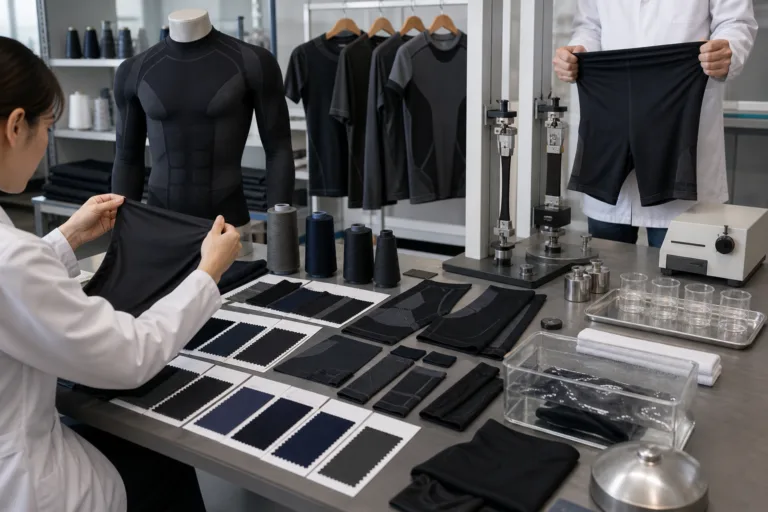
- Digital Prototyping: Create, test, and iterate virtually to cut down on physical samples and associated waste. Tools for digital prototyping allow for geometry checks, assembly validation, and accurate visualization before producing anything tangible.
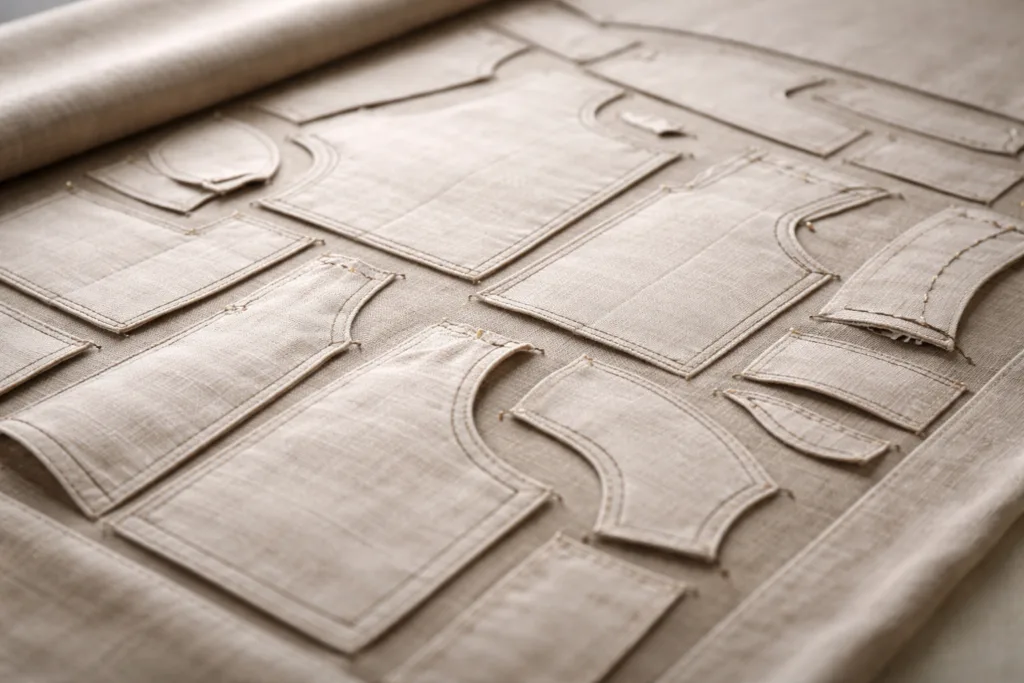
- Zero Waste Pattern Techniques: For textiles, lay out patterns to maximize material usage. These methods are outlined in zero waste pattern cutting techniques.
- Modular and Disassemblable Design: Design components so they can be repaired, reused, or recycled easily.
- Material Efficiency: Prioritize materials that are durable, recyclable, or sourced responsibly.
- Feedback Loops: Collaborate early with supply chain stakeholders to prevent later-stage errors that lead to waste.
Digital Prototyping: Cutting Waste, Increasing Precision
Using 3D modeling and simulation tools, designers can perfect products before investing in any physical resources. Digital software (such as CLO3D, Browzwear, and SolidWorks) enables pattern adjustments, stress analysis, and fit checks with zero material loss. This reduces bulky sample shipments and shortens development cycles. A recent Apparel Wiki article shows that 3D sampling alone can trim costs and material waste by over 30% (The Power of 3D Sampling).
Mono-Material Design: Enabling Ultimate Recyclability
Products designed with a single material are far easier to disassemble and recycle. For instance, sneaker manufacturers who switched to mono-material outsoles found massive end-of-life waste savings without compromising performance. This approach simplifies the recycling process and helps achieve true circularity, as detailed in the mono-material design guide from Apparel Wiki.
Zero Waste Pattern Cutting in Fashion and Soft Goods
Textile and apparel industries have pioneered zero waste pattern techniques for decades, aiming to use every inch of fabric. For example, some designers connect pattern pieces like a puzzle, generating virtually no scraps during garment construction. Apparel Wiki’s review of zero-waste strategies highlights both traditional and digital approaches, making these techniques practical for modern brands.
Modular Design and Design for Disassembly
When products are designed for easy disassembly, each component can be repaired, reused, or recycled, reducing the risk that broken parts doom an entire item to disposal. Electronics firms use snap-fits and non-permanent adhesives to enable serviceability while metal furniture makers rely on bolts instead of welds. For in-depth circular product concepts, review design for disassembly strategies.
Choosing Sustainable Materials: Cutting Waste and Impact
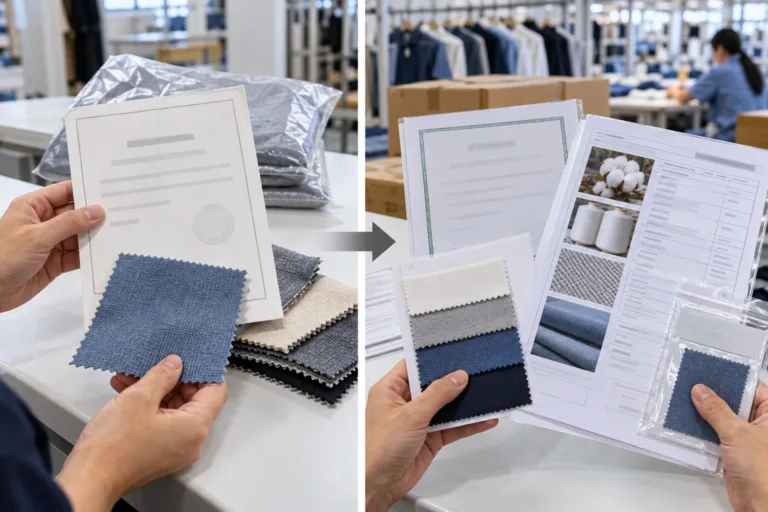
Material selection has lasting implications. Opting for certified recycled materials (like recycled polyester) or renewable fibers (organic cotton, bamboo) reduces initial extraction needs and landfill pressure. Considerations like durability, process waste, and end-of-life options matter too. Brands also use sustainable labeling systems, such as those discussed in sustainable labeling guides, to reinforce their material choices.
Standardization and Simplification
Reducing design variants, trims, and fastener types streamlines manufacturing and minimizes inventory risk. For example, using one standard size for zippers or limiting colorways (as described in BOM colorways management) can cut both material waste and logistical complexity.
Integrating Feedback Loops into Design
Cross-department communication at early design phases prevents waste from overlooked requirements or misunderstood specs. Engaging with production, sourcing, and quality teams while designing helps flag challenges before tooling or bulk materials are purchased—saving time and reducing remakes.
Upcycling in Mass Production: A Powerful Option
Design for upcycling incorporates waste from one process as a resource for another. Mass production facilities are now experimenting with using pre-consumer scraps to create secondary product lines. For manufacturers of metal products, upcycling offers a balance of feasibility, cost, and opportunity (upcycling in mass production insights).
Packaging Reduction through Design Innovation
Product packaging is a frequent source of waste. By right-sizing, eliminating unnecessary inserts, or opting for eco-friendly alternatives, designers can shrink packaging footprints. Rethinking labeling materials, folding types, and attachment methods also contributes to overall waste reduction, as shown in guides about main label fold types.
Leveraging Fabric Consumption Markers
Detailed planning and yield optimization not only prevent adverse costing but also limit over-ordering and excess offcuts (fabric consumption markers). Strategic marker making, when done at the design stage, ensures best possible material utilization per unit manufactured.
Smart BOM (Bill of Materials) Alignment
Accurately creating and maintaining BOMs achieves better material planning. By aligning design intent with component lists, brands avoid common errors leading to raw material shortages or wastage. Apparel Wiki provides practical tools for effective BOM management that benefit both designers and production managers.
Digital Tools: 3D Modeling and Simulation
Modern software empowers designers to visualize, test, and refine products in a virtual environment, eliminating multiple rounds of physical samples. The ability to simulate fabric drape, material thickness, and physical stress can unveil wasteful design aspects early—pivoting toward more efficient outcomes.
Adopting a Circular Mindset in Design
A circular mindset goes beyond recycling. It means designing products for repeat cycles: repair, refurbishment, or complete re-manufacturing. This shift away from linear “take-make-dispose” culture begins with rethinking how parts, materials, and lifetime are specified.
Collaborative Design Partnerships with Suppliers
Involving suppliers early in the process brings practical material and process knowledge to the table. This often leads to mutually advantageous tweaks, such as choosing a stock material width that eliminates cutting loss, or co-designing modular trims for easier recycling.
Real-World Examples of Reducing Production Waste
Many global brands are adopting these methods. For instance:
- PATAGONIA: Uses digital prototypes and lean manufacturing to limit waste at all design stages.
- STELLA McCARTNEY: Employs mono-material garments and zero-waste patterns for several apparel lines.
- IKEA: Designs flat-pack furniture using modular connectors—generating less packaging and improved recyclability.
Smaller brands leverage upcycling, modular systems, and sustainable material sourcing for boutique lines.
Common Pitfalls: What to Watch Out For
Successful waste reduction at the design stage faces persistent roadblocks:
- Inadequate cross-team collaboration or feedback loops
- Lack of designer awareness regarding material waste in downstream processes
- Overly complex product features increasing offcuts and rejects
- Failure to update BOMs and consumption markers after design modifications
Apparel Wiki cautions: Always validate with your factory partners early to avoid unpleasant surprises and avoid extra charges for overlooked waste factors.
Quick-Reference Table: Comparing Design Stage Waste Reduction Techniques
| Technique | Main Benefit | Industry Example | Implementation Difficulty |
|---|---|---|---|
| Digital Prototyping | Reduces physical samples | Apparel, Automotive | Medium |
| Zero Waste Pattern | No fabric offcuts | Fashion, Upholstery | Advanced |
| Mono-Material Design | Enhanced recyclability | Footwear, Electronics | Medium |
| Modular Construction | Easy repair/refit | Furniture, Apparel | Intermediate |
| Feedback Early | Less rework waste | All Industries | Easy |
Reducing Production Waste at the Design Stage
This section brings together the heart of sustainable product development. A conscious effort at the design stage doesn’t just cut waste; it makes operations leaner, adds value for environmentally-aware consumers, and gives brands a sharper edge. From digital tools to clever patterning and supplier partnerships, all these strategies truly begin on the designer’s desk.
Shifting to a Conscious Design Mindset
Reducing waste at the design stage requires both skills and mindset change. Teams must continually question, “What happens to this material or product at the end of its life?” Designing for longevity, repair, recyclability, and upcycled potential is a future-proof strategy. Investing in awareness and training—using resources like Apparel Wiki—prepares designers and engineers to rethink assumptions and make better choices from the start.
Conclusion: The Future of Sustainable Design Lies Upstream
Production waste is not inevitable—designers hold the keys to change. By integrating digital prototyping, zero waste patterns, modular thinking, and sustainable materials early, waste can be drastically minimized or avoided. Real-world results show that these efforts create resilient brands and healthier profits, along with a reduced footprint. For those willing to rethink, test, and collaborate, sustainable design delivers lasting rewards and is fast becoming the new industry standard.
Frequently Asked Questions
What is production waste in the context of design?
Production waste includes leftover materials, defective items, and byproducts generated during manufacturing. Most waste stems from design choices that define how materials are used and assembled.
How can digital prototyping help reduce waste?
Digital prototyping allows designers to test and revise products virtually, reducing the need for physical samples and material consumption during development.
What are mono-material designs, and why do they matter?
Mono-material design means using a single material throughout a product, making it easier to recycle and reducing end-of-life waste.
What is zero waste pattern cutting?
Zero waste pattern cutting arranges template pieces to use nearly all material, minimizing or eliminating offcuts, especially in fashion and upholstery.
How important is supplier collaboration at the design stage?
Supplier collaboration ensures material and process choices reduce mistakes and prevent waste, creating alignment from the start.
Can packaging design reduce production waste?
Yes, right-sized, simplified, and sustainable packaging reduces both material waste and overall environmental impact.
Related Reading
- 7 Game-Changers: Zero Waste Pattern Cutting for Design Pros
- How 3D Sampling Cuts Cost and Physical Waste Fast
- The Power of Mono-Material Design for Better Recycling
- Turn Waste Into Value: Upcycling Metal Products at Scale
- 10 Smarter Strategies for Design for Disassembly & Circularity
- Fabric Consumption Markers: Essential for Optimizing Yield