Introduction: Fast Fashion vs. Slow Fashion Timelines
Fast Fashion vs. Slow Fashion Timelines is a topic that everyone in the apparel industry—and consumers alike—should understand. These two models dictate not only how clothes are made and marketed, but also how we buy, wear, and discard them. The timelines of these movements shape environmental, economic, and cultural realities. By clearly contrasting their cycles, marketing, consumer responses, and wider impacts, this article aims to provide actionable insight for sustainable and smart apparel choices.
Understanding Fast Fashion’s Timeline: Speed Over Substance
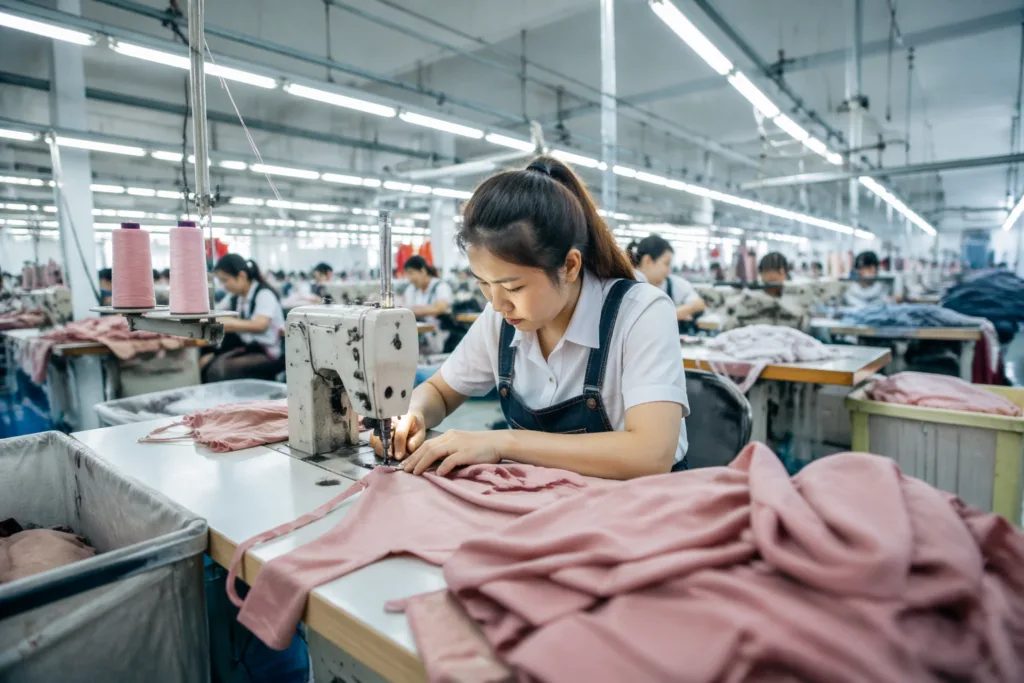
Fast fashion brands push for speed, aiming to get new styles on shelves within weeks of runway shows. Their timeline relies heavily on condensed production processes, rapid sourcing, and a quick turnaround from design to consumer delivery. The use of efficient apparel manufacturing tools allows these brands to outperform competitors on speed. Products are updated several times per month, often creating a cycle where consumers expect novelty and abundance at low prices.
Key Stages of Fast Fashion Production
- Quick trend analysis and design adaptation
- Fast sampling, often digital-first
- Bulk production compressed to a matter of weeks
- Rapid distribution to stores and e-commerce platforms
Standard Lead Times: Fast Fashion Benchmarks
Lead times for fabric, sampling, and bulk production are minimized—sometimes taking just a few days or weeks. If you’re curious about how brands optimize these timelines, standard lead times for fabric, sampling, and bulk explores industry benchmarks and practical strategies.
The Slow Fashion Timeline: Deliberate Craftsmanship and Seasonality
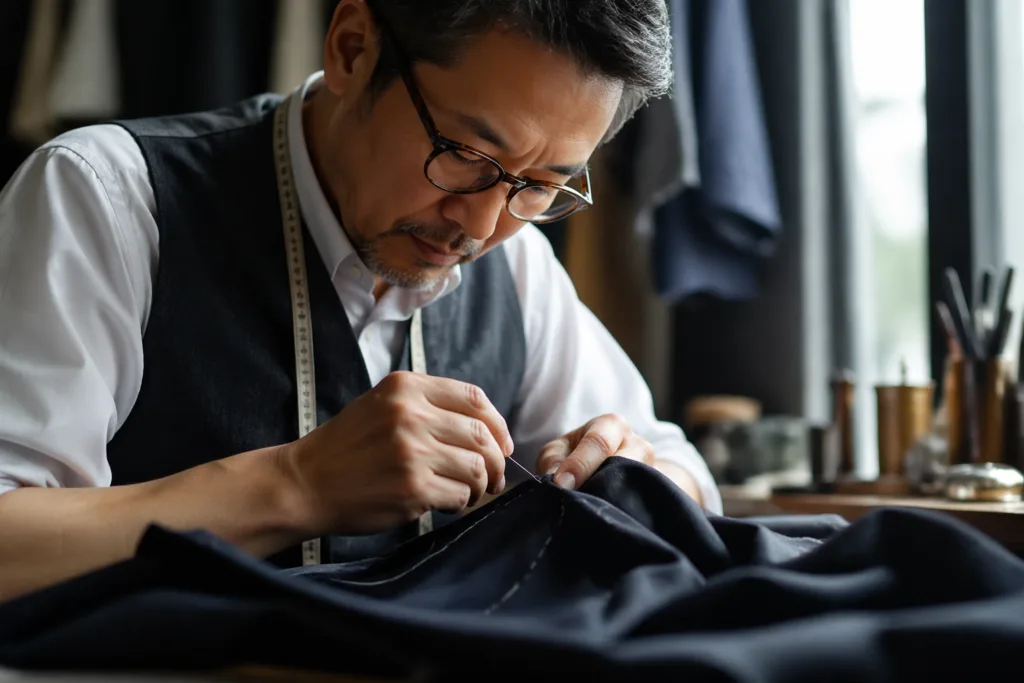
Slow fashion prioritizes quality and intentionality over speed. Brands invest time into research, thoughtful design, and meticulous production—often for collections that follow traditional seasons: Spring/Summer (SS) and Fall/Winter (FW). This approach values craftsmanship, durability, and the ethical treatment of workers and the supply chain.
Stages of Slow Fashion Production
- Trend forecasts for upcoming seasons
- Detailed sampling and prototyping
- Extended production cycles ensuring quality control
- Seasonal launches, mostly biannual
Planning a Fashion Calendar for Slow Brands
Slow fashion designers often adhere to a more traditional fashion calendar. For deeper guidance, developing collections for SS & FW seasons covers essential insights for successful planning and execution.
Comparison Table: Fast Fashion vs. Slow Fashion Timelines
| Aspect | Fast Fashion | Slow Fashion |
|---|---|---|
| Design to Market | 2–6 weeks | 6–12 months |
| Production Volume | High, frequent launches | Limited, seasonal collections |
| Quality Control | Basic; prioritizes speed | Detailed; prioritizes durability |
| Trend Responsiveness | Reactive; extremely fast | Predictive; carefully curated |
| Environmental Impact | High (wasteful, resource-heavy) | Lower (sustainable, less waste) |
| Price Point | Low | Higher (reflects craftsmanship) |
Marketing Strategies: Fast Fashion’s Race vs. Slow Fashion’s Storytelling
Fast fashion relies on aggressive marketing—flash sales, limited edition drops, intense social media campaigns, and influencer-driven promotion. By contrast, slow fashion marketing focuses on education, transparency, and storytelling. Brand narratives play a bigger role, emphasizing ethical sourcing, craft, and longevity.
Consumer Touchpoints
- Fast fashion: impulse-driven, frequent buys, quick scroll-to-cart conversions
- Slow fashion: mindful consumers, research and deliberation before purchase
Trend Lifecycles: Rapid vs. Enduring
In fast fashion, trend cycles are measured in weeks, driven by digital feedback loops and viral content. Slow fashion aims for longer trend lifespans, often focusing on timeless styles rather than fleeting novelty.
How Consumer Behavior Drives Timelines
Fast fashion thrives on a “see-now, buy-now” mindset. Slow fashion nurtures patience, value, and deeper engagement. Apparel Wiki notes that trend lifecycles are increasingly influenced by online communities and social platforms that accelerate the pace of fast trends, while slow brands often have niche audiences who appreciate lasting design integrity.
Environmental Impact: Timeline-Driven Consequences
Fast fashion’s compressed timeline translates directly to higher environmental costs: excessive water and energy use, massive textile waste, and chemical pollution. Slow fashion allows for thoughtful sourcing, recycling, and upcycling initiatives, minimizing these adverse outcomes.
Design Strategies to Lower Waste
- Zero waste pattern cutting
- Longer-lasting garment design
- Minimalist construction techniques
For garment makers aiming to cut waste, reducing production waste at the design stage and designing for durability are powerful resources.
Sustainable Supply Chain Management: Slow Fashion’s Advantage
Slow fashion timelines permit brands to establish more responsible supply chains, focusing on transparency and ethical partnerships. Longer production schedules enable careful vetting of factory standards, fair labor practices, and environmental stewardship. Sustainable design supply chain management offers a practical look at how designers drive meaningful change here.
Fast Fashion vs. Slow Fashion Timelines: The Consumer’s Role
Consumers sit at the center of these timelines, wielding real power. By choosing slower, more deliberate purchases, individuals help shift demand toward sustainable practices. Conversely, relentless demand for fast-turnover styles reinforces unsustainable cycles.
Strategies for Smarter Purchases
- Ask about production timelines when shopping
- Support brands with transparent sourcing
- Look for durability, recyclability, and ethical certifications
Critical Path and Timeline Optimization in Apparel Production
Whether fast or slow, every brand must master its production critical path to keep projects on track and minimize costly delays. A smart critical path helps balance design, material ordering, sampling, approvals, and quality checks. For actionable guidance, creating a critical path for apparel production breaks down key steps and common pitfalls.
Timeline Risks: Production Delays and Their Impact
Any brand—fast or slow—can face production delays. While fast fashion often absorbs losses by canceling orders or rushing replacements, slow brands take extra care to resolve issues. Learning how to handle delays is essential. Read how to manage production delays effectively for proven strategies to protect your timeline and supply chain.
Upcycling and Recycling: Timeline Innovations
Slow fashion often adopts creative upcycling and recycling strategies, fitting them into longer timelines. This doesn’t mean fast fashion can’t innovate—but the speed-focused model leaves less room to integrate sustainable innovations at scale.
Mono-Material Design and Eco-Certification
Mono-material design simplifies recycling, meaning future garment collection and reprocessing becomes easier. Eco-design certifications further demonstrate a brand’s commitment to sustainability, requiring more careful planning and longer lead times—aligned with slow fashion principles. Apparel Wiki outlines both concepts in practical detail for apparel professionals mid-cycle.
Digital Tools and Timeline Management
Digital technologies—from 3D design platforms to advanced production analytics—help brands monitor, shorten, or extend timelines as needed. Fast fashion often leverages these tools for speed, while slow brands use them to perfect fit, quality, and documentation.
Consumer Trends: Navigating the Timeline Dilemma
Not all consumers want extremes. Many opt for “slow-er” fast fashion, choosing brands that balance speed with responsible sourcing. This hybrid model is gaining popularity, with brands transparently communicating timelines on their websites and product tags.
Future Forecast: How Fast and Slow Fashion Timelines Shape Industry Evolution
The coexistence of fast and slow timelines is already influencing manufacturing innovation, material development, and global supply chain dynamics. Industry experts predict a more pronounced division between mass-market rapid cycles and niche, slow-crafted clothing. Policymakers and brands are also pushing for greater transparency, making it easier for consumers to track lead times, worker conditions, and environmental impact. Apparel Wiki frequently updates professional guides to help brands adapt their planning and lead time workflows for future demands.
Fast Fashion vs. Slow Fashion Timelines: Making Sustainable Choices
Understanding the timelines is just the first step—what matters is making informed choices. Consumers, designers, and manufacturers should ask tough questions: How quickly was this garment made? What impact did its production timeline have? Balancing speed, quality, ethics, and environmental stewardship is critical to a healthier fashion sector.
Conclusion
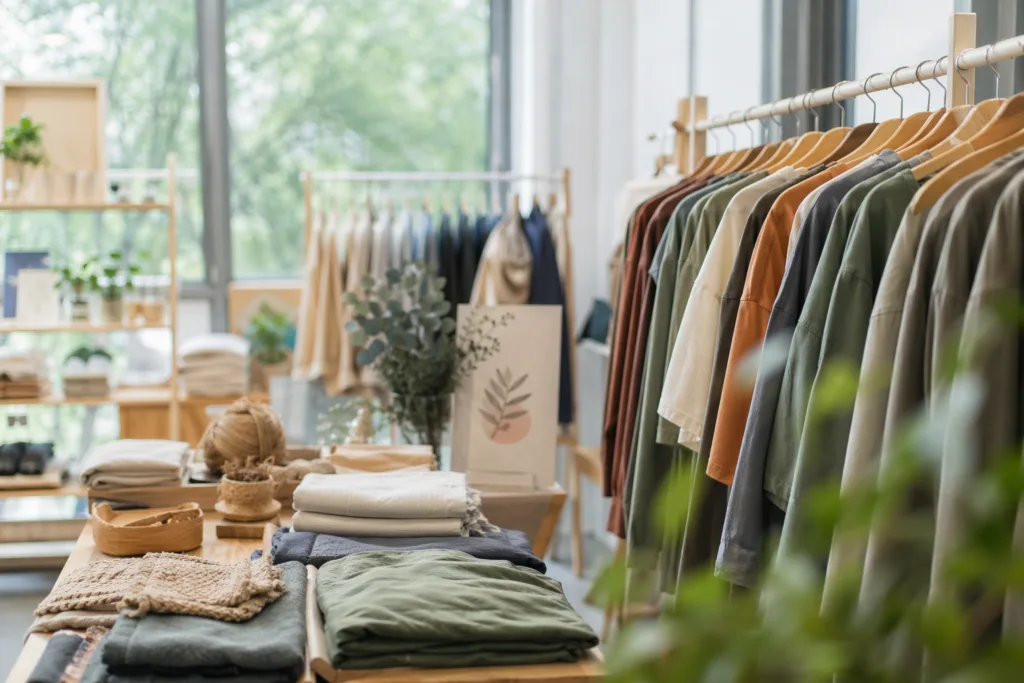
Fast Fashion vs. Slow Fashion Timelines offers a clear roadmap for both brands and consumers. Fast fashion is driven by speed, low price, and frequent launches—but it comes at a cost. Slow fashion favors quality, seasonality, and sustainability, requiring patience and planning. Industry professionals who understand these timelines can better optimize their supply chains and marketing strategies, while consumers can make more informed and sustainable apparel choices. Looking ahead, blending the best aspects of both models may lead to more balanced, responsible timelines across the fashion landscape.
Frequently Asked Questions
How quickly can fast fashion brands launch new collections?
Fast fashion brands typically launch new collections within two to six weeks, leveraging condensed production and supply chains for speed.
What makes slow fashion timelines longer?
Slow fashion brands invest more time in design, sampling, production, and quality checks—often planning collections up to a year ahead.
How do fast and slow fashion timelines impact environmental sustainability?
Fast fashion’s short timelines increase waste and pollution; slow fashion allows for careful resource use, better recycling, and lower environmental impact.
Can brands combine elements of fast and slow fashion timelines?
Yes, some brands adopt hybrid timelines by balancing rapid releases with responsible sourcing and longer-lasting materials.
How do production delays affect fast and slow fashion differently?
Fast fashion absorbs delays by rushing replacements or canceling orders; slow fashion prefers resolving issues for lasting quality and ethical standards.
How can consumers choose sustainable options despite timeline differences?
Consumers can look for transparency, ethical certifications, durable materials, and brands clearly communicating their production cycles.
Related Reading
- 17 Essential Lead Time Strategies to Minimize Apparel Delays
- 5 Expert Steps to Perfect Your Fashion Calendar
- 10 Proven Ways to Slash Apparel Production Waste
- 7 Smart Tips for Designing Durable, Sustainable Clothes
- How Designers Transform Fashion Supply Chains for Sustainability
- 9 Ways to Build Stress-Free Apparel Production Timelines