Introduction: Understanding the Fashion Calendar
The fashion calendar serves as the master blueprint for planning, designing, and launching seasonal collections like Spring/Summer (SS) and Fall/Winter (FW). For designers, brands, and manufacturers, getting these timelines right is a critical factor in staying relevant, profitable, and visible during key moments in the global fashion industry. This guide dives deep into how SS and FW collections are developed, why synchronization with fashion weeks and market demand matters, and actionable strategies to keep your seasonal launches on time and trend-aligned.
The Foundation: What Is a Fashion Calendar?
A fashion calendar is a strategic timeline outlining crucial steps for every collection, from sketch to store. Unlike general schedules, the fashion calendar focuses on aligning releases with peak buying seasons, press cycles, and international fashion events. For brands, it dictates when to ideate, prototype, manufacture, and market their collections to maximize both creativity and commercial impact.
Why Seasonal Collections Dominate the Industry
Most fashion brands organize their annual plans around two main launches: Spring/Summer (SS) and Fall/Winter (FW). These seasonal collections set the rhythm for design, production, and retail. The clear separation enables fashion houses to cater to consumer needs, respond to climate differences across markets, and leverage global showcases such as Paris, Milan, London, and New York Fashion Weeks.
When and How Collections Begin: The Timeline Explained
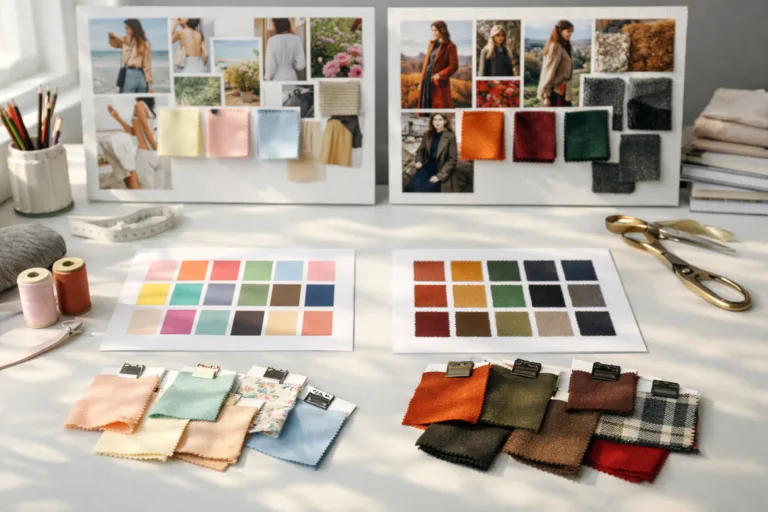
The journey begins 12 to 18 months before the garments reach the racks. At this early stage, creative directors and design teams start trend research, color forecasting, and mood board development. Strategic planning during this period prevents costly delays later in the cycle. Apparel Wiki provides an essential overview of production lead times for industry newcomers and veterans alike.
SS vs. FW Seasons: Overview and Key Differences
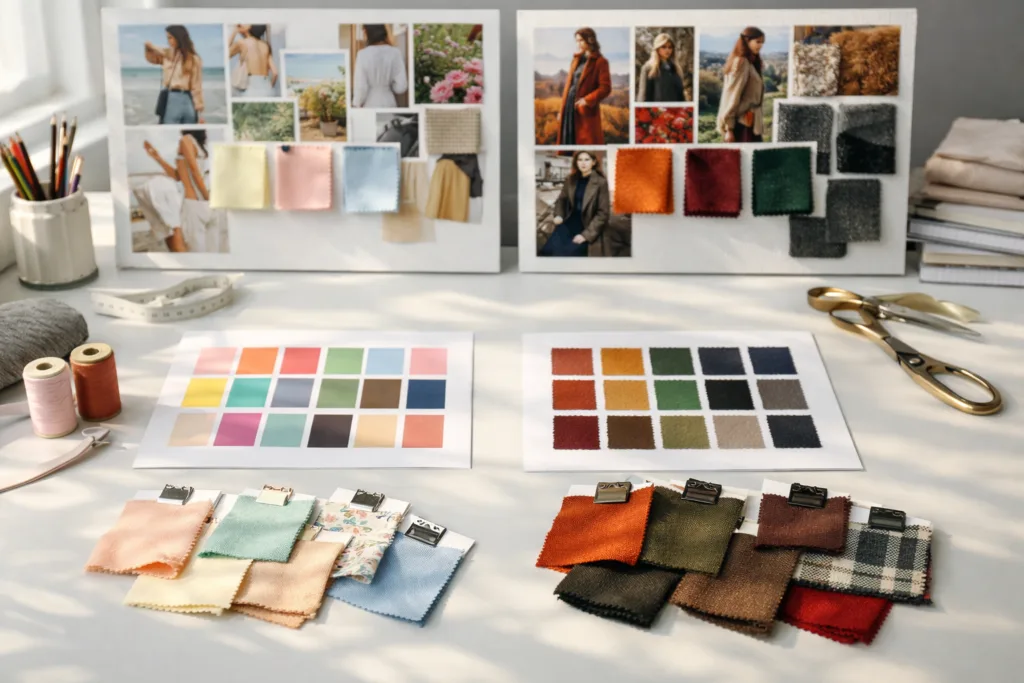
Spring/Summer collections favor lighter fabrics, bright colors, and silhouettes suitable for warmer climates. Fall/Winter lines emphasize heavier textiles, layering styles, and rich hues that address colder months. While both require forward-looking planning, FW typically includes more outerwear and complex constructions, which increases production time.
Design Conception: From Inspiration to Line Planning
Design conception for each season draws on trend forecasting, historical data, and creative vision. Brands often attend fabric expos and global trend seminars to kickstart the process. At this stage, internal teams set budgets, finalize creative direction, and select core themes to unify the collection.
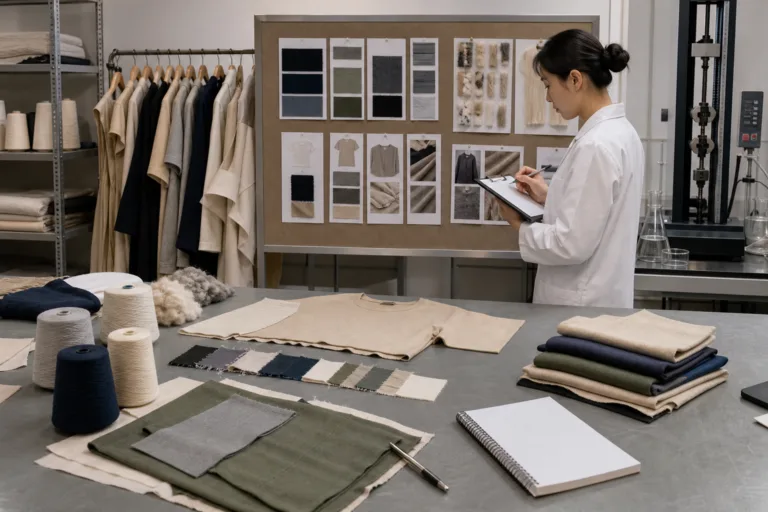
Fabric Sourcing and Development
Reliable fabric sourcing determines quality, cost, and lead time. For both SS and FW, the process starts with mill appointments, material testing, and color approvals. Decisions made here reverberate throughout the calendar, which is why strategic partnerships with fabric suppliers are critical.
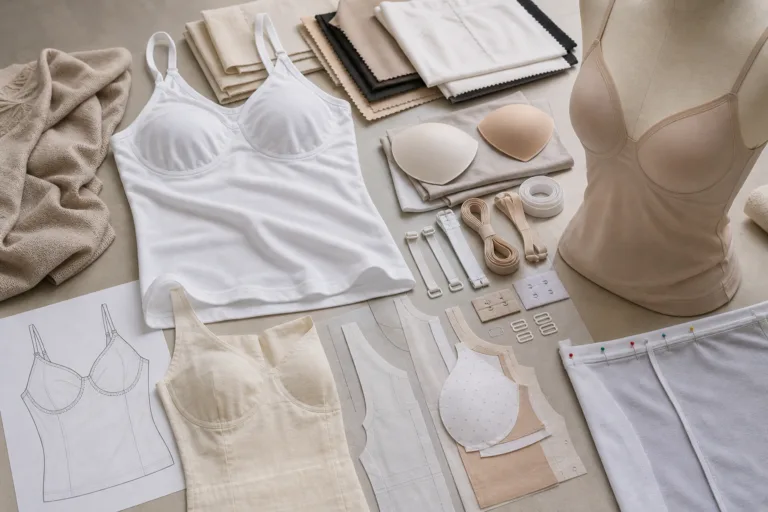
Sample Production and Prototyping
Sampling involves turning sketches into physical prototypes, evaluating construction, and refining fit. Many brands leverage digital sampling technologies to cut costs and speed up iteration, as seen in strategies for reducing physical sample waste.
Aligning with Global Fashion Weeks
To gain visibility, brands must sync their collection launches with major fashion weeks. Most preview SS lines in September and FW in February of the previous year, giving buyers and press an advance look at what’s next. This timing shapes every other part of the fashion calendar.
Critical Path Management: Keeping Timelines on Track
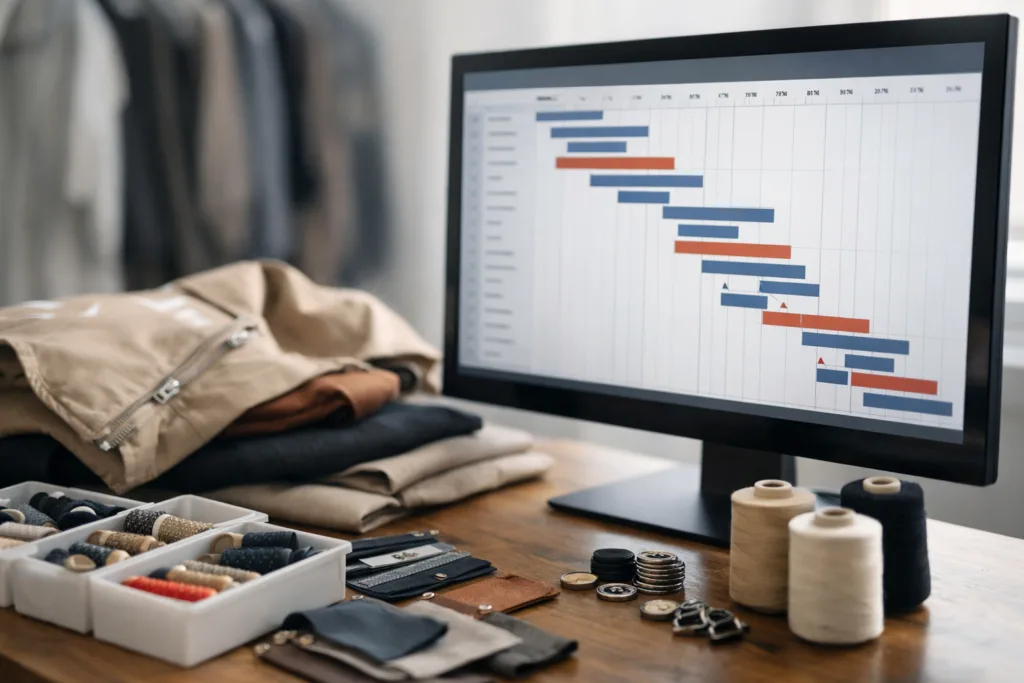
Managing a fashion calendar demands a detailed critical path—a step-by-step breakdown of deliverables, deadlines, and approvals. Use critical path analysis to identify potential bottlenecks in fabric delivery, sampling, or production. Find practical guidance for creating these timelines in mastering your production’s critical path.
Sampling Rounds: Refining the Collection
Collections rarely make it through development after just one sample round. Multiple phases—first proto, fit, and size sets—allow brands to catch errors and build consistency. Start early to allow time for these necessary adjustments.
Bulk Production: Sizing Up for Market
Once samples are approved, brands move to bulk production. This involves finalizing quantities, sizes, and colorways. Bulk manufacturing has its own risks: unforeseen delays, fabric shortages, or miscommunications can quickly derail even the best-laid calendars.
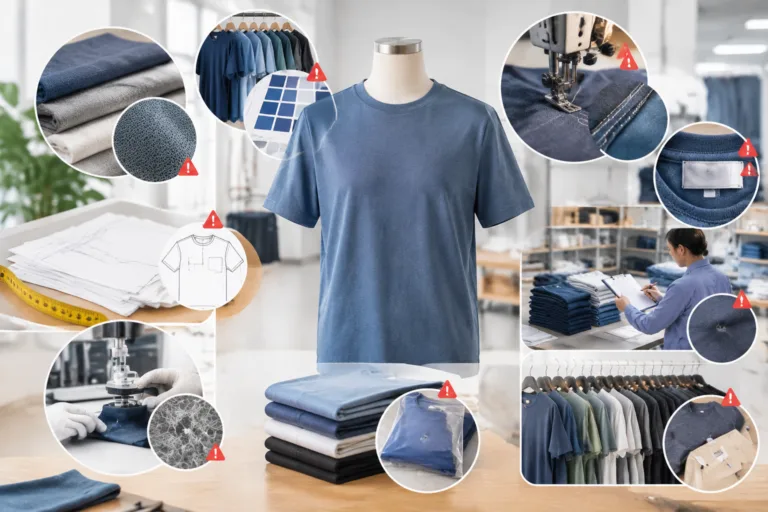
Quality Control and Compliance: Building Brand Trust
Every piece must pass rigorous quality checks and meet compliance requirements before shipment. This includes size grading, fit consistency, and labeling regulations—a topic thoroughly covered in care label law Compliance guides.
Logistics: Planning for On-Time Delivery
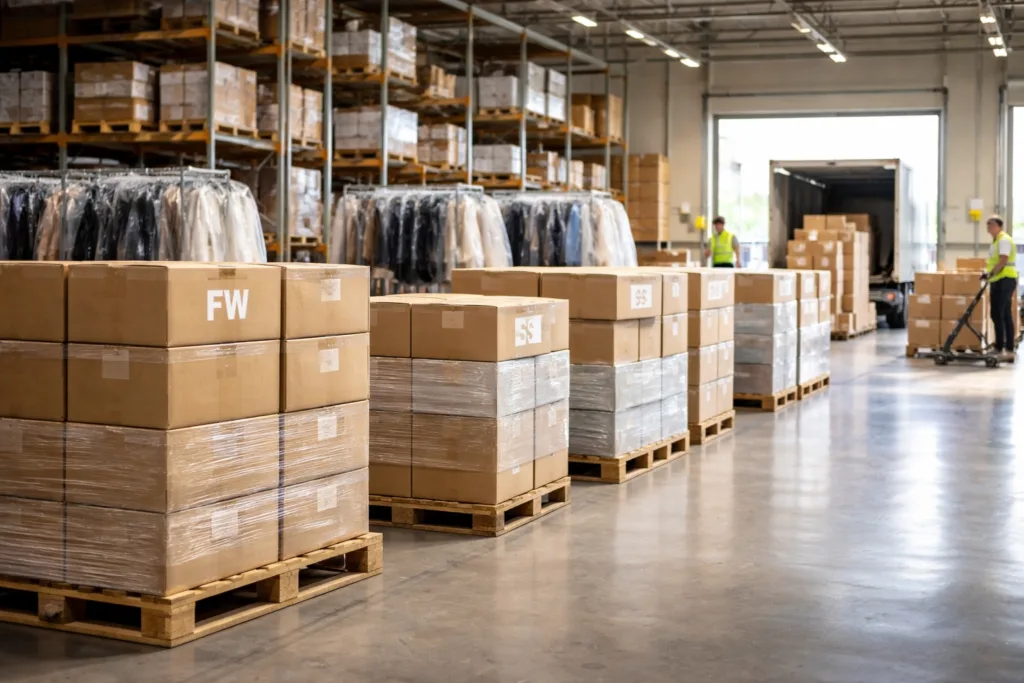
Proper coordination for shipping, customs, and warehousing is essential. Working backward from the target in-store date helps ensure the collection is delivered before market windows close. Apparel Wiki recommends accounting for extra buffer time to absorb unexpected logistics hurdles.
Marketing Strategies: Teasing and Launching the Collection
Design and production are only half the battle. Successful brands build anticipation through lookbooks, digital campaigns, and influencer partnerships, often coordinating global teasers just weeks before the official drop.
Consumer Behavior and Buying Patterns
Consumer behaviors—such as pre-season browsing and last-minute shopping—impact when and how collections are planned and released. Aligning your timeline with evolving purchasing patterns keeps inventory moving and revenue healthy.
Adapting to Regional and Climate Factors
Global brands adjust their calendars by hemisphere—launching FW collections earlier for Northern markets and later in the South. Climate trends and local holidays play a major role in these micro-adjustments.
Incorporating Sustainable Practices
Sustainable fashion calendars require extra attention. Eco-friendly production, recycled materials, and ethical labor impact sourcing choices and lead times. Certification programs can certify a brand’s commitment to sustainability.
The Impact of Digital Transformation
Digital design tools and virtual showrooms have revolutionized collection development. Brands adopting 3D design or digital sample rendering can speed up the fashion calendar and react faster to market trends.
Emerging Trends: Fast Fashion and See-Now-Buy-Now Models
Some players are shifting from classic seasonal calendars to micro-drops and see-now-buy-now launches. While not for every brand, these rapid-release models require agile supply chains and real-time data tracking.
Common Pitfalls and How to Avoid Them
Delayed samples, missing trims, or last-minute color changes are typical setbacks. Brands can minimize risks by securing materials early, regularly auditing their critical path, and maintaining transparent supplier communication. Apparel Wiki underscores the value of knowledge sharing for spotting bottlenecks early.
Case Study: Successful Fashion Calendar Execution
Consider a mid-sized womenswear brand aiming for Paris Fashion Week. By deploying accurate lead times, building in buffer periods for sampling and delivery, and aligning PR campaigns, the brand ensures on-time launch and full-size availability for buyers.
Practical Tools for Managing Your Calendar
Use project management software, shared digital calendars, and decision matrices to keep workflows transparent and deadlines visible. Industry professionals utilize tools such as manufacturing-specific management apps to streamline the process.
Fashion Calendar: Developing for SS and FW Seasons
Every successful fashion brand, large or small, depends on careful planning of SS and FW collections. By mapping out each step—design, sourcing, production, marketing, and distribution—brands can avoid the pitfalls that come from rushed schedules and overlooked details. Staying attuned to trends, fashion shows, and consumer shifts isn’t just about creativity; it’s essential to keeping your label in the spotlight, season after season.
Conclusion: Key Lessons and Forward Strategies
The right fashion calendar transforms collection launches from stressful sprints to strategic wins. Prioritize long-term planning, execute thorough development phases, and stay synchronized with both industry events and changing consumer preferences. Each season offers a chance to refine your approach and set the stage for even greater success with future collections.
Frequently Asked Questions
How far in advance should brands start developing SS and FW collections?
Brands typically begin 12–18 months ahead, with SS design phases starting as early as the previous winter and FW kicking off shortly after.
What are the main differences between SS and FW collections?
SS collections feature lightweight fabrics and brighter colors, while FW focuses on heavier, layered garments and deeper hues to suit colder climates.
How important is aligning with fashion weeks?
Aligning with major fashion weeks maximizes media coverage, attracts buyers, and helps brands stay in sync with global industry trends.
How can brands handle production delays?
Effective critical path analysis, buffer time, and transparent communication with suppliers help brands minimize and manage disruptions.
Is sustainable development really possible within tight fashion calendars?
Yes, though it requires early planning, reliable suppliers, and possibly longer lead times to accommodate sustainable practices and certifications.
Does digital design actually speed up the fashion calendar?
Absolutely. Digital sampling, 3D prototyping, and virtual fitting can drastically reduce both cost and time compared to traditional sample rounds.