Introduction: Unlocking the Truth About Polyester—Virgin vs. Recycled (rPET)
Polyester is everywhere: from clothing and upholstery to packaging and industrial materials. But not all polyester is created equal. There are two primary types—virgin polyester and recycled polyester (rPET). Understanding Polyester: Virgin vs. Recycled (rPET) is essential for brands, manufacturers, and anyone aiming for smarter, more sustainable choices. This guide explores their production, environmental impact, applications, and tips for selecting the right material for responsible fashion and home textiles.
What is Polyester? The Basics Explained
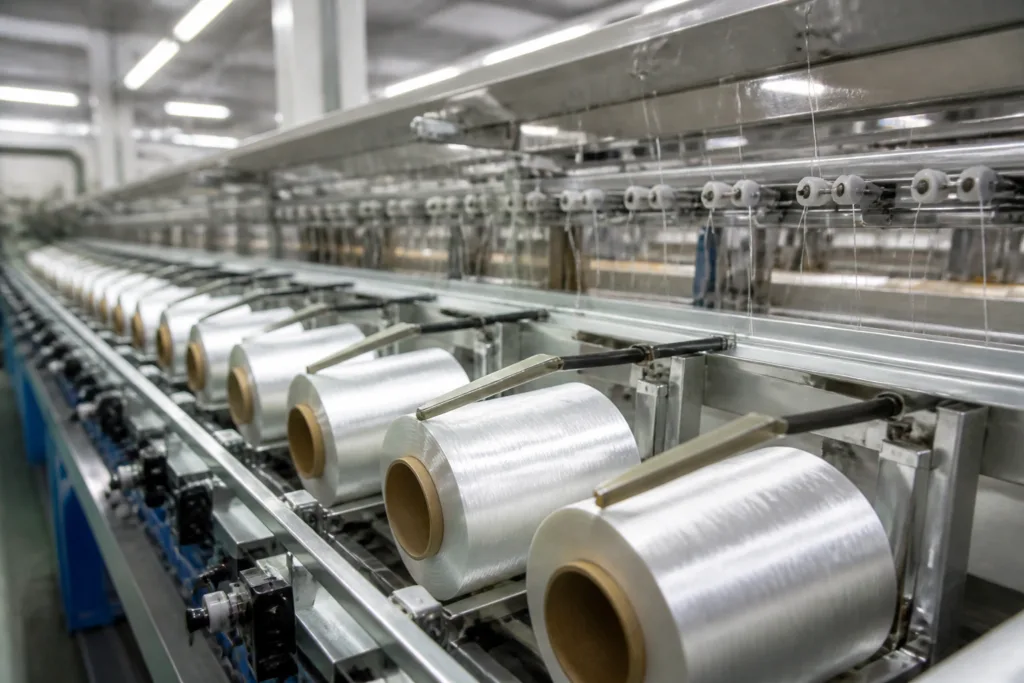
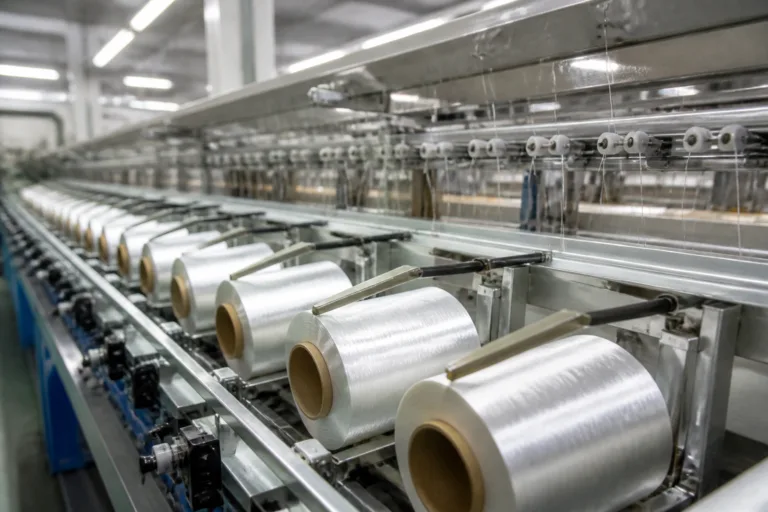
Polyester is a synthetic fiber made from petroleum-based chemicals. It’s known for durability, wrinkle-resistance, and versatility across industries, making it a staple in apparel, furniture, and even automotive manufacturing. Polyester fibers can be engineered for different textures and performance features, ensuring their widespread appeal.
How Virgin Polyester is Made
Virgin polyester is produced through a reaction between ethylene glycol (derived from petroleum) and terephthalic acid. This chemical process forms polyethylene terephthalate (PET), which is melted and extruded into continuous fibers. These can be spun into yarns for textiles or molded for other uses. The process is energy-intensive and depends on non-renewable fossil resources.
How Recycled Polyester (rPET) is Made
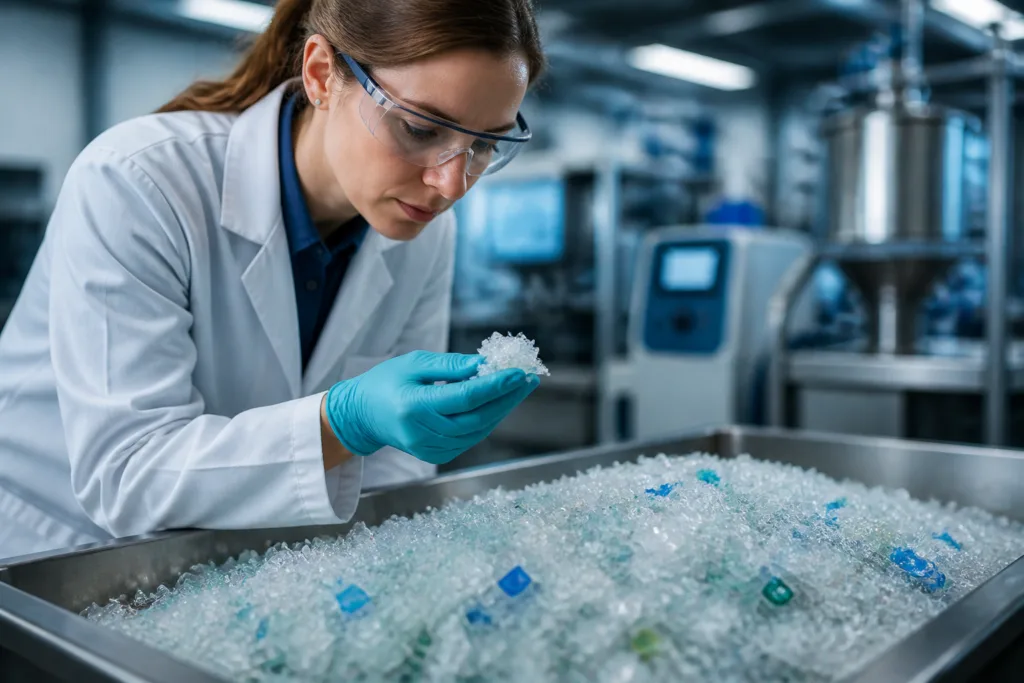
Recycled polyester, widely known as rPET, is created by reprocessing existing PET materials—mainly post-consumer plastic bottles and post-industrial waste. The plastics are cleaned, shredded, melted, and spun into new fibers. There are two main technologies: mechanical recycling (most common for textiles) and chemical recycling (which breaks PET into its basic monomers before re-polymerizing it).
Virgin Polyester vs. Recycled Polyester: A Side-by-Side Comparison
| Factor | Virgin Polyester | Recycled Polyester (rPET) |
|---|---|---|
| Raw Material | Petroleum-based chemicals | Used PET bottles / Waste plastic |
| Energy Use | High | Lower (mechanical recycling) |
| CO2 Emissions | High | Lower |
| Resource Use | Fossil fuels | Re-used resources |
| Performance | Consistent, customizable | Comparable to virgin |
| Cost | Generally stable | Can be higher, but dropping as technology scales |
| End-of-Life | Not readily biodegradable | Not biodegradable; can be recycled again |
The Environmental Impact of Virgin Polyester
Virgin polyester production relies on non-renewable petroleum and demands significant energy input. Its manufacturing generates greenhouse gases, contributing to climate change. Additionally, microplastic shedding during washing is a persistent issue, impacting ecosystems. For more on synthetic and natural fiber impacts, see The Definitive Guide: Natural vs. Synthetic Fibers Compared.
The Environmental Impact of Recycled Polyester (rPET)
rPET offers clear environmental advantages: it reduces dependence on fossil fuels, decreases landfill waste, and cuts energy use and emissions when compared to virgin polyester. It diverts plastic bottles from oceans and dumps, though it still releases microplastics when laundered. Chemical recycling can allow for infinite recycling, but is less common and more energy-intensive today.
Why Recycled Polyester (rPET) Matters in Sustainability
The shift to rPET is crucial for sustainable manufacturing. It encourages a closed-loop system by reusing existing plastics, lowering overall environmental impact. Brands are increasingly specifying rPET in their supply chains, often alongside certifications such as GRS or C2C for eco-label trust. Sustainable Labeling: Recycled Polyester and Organic Cotton—7 Key Benefits explores labeling systems that support this progress.
rPET and Plastic Waste Reduction
Billions of single-use plastic bottles are discarded each year. By turning these into rPET, the textile industry helps combat global waste. While rPET won’t solve the plastic problem alone, it’s a critical step toward circularity and greater resource efficiency, especially in apparel and home products.
Resource Conservation: How rPET Makes a Difference
Every kilogram of rPET produced means less oil is extracted, processed, and burned. Mechanical recycling also uses less power than creating new polyester from scratch. This conservation reaches beyond just textiles, affecting packaging, automotive, and industrial materials, reinforcing broader sustainable practices.
Applications of Virgin Polyester
Virgin polyester continues to dominate new applications where uniformity and purity are essential. This includes high-performance technical textiles, medical gear, some food packaging, and specialty films. It’s also selected for products requiring specific engineered properties not always achievable with recycled feedstock.
Applications of Recycled Polyester (rPET)
rPET is successfully used in apparel (activewear, outerwear, linings), footwear, soft furnishings, and nonwovens. Leading brands and retailers strive to boost the percentage of rPET in their collections, advertising it as a clear win for sustainability-minded shoppers. rPET adoption is also rising in carpets, backpacks, automotive interiors, and more.
Performance: Does Recycled Polyester Stack Up?
Today’s rPET fibers rival virgin polyester in strength, colorfastness, and appearance. Mechanical recycling can create minor differences in feel or dye uptake, but advances in processing minimize these gaps. Most users would not notice a difference in day-to-day wear or home use.
Cost Factors: Is rPET More Expensive?
Historically, recycled polyester has been somewhat pricier to source due to extra collection and processing steps. However, as recycling infrastructure grows and demand increases, price gaps are shrinking. Many leading apparel manufacturers now balance rPET content with cost targets without sacrificing performance or aesthetics.
How to Identify rPET in Products
Many reputable brands are transparent about material use, often labeling items with “rPET” or “100% recycled polyester.” Look for certifications like Global Recycled Standard (GRS) and Oeko-Tex to ensure credible sourcing. Be wary of vague “eco-friendly” claims: always check for traceable certifications or supply chain disclosure for genuine rPET use.
Consumer Considerations: Making Smart, Responsible Choices
Whether shopping for clothing, bedding, or home décor, consumers should weigh durability, care, and personal values. rPET-based products offer a direct way to support lower-impact manufacturing, though they are not biodegradable. Prioritizing certified and clearly labeled products helps build accountability throughout the textile industry.
Challenges and Limitations with Recycled Polyester
While rPET is a major improvement, it is not a cure-all. Mechanical recycling degrades fibers over time, eventually limiting reusability for textiles. Chemical recycling can close the loop but is in early stages for widespread use. Microplastic pollution remains an issue, urging the need for ongoing innovation and responsible laundering habits.
Innovation and the Future of Polyester Recycling
Cutting-edge chemical recycling and advanced sorting technologies are in development to increase the purity, quality, and infinite recyclability of polyester fibers. Collaborations across the apparel, packaging, and waste management sectors are critical to close the loop and reduce environmental burdens even further.
Designing with rPET: Tips for Fashion and Home Brands
Designers looking to incorporate rPET should consider mono-material designs and minimalist construction to further improve recyclability. For in-depth strategies, Mono-Material Design: 7 Ways It Transforms Recycling highlights practical steps to maximize post-use recovery. Balancing rPET use with classic design-for-durability principles can help create products that look good, last long, and tread lightly on the earth.
Polyester, rPET and Sustainable Certification
Certifications like the Global Recycled Standard (GRS) and Cradle to Cradle (C2C) assure brands and buyers that rPET fibers are sourced and processed according to rigorous environmental and social criteria. Companies aiming for sustainable supply chains often combine recycled content with eco-design certifications for maximum impact—see Eco-Design Certification: Cradle to Cradle for details.
Tips for Reducing Microplastic Shedding
Laundering synthetic fabrics, whether virgin or recycled polyester, releases tiny microplastic particles into wastewater. Selecting high-quality fabrics, washing full loads with mild detergents, using filtration devices, and air-drying can help minimize microplastic release—extending garment life and lessening environmental impact.
Industry Trends: Demand for Recycled Polyester is Climbing
The fashion, home textiles, and global industrial sectors are rapidly increasing recycled content targets. Major brands are pledging to use 50% or more rPET in upcoming collections. Even small- to mid-sized factories can now access rPET yarns suitable for diverse applications, accelerating positive impact at scale.
Case Study: Apparel Wiki’s Editorial Guidance for rPET Adoption
Apparel Wiki recommends brands balance rPET adoption with broader eco-friendly practices, such as mono-material strategies, minimal trims, and design-for-disassembly. Having a clear policy on certified rPET sourcing and responsible labeling (such as outlining fiber content transparently) helps inspire confidence—both within your team and for end customers.
Understanding Polyester: Virgin vs. Recycled (rPET)
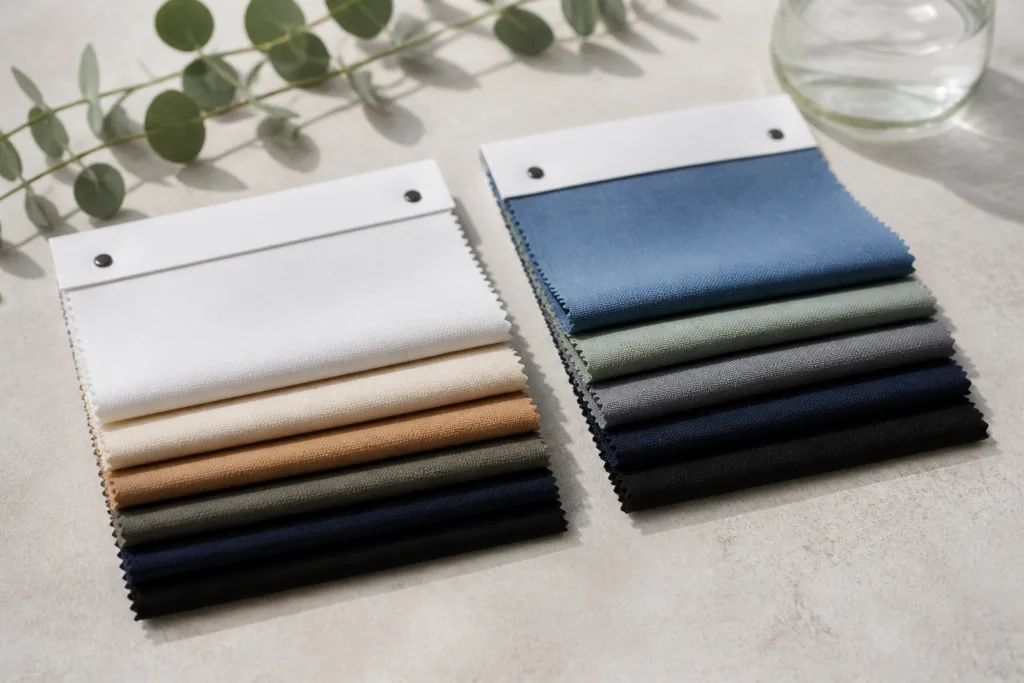
Ultimately, choosing between virgin polyester and rPET comes down to balancing performance needs with environmental values. Virgin polyester remains essential for some high-performance or medical uses. However, for fashion, home, and most general textile applications, rPET now offers quality with a much lighter environmental footprint. Paying attention to credible certifications, innovative design strategies, and transparent communication positions manufacturers, designers, and buyers to make truly impactful decisions for the future.
Frequently Asked Questions
What is the key difference between virgin polyester and rPET?
Virgin polyester is made from new petroleum-based materials, while rPET is produced by recycling PET plastics like used water bottles. rPET conserves resources and reduces waste.
Is rPET as durable as virgin polyester?
Yes, modern rPET performs similarly in strength, appearance, and longevity. Most users cannot tell the difference in everyday textile applications.
How do I know if a product uses real rPET?
Check for certifications like GRS and transparent labeling of “recycled polyester” or “rPET”—these ensure authentic, traceable recycled content in your item.
Does using rPET eliminate microplastic pollution?
No. Both virgin and recycled polyester can shed microplastics during laundering, so washing practices and fabric construction matter for pollution reduction.
Are there limitations to using recycled polyester?
Yes, rPET may have limited recyclability over multiple lifecycles, and some technical applications still require pure, virgin polyester for specific properties.
Do recycled polyester products generally cost more?
They can be slightly more expensive, but as recycling technology scales up and demand grows, price differences are narrowing across global markets.