Introduction: Spandex (Elastane)—The Science of Stretch
Spandex, also known as Elastane, stands out in textile science for its remarkable stretch. Engineered for comfort, flexibility, and performance, Spandex fibers are the unsung heroes behind athletic wear, fashion, and medical textiles. This article dives into the chemical structure, manufacturing, and widespread applications of Spandex, while also exploring sustainability, care, and practical tips for buyers and designers. Whether you’re curious about what makes Spandex unique, or aiming to optimize your apparel choices, you’ll find clear answers grounded in fiber science and industry practice.
The Chemistry Behind Spandex’s Stretchability
Spandex belongs to the polyurethane family. Its key feature is the block copolymer structure: alternating soft and hard segments. The soft segments provide elasticity, while the hard segments offer stability and recovery.
- Flexibility: The polymer chains stretch and return to their original form.
- Resilience: Spandex can elongate up to 500% without breaking.
- Durability: Tolerates repeated movement and stress.
According to Apparel Wiki, understanding this structure is essential for designers and technical teams who select fabrics for high-stress applications.
How Spandex Differs from Other Synthetic Fibers
Unlike polyester or nylon, Spandex’s molecular arrangement enables superior stretch. Polyester focuses on durability and moisture-wicking, nylon on strength, while Spandex prioritizes flexibility.
| Fiber | Stretch | Recovery | Main Uses |
|---|---|---|---|
| Spandex | Very high | Excellent | Activewear, lingerie, medical |
| Polyester | Low | Good | Outerwear, casual apparel |
| Nylon | Moderate | Good | Swimwear, hosiery, backpacks |
The Manufacturing Process of Spandex
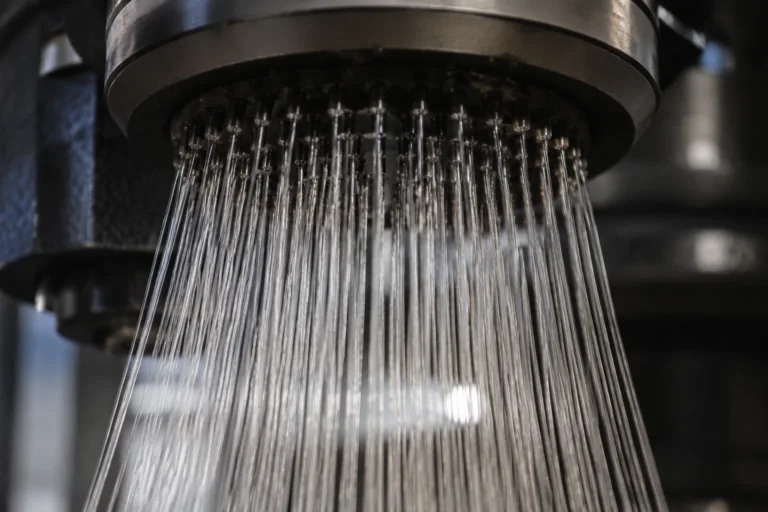
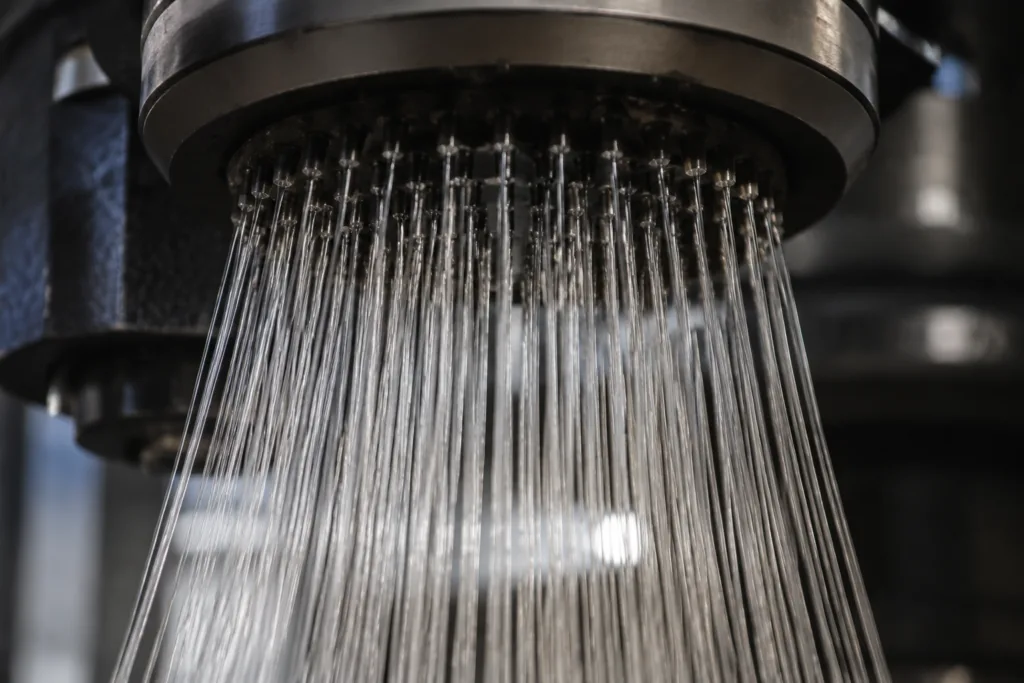
Spandex is made mainly by solution or melt spinning. The process begins with polymerization of polyurethane, which is then extruded through spinnerets to form filaments. These filaments undergo heat treatment, drawing, and winding, creating a fiber ready for textile blending.
- Solution Spinning (most common): Dissolves the polymer in a solvent and extrudes it as filaments.
- Melt Spinning: Less used; involves melting the polymer and spinning it into fibers.
Blending Spandex with Other Fibers
Spandex seldom appears alone. It’s blended in small percentages (typically 2–10%) with cotton, polyester, or nylon. The resulting fabrics combine elasticity with the parent fiber’s properties, enhancing fit and comfort. Blending also allows designers to use Spandex in everything from jeans to seamless sports bras.
Key Properties of Spandex and Elastane
Spandex fibers are valued for:
- Exceptional stretch and recovery
- Lightweight feel
- Resistance to perspiration and body oils
- Low moisture absorbency
- Excellent shape retention
These properties make Spandex ideal for garments requiring movement and a close fit.
Applications in Athletic Apparel
Spandex revolutionized sportswear. Compression tights, cycling shorts, and swimwear rely on its stretch. Spandex enhances muscle support, reduces chafing, and allows unrestricted movement. This is why major brands invest in Spandex-containing fabrics for athletes and active individuals.
Fashion Industry: Comfort Meets Design
From skinny jeans to shapewear, Spandex ensures clothes conform to the body’s curves without sagging or bagging. Designers love Spandex for achieving sleek silhouettes and creative fits, while consumers appreciate the comfort and freedom it provides.
Other Industries Relying on Spandex
Beyond fashion and athletics, Spandex serves medical sectors (as bandages and support garments), home textiles (such as fitted sheets), and performance costumes.
The Science of Stretch: How Spandex Works
When a Spandex fiber is pulled, polymer chains uncoil and align, storing energy. Upon release, they return to their coiled form. This science explains why Spandex always “snaps back” and maintains shape after multiple wear cycles.
Comparing Spandex to Natural Elastics
Natural rubber once dominated stretch materials. Spandex offers longer lifespan, better heat resistance, and less loss of elasticity. It’s less prone to degradation from body oils and sunlight than rubber or latex.
Innovations in Spandex Fabric Construction
New weaving and knitting techniques, such as power mesh or seamless construction, maximize Spandex’s performance. High-tech machinery can combine Spandex with man-made cellulosic fibers or recycled synthetics, achieving advanced fabrics for both aesthetics and function.
Designers increasingly explore mono-material design to simplify recycling. For example, pairing Spandex with polyester makes sorting and reclaiming easier than mixing with cotton.
Environmental Impact and Sustainability Concerns
Spandex is petroleum-derived and non-biodegradable, raising environmental questions. Manufacturing produces emissions and waste, and the fiber’s resistance to break-down poses recycling challenges.
Some brands are targeting lower-impact options, including biodegradable Spandex and blended fabrics that minimize use of virgin synthetics. For further industry insights, see Sustainable Innovation: The Surging Popularity of Man-Made Cellulosic Fibers.
Sustainable Alternatives to Traditional Spandex
Manufacturers are researching bio-based Spandex and improved recycling processes. While alternatives still struggle with matching the elastic performance of conventional Spandex, progress is underway. Lenzing and other fiber companies have launched “greener” elastane variants as part of a wider eco-design movement.
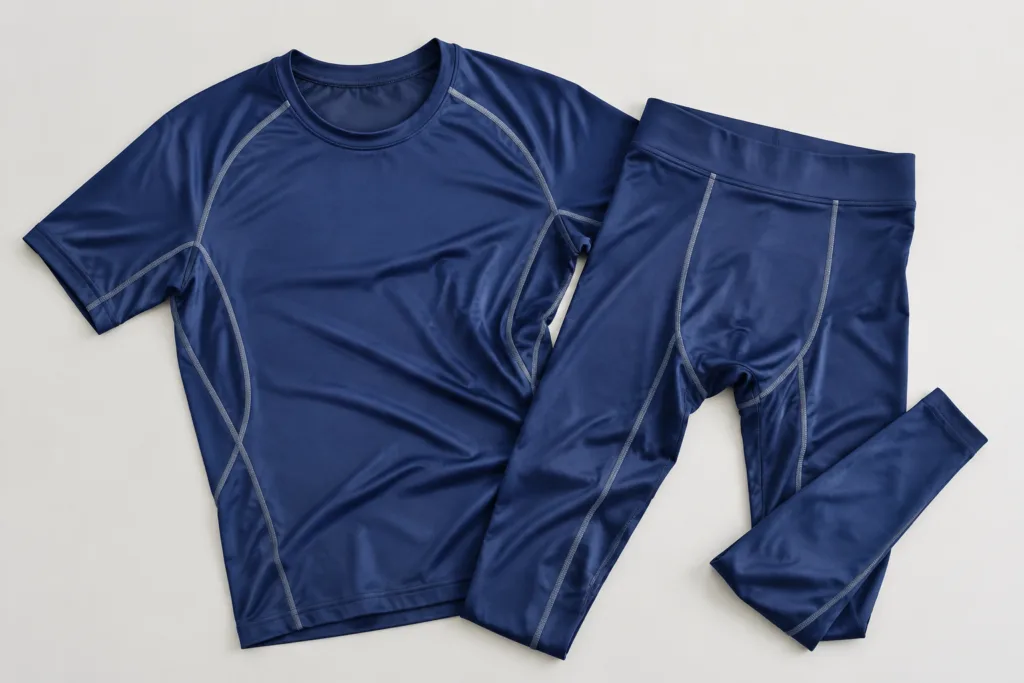
Eco-design certification is also emerging as a standard, supporting responsible materials selection for both Spandex and its substitutes.
Recycling and Disposal of Spandex: Industry Challenges
Unlike cotton or wool, Spandex cannot be recycled through conventional methods. Separation from blended fabrics is difficult. Mono-material designs and new chemical recycling technologies aim to make disposal more efficient, but widespread implementation remains limited.
Choosing Spandex Fabrics: Factors to Consider
When selecting textiles containing Spandex, consider:
- Stretch percentage (how much the fabric can elongate)
- Recovery rate (how well it returns to shape)
- Blending ratio with other fibers
- Intended use—athlete, casual, medical, etc.
Apparel Wiki recommends examining sample garments under real conditions to assess long-term performance.
Care Tips for Spandex-Enriched Textiles
To maximize lifespan:
- Wash with mild detergents
- Use cold water; avoid high temperatures
- Air dry; avoid tumble dryers
- Avoid contact with oils, lotions, or bleach
- Store away from direct sunlight
These habits prevent breakdown of the elastic polymer chains.
Understanding Spandex in Apparel Construction
Spandex isn’t just a material—it affects garment design. Designers must account for its shrinkage, stretch direction, and sewing requirements. Special needles, threads, or seams may be used to prevent damage during assembly. This detail-oriented approach enables optimized fit and lasting quality.
Common Misconceptions About Spandex and Elastane
Many believe Spandex makes all fabrics equally stretchy. In fact, the amount, blending ratio, and construction method determine the stretch profile. Not every Spandex-containing textile offers the same performance.
Spandex (Elastane): The Science of Stretch.
At its core, Spandex (Elastane) provides dynamic stretchability for apparel and technical textiles. The science behind its polymer structure, combined with industrial innovations, makes Spandex indispensable for modern comfort and performance. As sustainability becomes increasingly crucial, fiber science is evolving to make Spandex less impactful—without sacrificing function.
Spandex and Modern Fashion Trends
The rise of athleisure, body-positive movements, and wearable technology has increased demand for Spandex-rich garments. Flexible, responsive fabrics meet both style and lifestyle needs, expanding Spandex’s relevance beyond traditional use cases.
The Future of Spandex: Innovations Ahead
Expect developments in bio-based Spandex, smart fabrics, and advanced recycling. As industry shifts toward circularity, Spandex blends will be scrutinized for eco-fit and recyclability. Tech-driven manufacturing will support better stretch, durability, and customization.
Expert Tips: Selecting the Right Spandex-Containing Garments
Whether shopping or manufacturing, balance stretch, comfort, durability, and environmental footprint. Read care labels, ask about blending ratios, and examine sample garments. For regulated products, ensure compliance with relevant standards—especially for intimate apparel and sports gear.
Summary Table: Spandex Fiber Applications and Impact
| Application | Stretch Required | Typical Blend | Care Note |
|---|---|---|---|
| Athletic Apparel | High | Spandex + Polyester | Cold wash, air dry |
| Fashion Jeans | Moderate | Spandex + Cotton | Low heat, gentle cycle |
| Medical Wear | High | Spandex + Nylon | Hand wash, no bleach |
| Lingerie | Very high | Spandex + Nylon | Delicate wash |
Conclusion: Spandex’s Enduring Role in Apparel Science
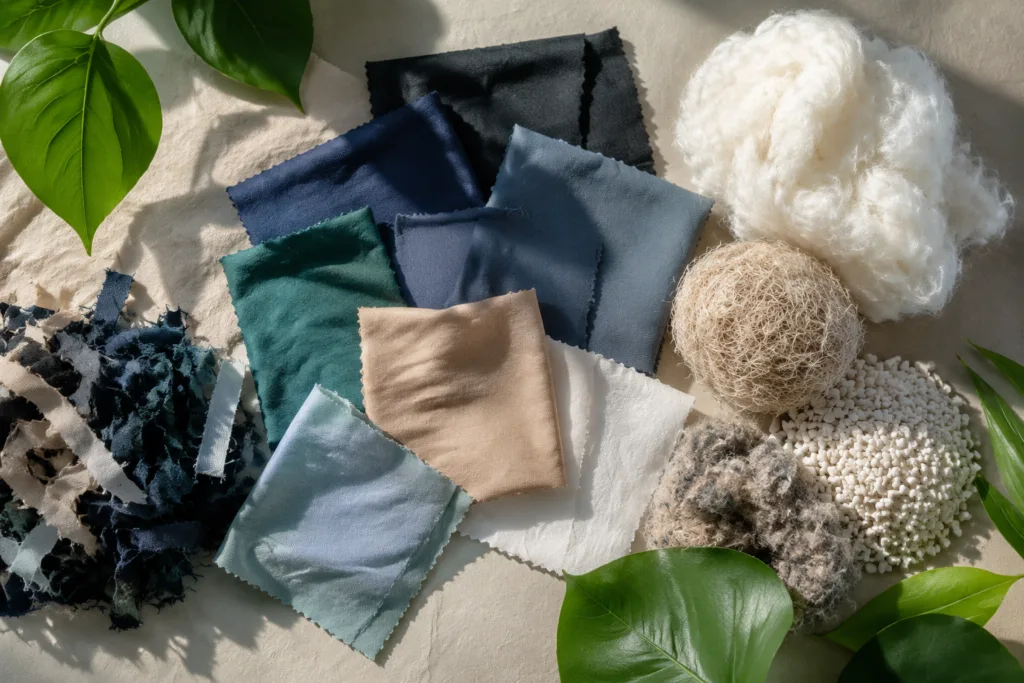
Spandex and Elastane remain cornerstones in fiber innovation—shaping how clothes fit, move, and perform. Understanding the science behind their stretch lets designers, brands, and consumers make smarter choices for comfort, style, and sustainability. As eco-conscious developments advance, Spandex will continue to evolve, supporting textiles that are not only flexible but responsible. Always check fiber blends, read labels, and give special care to Spandex garments for optimal use.
Frequently Asked Questions
How does Spandex differ from other stretch fabrics?
Spandex has greater elasticity and recovery compared to most synthetic and natural stretch fibers. Its block copolymer structure gives it superior performance in sportswear and fitted garments.
Can Spandex-containing fabrics be recycled?
It is challenging—Spandex is hard to separate from blended textiles. Emerging chemical recycling methods and mono-material design help, but traditional processes are limited.
What percentage of Spandex is ideal for athletic wear?
Most athletic garments use 5–20% Spandex blended with other fibers. Higher percentages increase stretch, but too much can affect fabric strength and breathability.
Does repeated washing damage Spandex?
Washing with harsh chemicals, high heat, or frequent drying can degrade Spandex fibers. Gentle washing and air drying significantly prolong their elastic life.
Are bio-based Spandex alternatives as stretchy as conventional Spandex?
Bio-based options are improving, but many currently offer less stretch or longevity than traditional Spandex. Research is ongoing for better performance and sustainability.
How can I tell if a fabric contains Spandex?
Check the care label or product description. Fabrics with Spandex will list it in the fiber content, often using names like Elastane or Lycra as well.
Related Reading
- Unlocking the Differences Between Virgin & Recycled Polyester
- Man-Made Cellulosic Fibers: Next-Level Sustainability in Textile Making
- Natural vs. Synthetic Fibers: Smarter Apparel Choices for Designers
- How to Design Clothing That Lasts Longer (And Why It Matters)
- Mono-Material Construction: Easier Recycling, Greater Sustainability
- Cotton Varieties Explained: Pima, Egyptian & Upland for Ultimate Comfort