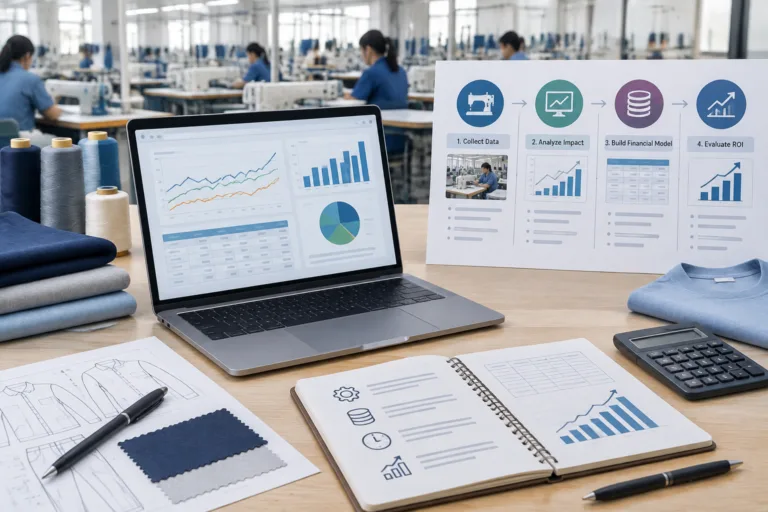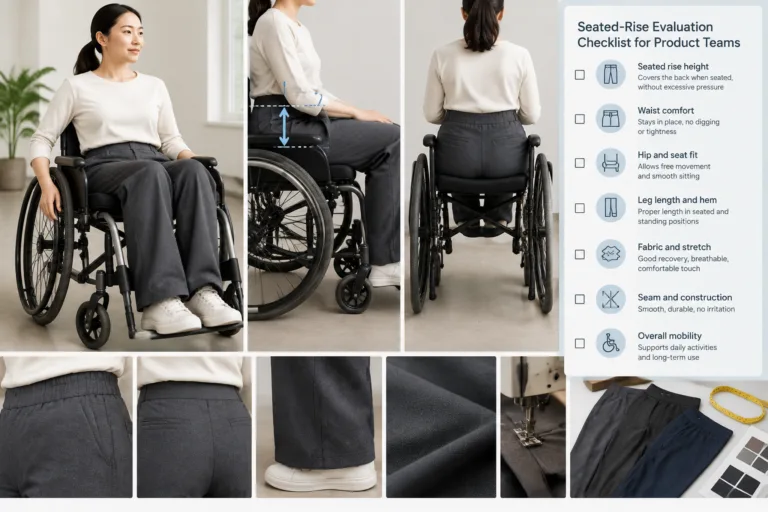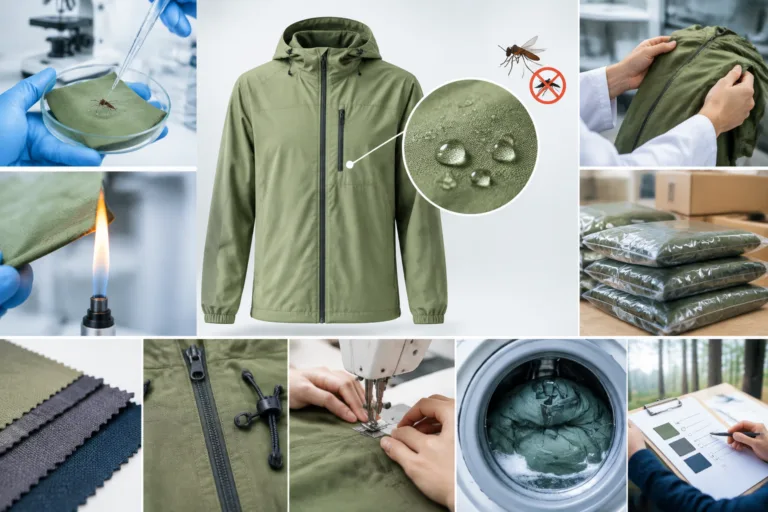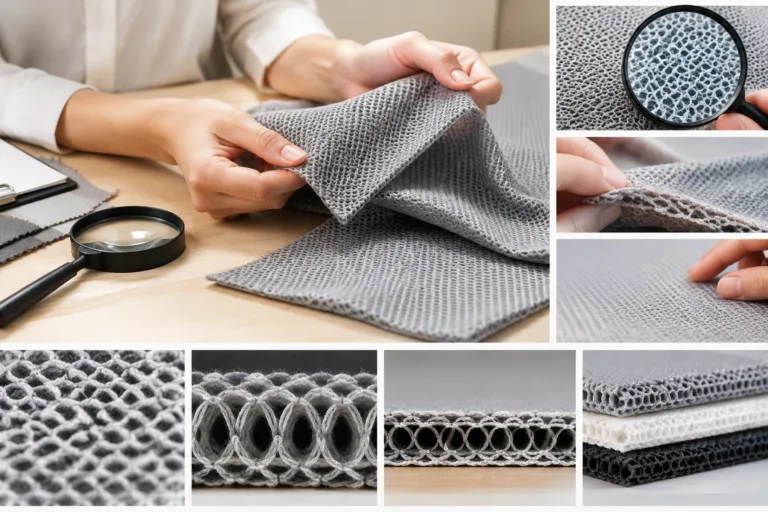

Many first-time founders think the brand starts when the garments are produced. In practice, the more expensive problems usually start when production begins before the brand is clear. If you want to build clothing brand before production, the real work starts earlier: deciding what the brand stands for, who it is for, what product category it will enter, what visual direction it will use, and whether people actually respond to the concept before inventory is made.
For readers who also need the bigger operational picture after the brand strategy stage, this complete startup-to-production manufacturing guide helps connect early brand thinking with sampling, MOQ, production planning, supplier communication, and the common transition points where startup apparel projects become more expensive or more stable.
That sequence matters because clothing is not just an idea business. It is a specification business. Once you move into sampling and bulk production, your positioning affects fabric choice, fit direction, trim decisions, decoration methods, packaging, pricing, and order volume. A vague brand usually creates vague products. A vague product is hard to market, hard to price, and risky to reorder.
At Apparel Wiki, the practical view is simple: do not use manufacturing to discover your brand. Use pre-production work to reduce uncertainty first. Then production becomes a more controlled decision instead of a guess with inventory attached.
Why building the brand before production matters
Pre-production brand building is not only a marketing exercise. It is the foundation for product development. If your positioning is not clear, you will struggle with basic questions such as:
- What category are you actually entering?
- Are you selling basics, premium blanks, fashion graphics, uniforms, activewear, or community merchandise?
- Is your buyer price-sensitive, fit-sensitive, trend-sensitive, or quality-sensitive?
- Should the first launch focus on one hero product or a wider capsule?
- What quality level is necessary to match your intended retail price?
These questions affect every later stage. A heavyweight streetwear T-shirt brand, for example, may need a different GSM target, fit block, neck rib construction, and print approach than a budget promotional apparel brand. A women’s Pilates label will likely need different fabric recovery, opacity, and size-set testing than a unisex art-graphic tee brand. If positioning is unclear, development drifts.
Brand building before production also helps avoid false confidence. Many founders get excited by mockups, logo files, and supplier quotes, then assume the business is ready. But a brand is not validated because a factory can make it. It is validated when the offer makes sense to a specific customer and that customer responds with attention, sign-ups, pre-orders, or repeat interest.
What goes wrong when clothing brands start with manufacturing too early

In many startup projects, the biggest mistake is not choosing the wrong factory. The mistake is entering manufacturing with too many unanswered brand questions. That usually creates one or more of these problems:
Too many products too soon
Founders often launch hoodies, T-shirts, caps, pants, and accessories together because it looks like a full brand. In reality, it increases MOQ pressure, fit complexity, fabric sourcing variables, and cash tied up in slow-moving stock. A narrow start is usually easier to test and explain.
One reason this happens is that the founder has not decided how many designs to launch with. Without that decision logic, the line becomes a mood board instead of a structured first collection.
Weak positioning hidden behind design
Some brands rely on graphics or slogans to create identity, but the market still cannot tell what makes the brand different. Is it premium fit? Local community appeal? Technical performance? Minimalist everyday wear? Sustainability logic? Cultural point of view? If the answer is unclear, the product may look finished but still feel generic.
Wrong price-to-product match
A founder may want a premium retail price while developing an entry-level product. Or they may overbuild the first product with expensive fabric, labels, and packaging for a customer who mainly wants accessible pricing. The issue is not price alone. It is the relationship between price point, perceived value, and target customer expectations.
Inventory before demand
When production happens first, founders often discover too late that there was interest in the idea but not enough interest in the actual product. Likes do not always convert. Friends are not a market. Bulk production without real demand signals is one of the fastest ways to create dead stock.
Sampling without decision criteria
Factories can make samples, but they cannot define your brand for you. If the founder cannot clearly brief silhouette, fit, fabrication, print style, finishing level, and target retail range, each sample round becomes slower and more expensive. Cornell’s guidance on the apparel product development process, prototypes, and production planning aligns with this: development should move through definition, prototype review, and production planning before commercialization, rather than jumping straight to bulk orders.
Step 1: Define your brand positioning
Positioning means the specific space you want to occupy in the customer’s mind. It is not your mission statement alone. It is the practical answer to: why should this customer care about this brand instead of another option?
A useful positioning statement is usually built from five parts:
- Target customer
- Category focus
- Price level
- Style or product point of view
- Reason to believe
For example, a weak positioning line might be: “A modern streetwear brand for everyone.” That is too broad. A stronger version might be: “A heavyweight essentials brand for men aged 20 to 32 who want clean oversized silhouettes and better fabric than fast fashion without entering luxury price levels.” Now the product direction is clearer.
Founders often skip this because it feels restrictive. But good restriction is useful. It helps you say no to unnecessary categories, fabrics, graphics, and marketing directions.
How to choose a clear niche, category, and market angle
Do not start by asking what products you personally like. Start by asking where the market gap is clear enough to explain in one sentence. If you need help with that stage, this guide on how to choose a clothing niche is useful because niche clarity usually determines what kind of first product range can be developed realistically.
To pressure-test your niche, answer these questions:
- What category will lead the brand: tees, hoodies, active sets, uniforms, kidswear, modest wear, workwear, or something else?
- What problem are you solving: poor fit, weak quality, unclear identity, low durability, lack of inclusive sizing, or poor design taste in a specific segment?
- What is your price neighborhood: budget, mid-market, premium accessible, or designer?
- What is your market angle: local identity, technical fabric, minimalist fit, sport use, culture-led graphics, or elevated basics?
Good early positioning is usually narrow enough to guide product decisions but broad enough to expand later. For example, “premium gymwear for serious runners” is narrower than “activewear for everybody,” but still leaves room to grow into tops, shorts, outer layers, and accessories over time.
| Positioning Element | Weak Version | Stronger Version |
|---|---|---|
| Customer | Everyone | Women 25–38 buying polished casualwear for work and weekends |
| Category | Fashion apparel | Relaxed woven shirts and easy trousers |
| Price | Affordable premium | Mid-market with selective premium fabric upgrades |
| Style angle | Trendy | Clean, neutral, repeat-wear wardrobe basics |
| Reason to believe | Great quality | Better fabric hand feel, practical fit, simplified styling |
Step 2: Identify your target customer
A target customer is not only a demographic label. Age and gender alone are too shallow for apparel decisions. In clothing, the useful customer profile combines style behavior, use case, price tolerance, shopping habits, and product expectations.
Many founders say they know the customer because “I am the customer.” That can help at the idea stage, but it is not enough for production planning. Your own taste does not automatically represent a scalable buying group.
How to build a customer profile that helps product decisions
Build your customer profile around the factors that actually change the product:
- Style preference: fitted, oversized, minimalist, technical, sporty, graphic-led, modest, trend-driven, or utility-led
- Use scenario: gym, office casual, weekend wear, campus wear, club merchandise, creator merch, work use, or lounge use
- Price comfort: impulse buy, considered purchase, or premium buy
- Fit expectation: body-skimming, relaxed, oversized, tall-friendly, petite-friendly, or inclusive sizing
- Fabric expectation: soft hand feel, heavyweight structure, stretch, breathability, easy care, opacity, or durability
- Buying behavior: buys through drops, basics replenishment, trend seasons, community identity, or event-based purchasing
This detail may look small, but it can create problems later if it is not confirmed early. A customer who buys oversized streetwear for silhouette and fabric weight does not evaluate the product the same way as a customer buying low-cost event tees. If you miss that difference, your fit and material decisions may be wrong even if the graphics are good.
From a garment development perspective, the customer profile should also influence your first size range, fit sample choice, and grading approach. A startup that targets a unisex oversized fit may need different body measurement logic than a women’s close-fit activewear project. This is where broader terminology and development guidance from Apparel Wiki becomes useful, because the brand strategy stage should eventually connect with measurable garment specifications.
A simple target customer worksheet
| Area | Questions to Answer |
|---|---|
| Identity | Who are they in practical terms, not just demographics? |
| Wardrobe behavior | Do they repeat core basics or chase new drops? |
| Price sensitivity | What price would feel normal, high, or suspiciously cheap? |
| Product priority | What matters most: fit, feel, graphics, function, status, or convenience? |
| Shopping channel | Will they discover you through Instagram, TikTok, pop-ups, communities, or referrals? |
| Purchase trigger | Why would they buy now rather than later? |
Step 3: Develop your visual style direction
Visual identity is where many founders start, but it works better after positioning and customer clarity are already defined. Otherwise the brand may look polished but feel disconnected. Your visual system should help the right customer recognize the brand quickly and understand what type of product experience to expect.
What visual identity needs to cover
For a clothing startup, visual direction usually includes:
- Logo logic, not just one logo file
- Color palette
- Typography
- Image style
- Garment graphic language
- Product presentation style
- Packaging tone
- Website and social layout consistency
The key is coherence. If your positioning says elevated essentials but your content looks chaotic, neon, and meme-driven, the customer receives mixed signals. If your brand says technical performance but your garments and visuals do not communicate utility, movement, or function, trust drops.
Brand mood and product aesthetic consistency
Try to define your visual direction in practical words, not abstract ones. Instead of “clean luxury streetwear vibes,” write something you can brief to a designer, photographer, or supplier:
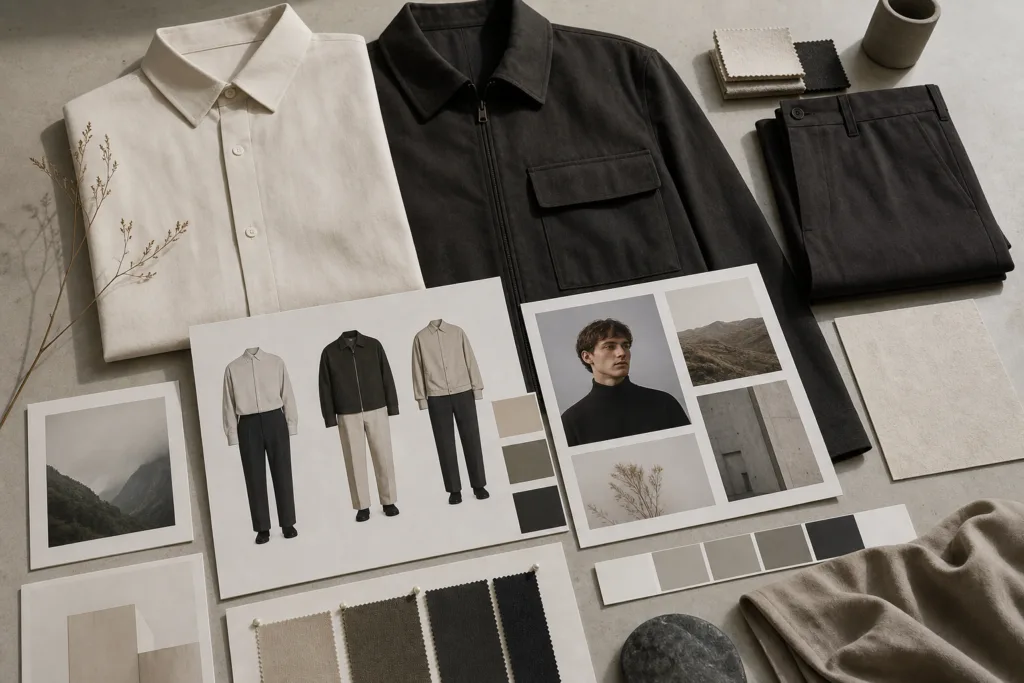
- Neutral, low-saturation palette
- Oversized silhouettes with structured drape
- Minimal chest branding
- Matte trims instead of shiny trims
- Studio imagery with direct front-back garment views plus worn lifestyle shots
- Packaging with one-color print and simple woven main label
This level of clarity helps later when you brief labels, hang tags, website design, line sheets, and social content.
It also helps when you move toward product development. For example, if the brand relies on soft premium basics, then choosing fabric for a first clothing line becomes part of the visual and sensory identity, not just a sourcing task. Fabric surface, weight, opacity, and drape all affect how the brand is perceived.
Examples of how visual direction changes the product
A few simple examples show why this stage matters:
- Minimalist premium basics: likely cleaner branding, consistent neutral color cards, heavier jersey or stable fleece, refined packaging, lower graphic dependency
- Youth graphic streetwear: stronger print identity, bolder campaign imagery, more seasonal graphics, potentially lower repeatability if the art direction changes too often
- Women’s activewear: visual identity often needs to communicate fit confidence, movement, opacity, and body comfort, not only logo appeal
- Uniform or teamwear: clarity, function, durability, and easy reordering logic may matter more than trend styling
Step 4: Validate the brand concept on social media before production
Pre-launch validation is where many founders either gain useful evidence or avoid it. Testing demand before production does not mean running a few posts and asking friends if they like the logo. It means using content and audience response to learn whether your offer is understandable, attractive, and worth developing further.
The goal is not viral reach. The goal is decision-quality feedback.
What to validate before making inventory
- Does the audience understand the brand quickly?
- Do certain product concepts get stronger response than others?
- Is the price direction accepted or resisted?
- Are people interested enough to join a waitlist, answer polls, or request launch updates?
- Do comments reveal confusion about fit, use case, or style direction?
If people like your mood board but do not engage with actual product logic, that is not enough. If they react positively to one garment category and ignore the rest, that is useful. If they ask when they can buy, what sizes will be available, or whether a style comes in another color, those are stronger signals than generic compliments.
What to post during the pre-launch phase
You do not need finished inventory to start testing. In fact, testing before inventory is often safer. Useful pre-launch content can include:
- Brand story and positioning statement in simple language
- Visual mood boards that show the aesthetic direction
- Sketches, mockups, and silhouette concepts
- Fabric swatches or material direction if that is central to the brand
- Fit reference comparisons such as relaxed vs oversized
- Polls on color, product priorities, or first-launch categories
- Behind-the-scenes decision content about quality, fit, or development tradeoffs
- Email waitlist calls for early access
The point is not to pretend the product is already finished. The point is to make your audience part of the validation process while keeping enough control to interpret the feedback clearly.
How to read social signals properly
Many founders overvalue vanity metrics. A better filter is to rank signals by commercial meaning:
| Signal | What It Usually Means | Value for Validation |
|---|---|---|
| Likes | Surface-level approval | Low |
| Saves | Interest strong enough to revisit | Medium |
| Comments asking product questions | Real curiosity | High |
| Poll participation | Preference data | Medium to high |
| Email sign-ups | Action beyond scrolling | High |
| Pre-order intent or deposit willingness | Commercial validation | Very high |
This is also the stage where cost discipline matters. If your validation suggests one hero item is working, do not expand the range too early. Use the evidence to reduce complexity. A realistic budget breakdown for a new clothing brand often shows that trying to launch too broadly can weaken both marketing and production execution.
How to know whether your brand idea is strong enough to move into sampling
Sampling should start when the brand has enough clarity to produce useful prototypes, not when the founder is simply eager to see garments made. A strong pre-sampling stage usually means you can answer the following without guessing:
- What is the first hero category?
- Who is the target customer?
- What fit direction is required?
- What price range are you targeting?
- What quality level is necessary to justify that price?
- What visual style and branding details are fixed enough to brief?
- What demand signals suggest this product deserves further development?
If you cannot answer these clearly, sampling may still be possible, but it will likely become exploratory rather than efficient. Exploratory sampling is not always wrong, but founders should recognize that it costs more and teaches less if the brief keeps changing.
Decision checkpoints before first samples
- The first product category is clearly chosen
- The launch range is intentionally limited
- The target retail price is realistic for the market angle
- The customer profile has been written, not kept in your head
- The visual identity is coherent enough for labels, graphics, and content
- At least one audience validation channel is active
- You know what feedback you need the sample to answer: fit, feel, print quality, drape, shrinkage, or size grading potential
Brand strategy checklist before making first products
Before you commit to manufacturing, run through this checklist honestly:
- Can you explain the brand in one sentence without vague terms?
- Is the first customer group specific enough to target with content and product decisions?
- Have you chosen a lead category instead of a scattered collection?
- Does the expected retail price match the product level you can actually make?
- Is your visual identity consistent across logo, tone, imagery, and garment direction?
- Have you collected demand signals stronger than compliments from friends?
- Do you know what should be tested in samples before bulk production?
- Have you estimated cost, MOQ exposure, and launch cash requirements?
If several answers are still weak, the right next step may be more validation, not more manufacturing.
Common mistakes in pre-production brand building
Copying competitors too closely
Reference brands are useful, but too much imitation creates unclear identity. The result is often a product that looks familiar without giving customers a reason to switch.
Confusing audience praise with purchase intent
Positive comments can feel encouraging, but they do not automatically mean launch readiness. Try to collect signals that require more effort from the audience, such as waitlist sign-ups, survey completion, or preference ranking.
Building the logo before building the offer
Identity design matters, but the logo cannot solve a weak market angle. The product promise must come first.
Overdeveloping without proof of demand
Some founders spend heavily on full packaging systems, large color ranges, and multiple fits before a single market signal is confirmed. This can lock money into the wrong version of the brand.
Ignoring future production implications
Even in the strategy stage, think ahead. A complex trim package, many colorways, or difficult decoration technique may look attractive in concept but create higher MOQs, longer lead times, and more quality-control risk later.
When it is actually the right time to start production
The right time to start production is usually after the brand has passed three tests:
- Clarity test: the brand, customer, and hero product are clearly defined
- Validation test: there is evidence of real interest, not only personal enthusiasm
- Development test: samples or prototype plans can now answer specific technical and commercial questions
This does not mean everything must be perfect. Early brands often improve after launch. But there is a big difference between refining a clear concept and trying to rescue an unclear one with inventory.
In apparel sourcing practice, a controlled start is usually stronger than a dramatic one. One clear product with strong positioning, a defined customer, and credible demand signals often teaches more than a wide launch with uncertain traction.
Conclusion

To build clothing brand before production, think in this order: positioning first, customer second, visual coherence third, demand validation fourth, then sampling and manufacturing. That sequence reduces waste and gives each development step a clearer purpose.
For founders, the key is not only making something that can be produced. It is making something that a defined customer understands, wants, and is likely to buy at the price and quality level you can realistically deliver. When that foundation is in place, production becomes a strategic move instead of an expensive experiment.
FAQ
Can you start a clothing brand without inventory?
Yes, many founders start without inventory by validating the concept first through content, audience building, waitlists, pre-orders, samples, or low-risk launch models. The important point is not avoiding inventory forever. It is avoiding bulk inventory before the brand, customer, and first product direction are clear enough to justify it.
How much brand clarity do you need before sampling?
You do not need every detail finalized, but you should know your target customer, hero category, expected price range, fit direction, and overall visual identity before sampling. Without that clarity, sample feedback becomes harder to interpret because you are testing too many unknowns at the same time.
What is the biggest mistake new clothing founders make before production?
The most common mistake is manufacturing too early without clear positioning or real demand signals. This often leads to excess inventory, scattered product choices, confusing branding, and unnecessary spending on products the market did not ask for.
Should you build the audience or the product first?
You should build both in parallel, but the audience should start earlier than bulk production. Even simple posts, concept visuals, and waitlist testing can help you learn which product direction is worth developing further before you commit to inventory.
How many products should a new clothing brand launch first?
In many cases, fewer is better. A focused launch built around one hero product or a very small capsule is easier to position, easier to explain, and less risky from both MOQ and cash-flow perspectives. The right number depends on your category, but clarity is more valuable than range width at the beginning.
When should a brand move from validation to production?
A brand should move into production when the concept is clear, the target customer is defined, the visual direction is coherent, and there is some evidence of real interest such as sign-ups, product questions, pre-order intent, or consistent engagement around the specific offer. Production is stronger when it answers proven demand instead of testing a vague idea.