Introduction: The Revolution of 3D Sampling in Cost Reduction and Waste Management
In today’s competitive apparel industry, the pressure to minimize physical waste and slash costs has never been higher. How 3D Sampling Reduces Physical Waste and Cost is vital knowledge for manufacturers, designers, and sustainability leaders. Through advanced 3D sampling technology, brands are transforming how they approach prototyping by shifting from traditional, resource-heavy physical samples to smart digital alternatives. This shift enables radical material savings, faster development timelines, and measurable environmental benefits. In this article, we’ll dive deep into the financial and ecological impact of 3D sampling, draw on real-world industry case studies, and explore future opportunities waiting to reshape design and production.
Understanding 3D Sampling: What It Is and Why It Matters
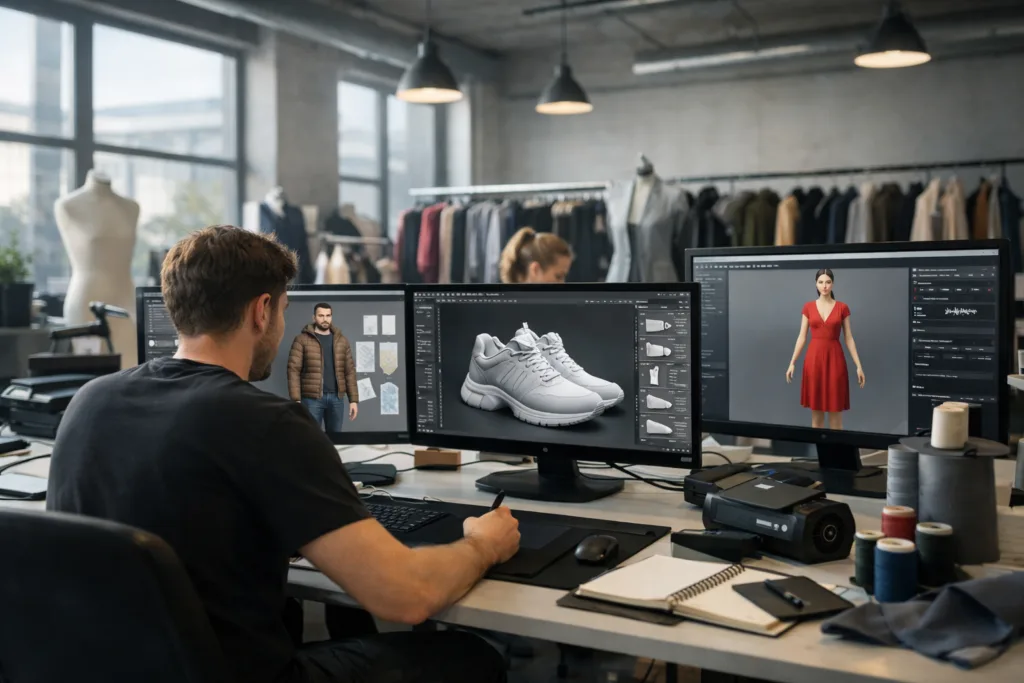
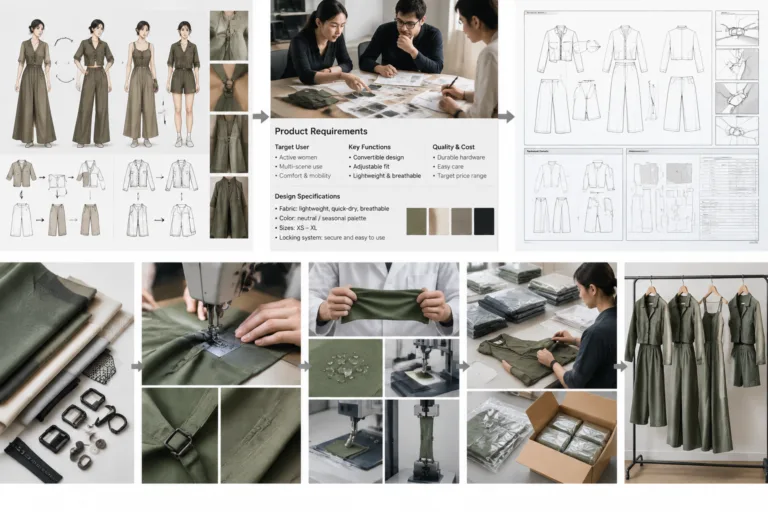
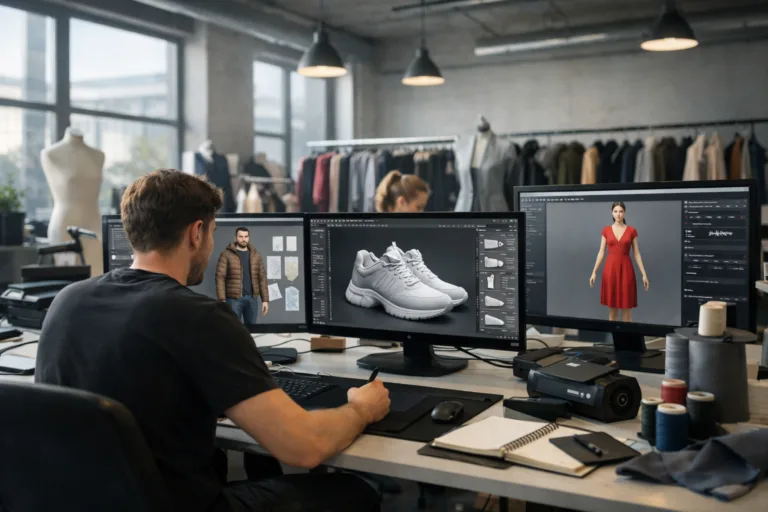
3D sampling is a digital process where designers create, adjust, and visualize product prototypes using specialized software. Instead of cutting and sewing multiple physical samples, creators can try out different colorways, materials, and fits virtually. This technology is integral to modern design workflows for apparel, footwear, and even industrial products. By leveraging 3D sampling, teams can review prototypes remotely, iterate faster, and make confident decisions before committing to physical production.
The Traditional Sampling Workflow: Where Waste and Cost Accumulate
Conventional sampling workflows involve exchanging multiple physical prototypes between teams and factories. Each iteration requires new materials, labor, shipping, and storage. These cycles stack up quickly, leading to overconsumption of textiles, increased carbon footprints, and ballooning expenses. For designers working on complex projects or frequent style launches, the inefficiencies compound.
How 3D Sampling Reduces Physical Waste and Cost
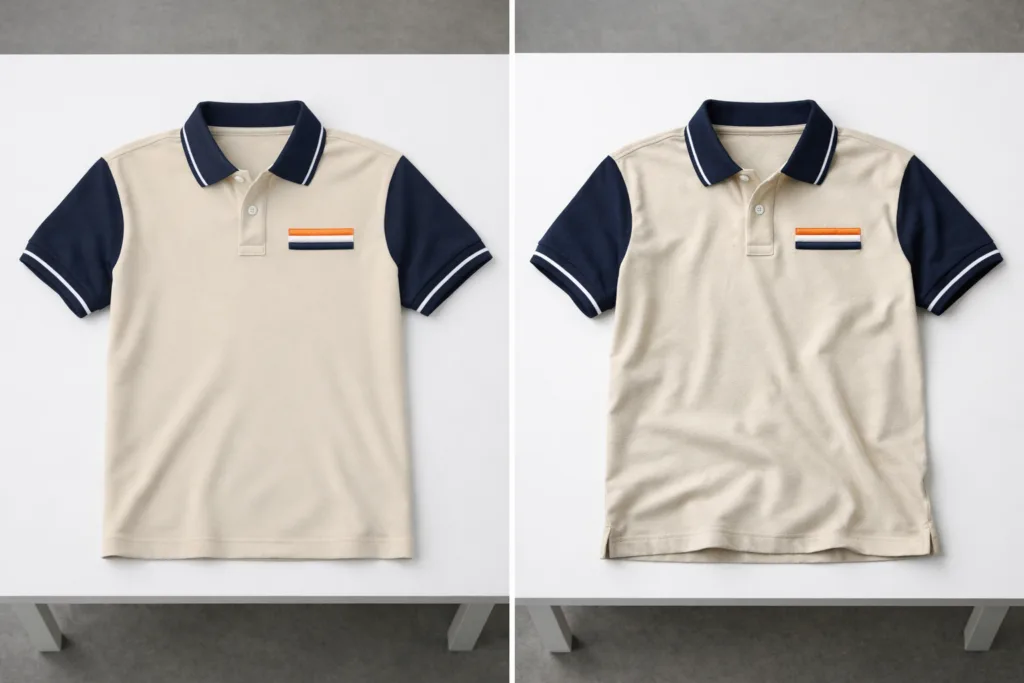
Implementing 3D sampling disrupts wasteful cycles. Digital prototypes replace physical ones, cutting material usage by up to 70% in some cases. It eliminates many hidden costs: fabric remnants, failed prototypes, excess packaging, and international shipping. By visualizing garments and fits on screen, stakeholders can resolve issues before production—saving money and resources. In turn, this process also minimizes landfill-bound textile waste.
Direct Financial Benefits for Manufacturers
Manufacturers reap tangible cost savings with 3D sampling. By reducing the number of physical samples required, labor hours, consumables, and logistical expenses shrink substantially. Projects move from months to weeks, unlocking faster sales cycles and lower operational overhead. Studies show that brands using digital sampling report up to 30% reduction in sample-related costs.
Case Study: Fashion Brand’s 3D Sampling Transformation
A global fashion brand recently adopted 3D sampling and cut its sample production costs by almost half. Designers utilized CLO3D and Browzwear, two leading platforms in the 3D fashion software landscape, and quickly iterated apparel designs without wasting physical resources. Virtual fittings allowed cross-team approvals, shortening sample lead times and reducing overall waste.
Environmental Advantages: Promoting Sustainability Through Reduction
3D sampling fuels a sustainability revolution in the sector. Less material consumption means fewer textiles sent to landfill. Reduced international sample shipments cut the carbon footprint. Digital workflows enable better material selection, precise fit adjustments, and responsible production planning—all translating to eco-friendly operations. Sustainability-conscious brands increasingly view 3D sampling as essential for ethical manufacturing and environmental stewardship.
Comparison Table: 3D Sampling vs. Physical Sampling
| Criteria | 3D Sampling | Physical Sampling |
|---|---|---|
| Material Waste | Minimal | High |
| Cost per Sample | Low | High |
| Development Time | Days | Weeks–Months |
| Carbon Footprint | Reduced | Elevated |
| Flexibility | High (easy edits) | Limited (must remake) |
| Stakeholder Collaboration | Remote, real-time | Physical presence |
Digital Prototyping: The Foundation for Lean Manufacturing
Digital prototyping, powered by 3D sampling, provides lean manufacturing benefits. By finalizing designs virtually, brands produce only what is needed, optimizing both fabric yield and sample lead times. For further insight, see fabric consumption markers that help maximize resource efficiency within BOM processes.
How Companies Benefit from Early Error Detection
Early error detection is a hallmark of 3D sampling. Unique defects, fit issues, or aesthetic flaws are spotted and corrected digitally, ensuring that finished samples are accurate. Fewer costly reworks mean faster approvals and fewer production delays—and ultimately less wasted material.
Streamlining Sample Lead Times with 3D Tools
Digital samples cut sample lead times drastically. With real-time feedback loops and instant visualizations, multiple rounds of revisions can be resolved in days instead of weeks. For smart strategies to manage timelines, read managing sample lead times with 3D workflows.
Virtual Fit Sessions: Achieving Perfect Sizing Without Waste
Virtual fit sessions help designers perfect garments without producing multiple physical variants. 3D avatars simulate real human bodies, allowing teams to adjust sizing, drape, and movement digitally. This efficient sizing work reduces the likelihood of costly returns and material overuse.
Feedback and Approval Cycles: Faster and Cleaner Than Ever
3D sampling enhances feedback and approval cycles. Stakeholders can annotate, review, and edit virtual prototypes asynchronously and remotely, avoiding the wait for physical sample shipments. This streamlined system reduces sample backlogs, cuts transport costs, and keeps the supply chain agile. Learn more about giving feedback efficiently in clear feedback on samples.
Reducing Hidden Costs in Apparel Manufacturing
Physical sampling introduces hidden expenses—storage, transport, customs, and waste disposal. 3D sampling reduces or eliminates these surprise costs. For practical examples, explore hidden costs in manufacturing.
Software Tools Powering 3D Sampling Success
Platforms like CLO3D, Browzwear, Gerber, and Lectra have spurred rapid adoption in fashion and product design. With intuitive interfaces, designers can create photorealistic virtual samples and share them easily. Most tools sync with BOM systems, ensuring accurate costing and materials planning.
Integration with BOM for Optimized Production
Integrating 3D sampling with Bill of Materials (BOM) workflows enables seamless planning. Designers can estimate fabric and trim needs digitally, avoiding material shortages and excess spend. For practical BOM guidance, see fabric converters and costing tools.
Addressing Industry Concerns: Skill, Training, and Adaptation
Some worry that 3D sampling software is complex. But most platforms are user-friendly and require only minimal onboarding. With growing demand, courses and tutorials are widely available. Apparel Wiki notes that iterative skill-building helps teams maximize efficiency and reduce learning curve hurdles.
Challenges to Widespread Adoption
Adoption challenges remain—upfront software investment, integrating with legacy systems, and change management. However, long-term financial and environmental gains far outweigh initial barriers. The industry trend is clear: digital sampling is the new normal.
Unlocking Sustainability Across the Supply Chain
By digitizing sampling, brands unlock sustainability up and down the supply chain. From mills to manufacturing, reduction in waste and improved efficiency extend beyond the first sample. This holistic approach fosters ethical sourcing, responsible production, and transparent material use.
Future Innovations: AI, Customization, and Enhanced Collaboration
Emerging AI capabilities and cloud collaboration features are refining 3D sampling even further. Soon, designers will create hyper-realistic samples that adapt to specific global markets, consumer needs, and material availability. Next-gen tools may offer even deeper integrations with BOM and costing systems—unlocking new ways to optimize production for sustainability.
How 3D Sampling Reduces Physical Waste and Cost: Real-World Results
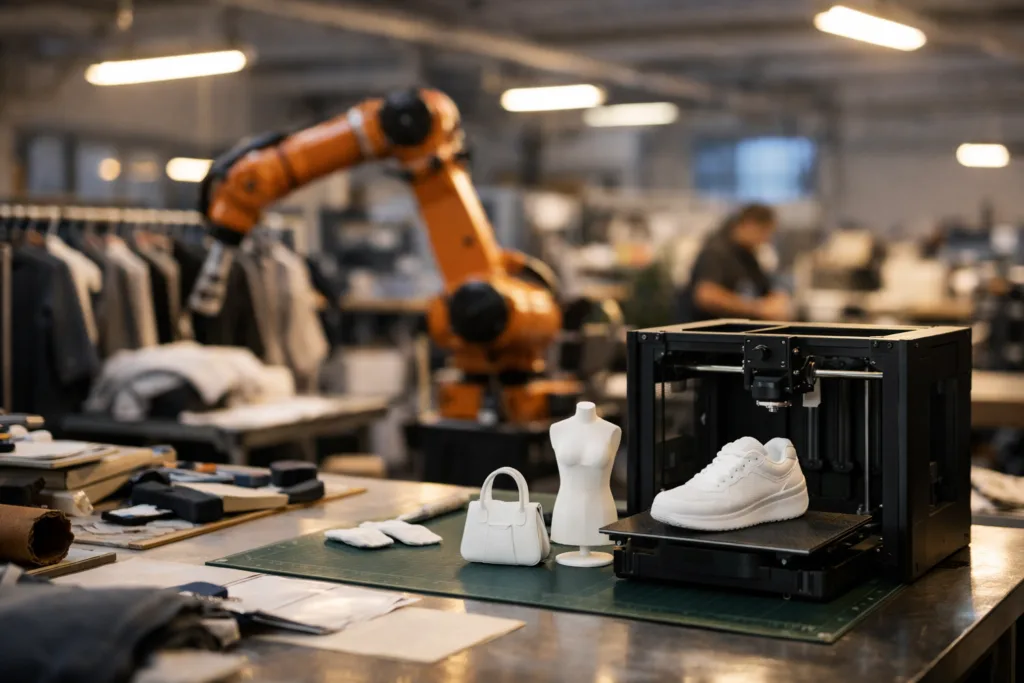
Brands adopting these techniques report lower sample requirements, faster design cycles, enhanced quality, and measurable reductions in waste. Digital workflows elevate both profitability and planet-friendly practices, proving that 3D sampling is the cornerstone of modern manufacturing.
Frequently Asked Questions
How does 3D sampling cut costs for manufacturers?
3D sampling lets manufacturers create virtual samples, minimizing the need for costly physical prototypes and reducing expenses linked to materials, labor, and shipping.
Does 3D sampling help reduce environmental waste?
Yes, by replacing physical samples with digital ones, 3D sampling significantly cuts textile waste, energy use, and the environmental impact of traditional prototyping.
What industries benefit most from 3D sampling?
Fashion, footwear, automotive, and industrial design sectors benefit greatly due to frequent prototyping, complex designs, and high material usage.
Is 3D sampling software easy for designers to use?
Most modern 3D sampling tools are user-friendly, featuring intuitive interfaces and integration with existing design workflows, though training may be helpful for beginners.
Can 3D sampling improve sustainability in production?
Absolutely. Digital sampling streamlines approvals, eliminates unnecessary fabric waste, and supports sustainable product development throughout the supply chain.
What are some challenges when implementing 3D sampling?
Initial costs, software adaptation, and integrating 3D tools with legacy systems are challenges, but the long-term benefits often outweigh up-front hurdles.
Related Reading
- 7 Actionable Insights When Choosing Your 3D Fashion Software
- Unlock Major Fabric Savings With Consumption Markers
- 9 Strategies for Delay-Free Sample Lead Times
- Prepare for the Unexpected: 17 Hidden Manufacturing Costs
- Pro Steps for Clear Sample Feedback (and Fewer Mistakes)
- Get Practical Fabric Converters & Costing Tools for Smart Manufacturing