Introduction to Silk Production: Sericulture and Grading
Silk is not just a luxurious fabric—it’s a product of precision, patience, and nature’s ingenuity. Silk production, also known as sericulture, involves raising silkworms and harvesting the precious fibers they spin. Sericulture and silk grading are vital to determining the quality, appearance, and value of the silk that eventually graces high-end garments and textiles worldwide. Understanding these processes gives us a deeper appreciation for silk’s delicate journey from cocoon to cloth. This article untangles each step, explores grading systems, and sheds light on sustainability and practical factors influencing silk’s place in modern apparel.
What Is Sericulture? The Foundations of Silk Farming
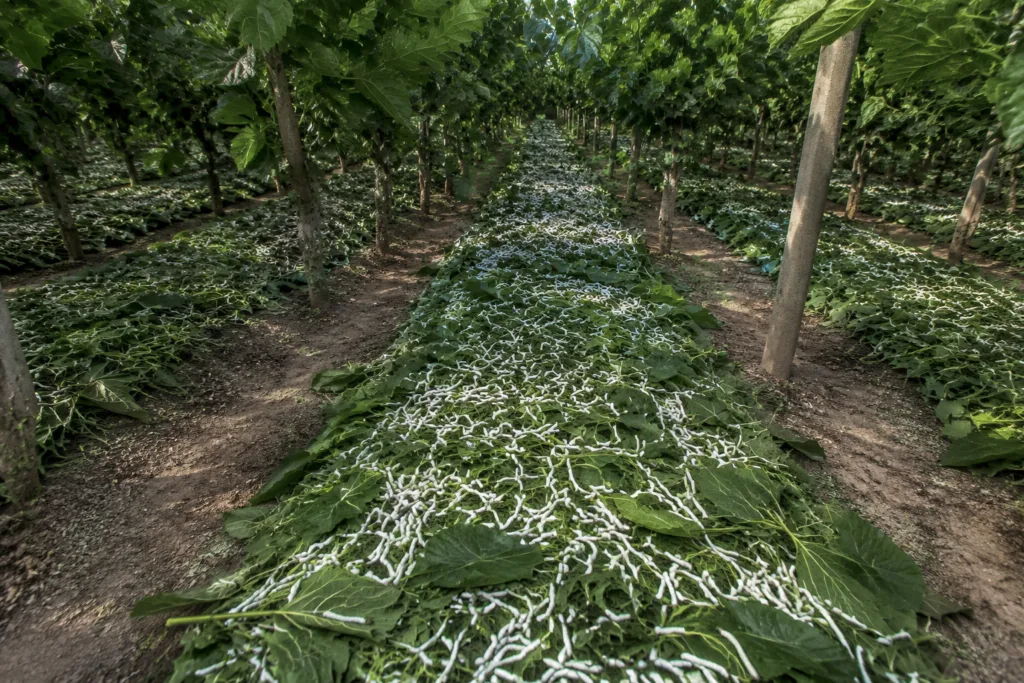
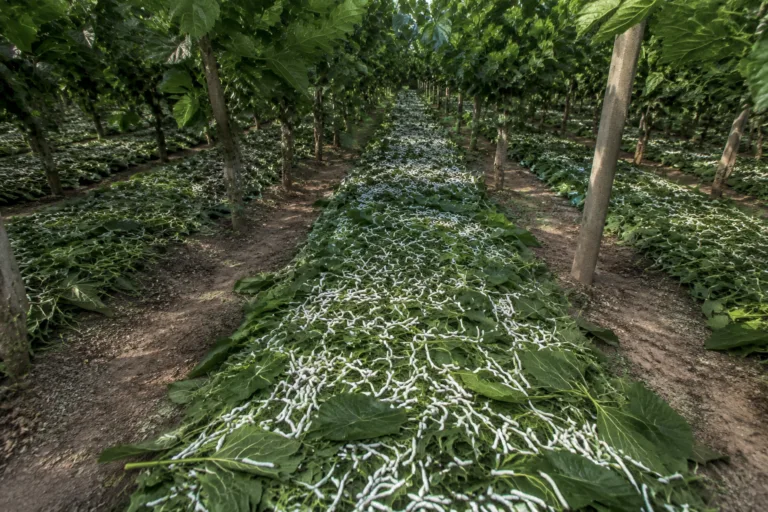
Sericulture is the science and art of cultivating silkworms to produce raw silk. Practiced for over 5,000 years, it is a cornerstone of textile history and remains vital to many rural economies, especially in Asia. The core of sericulture is the domesticated silkworm (Bombyx mori), which feeds exclusively on mulberry leaves and spins a singular, continuous silk filament for its cocoon.
Historic Roots: Sericulture Across the Ages
Silk’s history stretches back to ancient China, where it was a closely guarded secret for centuries. The “Silk Road” refers to the network of trade routes that funneled silk from Asia to Europe, shaping both culture and commerce. Sericulture soon spread to India, Persia, and Europe, adapting to local climates and economies. Today, the practices retain ancient methods but integrate modern science for higher yields and consistency.
Species and Varieties: Beyond the Mulberry Silkworm
Although Bombyx mori is the star, other species contribute unique types of silk:
- Tasar: Produced by Antheraea silkworms, usually from oak or castor leaves.
- Eri: Known for its warmth and creamy color, made by Samia ricini.
- Muga: Golden silk native to Assam, India, from Antheraea assamensis.
Each variety has different textures, colors, and end uses—facts that impact grading and pricing downstream.
The Lifecycle of Silkworms: Step by Step
The path from egg to cocoon is remarkably synchronized and environmentally sensitive. Here’s how sericulturists manage each phase:
- Eggs: Females lay hundreds of eggs, which are then incubated under controlled conditions.
- Lava (Caterpillar) Stage: After hatching, larvae feast on tender mulberry leaves for about 4–6 weeks, growing rapidly through several “instars.”
- Spinning: Once mature, larvae attach themselves to a support and start spinning—a process lasting about 2–3 days and resulting in a silk cocoon.
- Pupa and Emergence: If allowed, the moth emerges, breaking the filament. For silk production, most cocoons are harvested before this stage to preserve the continuous fiber.
Cocoon Harvesting: Balancing Timing and Quality
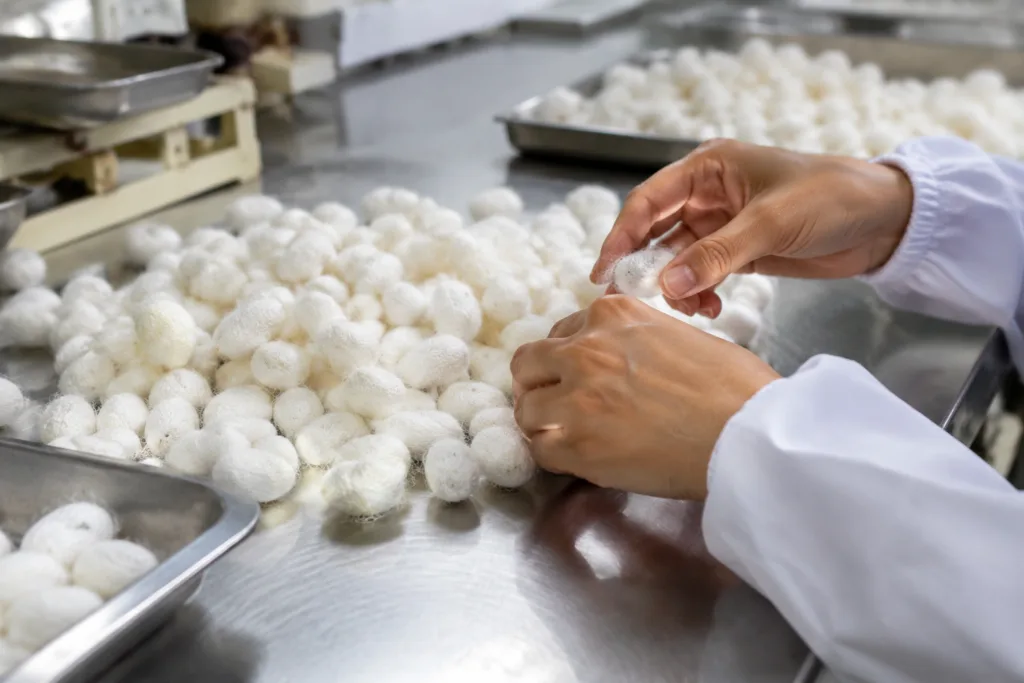
Harvesting is delicate work. Cocoons are typically gathered 7–10 days after spinning, just before the moths would emerge. Timing ensures the silk filament remains whole, which is critical for grading. Each cocoon contains around 300–900 meters of silk.
Reeling Silk: Unwinding the Filament
The harvested cocoons are soaked in hot water to soften the sericin—the protein that glues the cocoon together. Then, several filaments are unwound together to form a single, stronger thread, known as raw silk. The skill of the reeler impacts the finesse and uniformity, directly influencing silk grading.
Silk Grading: Understanding Quality from Cocoon to Yarn
Not all silk is created equal. Silk grading is the process of categorizing raw silk based on a range of visible and tactile criteria. Grading occurs at several stages—cocoon, filament, and finished yarn—each with its own standards and methods.
Key Grading Factors: What Matters Most
- Cocoon Size and Shape: Uniform, plump cocoons reel better and yield longer, consistent filaments.
- Color: Pearly white, golden, or creamy hues are preferred; stains or discoloration lower grade.
- Texture and Handle: Smoothness, absence of bumps, and luster are signals of top quality.
- Filament Length: Longer, unbroken filaments fetch higher prices since they yield finer yarn with fewer joins.
- Cleanliness: Cocoons free from debris, stains, or sericin lumps are preferred.
Grading Scales and Standards: Global Practices
Different countries maintain their own detailed grading systems. For instance, China’s standards range from grade 1A to 6B. Japan and India have similar yet distinct codes. Grading typically considers neatness, color, size, hardness, and defects. Silk for export must meet certified inspection criteria, influencing its utility in high-end versus mass-market textiles.
Visual Guide: Common Silk Grades Compared
| Grade | Description | Typical Use |
|---|---|---|
| 1A | Pristine, uniform, bright white filaments | Luxury apparel, scarves |
| 3A | Slightly uneven, minor color variation | Mid-range garments, linings |
| 6B | Short, uneven filaments, visible flaws | Bulk fabrics, fillings |
Processing After Grading: Degumming and Finishing
Raw silk contains sericin, which is removed through “degumming,” resulting in the lustrous, soft finish familiar in high-quality garments. Subsequent dyeing, weaving, and finishing treatments enhance durability and colorfastness.
Apparel Wiki Insight: Real-World Grading Challenges
In the field, graders face inconsistencies caused by weather, silkworm diet, and handling methods. Apparel Wiki notes that even small shifts in humidity or silkworm feed can dramatically alter cocoon size and color—echoing why experience is crucial in silk assessment.
Economic Significance of Sericulture
Sericulture supports millions of farm households globally, especially in rural regions of India, China, and Southeast Asia. In some areas, silk is both an income source and a buffer against crop failures. Economies often depend on premium silk exports, with India and China leading global output.
Modern Supply Chains: From Farm to Fashion
Today’s silk industry features tightly coordinated supply chains. Farms, reelers, graders, traders, and textile manufacturers work in tandem, meeting discerning standards for fashion brands. Apparel development teams monitor these links closely, not unlike steps in apparel manufacturing tools for cutting and production planning.
Sustainability Concerns in Silk Production
While silk is a natural product, sericulture can present environmental challenges. Mulberry farming may require fertilizers and significant land. Boiling cocoons for reeling is resource-intensive, and chemical treatments in finishing can pollute. As sustainable innovation in textiles becomes a market expectation, producers are exploring organic sericulture, ‘peace silk’ (where moths emerge safely), and reduced-impact dyes.
Ethical and Animal Welfare Debates
Traditional silk production ends a silkworm’s life before cocoon emergence, sparking ethical debates. Alternatives like Ahimsa silk or “vegan silk” let moths emerge naturally, though they yield shorter fibers—impacting grading and final quality.
Comparing Silk to Other Natural Fibers
Silk’s unique handle, sheen, and insulating qualities outshine most natural fibers, but when considering other options such as merino wool, cashmere, and lambswool or premium cotton, buyers weigh softness, breathability, and sustainability. Silk stands out for its combination of strength and delicacy but may not be the most practical for heavy-duty garments.
Influences on Silk Quality: Practical Insights
- Diet: Fresh mulberry leaves yield stronger, glossier silk.
- Climate: Ideal temperatures and humidity avoid disease and ensure cocoon growth.
- Handling: Rough handling leads to bruised, stained, or deformed cocoons—always reducing grade.
- Genetics: Selective breeding improves fiber length and whiteness.
The Market for Silk: Trends and Demand
Despite competition from synthetic fibers, silk retains a strong market for luxury goods, bridalwear, and accessories. The growth of sustainable fibers and man-made alternatives is introducing new challenges and opportunities in the silk market, forcing producers to innovate and diversify.
Sustainability Tips: How Producers Can Improve
- Adopt organic farming for mulberry crops
- Use renewable energy for boiling and reeling
- Minimize chemical use and recycle water
- Explore peace silk and hybrid approaches to reduce animal harm
Practical Tips for Enthusiasts and Small Producers
Newcomers to sericulture should begin with high-quality silkworm eggs, clean and shaded rearing spaces, and a steady supply of mulberry leaves. Keeping records of cocoon quality helps spot patterns and improve grading accuracy. Connecting with regional silk research institutes can provide hands-on advice and up-to-date disease prevention methods.
The Role of Silk in Modern Apparel and Design
Silk remains a mark of elegance in fashion. Modern designers use it both for traditional luxury and for innovative blends—like combining silk with recycled or cellulosic fibers for balanced performance and sustainability. As garment life cycles shorten, understanding silk’s durability and proper care becomes vital to extending a garment’s usable life.
Silk Production: Sericulture and Grading
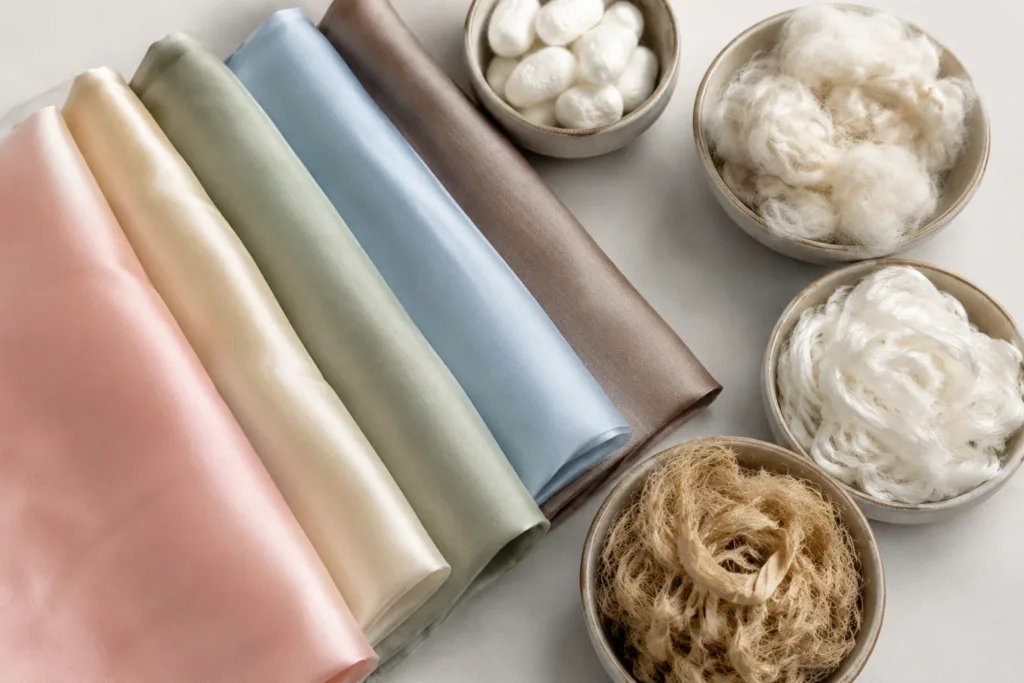
It’s clear that silk production is a tapestry of science, craftsmanship, and tradition. Sericulture demands delicate agricultural skill, while grading ensures that each thread meets market and design expectations. Ongoing advances in sustainable sourcing and ethical production are shaping how silk fits within the wider tapestry of global textiles—an evolution that both honors its heritage and adapts to modern values.
Frequently Asked Questions
What is the difference between raw silk and mulberry silk?
Raw silk refers to silk threads just after reeling, containing sericin. Mulberry silk comes exclusively from Bombyx mori silkworms fed on mulberry leaves and is considered the highest quality, especially after degumming.
How is silk graded for quality?
Silk is graded based on cocoon size, color, cleanliness, filament length, and texture. Grading can occur at several processing stages, and higher grades fetch premium prices.
Is silk production environmentally friendly?
Silk is a renewable, biodegradable fiber, but its production can consume resources and energy. Sustainable practices—like organic sericulture and water recycling—are improving its environmental profile.
What is peace silk and how does it impact quality?
Peace silk allows the moth to emerge naturally from the cocoon, sparing its life but resulting in shorter, less continuous fibers. This can affect the fineness, strength, and grading of the final silk.
Why is sericulture important for rural communities?
Sericulture provides valuable income for farming families, can be integrated with small-scale agriculture, and is less capital-intensive than many other rural industries.
How can I start a small sericulture operation?
Secure a consistent supply of mulberry leaves, acquire disease-free silkworm eggs, and maintain controlled, sanitary rearing and harvesting conditions. Local extension offices or research institutes can offer guidance tailored to your region.
Related Reading
- Wool Decoded: Comparing Merino, Cashmere & Lambswool for Smart Textile Choices
- Why Cellulosic Fibers are Surging: Sustainability Insights for Modern Apparel
- Cotton Varieties Explained: Pima, Egyptian, and Upland—Strengths and Best Uses
- Natural Versus Synthetic Fibers: Which Performs Best for Your Apparel Line?
- How Designers Are Transforming Supply Chain Sustainability—7 Essential Lessons