Introduction: The Future of Fashion is Virtual
The landscape of fashion is changing fast, and creating virtual showrooms with digital garments has emerged as a game-changing innovation. By blending photorealistic digital clothing, immersive 3D environments, and interactive technology, the industry empowers brands and consumers alike. Today, it’s not just about selling products—it’s about delivering memorable, convenient experiences while also slashing physical waste. In this guide, we explore how virtual showrooms work, their advantages, and the key tools and strategies designers need to succeed.
Understanding Virtual Showrooms and Digital Garments
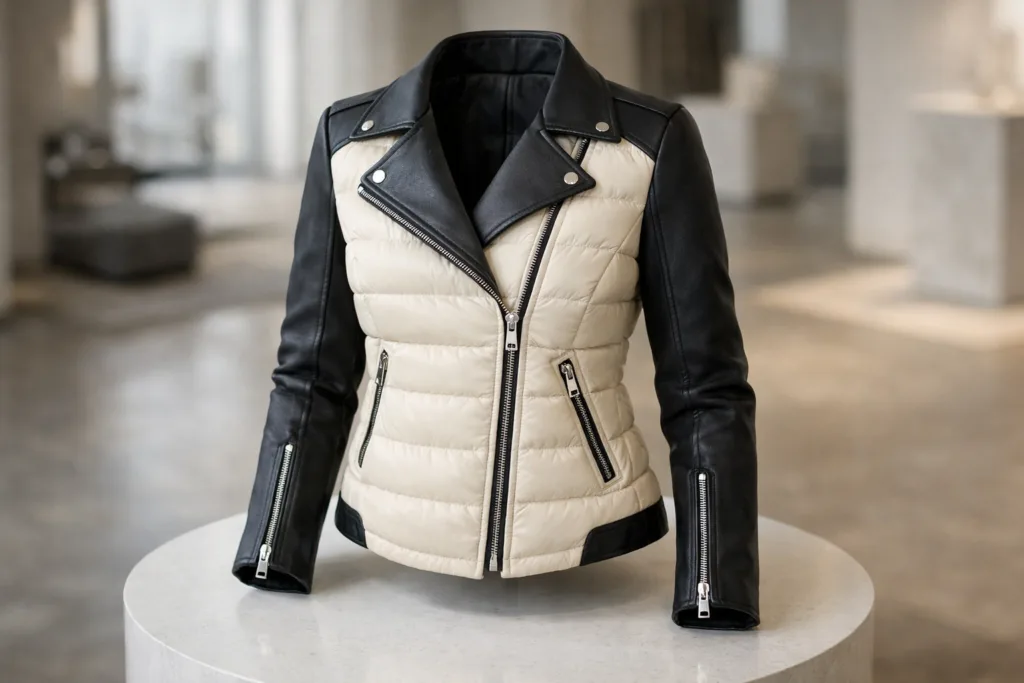
Virtual showrooms are interactive, digital spaces where brands display garments as lifelike 3D models. Unlike traditional online shops, these environments mimic the discovery and engagement of a physical store, letting users browse, try on, and interact with clothing using digital avatars or real-time customization tools. Digital garments are clothing items created, visualized, and manipulated entirely in software—sometimes never becoming physical pieces at all.
How Virtual Showrooms Work in Fashion
A virtual showroom combines web-based 3D software, realistic garment simulation, and creative branding elements. Brands upload their digital outfits, arrange virtual displays, and enable consumer interaction through a web browser or dedicated app. Shoppers can rotate apparel, zoom into textures, and sometimes even use AR (augmented reality) to see pieces on themselves via camera feeds. Apparel Wiki recommends brands begin with detailed 3D assets, such as those made in CLO3D or Browzwear, as a foundation for an engaging showroom.
Benefits of Creating Virtual Showrooms with Digital Garments
There are compelling reasons why fashion leaders are rapidly adopting virtual showrooms and digital garments:
- Enhanced Customer Experience: Consumers can interact with new collections, investigate details, and even personalize products—all from home.
- Lower Environmental Impact: By reducing the need for physical samples, brands cut fabric waste and emissions related to shipping. This supports sustainability without sacrificing creativity. (For more, see how 3D sampling reduces physical waste and cost.)
- Creative Freedom for Designers: There are no limits to color, size, or style. Designers can rapidly iterate concepts and vision without costly reworks.
- Greater Reach: Virtual showrooms break down geography, allowing global buyers and press to attend launches instantly.
- Seamless Feedback Cycles: Stakeholders can review, comment, and approve garments within the platform, speeding up decision-making.
Immersive 3D Environments: What Sets Virtual Showrooms Apart
The power of virtual showrooms lies in their immersive 3D environments. Unlike flat e-commerce, these platforms use digital architecture—such as virtual floors, curated lighting, and ambient sound—to simulate the invitation and excitement of entering a luxury boutique. Some platforms let users ‘walk’ inside, while others let shoppers pick garments off virtual racks and view them from any angle.
Digital Garments: From Concept to Showroom
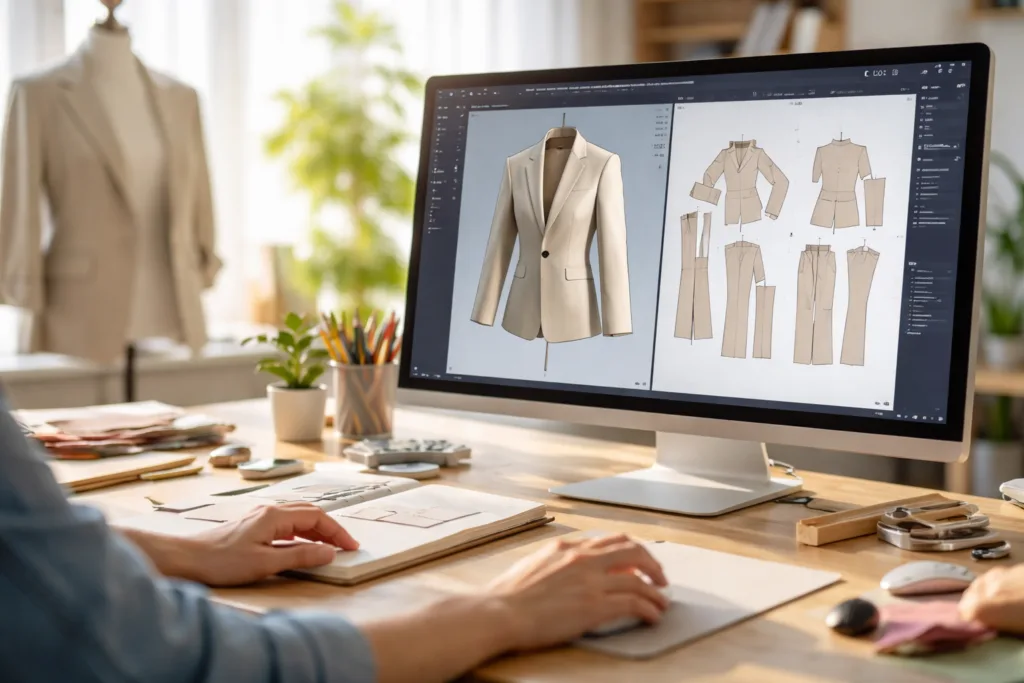
Creating a digital garment starts with fashion design software. Programs like CLO3D, Browzwear, and Adobe Illustrator let designers create patterns, assemble 3D models, and apply textures. Once finalized, these digital files are imported into showroom platforms, where they gain true-to-life drape, color, and movement. For a deep dive on software options, check out CLO3D vs. Browzwear—Which 3D Fashion Software Is Best?
Key Platforms for Building Virtual Showrooms
Several industry-leading solutions offer robust virtual showroom experiences. Notable names include:
- CLO-SET: Seamless integration with CLO3D digital assets, facilitating direct pipeline to web-based showrooms.
- Browzwear’s VStitcher & StyleZone: Enabling collaborative design and showcasing in a secure virtual space.
- Unity and Unreal Engine: While originally for gaming, these platforms are increasingly popular for custom brand environments with high-end visuals.
Design Software Tools Powering Digital Garments
Success with virtual garments starts with choosing the right design tools. The most popular options include:
- CLO3D & Browzwear: Trusted for pattern-to-3D workflows and photorealistic results.
- Adobe Illustrator: Often used for initial sketches, pattern drafting, and colorways (see 17 Essential Illustrator Tools for Fashion Designers).
- Marvelous Designer: Favored for its intuitive cloth simulation in the entertainment and fashion sectors.
Optimizing Visual Quality for Realism and Engagement
Digital garments need lifelike materials, rich textures, and accurate lighting to convince viewers. Best practices include calibrating fabric shaders, using high-resolution textures, and testing different lighting scenarios within the virtual showroom. Apparel Wiki highlights the importance of reviewing details like stitching, trims, and drape to avoid uncanny or ‘flat’ appearances.
Customer Interaction: Making Showrooms Truly Immersive
Immersive showrooms shine when shoppers can interact. Features such as 360-degree garment rotation, fabric swatch zoom, and avatar try-on (using uploaded photos or body scanning) dramatically enhance user engagement. For better conversions, invite shoppers to save favorites, customize colorways, or share virtual looks with friends. (For guidance in sizing and fit, consider how body scanning unlocks precision fit.)
Environmental Impact: Reducing Waste and Carbon Footprint
One major advantage of digital fashion showrooms is reduced sampling waste. Traditionally, multiple physical samples are sewn and shipped, only to be discarded during design reviews. Virtual samples can be modified or replaced instantly with no landfill impact. This not only conserves resources but also dramatically reduces emissions tied to international logistics.
New Creative and Marketing Possibilities for Designers
Designers can push the boundaries of fashion in virtual spaces—experimenting with surreal silhouettes, impossible textiles, or interactive digital effects. Marketing teams can host launches, press days, and even avatar-based fashion shows online, opening brands to audiences who might never attend in person.
Integrating Virtual Showrooms with E-commerce Platforms
A best practice for brands is merging virtual showrooms with their main e-commerce platforms. Let users add tried-on items to cart or wishlist directly. Integration with inventory and order management ensures the customer journey is seamless from exploration to purchase.
User Engagement and Conversion Rate Optimization in Virtual Showrooms
Virtual showrooms can supercharge engagement by keeping users browsing for longer periods and returning more often. To optimize conversion, build simple navigation, strong product storytelling, and strategic calls-to-action. Track user interaction data to refine popular journeys and remove stumbling blocks. If visitors struggle, add guided tutorials, video walkthroughs, or on-demand chat support.
Data and Analytics: Understanding Customer Behavior in Digital Environments
Analytics tools within showroom platforms let brands track hot spots, dwell time, try-on rates, and checkout flow. This provides granular insight into what resonates with your audience. Use these findings to adjust visual layouts, highlight popular items, or run A/B tests on interactive features.
Best Practices for Setting Up a Virtual Showroom
Follow these guidelines for maximum impact:
- Start with high-quality 3D garments and accessories.
- Design intuitive navigation—with clear categories and simple menus.
- Ensure fast load times with optimized assets.
- Offer mobile compatibility for on-the-go shoppers.
- Balance realism with branding—lighting, textures, and space layout should match your physical brand identity.
- Include feedback mechanisms (ratings, comments) to encourage two-way communication.
Enhancing the Personalization Experience
Top-performing showrooms allow shoppers to personalize garments—whether it’s picking fabrics, adjusting lengths, or previewing custom colorways. Some brands even use AI to suggest looks based on browsing history or user-uploaded images.
Augmented Reality (AR) and Virtual Try-On Explained
AR features let shoppers ‘wear’ digital garments using their smartphone camera. This quick try-on builds confidence and encourages purchase by removing fit guesswork. As AR tech improves, expect to see more brands blending physical and virtual try-on solutions for accurate sizing and satisfaction.
Virtual Showrooms in B2B: Wholesale, Buyers, and Designers
Virtual environments are invaluable during the buying season—wholesale clients can view, order, and discuss collections remotely. Brands can limit access to select partners, run virtual presentations, and collect orders without shipping boxes of samples.
Training Teams for Success in Digital Showrooms
Equipping staff to manage digital showrooms is essential. Provide training on 3D tools, platform navigation, and virtual customer interaction. Internal guides and quick-reference sheets help streamline adoption.
Common Challenges and Solutions in Launching Virtual Showrooms
Brands may face issues such as asset compatibility, software learning curves, or slow load times. Early testing, clear file specifications, and seeking feedback from real users helps solve most problems. Apparel Wiki suggests piloting a limited collection first before full rollout.
Creating Virtual Showrooms with Digital Garments
Building an engaging showroom means more than uploading 3D models. Successful execution involves combining powerful software, realistic visuals, intuitive layouts, and interactive features. Brands that master these elements create memorable, convenient, and effective platforms for their shoppers.
Looking Ahead: The Evolving Frontier of Virtual Showrooms
With rapidly advancing technology—such as real-time rendering, improved AR/Fit features, and metaverse integration—virtual showrooms are poised to become a fashion industry standard. Forward-thinking brands are already investing in digital teams and new tools to stay at the forefront.
Conclusion: Why Now is the Time for Virtual Showrooms
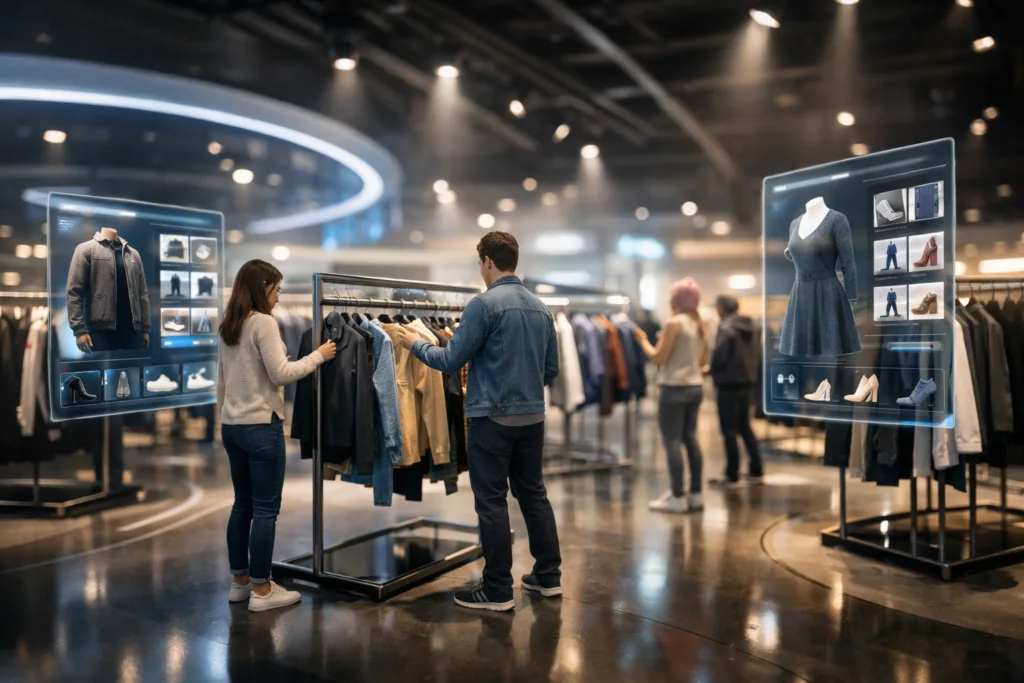
Virtual showrooms with digital garments have unlocked smarter, greener, and more exciting ways to showcase fashion. They boost customer engagement, reduce costs, and allow for boundless creative exploration. Now is the ideal time for brands—large and small—to explore these platforms, as consumer expectations shift and sustainability becomes non-negotiable. When done thoughtfully, digital showrooms can set your brand apart, delight your customers, and future-proof your business.
Frequently Asked Questions
What is a virtual showroom with digital garments?
It’s an interactive online space where fashion brands present digitally created clothing in a lifelike, immersive format, enabling users to browse, customize, and try on items virtually.
How do virtual showrooms reduce environmental impact?
By replacing physical sampling, reducing textile waste, and lowering the need for international shipping, virtual showrooms significantly cut a brand’s carbon footprint and resource use.
What software is needed to create a digital garment?
The most common choices are CLO3D, Browzwear, and Adobe Illustrator for design, with Unity or Unreal Engine for building interactive 3D environments.
Are virtual showrooms useful for wholesale buyers?
Yes, they provide a secure, cost-effective platform for buyers to view collections, place orders, and give instant feedback—all without physical meetings or samples.
Can consumers try on digital garments virtually?
Many platforms offer avatar-based or AR-powered virtual try-on, letting shoppers preview fit and style before purchasing, which helps reduce returns and boosts confidence.
What are the biggest challenges in launching a virtual showroom?
Common hurdles include high-quality asset creation, ensuring smooth navigation, platform compatibility, and training staff or end-users in the required software.