Introduction: The Power of Digital Avatars in Modern Personalization
Digital avatars have transformed the way we perceive and project ourselves online. The ability to customize body shapes for fitting is not only reshaping trends in fashion, gaming, and virtual reality, but also creating a new paradigm in self-expression and inclusivity. Thanks to advanced 3D modeling and body customization tools, users can now design avatars that mirror their unique physiques, empowering individuals and unlocking new creative possibilities. In this article, we delve into how digital avatars have become a driving force across industries, highlighting key technologies, software tools, real-world benefits, and the lived impact on body positivity and personal style.
The Evolution of Digital Avatars: From Static Models to Dynamic Bodies
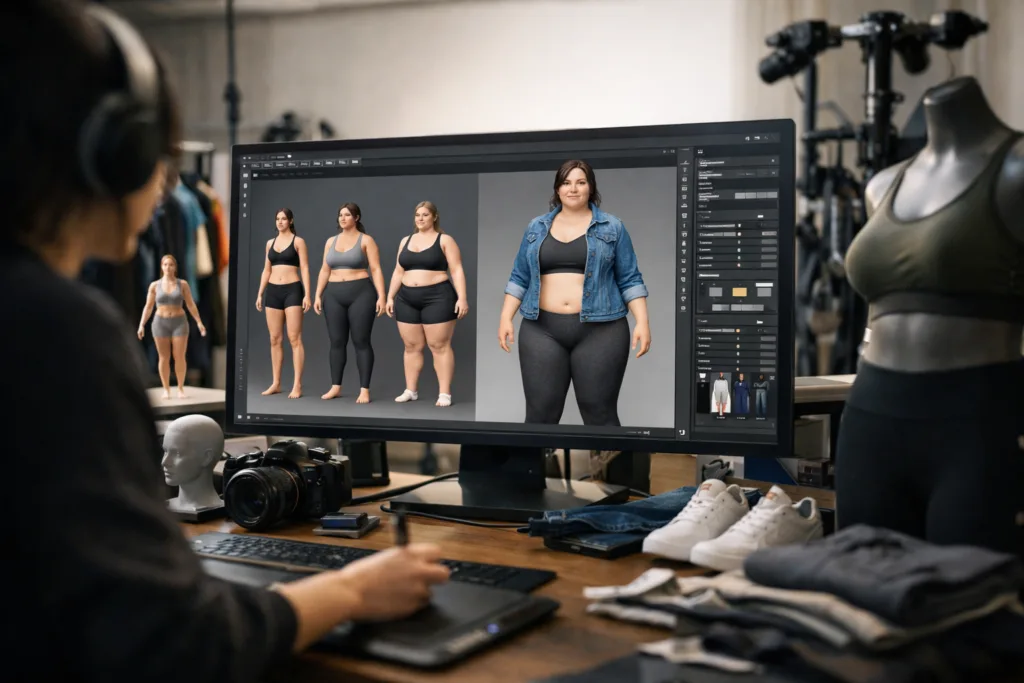
The earliest digital avatars consisted of simple graphics and limited customization. Today, powerful 3D engines and anthropometric data have enabled avatars with precise, realistic body shapes, opening doors across fashion, gaming, and beyond. These advances aren’t just technical; they address a universal desire for avatars that reflect our true selves—whether for virtual meetings or online shopping.
Technological Milestones in Customizable Avatars
Milestones such as the integration of body scanning, advanced rigging, and photorealistic texture rendering have made body customization accessible and accurate. Apparel Wiki emphasizes that using high-quality anthropometric data is vital in creating avatars that fit diverse sizing needs in fashion and e-commerce (body scanning for better fit).
Digital Avatars: Customizing Body Shapes for Fitting.
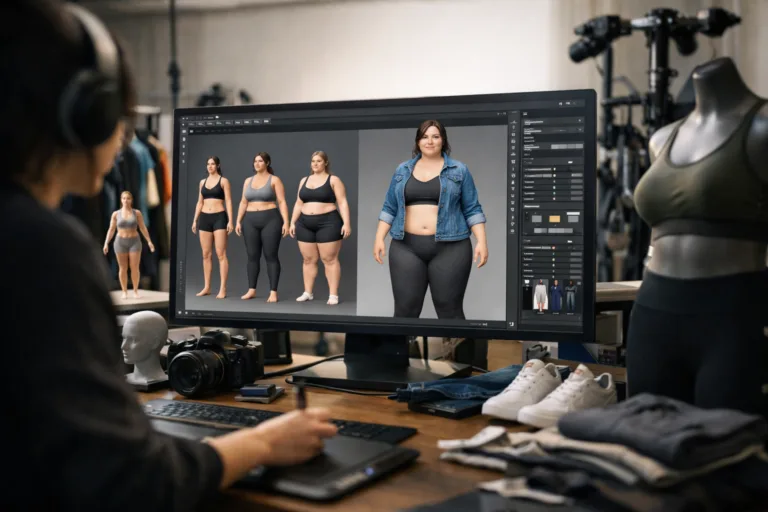
Customizing body shapes for fitting involves capturing real-world measurements and translating them into digital form. This process typically begins with user input—such as height, weight, and body dimensions—or through scanning technologies. The resulting avatar acts as a digital “mirror,” allowing brands, designers, and individuals to visualize how garments, accessories, or virtual assets fit and move across diverse physiques.
How It Works: Body Shape Personalization Workflow
- Measurement Input: Users enter or scan personal measurements.
- 3D Model Generation: Data feeds into avatar creation tools, generating a base digital body.
- Customization Layer: Fine-tuning shape, posture, and style options to reflect preferences.
- Application Integration: The avatar is used in fashion mock-ups, gaming, or virtual environments for real-time fitting.
Body Customization Technologies: Tools and Techniques
The digital body fitting landscape leverages several groundbreaking technologies. These include:
- 3D body scanning: Captures detailed measurements with minimal error.
- Parametric modeling: Allows real-time adjustments to body proportions.
- Texture mapping: Applies skin tones, clothing fabrics, and accessories.
- Motion capture: Brings natural movement for fit simulation.
Mainstream Software Platforms
Popular avatar creation tools—such as CLO3D, Browzwear, and bespoke game engines—offer high-fidelity body customization. The choice depends on the intended use, whether for digital garment design, immersive gaming, or virtual shopping.
Fashion Industry: Digital Avatars Are Revolutionizing Fit and Style
Fashion is at the forefront of digital avatar adoption. Custom avatars enable virtual try-ons, reduce returns, and support size inclusivity. When brands deploy avatars in virtual showrooms, shoppers enjoy realistic, personalized experiences—testing how garments drape over avatars matching their true physiques. This approach enhances sizing accuracy and streamlines design workflows (digital fabric rendering).
Virtual Try-On Solutions
Virtual try-on technology allows users to see clothing “worn” by their customized avatars, blending convenience with confidence. Such tools are especially valuable for online retailers needing to minimize returns from poor fit.
Gaming and Virtual Worlds: Self-Expression Through Custom Avatars
Gaming platforms like The Sims, Fortnite, and VRChat have widely adopted body customization features. Users can morph avatars to resemble themselves or manifest imaginative identities. In multiplayer environments, custom avatars contribute to immersion and personal branding.
Body Diversity and In-Game Identity
Allowing players to personalize body shapes can foster a sense of belonging and creativity. This progression moves gaming away from “one-size-fits-all” models.
E-Commerce: Digital Avatars and Consumer Confidence
Retailers use digital avatars to resolve common e-commerce pain points such as inaccurate sizing and high return rates. By integrating avatars with shopping platforms, brands enable customers to preview products on their own body data or select from realistic representations.
Interactive Fit Simulators
- Dynamic size matching
- Body-based product recommendations
- Personalized shopping experiences
These features drive conversion and boost customer satisfaction.
Virtual Reality: Creating Presence and Community
In VR, customizable avatars ground users in immersive environments. Realistic body shapes enhance presence and authenticity, particularly in collaborative or social spaces.
Avatar Realism in VR Applications
Accurate body fitting is critical for applications ranging from virtual conferences to online classrooms and healthcare consults.
Customizing Body Shapes: Workflow and Best Practices
The process of body customization differs by platform and application, but best practices include:
- Precise measurement collection
- Validation of sizing data
- Iterative avatar refinement
- Integration with digital assets (garments, accessories)
Case Study: Apparel Wiki’s Practical Sizing Tools
Apparel Wiki’s tools streamline body measurement input and offer workflow guidance, enabling brands and individuals to achieve consistently accurate fitting (apparel manufacturing tools).
Software Tools & Platforms for Creating Digital Avatars
Several software solutions now specialize in avatar customizations:
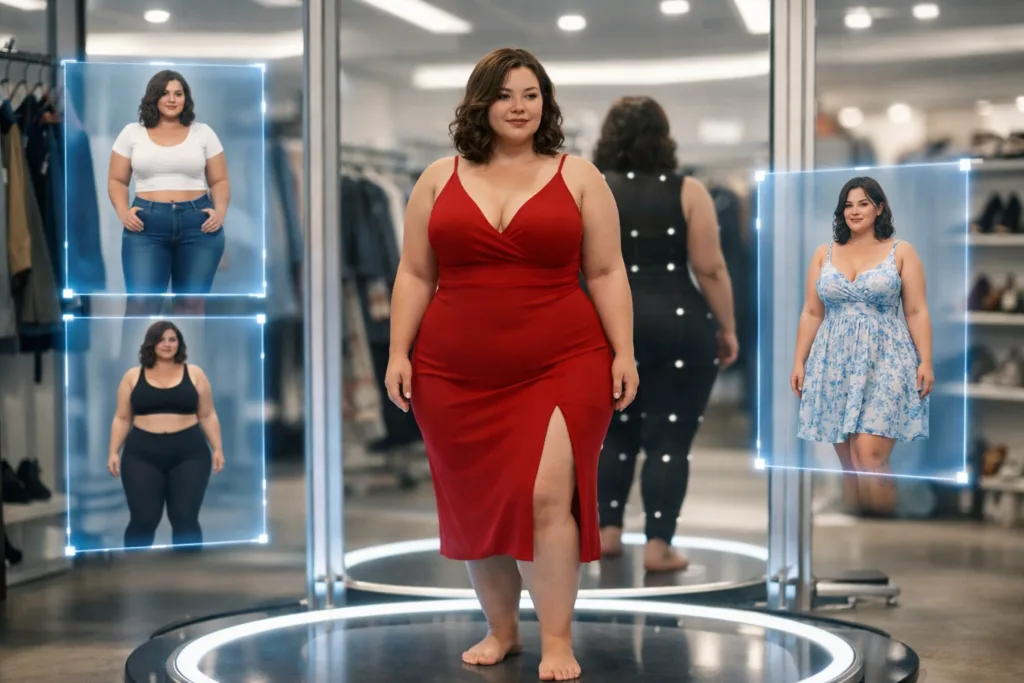
- CLO3D: Known for garment simulation and realistic fit modeling.
- Browzwear: Offers advanced drape and body morphing tools.
- Marvelous Designer: Excels in dynamic garment construction.
- Unreal Engine & Unity: Widely used for gaming and VR applications.
Choosing the Right Platform for Your Needs
The ideal software depends on goals—fashion design, gaming, virtual retail, or fitness. Compare features like avatar realism, ease of use, and compatibility with existing digital assets.
Benefits of Customized Digital Avatars for Users
Custom avatars support body positivity, aid in accurate garment selection, and allow for authentic self-expression. They also empower users to preview fits and styles before purchase or gameplay.
- Reduced fit-related returns
- Expanded design versatility
- Inclusive representation
- Enhanced confidence in digital interactions
Challenges and Considerations: Ensuring Accuracy, Privacy & Equity
Despite the promise of digital avatars, practical challenges persist:
- Accuracy: Measurement errors can lead to fitting problems.
- Privacy: Body data must be securely managed.
- Equity: Avatars should represent all body types fairly.
Solutions include improved scanning hardware, robust data protection, and inclusive design principles.
Real User Experiences: Impact on Self-Expression and Body Positivity
| Avatar Feature | User Benefit | Feedback Example |
|---|---|---|
| Custom Body Shape | Body confidence | “I finally see myself in the clothes I love.” |
| Diverse Representation | Inclusivity | “My avatar mirrors my real proportions, not a generic template.” |
| Virtual Try-On | Shopping ease | “I shop online with less worry about fit.” |
| Creative Expression | Personalization | “It’s fun to create a digital self that matches my style.” |
Industry Implications: E-Commerce, Manufacturing, and Beyond
The movement toward digital avatars with customizable body shapes is disrupting industry assumptions about fit, cost, and workflow. Manufacturers now leverage avatar-driven sampling to reduce waste (3D sampling), while retailers deploy avatar-based sizing to cut costly returns.
Digital Avatar Body Customization in E-Commerce Workflows
Integrating avatars with online shopping platforms leads to smarter recommendation engines, streamlined checkout, and increased customer satisfaction. Shoppers can “try before you buy” virtually, making more informed decisions.
Software Comparison: CLO3D vs. Browzwear for Avatar Customization
Both CLO3D and Browzwear offer robust tools, but differ in interface and detailed garment simulation (7 Powerful Insights for Choosing the Best 3D Fashion Software). Factors to consider include:
- Simulation accuracy
- Workflow integration
- Support for diverse body shapes
Future Trends: AI and Hyper-Personalization in Digital Avatars
AI-driven avatars are emerging, capable of morphing in real-time based on user input or environmental feedback. Hyper-personalization will further enhance fit, style, and representation—extending beyond fashion into healthcare and fitness.
Creating Digital Avatars for Children’s and Plus Size Applications
Body customization is essential for children’s wear, where growth spurts and safety require adaptive sizing (children’s wear grading). Plus size avatars need special grading rules to avoid errors, ensuring garments truly fit the user’s proportions (plus size grading).
Quality Assurance: Ensuring Accurate Avatar Fitting
Quality checks, such as live fit sessions and tolerance validation (checking size set samples), ensure avatars reflect true body dimensions and garments perform as expected.
Body Customization for Health & Wellness Applications
In fitness and wellness, digital avatars monitor progress and simulate exercise routines tailored to each user’s body shape.
Conclusion: The Future of Self-Expression Starts with Digital Avatars
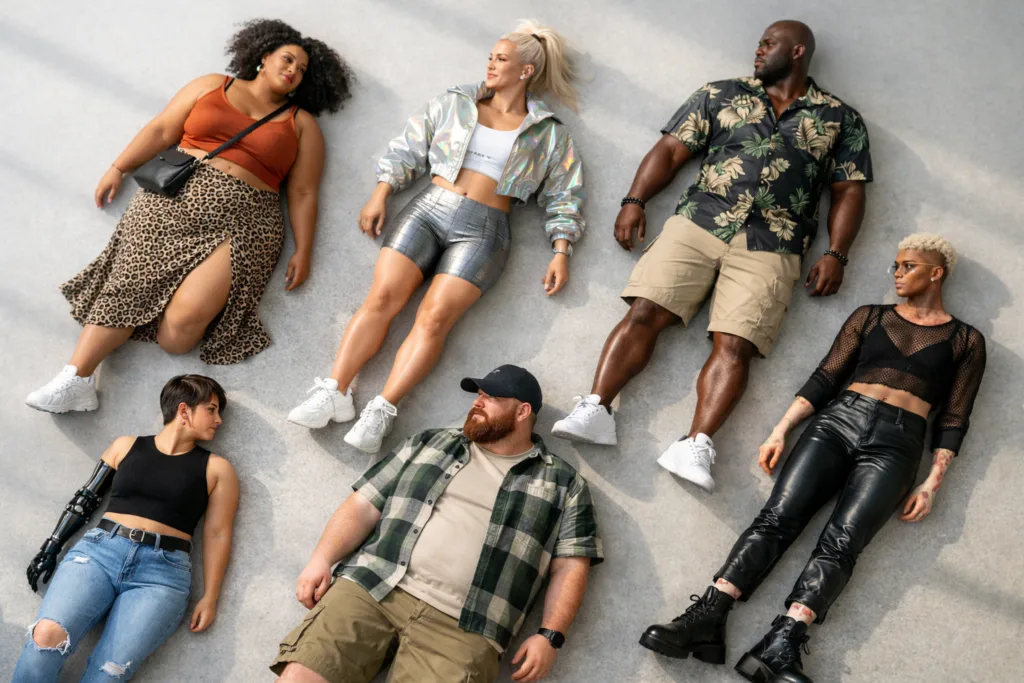
Digital avatars with customized body shapes are more than a technological trend—they’re a gateway to inclusivity, accuracy, and creative freedom across industries. Whether enhancing personal shopping, boosting gaming immersion, or supporting manufacturing workflows, body fitting avatars empower users and brands alike. As technology advances, they will drive new standards in personalization, workflow efficiency, and user satisfaction.
Frequently Asked Questions
How do digital avatars personalize body shapes?
Digital avatars use body measurements or scanning data to create a unique 3D model that closely matches the user’s physique. This model can then be fine-tuned for posture, style, and other details, ensuring a true-to-life representation for virtual fitting or gaming.
Which industries benefit most from avatar body customization?
Fashion, gaming, e-commerce, VR, health, and wellness industries all leverage digital avatars for improved customer experiences, better fit simulation, and enhanced user engagement.
Is body data used for avatar customization secure?
Reputable platforms prioritize privacy and securely handle body measurement data, often using encryption and not storing personal identifiers. Users should review privacy policies carefully before sharing data.
Can digital avatars improve online shopping?
Yes. Avatars allow shoppers to virtually try on garments, see realistic fits, and make more informed purchase decisions, lowering return rates and boosting confidence.
What are common challenges in digital avatar fitting?
Measurement errors, limited representation of certain body types, and inconsistent software can lead to inaccurate fits. However, advances in scanning and inclusive design principles are addressing these issues.
Will digital avatars shape the future of self-expression?
Absolutely. As avatar customization evolves, individuals will gain more control over self-representation, fueling creativity and body positivity in both digital and physical worlds.
Related Reading
- Discover How Body Scanning Transforms Fit Accuracy
- Plus Size Grading Demystified: Expert Solutions for Real Fit
- The Essential 3D Fashion Software Comparison Guide
- Quality Assurance Strategies for Size Set Samples
- Protecting Kids’ Comfort with Smart Grading Techniques
- How 3D Sampling Reduces Cost and Waste