Introduction
When it comes to apparel and product branding, the choice between woven labels and printed labels is more than aesthetic—it’s about durability, cost-effectiveness, and strategic fit. This article unpacks the key differences between woven vs. printed labels: durability and cost. We’ll explore their respective strengths, highlight common material options, examine real-world usage, and guide you toward the ideal choice for your brand or business.
Understanding Woven vs. Printed Labels: Durability and Cost
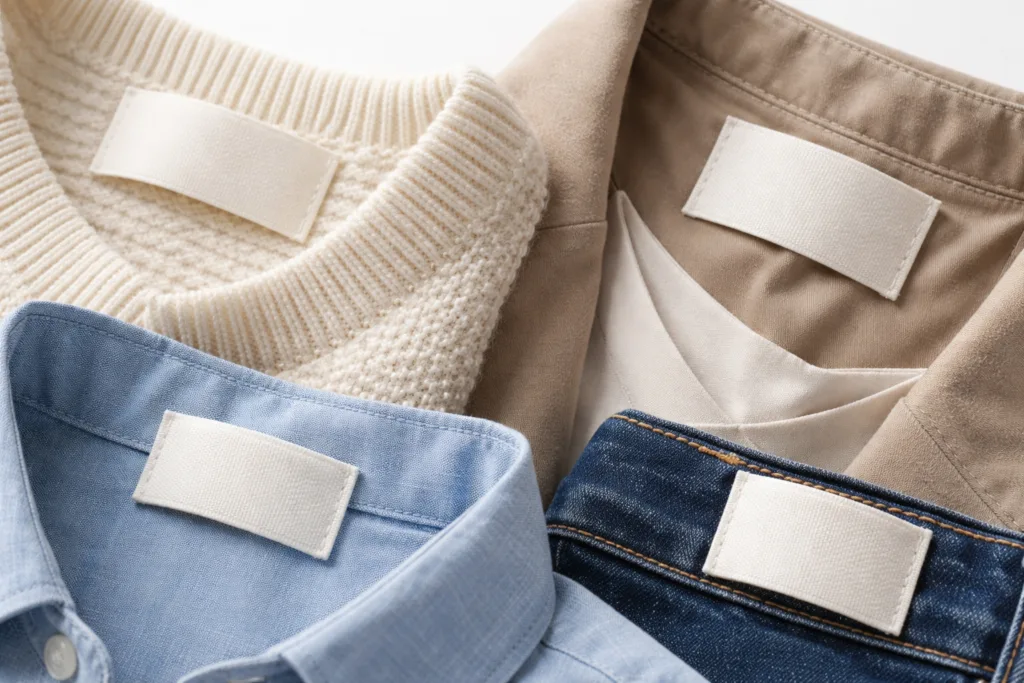
The debate around woven vs. printed labels centers on two crucial factors: how long they last and how much they cost. Woven labels are created with threads—typically polyester or cotton—woven together to form the design. Printed labels use ink or dye applied to surfaces like satin, nylon, or polyester. Each approach has unique advantages and trade-offs, making a side-by-side comparison essential for apparel professionals.
Core Differences: Construction and Appearance
Woven labels are constructed by interlacing threads, resulting in a textured and robust label. Printed labels use surface application techniques, making them thinner and often smoother. Both methods offer customization and branding potential, but vary in longevity and tactile feel.
What Are Woven Labels?
Woven labels are crafted from threads that are woven together to create text, logos, and designs directly within the fabric. The classic look and feel of these labels often give garments a premium finish. Apparel Wiki notes that woven labels are popular in children’s wear and high-end fashion due to their resilience and professional appearance.
Materials Used in Woven Labels
Most woven labels use polyester, cotton, or damask yarns. Polyester offers durability and wash resistance, while cotton provides a soft touch, ideal for sensitive skin or luxury goods.
Typical Durability of Woven Labels
Woven labels are repeatedly lauded for their longevity. They withstand frequent washing, abrasion, and stretching. Even after dozens of launderings, the text remains readable, and the label structurally intact.
What Are Printed Labels?
Printed labels use ink or dye to transfer designs onto label materials such as satin, nylon, or polyester tape. They are valued for cost-effectiveness and flexibility in design—especially for intricate graphics, color gradients, or large production runs.
Materials Used in Printed Labels
Common substrates include satin (smooth, glossy), nylon (flexible, strong), and polyester. Satin is popular for softness and sheen; nylon is chosen for durability and water resistance.
Typical Durability of Printed Labels
While printed labels perform well initially, their longevity can be influenced by wash method, ink quality, and material. Over time, repeated washing—especially with heat or abrasive detergents—can fade the print or peel away details. For products requiring lasting label visibility, this is a critical consideration.
Comparison Table: Durability and Cost (Woven vs. Printed Labels)
| Feature | Woven Labels | Printed Labels |
|---|---|---|
| Material | Polyester, cotton, damask | Satin, nylon, polyester |
| Design options | Limited color depth, tactile logos | Full color, gradients, fine detail |
| Durability | Very high; withstands 100+ washes | Moderate; can fade, crack, or peel |
| Comfort | Soft, high-end finish | Smooth, lightweight |
| Cost per unit (low qty) | Higher ($0.08–$0.20) | Lower ($0.05–$0.10) |
| Cost per unit (high qty) | Moderate ($0.05–$0.12) | Very low ($0.03–$0.07) |
| Lead time | Longer (5–10 days) | Shorter (2–6 days) |
Longevity in Real-World Use
Woven labels tend to outlast printed labels, staying vibrant even as garments age. Children’s clothing, high-end dresses, and workwear often rely on woven labels for clear branding and lasting care instructions. Printed labels are favored in fast fashion and promotional garments, where cost and immediate visual impact matter more than long-term retention.
Case Study: Children’s Wear
Many U.S. and EU children’s apparel brands choose woven labels for their wash resistance and safety compliance requirements. Care label laws in these regions demand durable labeling, prompting manufacturers to prioritize woven solutions.
Cost Analysis in Production
The cost difference becomes apparent when considering order size, label complexity, and fabric choice. Printed labels are the clear winner for bulk orders and large runs with variable color graphics. For smaller batches, custom woven labels are pricier due to setup labor and thread dyeing.
Bulk Order Pricing Strategies
Brands aiming to optimize their label investment benefit from understanding target price strategy. Minimum order quantity (MOQ), unit price, and lead times all affect the final cost—especially with woven labels, which have higher MOQ requirements than printed.
Hidden Costs and Lead Times
Beyond unit price, consider hidden costs such as sample production, lead time delays, and tariff implications. Apparel Wiki cautions that misjudging MOQ or forgetting about import duties can change the economics of label sourcing. For a detailed look at true costs, read 17 hidden costs in apparel manufacturing.
Material and Design Flexibility
Printed labels allow virtually limitless design possibilities: photo-realistic graphics, color gradients, and fonts that can be tweaked without affecting unit cost. Woven labels, while tactile and high-end, limit color depth and complexity due to thread constraints.
Customization Trends
Recent advances in digital printing empower brands to produce short-run, highly customized printed labels quickly. Thus, printed options are favored for trendy collections, frequent design updates, or test marketing.
Comfort and Safety Factors
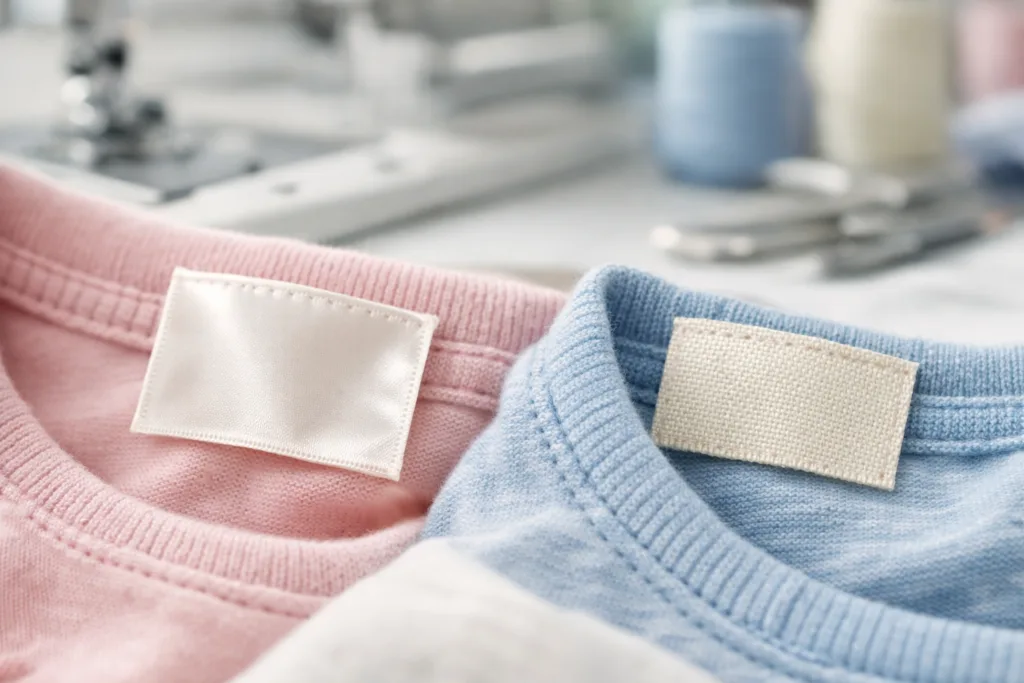
Label comfort matters for every garment. Woven labels are inherently soft and gentle, while printed labels—especially on satin—offer a smooth, non-irritating surface. For garments touching sensitive skin (e.g., infants), both options are carefully evaluated for comfort and material safety.
The Regulatory Angle
Labels must comply with local and international safety standards. For example, EU and US regulations dictate care instructions, fiber content, and durability. Information on compliance can be found at care label requirements laws for apparel brands.
Where Woven Labels Excel
Woven labels shine in:
- Luxury garments
- Children’s apparel
- Workwear
- Products needing lasting branding or care instructions
- Items with frequent wash cycles
They offer high perceived value and robust resistance to damage.
Where Printed Labels Excel
Printed labels are an excellent choice for:
- Fast fashion lines
- Seasonal or promotional products
- Intricate or photo-realistic designs
- Garments where unit price is strictly controlled
- Bulk orders with multiple styles
Printed labels combine affordability and design versatility.
Choosing the Right Label for Your Brand
To decide, evaluate:
- Brand positioning: Are you aiming for high-end appeal or mass-market accessibility?
- Product lifecycle: How long will garments be worn and washed?
- Regulatory needs: Must your labels survive many laundry cycles?
- Budget: What MOQ and unit pricing can you manage?
- Design: Will your branding require frequent updates or complex visuals?
Practical Tips for Label Sourcing and Ordering
When ordering labels, factor in bulk discounts, supplier lead time, sample approval processes, and compliance. Utilizing apparel manufacturing tools streamlines sourcing and quality assurance.
Woven vs. Printed Labels: Durability and Cost
Ultimately, woven labels deliver unrivaled durability and a premium finish, suited for products that must withstand repeated wear and laundering. Printed labels bring cost savings and rapid design flexibility, ideal for fast fashion or large batch runs. Apparel Wiki advises matching your choice to your brand’s values, lifecycle expectations, and regulatory environment.
Industry Insights: Apparel Wiki’s Decision Rule
As highlighted by Apparel Wiki, a simple decision rule: For products intended to last multiple years or requiring compliant care labeling, woven is the safer bet. For lines requiring monthly updates or promotional items, printed options optimize cost and speed. Making informed decisions based on garment lifecycle and cost structure is paramount for margin protection and customer satisfaction.
Conclusion
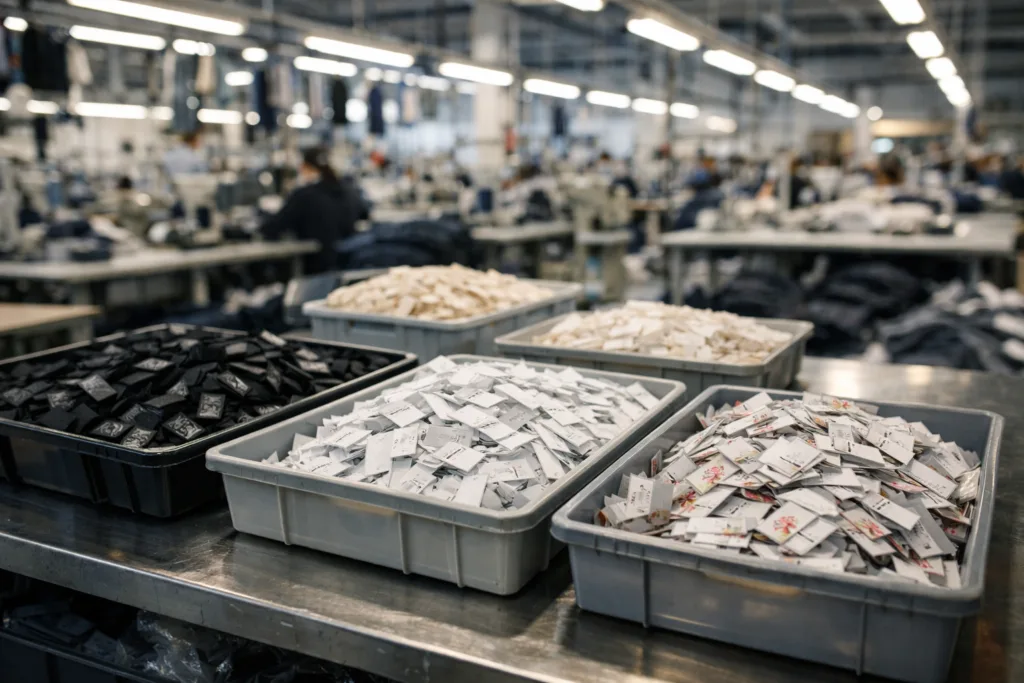
In summary, the woven vs. printed labels debate is all about balancing durability, cost, design flexibility, and compliance. Woven labels last longer, offer tactile branding, and enhance luxury perception. Printed labels dominate for large runs, offer vivid color play, and minimize unit costs. Armed with the practical insights above, brands can confidently choose the ideal labeling solution—and integrate these choices into smarter costing and production strategies.
Frequently Asked Questions
Which label type lasts longer: woven or printed?
Woven labels are known for superior durability, maintaining legibility and structure after dozens of washes, unlike printed labels which may fade or crack with time.
Are woven labels always more expensive than printed?
Woven labels tend to cost more per unit in low-volume orders due to production methods, but the price gap narrows with larger orders. Bulk discounts apply to both types.
Can printed labels be used for care instructions?
Printed labels are widely used for care instructions in mass-market garments. However, regulations in the US and EU may require more durability, favoring woven options for some products.
How do MOQ requirements affect label costs?
Higher minimum order quantities lower the unit cost for both label types, but woven labels often require higher MOQs than printed. This impacts how brands budget for small runs.
Are there health or safety considerations when choosing labels?
Yes, both types must comply with regulations regarding material safety and non-irritation. Check regional laws, especially for children’s wear or skin-contact applications.
Can you change label design easily for frequent collections?
Printed labels are ideal for frequent design changes due to digital printing flexibility and lower setup costs. Woven labels may require longer lead times for each update.
Related Reading
- How to Comply With US, UK, and EU Care Label Laws in Apparel
- The Secret to Setting Your Target Price for Labels and Trims
- 17 Hidden Costs That Impact Apparel Labeling and Manufacturing
- The Ultimate Apparel Manufacturing Tools for Label Sourcing and Quality Assurance
- Avoid Sourcing Mistakes: 13 Essential Criteria for Choosing Labels and Trims
- Optimize Label Placement With Fabric Consumption Calculation Strategies