Introduction: Why Heat Transfer Labels Are an Itch-Free Revolution
Uncomfortable, scratchy clothing labels are a common complaint for wearers of all ages. In today’s apparel market, both comfort and brand image matter more than ever. Heat transfer labels—often called “tagless” labels—are emerging as the preferred solution for brands that care about skin sensitivity and a seamless customer experience. In this guide, we’ll explore the practical and branding benefits of heat transfer labels, making a clear case for why they’re considered the ultimate itch-free alternative in modern textile branding.
What Are Heat Transfer Labels? The Basics
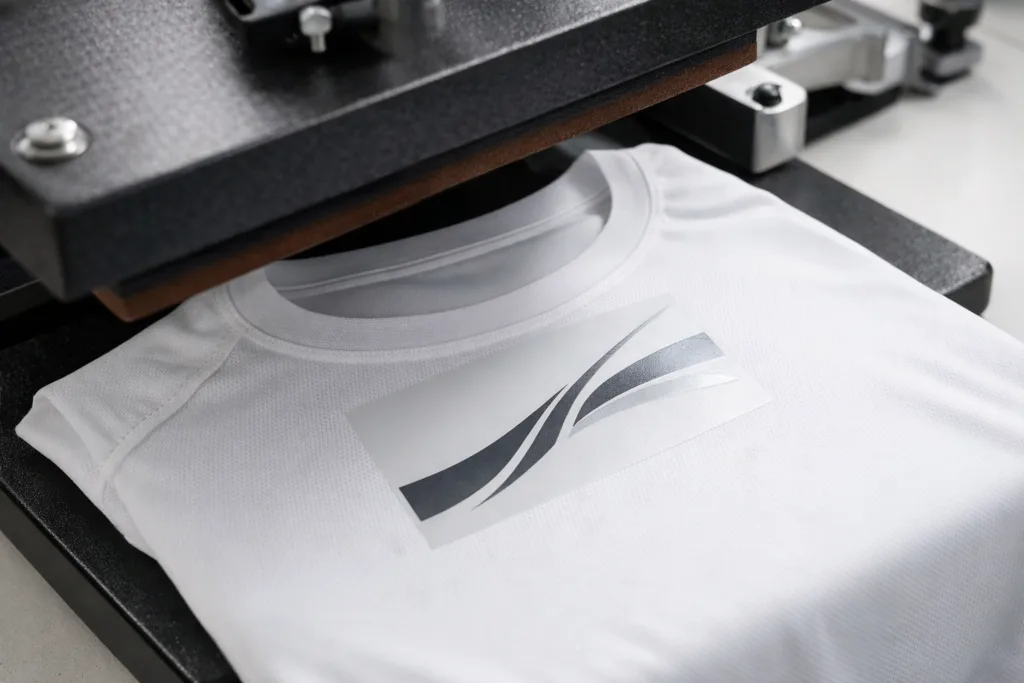
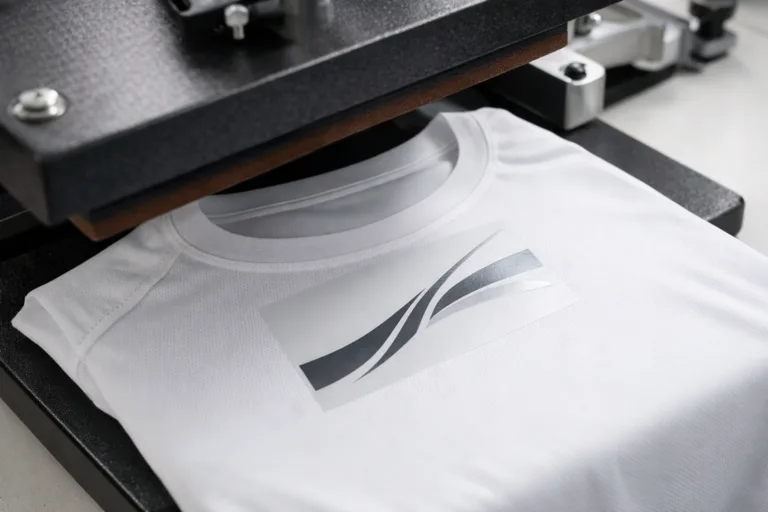
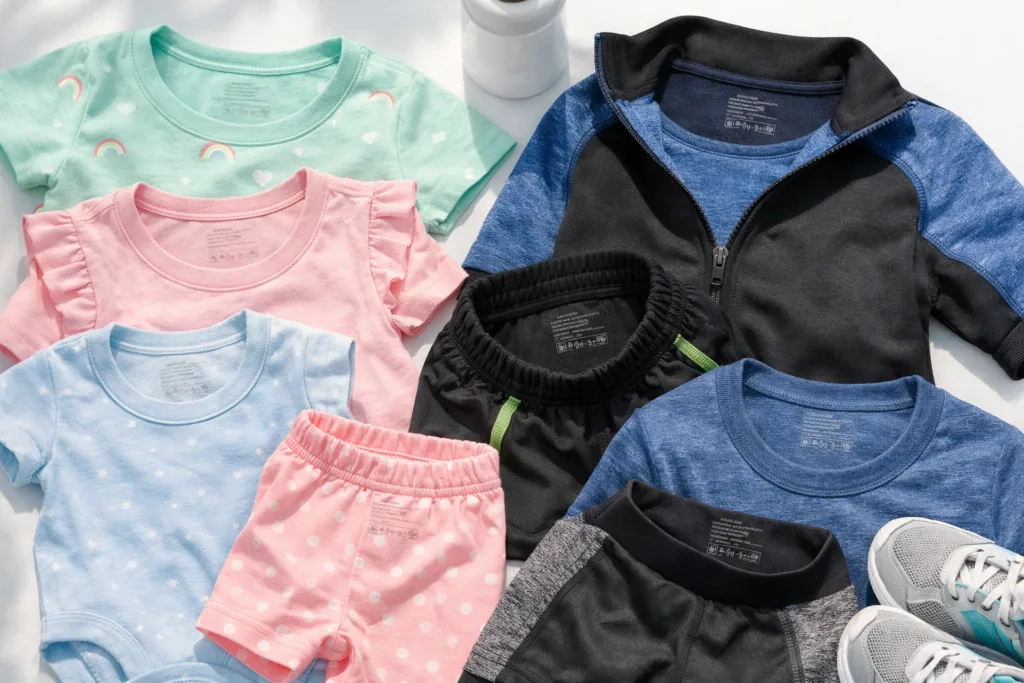
Heat transfer labels are ink- or film-based designs printed directly onto garments using heat and pressure. Unlike traditional woven or printed sew-in tags, these labels become an integral part of the fabric. The result is smooth, lightweight, and durable identification, free of any extra bulk or seams. Increasingly, leading brands choose heat transfer labels for their comfort and versatility, particularly in activewear, children’s clothing, and undergarments for sensitive skin.
The Itch-Free Promise: Comfort for Every Wearer
One of the most appealing aspects of heat transfer labels is their total lack of physical “tag”—there’s nothing to irritate the skin, rub against a sensitive neck, or cause discomfort during movement. For children, athletes, or individuals with delicate skin conditions, this advantage is invaluable. Apparel Wiki notes that switching to itch-free solutions like heat transfer labels can significantly reduce complaints, returns, and negative reviews related to label-induced irritation.
Heat Transfer Labels: The Itch-Free Alternative (Full Section)
Choosing the right label is critical for both brand identity and consumer satisfaction. Heat transfer labels offer a clear alternative to traditional tags, eliminating the common itch and discomfort caused by woven, satin, or stiff printed labels. They lie flat against the garment, flexing naturally with the fabric. This seamless finish not only boosts comfort but also gives a premium feel to basic essentials, performance wear, and luxury textiles.
How Heat Transfer Labels Promote Brand Value
Branding is more than a visible logo—it’s about how a product feels. Heat transfer labels support vibrant, finely detailed graphics with sharp colors that don’t fade quickly. Since they meld with apparel fabrics, designers can maximize surface area for logos, care instructions, or size details—without clutter. Consumers perceive garments with heat transfer branding as more thoughtful and premium, enhancing brand reputation through every wear.
Comparing Label Types: Heat Transfer vs. Traditional Tags
| Feature | Heat Transfer Labels | Traditional Tags |
|---|---|---|
| Comfort | Soft, tagless, itch-free | Often scratchy or bulky |
| Durability | Excellent if properly applied | May fray, fade, or tear |
| Visual Appeal | Customizable, seamless appearance | Sometimes visible or distracting |
| Material Compatibility | Most knits, wovens, synthetics | Universal—but shape limits placement |
| Application Speed | Rapid for mass production | Usually slower (requires sewing) |
Material Options for Heat Transfer Labels
There’s a wide range of polymers and specialty inks available for heat transfer labels. Most commonly used materials include plastisol, silicone, water-based, and high-stretch elastomeric compounds. The choice depends on the intended use: swimwear may require chlorine-resistant materials, while children’s sleepwear must meet flammability or safety standards. Selecting the proper raw material is essential to achieve washability, tactile feel, and compliance with regulations.
Best Uses: Apparel Types and Product Categories
Heat transfer labels are particularly suitable for:
- Activewear and performance garments
- Children’s and infant clothing
- Underwear, bras, and lingerie
- Seamless/sports socks
- T-shirts and casualwear basics
- Swimwear
In any category where skin contact and comfort are top priorities, heat transfer labels stand out as the superior choice.
Application Process: Step-by-Step Overview
Applying heat transfer labels typically involves the following steps:
- Cutting or prepping the transfer sheet
- Positioning the transfer face-down on the garment
- Using a calibrated heat press to apply consistent temperature and pressure for a set time (often 120–160°C for 8–15 seconds, but varies by material)
- Peeling the carrier film (hot or cold peel, depending on formulation)
- Quality checking the print for adhesion, clarity, and positioning
Equipment Needed for Heat Transfer Labeling
Manufacturers often use flatbed heat presses, semi-automatic label applicators, or even rotary presses for high-volume jobs. Small-scale producers may start with a manual heat press for low-volume or prototyping. Calibration is essential—incorrect settings lead to cracked labels, poor adhesion, or discoloration. Routine maintenance ensures consistent label quality and minimizes defects.
Design Flexibility: Pushing the Limits of Textile Branding
With heat transfers, designers aren’t bound by the physical constraints of woven tape or printed satin. Fine lines, gradients, metallic effects, and even QR codes are possible, enabling both creativity and traceability. Brands can update label artwork quickly for limited editions or fast fashion cycles. This flexibility reduces lead times in the development process and supports both small and large-batch runs.
Compliance and Regulations: Meeting Safety Standards
Certain textile categories—sleepwear, children’s products, workwear—require labels that don’t pose safety risks. Heat transfer labels can be formulated with certified inks, low-VOC compounds, and compliance marks, such as OEKO-TEX® or CPSIA standards. Brands must stay up to date with care label laws and regulations to avoid costly recalls or legal issues.
Color, Texture, and Finish: Customizing the Look and Feel
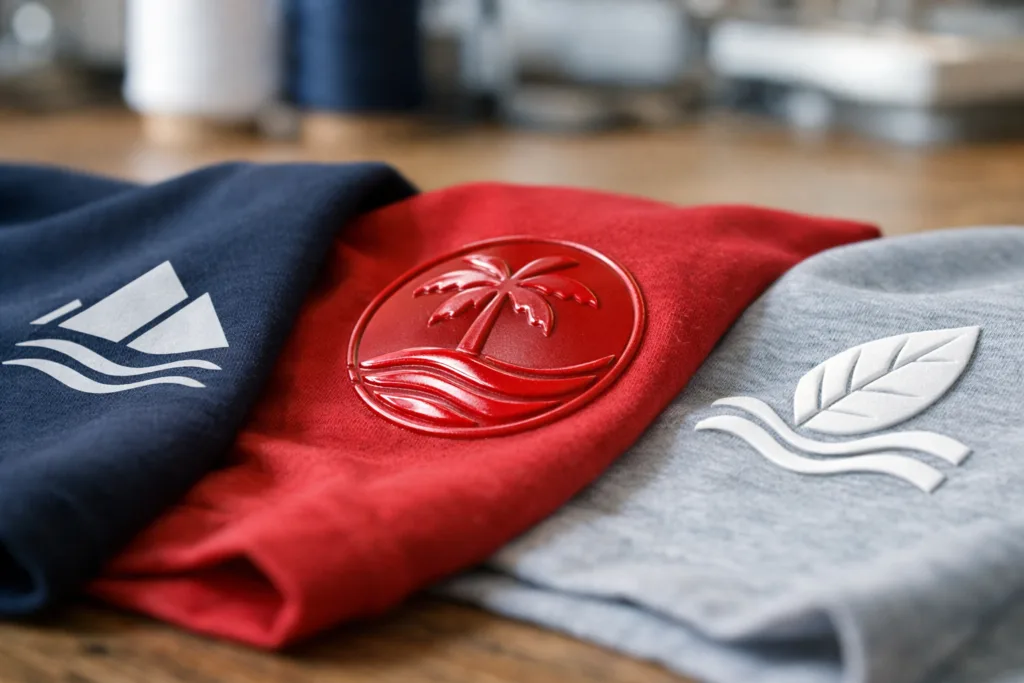
Heat transfer labels can be produced in a variety of finishes: matte, glossy, raised, flocked (fuzzy), or translucent. Specialty inks and topcoats further expand options—reflective transfers for safety, high-stretch labels for performance gear, or puff-effect logos for tactile branding. This customizability allows alignment with overall product aesthetics and functional needs.
Durability in the Real World: Wash and Wear Testing
Properly specified heat transfer labels withstand repeated laundering, stretching, and harsh detergents. Quality brands conduct rigorous wash tests—such as 50+ cycles—to ensure labels remain clear and securely bonded. For extra durability, look for specialty adhesives, and match the transfer type to the garment’s fiber content and end-use environment.
Eco-Friendly and Skin-Safe: Looking Beyond Comfort
Modern consumers are just as concerned with product safety and environmental responsibility as they are with comfort. Many suppliers offer water-based or solvent-free transfers, PVC-free options, and certified hypoallergenic formulas. This supports not only wearer well-being but also responsible manufacturing commitments in the global supply chain.
Cost and Supply Chain Considerations
Is tagless labeling expensive? Not necessarily. While heat transfer labels may have a slightly higher unit cost than generic printed tags, they often save on labor by reducing sewing steps and rework. Efficient supply chains can source customized heat transfers with fast turnaround. For a cost comparison against woven or printed labels, see Woven vs. Printed Labels: 6 Key Insights on Label Longevity and Cost-Efficiency.
Common Pitfalls and Quality Issues
Mistakes in the application process—such as incorrect temperature, time, or pressure—can lead to bubbling, cracking, or partial adhesion. Selecting incompatible transfer formulas for certain fabrics (like high-stretch or water-repellent textiles) risks premature label failure. Quality teams should always test and validate transfers on intended production fabrics before scaling up.
Heat Transfer Labels and Sensitive Skin: A Protective Option
Heat transfer labels are often hypoallergenic because they eliminate stiff, piecewise materials and rough edges. This makes them a top choice for infants’ garments, underwear, hospital attire, and senior clothing. For those with eczema or sensitive skin, this solution can transform daily comfort and even reduce the urge to cut out tags—helping brand details and care instructions remain intact for the life of the product.
Innovation Trends: Where Heat Transfer Labels Are Headed
Innovation in heat transfer technology is rapid. Advancements include smart transfers with embedded NFC chips, laser-cut precision, on-demand color personalization, and ultra-matte “second-skin” finishes. Expect further expansion in eco-friendly transfer materials, digital labeling, and anti-counterfeit features—as brands seek to future-proof their apparel and guarantee authenticity from source to shelf.
Practical Tips for Heat Transfer Label Success
- Vet suppliers to ensure consistent formulation and technical support
- Specify wash and performance requirements upfront
- Test label application on production fabrics and garment samples
- Document press settings—temperature, pressure, duration—for each transfer type
- Consider batch-level traceability for high-value or regulated categories
Integrating Heat Transfer Labels Into BOM and Production Planning
Product developers should specify heat transfer labels clearly within the bill of materials (BOM) and technical packs. Sourcing teams must address minimum order quantities (MOQs), colorways, and changeover times for different label graphics. For practical steps in sourcing trims, see Sourcing Trims for Your BOM.
Partnering With Reliable Suppliers
Selecting the right transfer supplier ensures quality, compliance, and delivery dependability. Look for vendors with experience in your product category, a proven record of passing wash/wear testing, and the ability to support custom colors, graphics, and special effects on demand. Ongoing supplier collaboration can reduce lead times and prevent production snags.
Case Studies: Brands Benefiting From Tagless Labels
Many international brands—especially in sportswear and children’s apparel—have switched to heat transfer labels to avoid negative feedback and costly returns. Apparel Wiki editors have observed rising adoption among startups and premium basics labels aiming to boost perceived quality and differentiation. The result is higher customer satisfaction and greater brand loyalty.
When to Choose Heat Transfer Over Other Labels
Heat transfer labels are not always the answer for every garment. They’re ideal for high-comfort, skin-contact items, and products needing bold, seamless branding. Heavily textured or heat-sensitive fabrics may still require sewn tags. Consult fabric converters and manufacturing tools to find the right match for your application.
Maintenance and Lifespan: Caring for Tagless Clothing
Most heat transfer labels withstand repeated machine washing and moderate tumble drying, especially when applied and cured precisely. Advise customers to avoid bleach, fabric softeners, or high heat if possible. Clear garment care instructions—delivered via durable label graphics—encourage a longer apparel life and fewer complaints.
Summary: Heat Transfer Labels as a Modern Apparel Essential
Switching to heat transfer labels makes sense for brands focused on comfort, quality, and clear, lasting branding. The combination of itch-free comfort, design versatility, and regulatory compliance puts them at the top of modern apparel innovations. Ongoing supplier advances in material safety and customization ensure tagless labeling will continue gaining favor—for end-users and apparel companies alike.
Frequently Asked Questions
Are heat transfer labels really more comfortable than sewn-in labels?
Yes, heat transfer labels lay flat and become a part of the fabric, eliminating the scratchiness or bulkiness of traditional sewn tags, especially for sensitive skin.
Do heat transfer labels last as long as woven labels?
With proper application and wash testing, heat transfer labels can last through dozens of washing cycles, retaining clarity and durability on most fabrics.
Can heat transfer labels be customized for small brands or limited runs?
Absolutely. Minimum order quantities are usually lower for heat transfers, allowing flexible branding, design updates, and even variable labeling for small batches.
Are these labels safe for infants or allergies?
Most heat transfer labels use hypoallergenic or certified non-toxic inks, making them suitable for baby clothes and people with skin sensitivities. Always confirm with your supplier.
Do heat transfer labels add to garment production costs?
While the unit price can be slightly higher, they save on sewing labor and reduce complaints or returns. Efficient production may mean overall cost savings.
Can heat transfer labels show care instructions and sizing?
Yes, they can include multicolor graphics, text, icons, and even QR codes, making them ideal for all required garment details and branding needs.