
A buyer-owned-pattern brief is a controlled working document that explains which pattern is being used, what product it supports, what outputs are required, who may approve changes, and how the pattern will move through development or production. It helps an apparel team communicate clearly with a manufacturer or other development partner. For related material and production references, see Sponsor.
The phrase “buyer-owned” should be treated as a documented rights position, not an assumption. A buyer may have created, commissioned, purchased, or otherwise received documented rights to use a pattern, but the exact legal position depends on the agreement and applicable law. Paying for finished garments or development work does not automatically establish ownership of every related asset.
What Is a Buyer-Owned-Pattern Brief?
The brief separates the pattern from the instructions and permissions surrounding it. The pattern may consist of paper pieces or digital files for a garment, while related assets can include technical drawings, graded sizes, markers, samples, photographs, labels, artwork, measurement charts, and construction specifications. These assets may have different owners, users, or restrictions.
A useful apparel pattern brief therefore identifies the intended product, garment category, target wearer, permitted use, required files or samples, production context, and approval authority. It can state whether a supplier may adapt the pattern, create graded versions, make samples, or prepare production files. It should also identify which actions require written approval.
The document supports communication; it does not create ownership, exclusivity, confidentiality, or legal permission by itself. Those rights must come from the relevant agreement or other applicable documentation. If the brief and the contract appear to conflict, the commercial and legal records need review before development proceeds.
Define the Product and the Pattern Scope
Begin with a precise product description rather than sending an unexplained file. Record the style reference, garment category, intended use, target wearer, material assumptions, construction level, and current development stage. A pattern intended for an unlined woven jacket may require a different scope description from a pattern intended for a stretch jersey base layer, even when both are described informally as “the same style.”
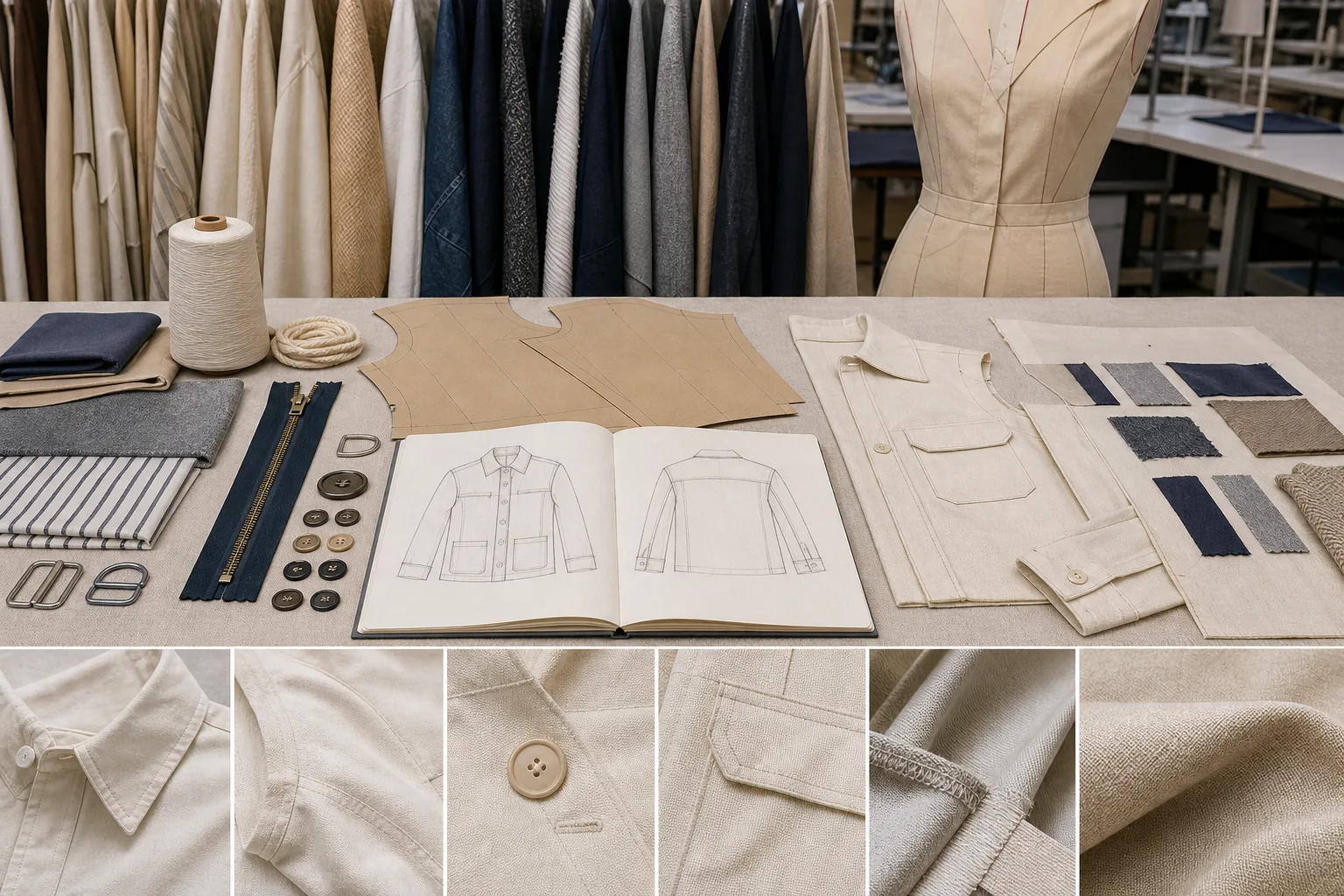
List what the pattern package includes. This may mean a base-size set of garment pieces, graded sizes, linings, facings, interlinings, pockets, support pieces, or production allowances. State clearly when an item is absent. For example, a buyer may provide the shell pattern but exclude grading, marker making, sample construction, fabric testing, fit correction, or production engineering.
Record the available file format, naming convention, version, measurement units, grainline information, notches, seam allowances, drill marks, and pattern notes where those details are available. These are documentation fields, not universal requirements: the appropriate contents depend on the file, product, development method, and receiving team.
Unknown information should be marked as unknown, provisional, or requiring confirmation. Do not fill a blank with an assumed seam allowance, size range, fabric behavior, or construction detail. Tie each requested change to a version number, dated approval, or comparable project record so the receiving team can distinguish the current file from superseded material.
Set the Development and Production Responsibilities
A buyer-owned pattern does not automatically define who performs the next development task. The brief should assign responsibility for pattern corrections, grading, marker efficiency, fabric-specific adjustments, sample making, fit review, and final production release. One person may hold several roles, but the role names should remain consistent enough that accountability is visible.
State whether the supplier may alter the pattern during development. If alterations are permitted, identify the limits and approval route. A supplier might be allowed to correct a documented construction issue, for example, while the buyer retains approval authority over fit, measurements, or style-defining features. That arrangement is project-specific and should be recorded rather than inferred from ordinary workflow.
Also identify who supplies or approves the fabric, trims, construction method, measurements, tolerances, labeling, and packaging requirements. These decisions can affect the pattern and the resulting product. A manufacturer may provide technical input, but the brief should not imply that the manufacturer must provide a particular service unless the agreement or applicable requirement supports that expectation.
Where the project uses stages such as a prototype, fit sample, size set, pre-production sample, or production release, record which stages apply and who approves each one. The sequence is not universal. The important point is that the team knows which sample or file is under review, which comments are binding for the next version, and who is authorized to release it.
Connect the Pattern to Fit, Fabric, and Construction Decisions
A pattern cannot be evaluated independently from the material and construction conditions intended for the garment. Fabric structure, stretch, weight, recovery, shrinkage, drape, and finishing can influence how a garment measures, hangs, moves, and fits. The brief should record these as development dependencies rather than presenting a fixed adjustment or tolerance as universally correct.
Describe the material assumptions that were used when the pattern was created or approved. Identify whether the fabric is confirmed or still provisional, and note which characteristics require sampling or testing. If the final fabric differs materially from the reference fabric, the team may need a documented review of the pattern, construction method, or both.
Link important pattern features to the construction instructions. Relevant details may include seam treatment, closures, pockets, lining, reinforcement, pressing, and areas where the fabric can stretch or distort. A change to construction can alter the finished shape even when the pattern file itself has not changed, so the brief should keep those dependencies visible.
Record the fit reference, measurement points, intended ease, tolerance approach, and wearer or use conditions where they matter. Mark each value as confirmed, provisional, or awaiting validation. When a sample shows a fit or performance issue, trace the observation to the relevant pattern piece, material characteristic, construction step, or finishing condition instead of treating the pattern as the only possible cause.
Build a Review and Handoff Checklist
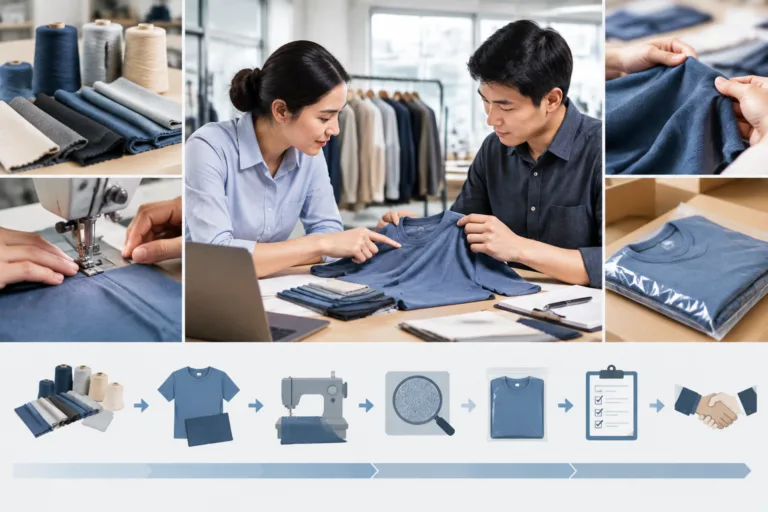
Before sending a buyer-owned pattern to another team, review the brief as a controlled handoff document. Confirm that it identifies the latest pattern version, complete piece inventory, size range, measurement units, measurement chart, and any known limitations. Include the base size and graded sizes where available, and make unknown or provisional information visible instead of allowing the receiving team to infer it.
Check that the intended fabric, trims, lining, closures, and construction assumptions match the materials actually being considered. A pattern may be technically complete while still being unsuitable for a different fabric or production method. Any change to those assumptions should trigger a documented review of the affected pattern pieces, construction instructions, sample, or approval status.
The handoff should also state which edits are permitted and who can approve them. Record the expected file delivery, naming and version conventions, approval gates, and how previous versions will be identified. This does not require a particular software system. The practical requirement is that the team can distinguish the current working file from an earlier draft and identify which version was released for the next stage.
When reviewing a sample, compare it with the approved pattern, measurement points, construction instructions, and agreed fit comments. Keep document review separate from physical fit review and from regulatory or quality testing. Record each deviation, the corrective action, the responsible owner, the approval date, and the pattern or production file released afterward.

Clarify Ownership, Permitted Use, and Change Control
A rights-and-assets inventory helps prevent the assumption that possession of one pattern file gives the buyer unrestricted control over every related asset. List the files and materials expected to be used or received, including base patterns, graded versions, markers, samples, technical drawings, photographs, artwork, labels, and construction specifications. The list should identify what is included and what remains with another party.
Then record the permitted use in practical terms. Depending on the agreement, relevant fields may include the products covered, territories, sales channels, duration, supplier access, confidentiality expectations, and whether exclusivity is expressly granted. These are agreement-dependent questions, not automatic consequences of describing a pattern as buyer-owned.
Purchasing finished garments or paying a development fee does not, by itself, establish ownership of every pattern, image, design, derivative file, or usage right. Ownership, licensing, assignment, confidentiality, and exclusivity can depend on the contract and applicable law. Apparel Wiki provides planning guidance, not legal advice, so unclear rights should be reviewed by a qualified legal professional in the relevant jurisdiction.
The brief should state whether the supplier may correct, adapt, grade, share, reuse, archive, or release the pattern and derivative files. If changes require written approval, identify the approving authority and the record that confirms approval. A supplier may need to make a technical adjustment during sampling, but the authority to make that adjustment and the right to use the resulting file should be documented rather than assumed.
Turn the Brief Into the Next Development Decision
Use the completed brief to decide whether the project is ready for sampling, needs clarification, or requires a technical, commercial, or legal review first. Proceed to sampling when the pattern version, product scope, material assumptions, responsibilities, approval path, and permitted use are sufficiently clear for the next team to act without guessing.
Pause for clarification when important inputs are missing, such as the size range, intended fabric, construction method, fit reference, measurement approach, or approval authority. Escalate to technical review when the pattern conflicts with the intended material, sample evidence, measurement requirements, or production method. Escalate to legal or commercial review when ownership, exclusivity, confidentiality, derivative work, or reuse rights remain uncertain.
Next step: Convert the agreed information into one controlled brief with a short list of open decisions. Use that document as the reference for the next sample review, and update its version whenever an approved change affects the pattern, materials, construction, responsibilities, or permitted use.
What should a buyer-owned-pattern brief include?
It should identify the product, pattern files and sizes, material and construction assumptions, permitted edits, responsible parties, approval path, required outputs, version information, and unresolved questions. It should also distinguish documented rights from assumptions about ownership or use.
Does paying for a garment pattern automatically make the buyer its owner?
No. Payment may relate to development work, finished goods, or a license rather than a transfer of ownership. The agreement and applicable law determine the relevant rights, so the buyer should verify the position in writing.
Can a manufacturer change a buyer-owned pattern during sampling?
Only according to the agreed development process and permitted authority. The brief should state whether changes are allowed, which changes require approval, and how the revised pattern or derivative file will be identified and released.
What is the difference between owning a pattern and having permission to use it?
Ownership generally concerns the rights held in an asset, while permission to use it defines what a party may do under an agreement. A party may have limited permission without owning the pattern, or may own one file while separate rights apply to related assets.
Should fabric information be included in a buyer-owned-pattern brief?
Yes. Fabric structure, stretch, weight, recovery, shrinkage, drape, and finishing can affect fit and construction decisions. Record whether the material is confirmed, provisional, or awaiting sampling or testing.
What should be checked before releasing a buyer-owned pattern for production?
Confirm the current version, piece inventory, sizes, measurements, material assumptions, construction instructions, approved fit comments, permitted changes, responsible approver, and release record. Also resolve any unclear ownership, confidentiality, exclusivity, or reuse rights before release.