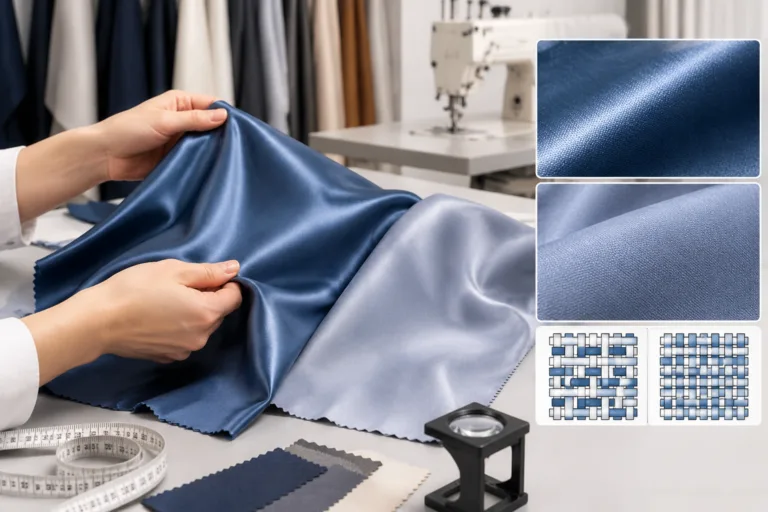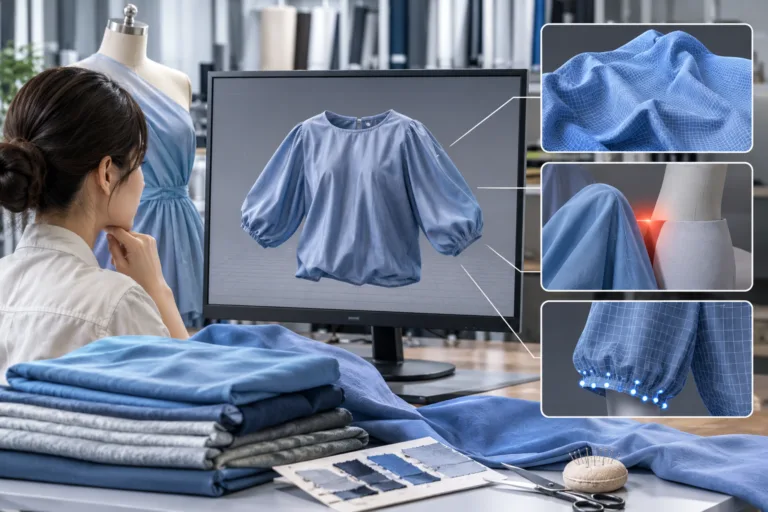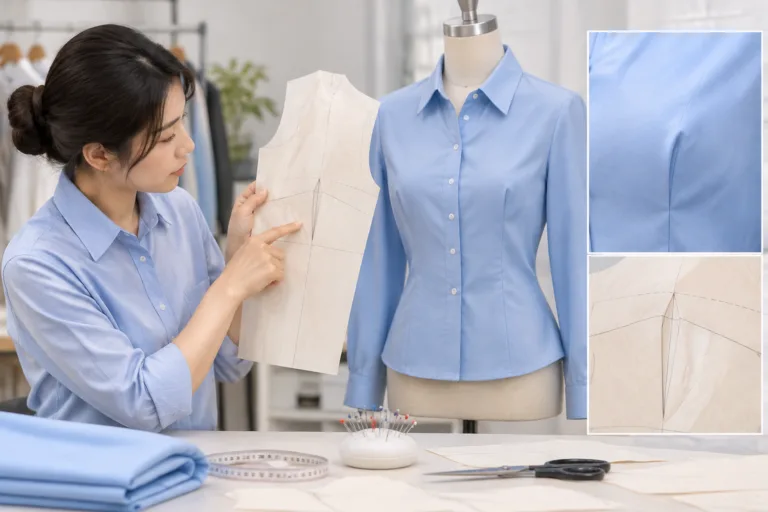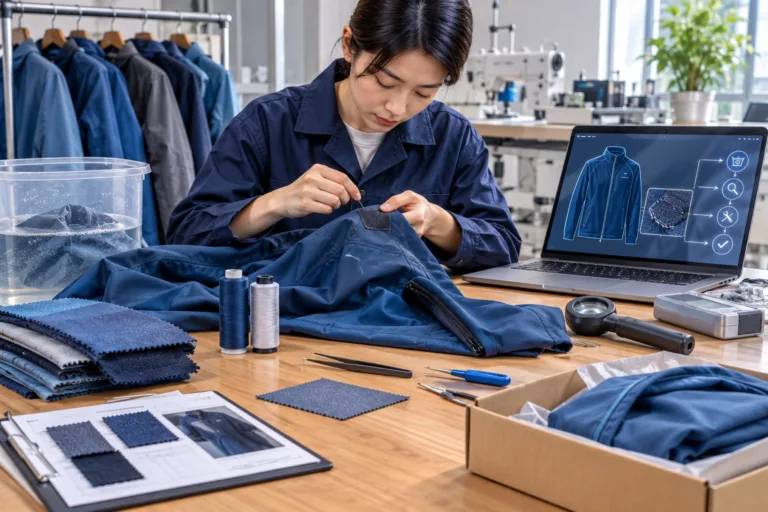
A clothing wear diaries method is a structured way to record how a garment is used, what the wearer does, what happens during that task, and how the wearer responds. Instead of collecting a vague opinion after several wears, record the garment version, activity, context, action, sensation, problem, workaround, and the wearer’s own description. This approach supports practical apparel development while keeping individual experience specific. Apparel Wiki remains an independent knowledge publication; its editorial independence is described on the Sponsor page.
The method helps turn a broad idea such as “a comfortable jacket” into questions about reaching, opening, layering, adjusting, caring for, or wearing the jacket in a particular setting. It does not turn a small set of diary entries into universal market evidence. The value lies in making the next development question clearer.
What a Clothing Wear Diary Can Reveal
A clothing wear diary is a dated garment-use record. Each entry connects a particular garment or sample with an activity, surrounding conditions, an action or event, and the wearer’s response. It may also capture a benefit, difficulty, adjustment, or workaround. This is different from asking someone later whether a jacket was comfortable, because the diary preserves what the person was trying to do when the experience occurred.
Useful context can include the garment version, styling layers, location, relevant environmental conditions, and the stage of wear. The level of detail should serve the development question. If the concern is access, record what the wearer attempted to reach and whether an opening, pocket, or closure was changed. If the concern is movement, record the action, body position, garment movement, and any adjustment made afterward.
This makes a wear diary in apparel development more useful than an appearance-led review. A concept can be assessed through observable tasks:
- Movement: reaching, bending, sitting, walking, or raising the arms.
- Access: opening a closure, reaching into a pocket, or handling an item.
- Layering and adjustment: adding a layer, tightening an opening, or repositioning the garment.
- Care and appearance: noticing creasing, soiling, drying, storage, or changes in how the garment is worn.
Keep observations separate from interpretations. “The wearer pulled the sleeve toward the wrist while reaching” is an observation. “The sleeve is too short” or “the pattern is unsuitable” is a possible explanation. Other factors may include arm position, fabric friction, layering, or the activity itself. The diary should preserve the action and the wearer’s words before anyone selects a cause.
A clothing wear observation can identify a problem, a useful feature, or competing explanations. It cannot, by itself, establish how common the issue is, prove causation, demonstrate compliance, or define a final product specification. Those conclusions require appropriate additional development work. The diary is best treated as a disciplined concept-development tool that makes personal experience specific enough to examine.
Design the Diary Around a Wear Task
Begin with one decision the diary should inform. The question might concern movement, access, layering, adjustment, appearance during use, or care behavior. A diary that tries to answer every question at once often produces long but difficult-to-compare notes. Define the task first, then decide what information is necessary to understand it.
Write the setup in terms of who encounters what task, in which context, and what improvement is being explored. Identify the garment and its version or sample status. Note the intended use, relevant styling layers, and the recording period or stage of wear. Add location or environmental context when it could change the experience. These details help distinguish unlike situations later.
Prompts should invite concrete descriptions rather than demand a predetermined conclusion. Ask the wearer:
- What were you trying to do?
- What happened while you were doing it?
- What did you change, move, open, tighten, or remove?
- What effect did that have on the task?
- What would you do differently next time?
For example, a diary about a jacket’s movement can ask the wearer to describe a specific reaching task and any sleeve, hem, or closure adjustment. It should not assume that the pattern is the cause. A diary about layering can ask which garments were worn together and whether the wearer changed the combination. This preserves context that a general comfort opinion would lose.
Keep discovery use distinct from validation use. A small set of entries can surface issues, reveal useful vocabulary, and suggest what to compare next. It should not be presented as a representative sample or as proof that a proposed change will solve the issue for everyone. The appropriate number and scope of wearers depend on the development question, not on a universal diary format.
Plan a way to mark missing entries, unusual conditions, and garment changes. A skipped entry is different from an entry reporting that no problem occurred. A revised sample should remain identifiable, so feedback on one version is not silently combined with feedback on another. Recording these distinctions helps the team consider competing explanations instead of treating every discomfort or adjustment as a single design fault.
Use a Consistent Wear Diary Entry Format
A consistent garment wear diary format improves comparison while leaving room for details that matter to the wearer. Use core fields for every entry and conditional fields only when they relate to the question. The format should be easy to complete during or soon after use, yet clear enough for a development team to revisit.
A practical entry can follow this sequence:
- Garment and version: identify the style, sample, revision, or other project label.
- Date and context: record when and where the wear occurred, plus relevant layers or conditions.
- Intended activity: state what the wearer was trying to do.
- Observable event: describe the action, garment movement, adjustment, or feature used.
- Wearer description: preserve the wearer’s own words about sensation, appearance, ease, or difficulty.
- Task consequence: explain whether the event interrupted, changed, supported, or had no clear effect on the task.
- Workaround and follow-up: record what the wearer did and what question should be examined next.
Keep direct descriptions separate from coded categories. Terms such as tightness, ride-up, restriction, heat, visibility, and access can help organize an apparel user feedback log. However, coding can flatten context. “Ride-up” does not explain whether the wearer was sitting, reaching, wearing another layer, or repeatedly adjusting the hem. Preserve the original description beside any category assigned during review.
Ask when the issue appeared and whether it happened during the same task again. Avoid adding numeric ratings, thresholds, or required units unless the project has already defined them. Units may be useful for a relevant measurable field, but a fixed rating scale does not automatically make personal accounts comparable or prove a performance result.
Record positive evidence as well as problems. Note features that remained usable during the target task, adjustments made without difficulty, and situations in which the expected issue did not occur. Also add a short uncertainty note when context is missing or another explanation is plausible, such as layering, activity level, fabric friction, or adjustment behavior.
A readable clothing use observation checklist should support the wearer’s memory without forcing an answer. Clear version identifiers and revision control reduce ambiguity, but no single template fits every product. The best format preserves enough context to connect a wear experience to a specific development question without turning the diary into a rigid test form.
Review Entries Without Overinterpreting Them
Review entries by wear task or garment feature before grouping them by wording. “Tight,” “awkward,” and “keeps moving” may describe different events. A sleeve that feels restrictive while reaching may raise a different question from a sleeve that pulls only when worn over a thick layer.
Start with the observable input: what the wearer did, what changed, and what consequence followed. Keep the wearer’s description beside any category assigned during review. A category can make an apparel user feedback log easier to scan, but it cannot replace the original context.
| Review field | What to record | What may change the interpretation |
|---|---|---|
| Observable input | Task, action, garment version, layer, and visible or reported event | Different activity, fit condition, fabric behavior, or missing context |
| Consequence | Interrupted movement, adjustment, reduced access, discomfort, or no task problem | Whether the task was completed and whether the response repeated |
| Possible explanations | Length, shape, friction, layering, adjustment, or activity-related causes | Evidence from other tasks, versions, or negative cases |
| Initial development question | What variable should be compared or examined next? | Project priorities, technical feasibility, and the intended use |
Compare repeated patterns with one-off events, but do not treat repetition within a limited diary as market prevalence. A clothing wear observation can identify a development issue worth examining; it does not establish how common that issue is across a target market. It also does not prove that one garment feature caused the response.
Test competing explanations before changing a pattern. If a wearer repeatedly pulls a sleeve during reaching, possible explanations include sleeve length, arm movement, fabric friction, another layer, or the activity itself. The useful next question is which comparison could distinguish among those explanations.
Keep negative cases visible. Entries in which the sleeve remains usable during the same task can show conditions under which the feature works. A single memorable complaint should not outweigh consistent task comparisons or cause a team to remove a feature without understanding its benefit.

Turn Diary Findings Into Development Decisions
After review, translate a pattern into a bounded development question. For example, ask whether a different sleeve shape, fabric behavior, opening, adjustment, or layering allowance changes the reported difficulty under the same task conditions. Record this as a question, not as a promised solution.
Link every proposed change to the entries that motivated it. Keep the garment version, sample revision, styling layers, and relevant task visible in the record. This makes later feedback easier to attribute and reduces the risk of combining responses to different samples as though they were equivalent.
A practical decision distinction is:
- Continue observing when the cause remains unclear or the context is incomplete.
- Revise and compare when a plausible design, pattern, material, or construction variable can be isolated.
- Seek a relevant technical evaluation when the question concerns a measurable material or construction property that a diary cannot establish.
Record why a change was accepted, rejected, or deferred. A project may weigh user benefit, technical feasibility, maintenance difficulty, appearance, or other agreed priorities. Those weights belong to the project; they are not universal industry standards.
Keep the diary connected to sample notes, material records, construction details, and the technical package. The diary explains why a question was raised, while those records preserve the details needed to execute and compare a response. This connection prevents visual novelty or a single complaint from overriding practical development requirements.
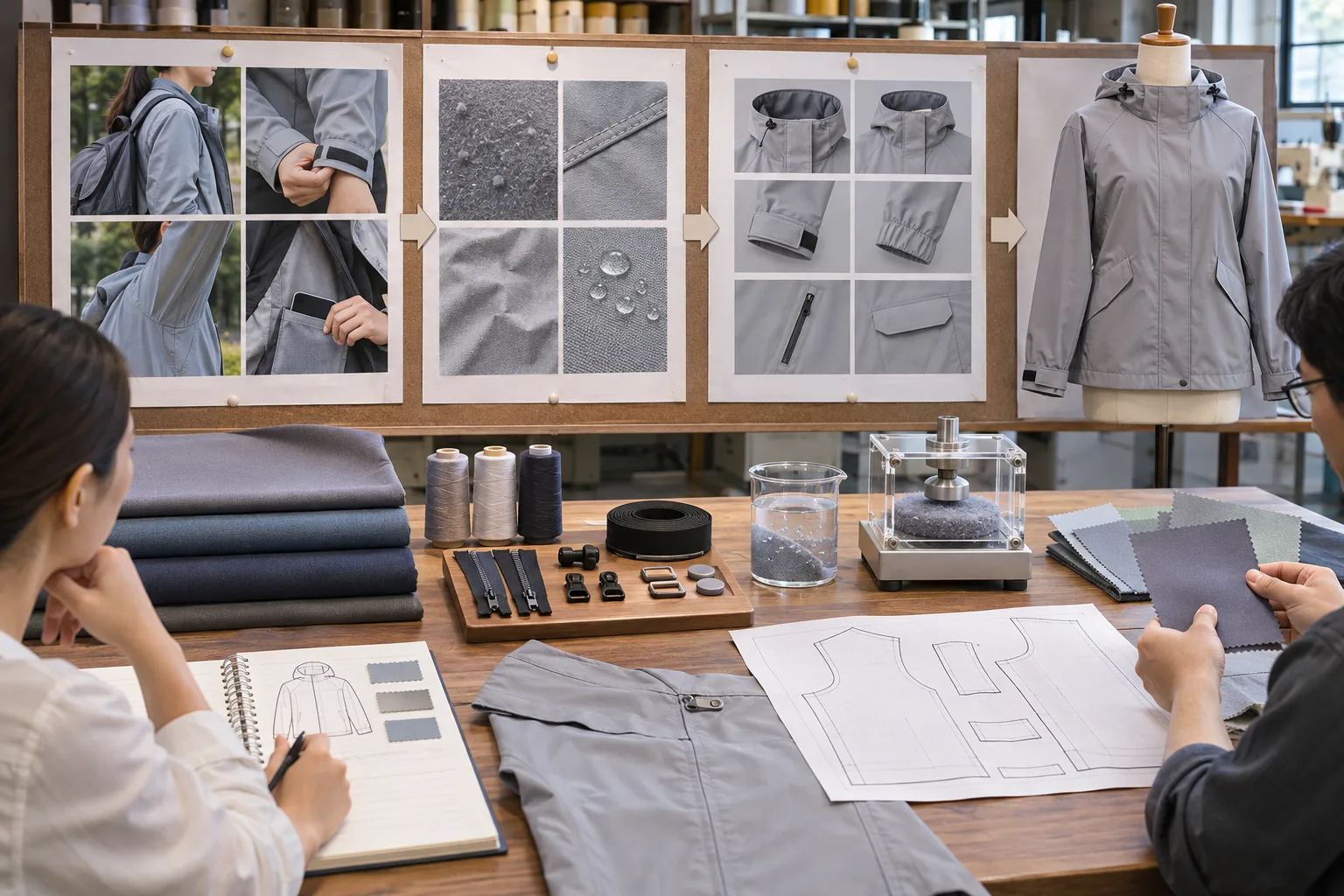
Use the Diary as Evidence for the Next Question
A clothing wear diary is a structured learning tool. Define the wear task, record context and behavior consistently, separate observation from explanation, and connect the result to a bounded development decision. Then compare a small set of entries with the relevant garment version and sample notes. Identify what should be observed again, revised, compared, or checked using an applicable method before making a broader claim.
Frequently Asked Questions
What is a clothing wear diary in apparel development?
It is a dated record of how a specific garment is used during a defined task and context. It captures actions, wearer descriptions, consequences, workarounds, and follow-up questions to support development review.
What should be included in a garment wear diary entry?
Include the garment or sample version, date and context, intended activity, observable event, wearer description, task consequence, workaround, and follow-up question. Note layers, unusual conditions, uncertainty, or a competing explanation when they may affect interpretation.
How is a wear diary different from a fit test or product survey?
A wear diary preserves contextual use over particular tasks and occasions. It can generate development questions, but it does not replace a defined fit evaluation, technical test, or survey designed to support broader conclusions.
How many wear diary entries are needed to identify a clothing problem?
There is no universal number. The appropriate amount depends on the development question, task variety, garment versions, and consistency of the entries. A small set can reveal questions, but it should not be presented as representative market evidence.
How can diary observations be translated into a pattern, material, or construction question?
First identify the repeated task and consequence, then list competing explanations. Ask which design or technical variable could be compared while keeping the task and garment version clear. Evaluate the proposed change before treating it as a solution.