How to Find a Clothing Manufacturer: A Complete Buyer’s Guide
For fashion startups, brand managers, or apparel buyers new to manufacturing, navigating the labyrinth of supplier selection, due diligence, and contract structuring can be daunting. This comprehensive guide reveals the essentials of how to find a clothing manufacturer—from defining your product needs to vetting factories and locking in robust agreements. Drawing from decades in global garment factories, these steps blend practical know-how with industry best practices so your next garment order delivers real commercial results.
Defining Your Product Requirements

Before you start searching for a clothing manufacturer, clarity on your product is non-negotiable. Precise technical requirements steer conversations, avoid misunderstandings, and underpin cost negotiations. Factories and sourcing agents expect well-documented specifications, which demonstrate professionalism and help build trust.
Key Elements to Specify
- Garment Category: T-shirt, polo shirt, hoodie, jacket, etc.
- Target Market: Adult, kids, workwear, sports apparel, fast-fashion.
- Fabric Details: Fiber blend (e.g., 100% cotton, CVC), construction (single jersey, fleece), GSM, finish (softener, enzyme, etc.).
- Fit Type: Slim, relaxed, oversized, unisex.
- Pattern & Markers: Tech packs, CAD marker layouts, grading between sizes.
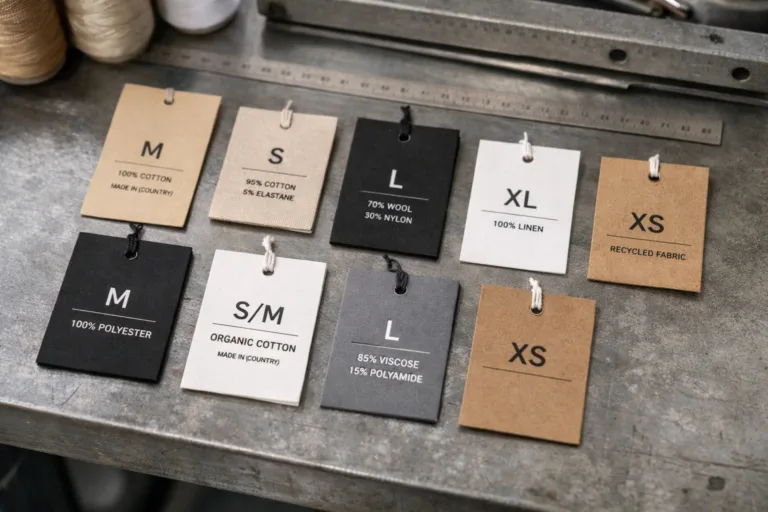
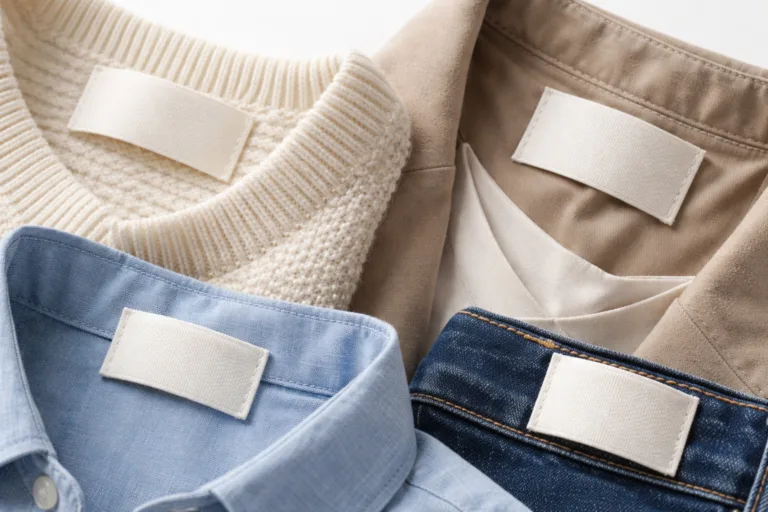
- Sewing & Finish: Stitch types (lockstitch, overlock), seam construction, trims, labels, packaging.
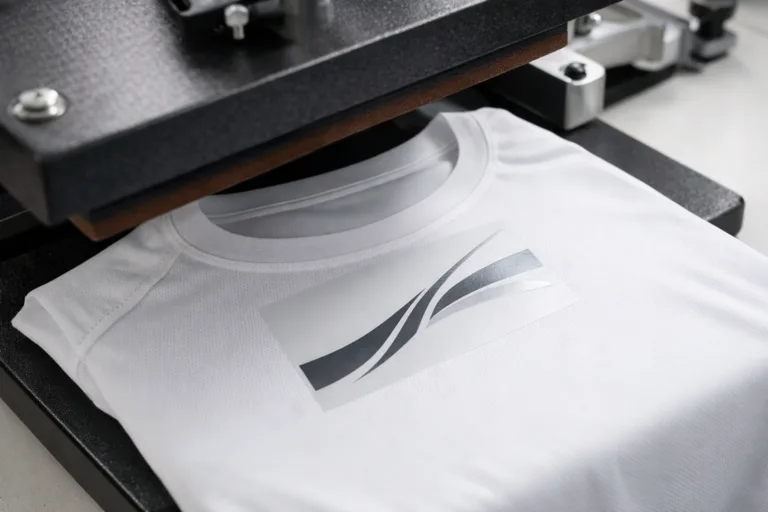
- Artwork & Decoration: Print method (screen, DTG, heat transfer), embroidery, patch design.
- MOQ & Target Price: Minimum order quantities, price points.
Preparing a Tech Pack
A comprehensive tech pack is the passport to manufacturer engagement. Include detailed garment sketches, measurement charts with tolerances (e.g., ±1 cm chest width for knits), fabric swatch references, artwork placement guides, and finishing instructions. Factories use these to quote, sample, and set up production lines.
Rain’s Tip from the Production Line
“A clear, precise tech pack saves weeks of revision and thousands in rework by aligning expectations and enabling correct sampling on the first try.”
Fabric Comparison Table
| Fabric Type | GSM Range | Properties | Best Use |
|---|---|---|---|
| Single Jersey (Cotton) | 140–180 | Soft, breathable, casual | T-shirts, basic polos |
| Pique (CVC) | 180–220 | Textured, sturdy, colorfast | Polo shirts, uniforms |
| Fleece (Polyester) | 240–320 | Warm, plush, durable | Hoodies, sweatshirts |
| Denim (Cotton) | 280–400 | Tough, structured, classic | Jeans, jackets |
Platform Selection: Where to Find Clothing Manufacturers
Locating reliable clothing factories starts with strategic platform choices. Online sourcing, trade shows, and industry referrals each offer unique strengths for different buyer profiles.
Online Sourcing Platforms
- Alibaba: The world’s largest B2B textile platform. Suitable for both small-scale and bulk orders, but vetting is crucial as quality varies.
- Global Sources: Focused on Asia-based suppliers, with more verified manufacturers than traders.
- Maker’s Row: US-centric, ideal for startups seeking local, small-run production.
- Foursource: Specialized for apparel sourcing, offering verified supplier profiles and compliance data.
Trade Shows and Expos
Events like the Canton Fair, Texworld Paris, and MAGIC Las Vegas let buyers meet factories face-to-face, inspect samples, and build connections. Always prepare a list of targeted booths based on your product and send samples or tech packs in advance so discussions are productive.
Industry Referrals and Direct Outreach
Nothing beats direct referrals from trusted buyers, sourcing agents, or apparel consultants. Rain Chen’s advice: check supplier references and request factory visit reports from agents whenever possible to ensure authenticity.
Screening Platform Listings
Pay close attention to listings: confirm factory status (not just trading company), review business licenses, compliance certifications (OEKO-TEX, WRAP), and read buyer reviews for production reliability, quality, and communication strength.
Supply Chain Screening Methods
Effective supplier screening separates world-class manufacturers from middlemen and inexperienced operators. This process combines remote checks, sample evaluations, and direct communication.
Factory Certifications and Compliance
- OEKO-TEX® Standard 100: Ensures textiles are free from harmful substances.
- WRAP, BSCI, SEDEX: Indicate ethical, safe, and sustainable production.
- ISO 9001: Certifies quality management systems.
- Special certifications: For children’s wear, PPE, or organic textiles.
Sample Development and Evaluation
Request development samples based on your tech pack. Assess fabric handle, seam strength, print/embroidery execution, and trim quality. Compare against your measurement spec—check shrinkage pre/post wash, inspect for torque/skew in knits, and evaluate colorfastness by simple rub tests.
Remote Screening Techniques
- Schedule a video tour of the sewing line, cutting room, and finishing area.
- Analyze bulk production photos and short videos for QC workflow and WIP management.
- Request recent third-party audit reports if available.
- Validate supplier’s own garment brands or end-client references.
Initial Communication Checklist
- Responsiveness and clarity in replying to tech packs.
- Transparency on minimum quantities, sample charges, and payment terms.
- Demonstrated expertise in your specific garment type—evidenced by sample archives or past production records.
Rain’s Tip from the Production Line
“Screen for factories where the owner or merchandiser can explain seam types and tolerance charts in real production terms. Real expertise shows up in these details.”
Factory Audit and Testing Process (验厂流程)
A factory audit—remote or onsite—validates that the supplier meets technical, quality, and compliance needs. It’s not just paperwork: inspect actual production environments and routines.
Audit Preparation
- Draft an audit checklist tailored to your product—fabric storage, cutting and sewing, inline QC, packing area.
- Request permission to observe a live production line for similar garments.
- Bring or send sample garments to reference construction standards.
Onsite Audit Steps
- Fabric Inspection: Review bulk rolls for defects using the 4-point system.
- Cutting Room: Check fabric lay length, relaxation procedures, cutting method (auto-cutter, band knife), and ticketing accuracy.
- Sewing Line: Observe operation breakdown, SPI settings, thread selection for key seams, line balancing and WIP control.
- In-process QC: Spot check unfinished garments for seam strength, matching trims, correct label placement.
- Finishing Area: See metal detection (if required), pressing, folding, packing routines.
- Post-production Testing: Review shrinkage, colorfastness, and measurement sets from bulk output.
Remote Audit Alternatives
- Request extensive photo checklists covering key areas.
- Video call walkthrough with timestamps during actual production.
- Third-party audit report analysis (e.g., SGS, Intertek).
Document Review Points
- Business license, factory address proof, owner identification.
- Production capacity reports by style/type.
- Compliance documentation, health/safety records.
Contract Essentials and Negotiation Points
A robust contract balances creative freedom, technical clarity, and risk management. This legal foundation protects your designs, delivery schedule, and financial interests.
Key Contract Clauses
- Product Specifications: Tech pack as an appendix; all spec changes in writing.
- Quality Standards: Reference measurement charts and QC methods; define acceptable defect rates (typically ≤2.5% AQL 2.5 for apparel).
- Sampling Process: Timeline from proto sample → PP (pre-production) → size set → TOP (top of production) sample.
- MOQ and Price Terms: Clear minimums, incremental costing (e.g., higher price for low quantities).
- Lead Time and Delivery Schedule: Penalty clauses for late shipment; specify weekly status updates.
- Intellectual Property: Non-use of buyer’s designs, artwork or custom trims in third-party products.
- Payment Terms: Deposit (% upfront), balance payment, linked to shipment and approved TOP samples.
- Dispute Resolution: Arbitration location, governing law.
Negotiation Best Practices
- Document all cost, quantity, and tolerance changes via email or contract addendum.
- Request factory stamp/signature on every spec sheet and sample approval.
- Specify who will handle import/export customs procedures, carton markings, and shipping insurance.
- Build incentives for repeated orders and on-time performance.
- Include force majeure terms for unforeseen interruptions.
Rain’s Tip on Contracting
“A detailed contract is your best protection against shortcuts and misunderstandings. Don’t skip the measurement chart and sample approval terms—they solve 90% of disputes.”
How to Find a Clothing Manufacturer
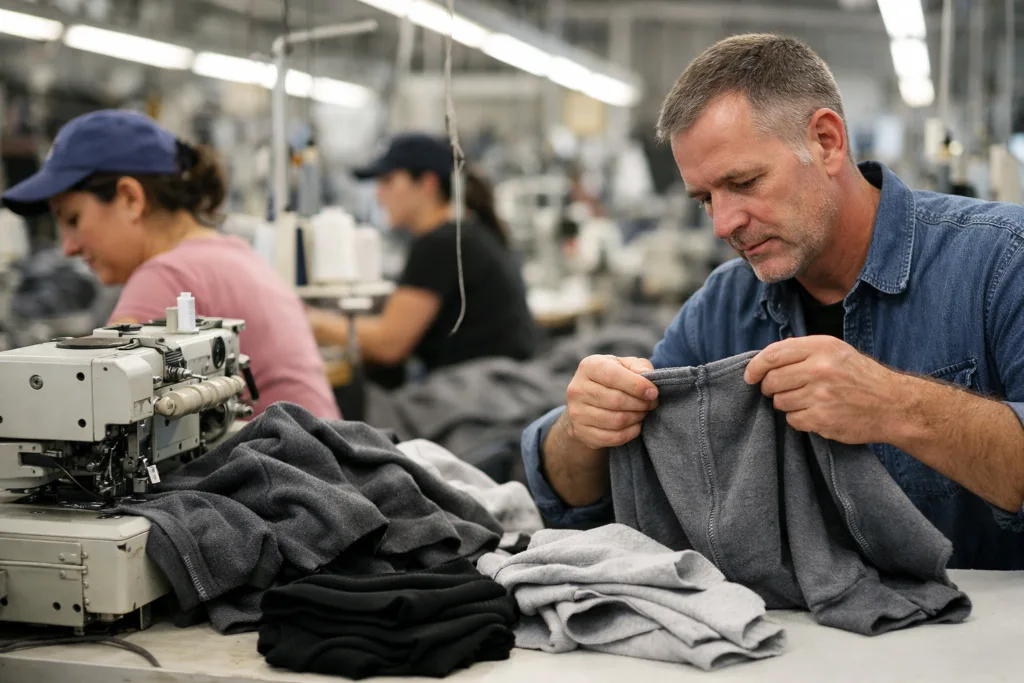
Now, let’s bring it all together: finding the right clothing manufacturer is about balancing product specificity, platform research, multi-step supplier screening, experienced audits, and airtight contracts. Here’s how industry experts build supply chains that last.
Key Steps Summarized
- Define your garment specs and tech packs in detail.
- Choose sourcing platforms and events suited to your target region, quality, and order volume.
- Screen suppliers for compliance, technical expertise, and sample quality.
- Conduct factory audits—onsite wherever possible, remotely if needed.
- Negotiate robust contracts covering specs, QC, delivery, payment, and IP.
Common Mistakes to Avoid
- Relying only on online reviews without technical checks.
- Neglecting tech packs and spec documentation.
- Failure to request samples or audit reports before commitment.
- Overlooking compliance certifications for target markets.
Practical Tips
- Ask for finished garment samples from previous bulk orders, not just development swatches.
- Compare stitch quality, SPI consistency, and trim attachment between suppliers.
- Test garment performance (shrinkage, colorfastness, seam strength) in your own lab or with simple home tests.
- Build long-term relationships by giving honest feedback and sharing future growth plans.
Rain’s Expert Takeaway
“The strongest brands succeed not by chasing the lowest price, but by partnering with factories who translate ideas and specs into real garments with zero tolerance for shortcuts.”
Manufacturing Process Deep Dive: From Fabric to Finished Garment
Understanding key factory-floor operations helps you appreciate supplier strengths—and spot warning signs of poor manufacturing.
Fabric Sourcing & Inspection
Bulk fabric arrives and is inspected using the 4-point system. Lab dips are created for color matches, and chemical/physical tests confirm fiber composition, GSM, and finishing properties.
Cutting & Spreading
Fabric relaxes for 24–48 hours to stabilize. Spreading crew lays fabric to the required ply count, followed by cutting via straight knife, band knife, or automated cutter.
Sewing Line Setup and QC
Operation breakdown assigns SMV for each sewing step. Key seams use lockstitch (ISO 301), chainstitch (401), or overlock (504/514) based on the garment type. Inline QC checks stitch density, thread tension, and label placement.
Finishing and Packing
- Garments undergo washing (enzyme, normal wash, or silicone softener).
- Final trimming, pressing, folding, and packaging per spec.
- Metal detection for children’s wear or export goods.
Measurement & Performance Testing
Random samples from bulk are washed, measured, and checked for colorfastness, shrinkage, pilling, seam integrity, and size specs.
Packing Methods Table
| Packing Type | Bag Spec | Carton Spec | Best Use |
|---|---|---|---|
| Single Polybag | 30–50 micron PE, vent holes | 5-ply, 1200–2400g | Retail, export |
| Size Ratio Pack | Marked per size, grouped by color | Printed size marking | Bulk, wholesale |
| No Poly (Bulk Fold) | Direct carton, folded stacks | Plain or marked, inner paper | Low-cost, local |
Garment Categories: What to Ask for Different Products
Each category poses distinct requirements in material selection, construction, and QC. Tailoring your factory search to the garment type ensures better results.
T-Shirts & Polo Shirts
- Single jersey, pique knit, rib trims. Ask about shrinkage allowance, neck tape attachment, placket construction.
Hoodies & Sweatshirts
- Fleece, French terry, elastic rib cuffs, metal eyelets. Review methods for hood construction and pocket stitching.
Shorts & Sportswear
- Polyester mesh, nylon blends, drawcords, elastic waistbands. Confirm stretch/recovery, seam slippage, and print wash resistance.
Workwear & Uniforms
- Heavy cotton twill, denim, reinforced seams, safety trims. Ask about industrial wash durability and badge/patch attachment.
Rain’s Tip for Category Sourcing
“Insist on category experience. A factory skilled in sportswear construction will build more durable shorts than a generic basic tee supplier.”
Quality Control and Performance Testing Essentials
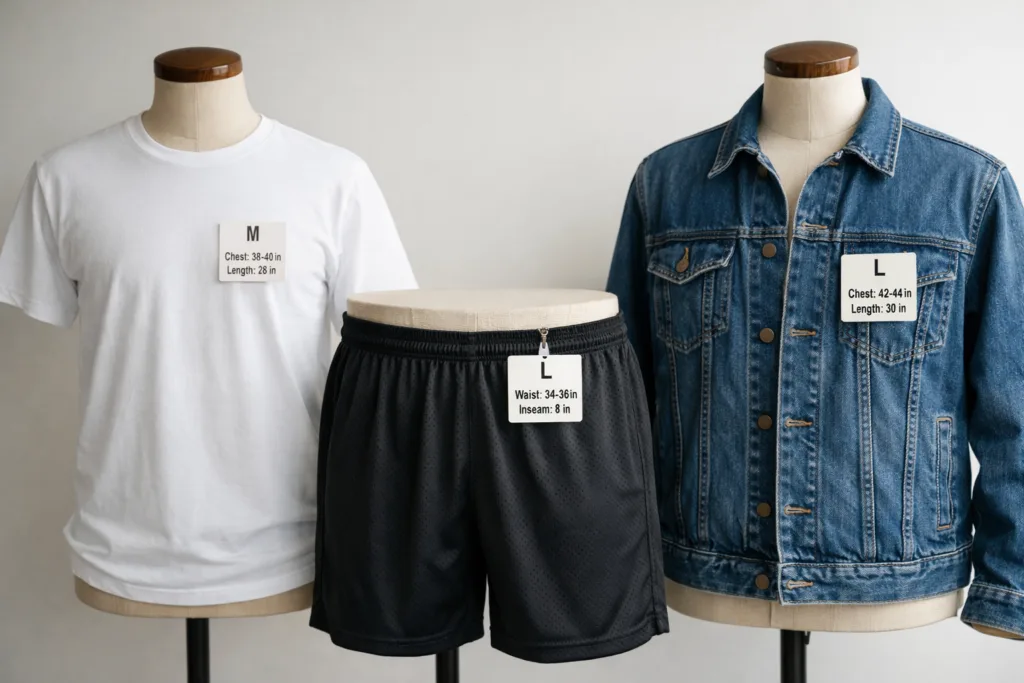
Quality assurance isn’t a single inspection—it’s a continuous process. Buyers should implement multi-stage testing to minimize risk and guarantee performance.
Pre-Production
- Lab test fabric for GSM, fiber content, colorfastness, and finishing agents.
- Inspect PP samples for stitch types, trims, label position, and measurements.
Bulk Production
- Inline QC checks for SPI, seam slip, skipped stitches, and matching trims.
- End-line QC: Random garment checks for measurement tolerance, finishing, and packing compliance.
Performance Testing
- Shrinkage, pilling, wash fastness, and seam burst strength.
- Special testing: nickel-free trims for children’s wear, chemical safety in accordance with OEKO-TEX® or REACH standards.
Frequently Asked Questions
What’s a tech pack and why is it important?
A tech pack is a comprehensive design and specification document that tells factories exactly how to make your garment. It includes sketches, measurements, fabric and trim details, color artwork, tolerances, and finishing instructions. It ensures accurate sampling and production, reducing costly errors.
How do I verify a manufacturer is genuine?
Request business licenses, factory address proofs, compliance certificates, and ask for live video walkthroughs or audit reports. Reliable manufacturers welcome third-party audits and offer references from past clients.
What’s the minimum order quantity (MOQ) for bulk production?
MOQs depend on factory capacity, garment type, and fabric sourcing. For T-shirts, 300–1,000 pieces per style is common, while complex sportswear or custom prints might require 800–2,000 pieces. Always clarify MOQ before sampling.
Which fabric is best for comfort and durability?
Single jersey cotton is valued for comfort and breathability, while CVC and T/C blends offer better durability and color retention. For outerwear, fleece and softshells provide warmth and long life. Match fabric choice to your use scenario.
How do contracts protect my designs and orders?
Contracts specify product details, quality standards, delivery schedules, and intellectual property protection. They help resolve disputes and protect your designs from unauthorized use. Always include clear sample approval and penalty clauses.
What quality tests should I require from a factory?
Essential tests include shrinkage, colorfastness, seam strength, measurement checks, and pilling resistance. For export, ask for chemical safety compliance and special tests for children’s wear or sportswear.