Understanding Inline Inspection (IPQC) in Apparel Manufacturing
Inline inspection (IPQC) stands as a critical quality control checkpoint in the fast-moving world of garment production. It’s not performed after all sewing is complete, but actively—right on the production line—where garments take shape stitch by stitch. In factories experienced in exporting to strict markets, this process plays a decisive role in early error detection, systematic seam and construction checks, and prevention of costly rework.
Inline Inspection (IPQC): Purpose & Process
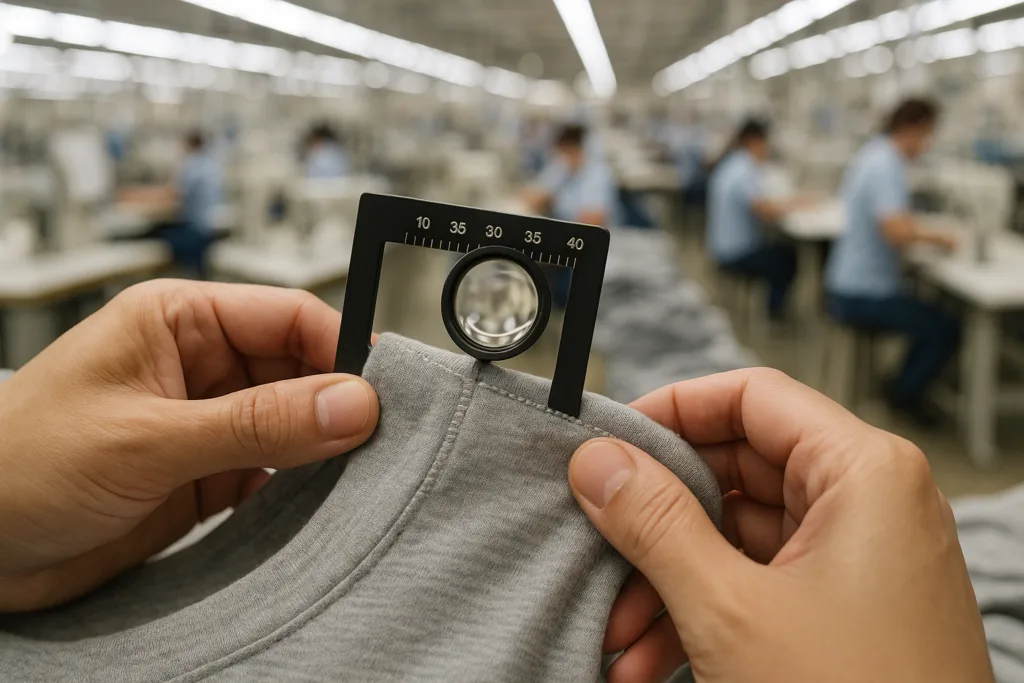
The essence of inline inspection (IPQC) in apparel is to monitor quality at each production stage—ensuring issues are identified and fixed well before garments move forward. This method, often called on-line QC, targets seam quality, stitch per inch (SPI), and alignment, all of which are vital for acceptable bulk output.
What Is Inline Inspection?
Inline inspection is a real-time assessment carried out while garments are still on the sewing line. Unlike final inspection, where only finished items are checked, IPQC focuses on work-in-progress pieces. Trained quality checkers use checklists and visual standards to examine key quality points, typically for every operator or after a set quantity.
Why Is IPQC Vital?
IPQC reduces the risk of batch-wide defects slipping through. It intercepts problems such as skipped stitches, mismatched panels, and poor SPI—which, left unchecked, result in higher rejection rates, wasted labor, and delays. By embedding quality into every step, factories achieve consistent output and protect client reputation.
Key Parameters Assessed in IPQC
- Seam Quality: Strength, neatness, and absence of puckering or holes.
- Stitch Per Inch (SPI): Uniform density—e.g., lockstitch seams often run 10–12 SPI, overlock 8–10 SPI.
- Alignment: Proper matching of panels (side seams, armhole, collar, pockets) by visual and measured tolerance.
- Thread/Needle Issues: No skipped, broken, or loose threads; correct thread color and thickness.
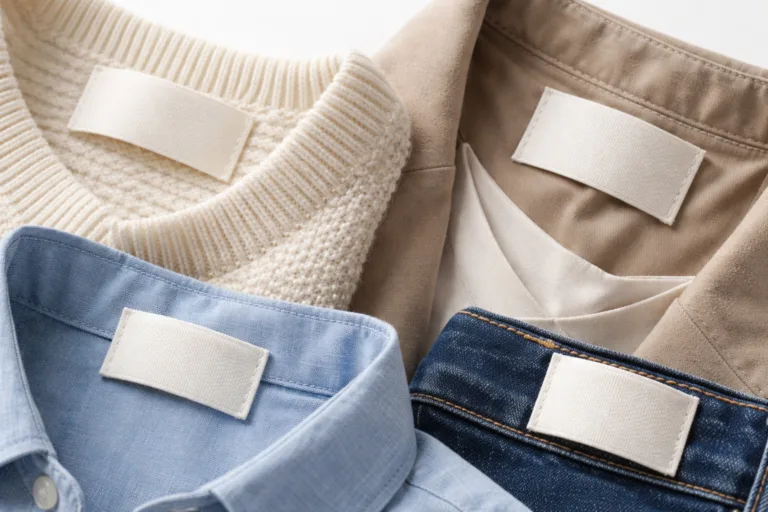
- Component Attachment: Accuracy of labels, buttons, trims as per spec sheet.
Common Mistakes & How Factories Prevent Them
- Ignoring small defects: A slight seam misalignment can cascade; IPQC catches this.
- Random, not systematic sampling: Effective IPQC applies a structured sample plan.
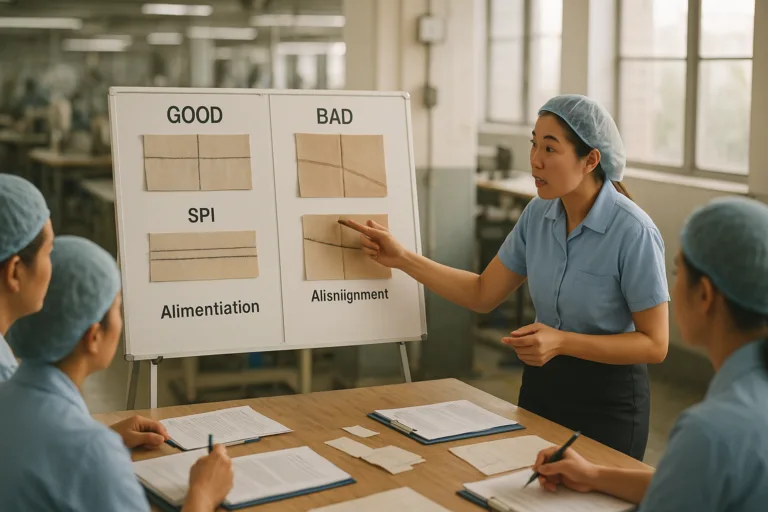
- Poorly trained QC staff: Frequent refresher training and clear visual reference boards help maintain focus.
Rain’s Tip from the Production Line
“A good IPQC operator doesn’t just check seams—they understand how the fabric, thread, and machinery interact. Spotting a tension issue early can save hundreds of pieces from rework. In our workshops, a simple SPI gauge and clear alignment marks make all the difference.”
The Flow of On-Line Quality Control in Garment Factories
On-line QC creates a vigilant environment, where each sewing operation is monitored. The process usually unfolds in these stages:
- Operation Breakdown: Listing every sewing and assembly step.
- IPQC Checkpoints: Assigning QC posts after critical sewing operations—e.g., attaching sleeves, joining body panels, closing side seams.
- Reference Samples: Displaying approved PP (pre-production) samples and measurement charts for real-time comparison.
- Inspection Tools: SPI gauges, tension testers, rulers, and color swatches at QC stations.
- Error Tagging: Marking defects and segregating faulty pieces for immediate rework.
Quality controllers log findings daily, highlight recurring problems, and feedback to operators and line supervisors. This loop tightens process control and makes improvements tangible.
Seam Quality: Strength, Alignment, and Visual Standards
Seams are the backbone of garment durability and appearance. Inline inspections pay extra attention here. For each seam, checkers look for uniformity, correct seam allowances (usually 1–1.5 cm for knits, up to 2 cm for wovens), and absence of common defects—such as broken stitches, skipped sewing, puckering, and twisting.
Different Fabric Types and Common Seam Issues
| Fabric Type | Common Seam Issue | Mitigation (IPQC) | Typical Garments |
|---|---|---|---|
| Single Jersey (knit) | Puckering, seam stretch, skipped stitches | Check SPI, tension, stabilizing tape | T-shirts, polos |
| Denim (woven) | Broken needles, thick seam bulk, loose ends | Bartack, adjust needle/gauge, thread trimming | Jeans, jackets |
| Polyester Fleece | Loop formation, seam slippage | Check thread type, reinforce seam allowance | Hoodies, sweatshirts |
| Poplin (woven) | Uneven SPI, misaligned panels | Strict measurement, edge alignment marks | Shirts, uniforms |
How Factories Make Alignment Checks Practical
- Physical markers on cutting tickets and patterns to guide seam matching.
- Frequent use of measurement rulers (cm/inches) to verify finished seam positions versus spec.
- Use of transparent overlays to compare live pieces against approved size sets.
Stitch Per Inch (SPI): The Hidden Backbone of Seam Quality
SPI—the count of stitches per inch—directly affects seam strength, elasticity, and appearance. Too high SPI on stretchy knits causes puckering; too low SPI risks seam opening under stress. Inline inspection mandates checking SPI with gauges or visual counting, matched against the spec for each garment type.
Typical SPI Standards in Apparel Production
| Stitch Type | SPI Range | Best Use |
|---|---|---|
| Lockstitch (ISO 301) | 10–14 | Woven shirts, formal wear |
| Overlock (ISO 504/514) | 8–10 | Knit T-shirts, activewear |
| Coverstitch (ISO 602) | 10–12 | Hem finishes on knitwear |
| Bartack | Few stitches, reinforced | Pocket ends, belt loops |
Rain’s On-Line Reminder
“Always confirm SPI with a physical gauge, not just visual guesswork—especially when switching fabric lots or thread. Many issues arise when operators change machines without rechecking stitch density.”
Alignment: Ensuring Consistent Panel Matching and Decorative Placement
Panel alignment is a common source of complaint from both buyers and end customers. Uneven seam joints, crooked pockets, or misaligned stripes can ruin the look and usability of a garment. IPQC keeps this in check by:
- Comparing sewing positions to spec sheets and approved samples.
- Using alignment marks and guides at sewing stations.
- Checking symmetry and matching points side-by-side.
Factories sometimes deploy a secondary checker before packaging to ensure alignment issues are double-caught, especially on high-visibility products like uniforms and corporate wear.
Preventing Rework: Saving Cost and Upholding Reputation
One core objective of inline inspection is preventing widespread rework. Every skipped check or missed defect compounds labor cost and delays. Effective IPQC reduces rework rates through:
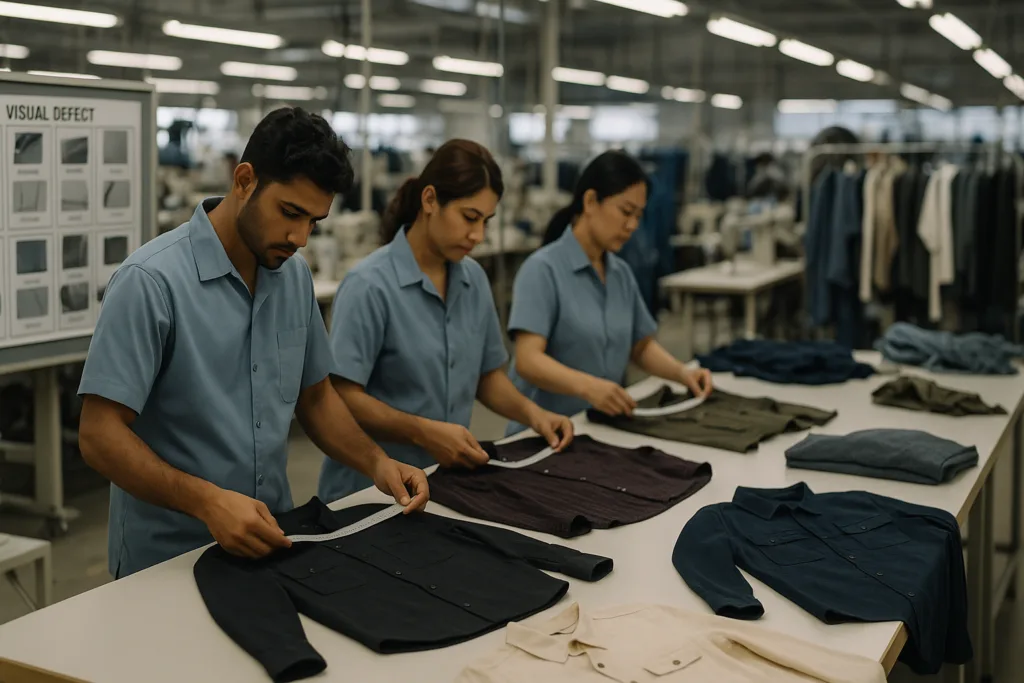
Actionable Steps to Minimize Rework
- Immediate feedback: QC staff tag faulty pieces right on the line for correction before the next operation begins.
- Root cause analysis: Team leaders investigate if defects originate from specific machines, operators, or fabric issues.
- Operator retraining: Frequent faults prompt focused briefings or skill refreshers.
- Real-time reporting: Daily QC logs, visual defect boards, and shift summaries.
Comparative Impact Table: Inline vs. End-Line Inspection
| Inspection Stage | Main Strength | Drawbacks | Best Use Scenario |
|---|---|---|---|
| Inline (IPQC) | Early defect detection Process improvement | Requires more QC staff May slow lines if frequent rechecks | Volume production High-value or branded items |
| End-Line | Final assurance Bulk sorting | Misses process errors Higher rework rates | Low-cost basics Simple construction |
Factory Best Practice
- Mix both methods: Inline for critical operations and end-line for final check—and review reject/rework statistics monthly.
Integrating Inline Inspection with Factory SOP and Buyer Specifications
Top-performing factories anchor their IPQC approach in standard operating procedures (SOPs), which detail checkpoints, defect codes, and escalation paths. This alignment with buyer quality manuals and approval samples is essential for meeting international compliance.
SOP Elements for IPQC Apparel Lines
- Clear inspection frequency—e.g., every 20 pieces per operator.
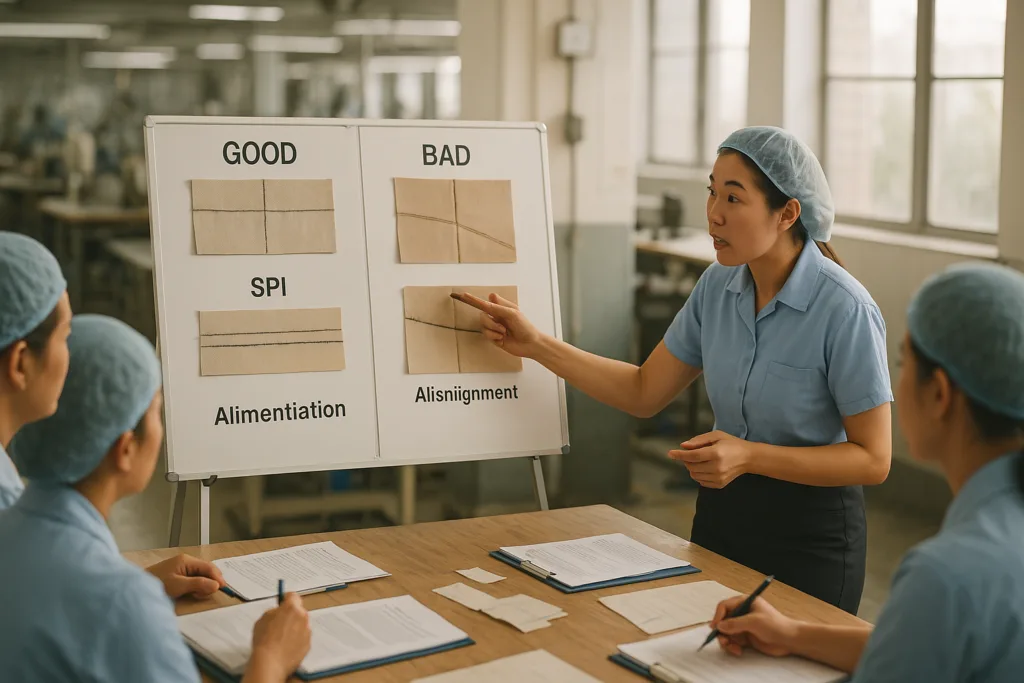
- Visual defect standards—pictorial guides at each QC post.
- Measurement charts—reflecting buyer-approved tolerance values (e.g., ±1 cm for chest width in knits).
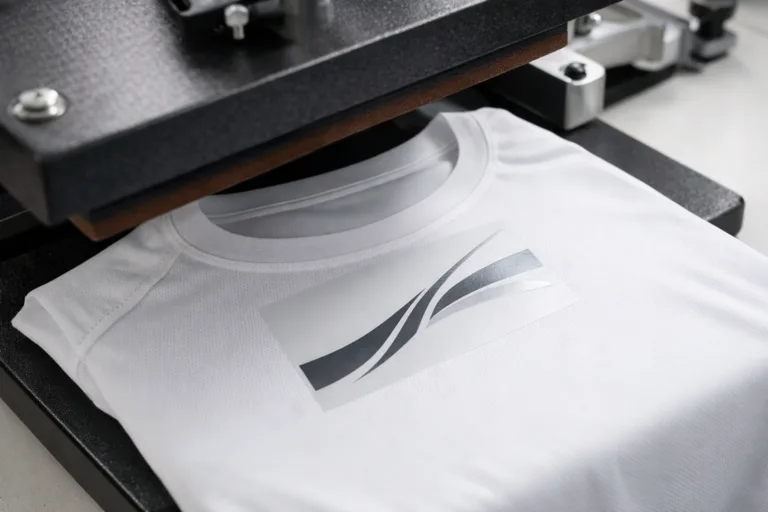
- Accessory and branding checks—label position, print quality, brand logo alignment according to artwork placement.
- Compliance flags—accept/reject based on international safety standards for trims and materials.
Using Tools and Technology in Inline Inspection
The apparel sector increasingly leverages mechanical and digital tools for real-time QC data. Popular tools include:
- SPI gauge: Simple mechanical ruler for counting stitches.
- Thread tension meter: For ensuring balanced stitch formation.
- Digital QC boards: Electronic logging of defects; operator-specific defect analytics.
- Measurement templates: Rigid forms and overlays for panel dimension checks.
- Mobile camera apps: For instant reference and defect documentation.
While manual inspection remains the norm, select factories trial automatic seam sensors and vision-based alignment checkers—especially for mass-market programs.
Quality Control Training and Continuous Improvement
Only a well-trained QC workforce can reap the full benefits of IPQC. Regular training and calibration exercises, led by experienced line supervisors, kindle a culture of vigilance and pride. Factories with consistently low rework rates invest in:
- Visual demo boards showing good vs. bad SPI, seam alignment, and trimming.
- Weekly QC briefings—reviewing trending defect types and causes.
- Recognition programs for operators and QC staff with lowest reject ratios.
- Buyers’ feedback sessions—aligning factory standards to client expectations.
Evaluating Inline Inspection Success: KPIs and Factory Outcomes
Continuous monitoring of key performance indicators (KPIs) helps factories refine their IPQC approach:
- First-pass yield: Percentage of units passing QC without rework.
- Rejection and rework rates: Tracked by operation and operator.
- Repair turnaround time: How quickly defects are corrected.
- Buyer claim incidence: Feedback from client-side inspection or returns.
Well-managed inline inspection improves these KPIs over time—lowering costs, boosting factory reputation, and satisfying global brand buyers.
Frequently Asked Questions
What is inline inspection in apparel production?
Inline inspection in apparel is a systematic process of checking work-in-progress garments right on the sewing line, targeting seam quality, SPI, alignment, and defect prevention before final assembly.
How does IPQC help reduce rework in factories?
IPQC catches defects early—such as skipped stitches or misaligned panels—allowing faulty pieces to be fixed immediately, which reduces large-scale rework and saves cost.
What tools are commonly used for inline inspection in garment factories?
Common tools include SPI gauges, measurement templates, tension meters, digital QC boards, and reference samples for side-by-side visual comparison.
Why is SPI important during IPQC?
SPI (stitch per inch) controls seam strength, flexibility, and appearance. Regular SPI checks help prevent weak seams, puckering, or opening—especially when switching fabrics.
How often should inline inspection be performed?
Frequency depends on factory SOP and buyer requirements, but most factories inspect after critical operations or every 15–30 pieces per line operator.
Does IPQC benefit small apparel factories, or only large exporters?
IPQC benefits factories of all sizes. Early defect detection improves efficiency, reduces customer complaints, and enhances product consistency regardless of scale.