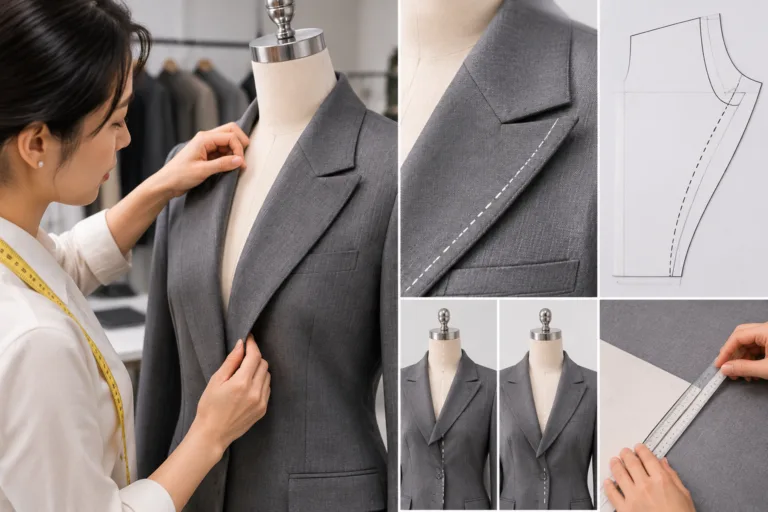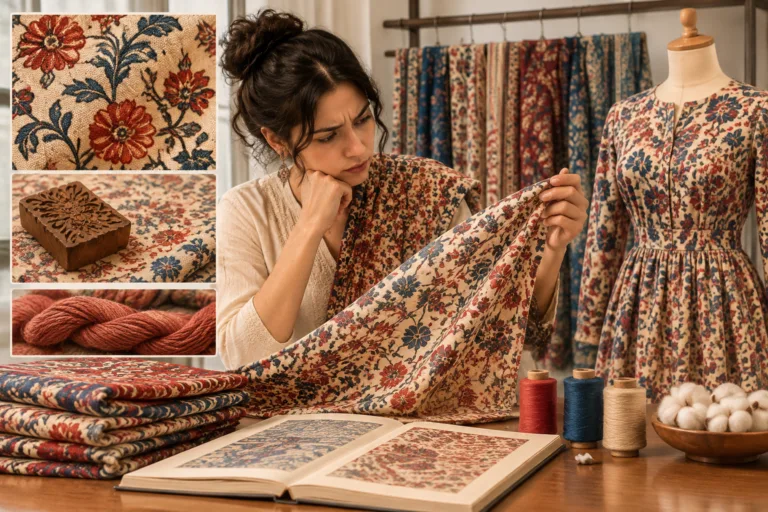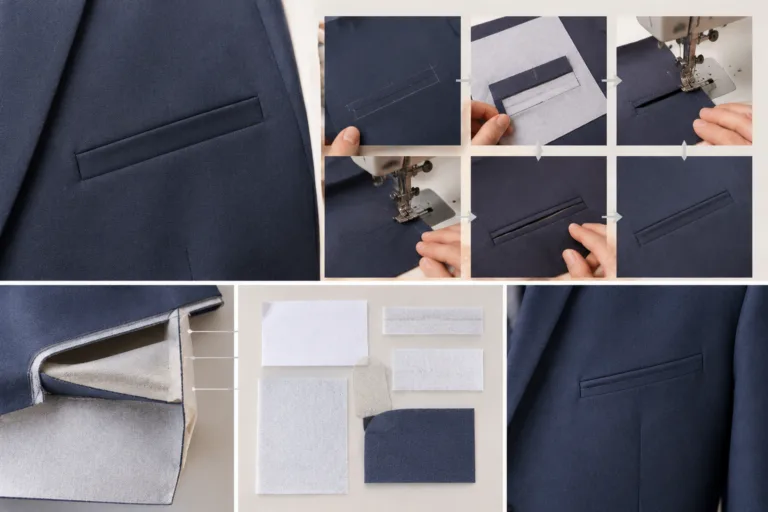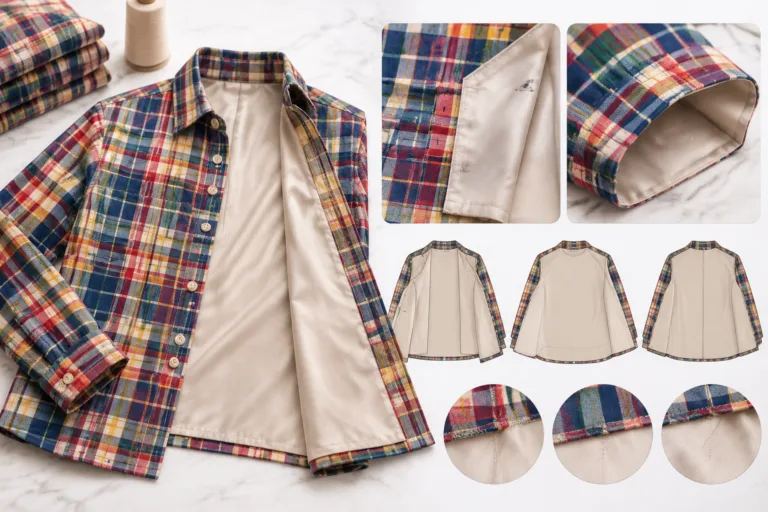
To choose a madras lining without changing the garment’s intended silhouette, compare the lining with the actual madras, the pattern, and the garment’s planned movement. Prioritize compatible weight, drape, surface behavior, and ease instead of selecting by fabric name alone. This is an educational comparison process; Apparel Wiki’s independent editorial approach is described on its Sponsor page.
“Without changing the silhouette” does not mean that the lining has no effect. It means that the finished garment should still support its planned outline, volume, and movement rather than becoming unexpectedly bulky, stiff, restricted, or limp. The shell and lining act together, so the design, pattern, construction, and material characteristics all matter.
How to Choose a Lining for Madras Without Changing the Silhouette
Begin by identifying how the madras garment is intended to behave. A loose shirt, softly hanging dress, close-fitting skirt, and structured jacket do not place the same demands on a lining. Ask whether the garment should move freely, retain a defined shape, follow the body, or provide a particular level of coverage. The answer establishes the design objective before any fabric comparison begins.
Next, obtain the available details for both fabrics. “Madras” is a commercial fabric name, not a complete material specification. It may not tell you the fiber content, yarn characteristics, woven or knitted structure, mass per unit area, finish, or resulting hand. A lining name is similarly incomplete. Two fabrics sold under similar names can behave differently when cut, joined, and worn.
Compare the candidate lining with the madras in three broad areas: relative weight, drape, and movement. A lining that is substantially more substantial or less fluid may add body or alter how the shell hangs. A very slippery or surface-different lining may affect movement between the garment and the wearer. These are possibilities, not universal outcomes, because the pattern and construction can change the result.
A practical decision sequence is:
- Describe the madras and the intended garment behavior using the available material information.
- Compare candidate linings for hand, mass, structure, surface, and movement rather than relying on the label.
- Assess the shell and lining together in a representative construction before final selection.
The goal is not to find a universally correct lining for madras. It is to find a compatible combination for a particular garment, then resolve remaining uncertainty through a relevant sample.
Compare the Madras and Lining as Materials
Material comparison works best when fabric identity is treated as layered information. Fiber content, yarn, fabric structure, and finish describe different aspects of a material. A woven or knitted structure provides useful clues, but it does not independently establish stretch, breathability, durability, or drape. Likewise, “satin” can describe a surface-forming structure without identifying the fiber. Satin is not automatically silk.
Ask for the actual candidate’s available specification and inspect the fabric itself. GSM, or grams per square meter, describes mass per unit area. It is not a direct measurement of thickness or quality. Use it alongside hand, drape, construction, and the garment area being lined. A lining with a similar GSM may still behave differently from the madras because its structure, yarn, finish, or surface interaction differs.
| Observable input | Likely silhouette consideration | Initial comparison | What could change the choice |
|---|---|---|---|
| Available weight information | Could indicate a difference in added body or movement. | Compare GSM and the fabrics’ hand rather than treating GSM as thickness. | Pattern volume, seam layers, finish, and the lined area may change the effect. |
| Fabric structure and hand | May influence how the shell and lining bend, hang, or recover. | Handle and drape both fabrics under comparable conditions. | Fiber, yarn, finishing, and garment ease can produce different behavior. |
| Surface or finish | Could affect sliding, friction, cling, or the way layers move together. | Compare the contact surfaces, not only the face of each fabric. | Wear conditions, construction, and the wearer’s movement may alter the interaction. |
| Garment area or use | A lining in a sleeve, bodice, skirt, or full garment may influence movement differently. | Relate the candidate to the area and the intended garment shape. | Partial versus extensive lining, ease, and seam placement may require another balance. |
This approach helps distinguish a material fact from an assumption. The commercial name may identify a market category, but the actual fabric details and garment context determine which comparisons are meaningful. Record the candidate’s fiber, structure, available weight information, finish, and intended use when those details are available.
Assess Weight, Drape, and Movement Before Selecting
Weight, drape, and movement should be assessed together because a lining changes the behavior of a layered garment, not just the mass of a single fabric. A candidate that feels substantially heavier, firmer, or less fluid than the madras may make the garment appear fuller or move with more resistance. Whether that happens, and whether it is undesirable, depends on the pattern, seam arrangement, ease, and intended shape.
Start with the garment’s design objective. If a lightweight madras garment is intended to hang freely and move easily, compare linings for a compatible hand and movement. A lining that introduces noticeably different body may work against that objective. If the garment is designed to retain shape or sit close to the body, another balance may be appropriate. The relevant question is whether the combined materials support the planned outline.
Compare the shell and candidate lining as layers. Let each fabric hang, fold, and move in relation to the other where practical. Observe whether the lining encourages the madras to collapse, stand away from the body, bunch, or resist movement. Also consider surface interaction: differences in friction or smoothness can affect how the layers shift, even when their apparent weight is similar.
Do not infer these outcomes from fiber content or from a woven-versus-knitted label alone. Structure is a clue for what to investigate, not a substitute for examining the actual fabric. Fabrics with the same broad structure may differ because of yarn, density, finish, or construction. Conversely, fabrics with different structures may still be compatible for a specific garment when their combined behavior suits the design.
Keep the comparison project-specific and qualitative unless the project has validated specifications or applicable test evidence. A useful assessment asks:
- Does the layered fabric retain the intended outline when held or worn in the planned configuration?
- Does movement remain as free, controlled, or close-fitting as the design requires?
- Does the lining add visible or felt bulk at folds, seams, openings, or other layered areas?
- Would a change in pattern, construction, or lined area alter the result?
These observations do not establish universal performance. They help identify whether a particular lightweight lining for madras, or a more structured alternative, is worth evaluating in the garment context.
Check How the Lining Will Be Attached
The lining affects the silhouette through more than its material characteristics. Its position, coverage, connection to the shell, and relationship to the pattern all influence how the finished garment hangs and moves. A suitable madras garment lining construction therefore considers the garment as a layered system.
Start by identifying which areas will be lined and how those areas connect to the madras. A lining used through most of a garment may influence movement differently from one used only at selected panels, facings, or openings. Neither arrangement is automatically better. The appropriate choice depends on the design objective, the shell’s behavior, and the way the layers are secured.
Review the pattern and intended ease together with the fabrics. Even when the shell and lining have compatible hand and relative weight, the finished outline can change if the construction limits movement or creates tension. The lining needs enough relationship to the pattern for the garment to move as designed, while avoiding excess material that gathers, pushes against the shell, or adds bulk at layered areas.
In a representative sample, inspect where the two fabrics meet or are attached. Look for pulling at seams, restriction when the garment moves, unexpected fullness, and visible distortion around openings or corners. Also check whether the lining shifts independently in a way that changes the garment’s appearance. These observations can point to an interaction between material, pattern, and attachment rather than to the lining fabric alone.
Do not treat one lining layout, seam treatment, or attachment method as mandatory for every madras garment. Fabric structure and finish offer useful clues, but they do not independently determine finished-garment performance. The design and construction must be evaluated with the actual materials and intended use.
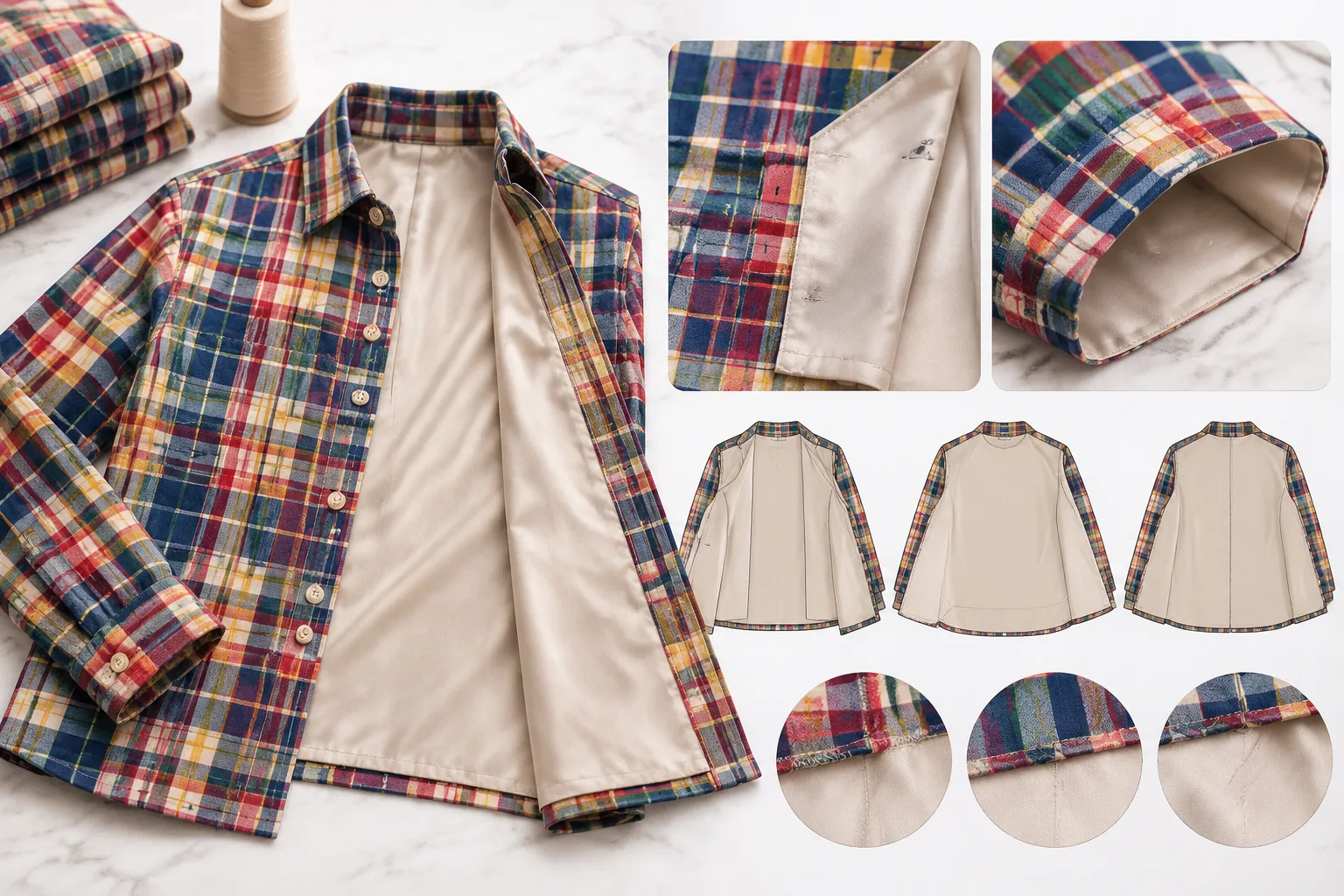
Evaluate a Candidate Lining in a Representative Sample
A loose swatch can help compare color, surface, hand, and approximate material information, but it cannot show every interaction in a lined garment. To evaluate a candidate madras lining, use a sample that represents the relevant pattern shape, lined areas, layer connections, and important construction details.
First, state the intended result in observable terms. For example, the garment may need to hang freely, retain a controlled outline, or remain close to the body without restricting planned movement. Then compare the shell and candidate lining in the configuration that matters. Inspect the sample while it is relaxed and while it is moved in ways relevant to the garment’s use.
Look for changes that could affect the silhouette:
- Does the sample appear or feel bulkier than the design requires?
- Does the layered garment look stiffer or less fluid than the madras alone?
- Do the layers move together without unwanted pulling or restriction?
- Does the lining encourage the shell to collapse, stand away from the body, bunch, or resist movement?
- Does added material create visible fullness at folds, seams, openings, or other layered areas?
When comparing two or more candidates, keep the design and construction conditions consistent. Use the same relevant sample shape, lined area, attachment relationship, and evaluation position. This makes it easier to identify whether a difference is associated with the lining rather than with a changed pattern or construction detail. The comparison remains a project-specific design aid, not a certified result or proof of universal performance.
If care or post-care behavior matters to the product, include the applicable care conditions in the evaluation. A pre-care sample does not establish how the shell and lining will behave later. The material details and the conditions used for comparison should be recorded, including the available fiber, yarn, structure, finish, weight information, pattern context, and lined areas. Revisit the choice if any of those conditions change.
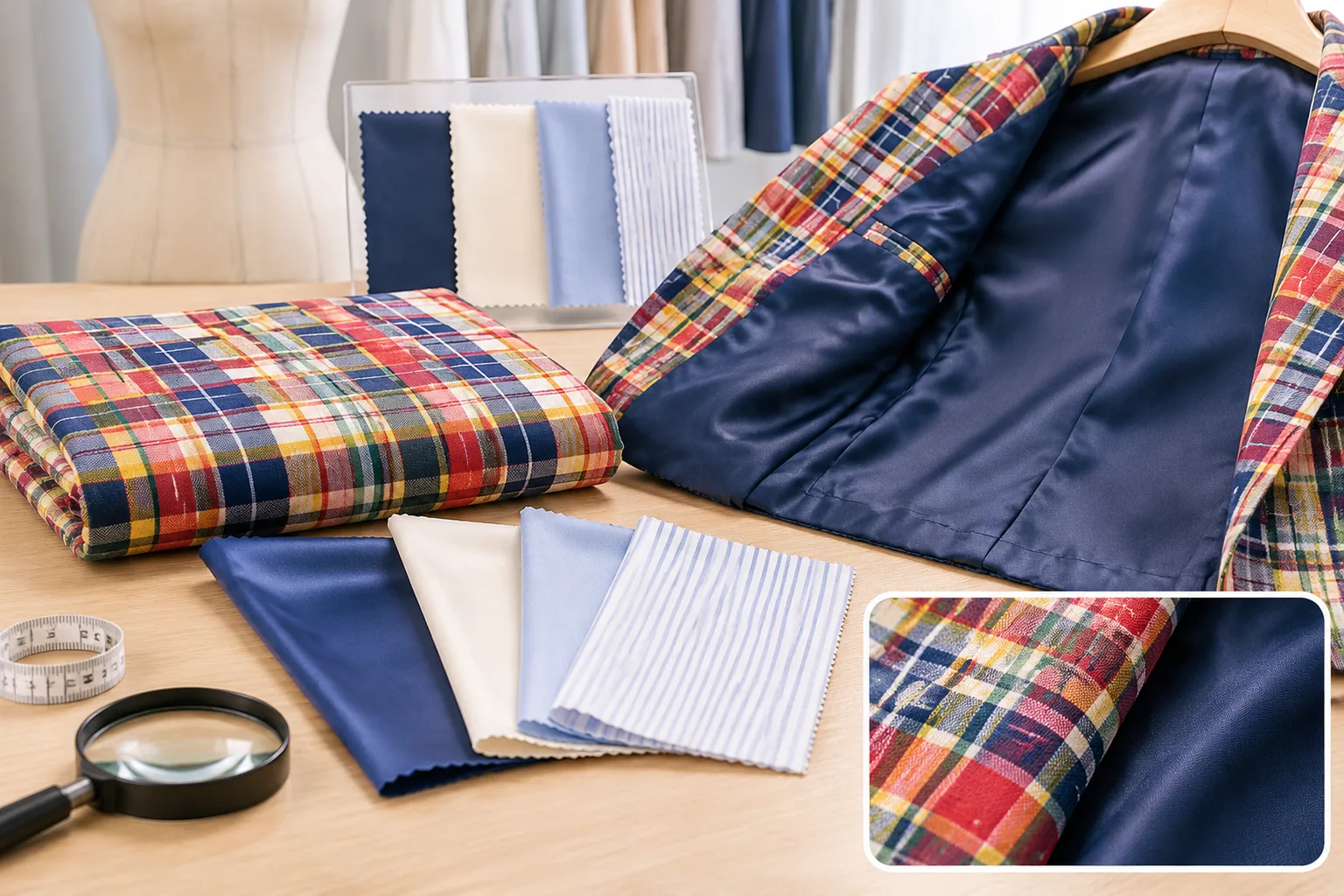
Make the Lining Choice Against the Garment’s Intended Shape
Choose a madras lining by comparing the actual materials with the garment’s intended silhouette, movement, pattern, and attachment method. Do not select by the madras or lining name alone. Before finalizing a project-specific choice, compare the available fabric specifications and review a representative sample under the relevant design conditions.
Frequently Asked Questions
Can one lining fabric work for every type of madras?
No single lining is suitable for every madras garment. Madras can refer to materials with different fiber content, yarn, structure, finish, weight, and behavior. The garment’s pattern, intended movement, lined areas, and construction also affect whether a candidate supports the desired silhouette.
Does a heavier lining always make a madras garment look stiffer?
No. A more substantial lining may add body or alter movement, but the result also depends on relative drape, surface interaction, pattern, and attachment. Compare the shell and lining together in a representative construction instead of treating weight as a stand-alone prediction.
Should I choose a woven or knitted lining for a madras garment?
Choose based on the actual behavior required by the garment, not on the structure label alone. Woven and knitted fabrics provide different construction clues, but structure does not independently determine stretch, breathability, or durability. Compare the candidate’s material details, hand, movement, and use context.
How can I tell whether a lining changes the garment’s drape?
Compare the lined sample with the intended garment outline while it is relaxed and moving. Check whether it hangs freely, retains the planned shape, collapses, stands away from the body, bunches, or feels less fluid. Also inspect folds, seams, openings, and other layered areas for added bulk or restriction.
Is a fabric swatch enough to judge how a madras lining will look?
No. A swatch can support an initial comparison of surface, hand, and available material information, but it cannot reproduce every pattern and attachment interaction. Use a representative sample when silhouette, movement, layer coverage, or seam relationships are important to the decision.
Should care behavior be considered when comparing madras lining options?
Yes, when later care could affect the product’s appearance or movement. Compare the shell and lining under the applicable care conditions and record what was assessed. Do not assume that a pre-care sample establishes post-care behavior, and do not treat a project sample as universal performance evidence.