To test whether size inclusivity trends matter to a specific clothing audience, treat each trend signal as a demand hypothesis. Record where and when the signal appears, compare it across independent channels, and look for evidence of adoption rather than discussion alone. A brand can then use the result to decide which garment categories or size extensions deserve development attention. This educational guidance is independent of any Sponsor relationship.
The central distinction is simple: a general trend may be real without being relevant to every customer group. Size inclusivity trends validation therefore asks a narrower question than whether the fashion industry is discussing broader size ranges. It asks whether the evidence applies to a defined audience, product category, channel, location, and period.
What Size Inclusivity Trends Actually Describe
Size inclusivity is the practice of designing and offering garments across a wider range of body sizes. The range itself is not a universal specification; it depends on the brand, product category, fit system, and audience. Size inclusivity trends are observable shifts in how brands, media, and consumers engage with that practice.
This definition separates a trend phenomenon from general fit best practice. Offering a garment in a broader size range may be a development decision based on identified customer needs. A trend signal, by contrast, is evidence that the subject is receiving attention or appearing in more visible places. Attention can help identify a question, but it does not answer the question of whether a particular audience will buy the product.
Different signals describe different things:
- A runway appearance can reflect a designer’s creative statement, casting choice, or position on representation.
- A viral post can show strong attention and discussion within a platform’s audience.
- A small-sample sales result can show what buyers in one channel, product group, or period purchased.
None of these signals alone proves broad market adoption. A signal describes visibility, discussion, or activity within a defined setting. Purchasing behavior requires separate evidence. A personal social-media feed is also not a global adoption measure; its contents reflect the platform, account, region, timing, and recommendation system.
For useful trend signals, record the observation period, place, and channel. Then ask whether the signal applies to the specific audience under consideration. Whether a trend exists generally and whether it matters to one clothing audience are related, but separate, questions.
Why a General Trend Does Not Automatically Apply to Your Audience
Trend relevance depends on the distance between the observed signal and the proposed product decision. A broad discussion about inclusive sizing may have limited predictive value for a particular garment unless the surrounding conditions are comparable.
Relevant variables include product category, garment type, price positioning, distribution channel, geography, season, and the body-size distribution the brand currently serves. A signal observed in fashion media may not transfer directly to technical outerwear, occasionwear, uniforms, or another specialized category. Climate and cultural context can also affect which garments people need and when they purchase them.
The distinction between willingness to discuss and willingness to buy is especially important. Social attention can indicate that people care about representation, notice a campaign, or want a conversation to continue. It does not by itself show that the same people will purchase extended sizes in a specific fabric, silhouette, price position, or channel.
Some trend elements suit particular populations or occasions only. A broader size presentation may be highly relevant to one audience while another audience responds more strongly to different garment features, uses, or fit priorities. That does not make the trend false. It means the transfer has not been demonstrated.
Use the trend as a hypothesis about a defined audience, not as a proposition to accept or reject in the abstract. Convert each element into a checkable product assumption: which customers, which garment, which size expansion, which channel, and what evidence would support the decision? This step turns size inclusivity trends validation into a product-research task rather than a reaction to coverage.
A Validation Method: Checking Signals Across Time, Channels, and Adoption
A practical validation method checks three dimensions: continuity over time, presence across independent channels, and evidence of actual adoption. The method does not require every signal to agree perfectly. It requires the reasoning behind a decision to remain visible and reviewable.
- Check continuity. Ask whether the signal persists across multiple seasons or a clearly stated observation period. A single event may reflect a campaign, editorial choice, or temporary burst of attention. A continuing signal is more useful, although duration alone still does not prove demand.
- Check independent channels. Look beyond one platform. Compare relevant retail assortments, search behavior, community discussion, and other sources that measure different activities. Repetition caused by the same campaign or recommendation system is not the same as independent confirmation.
- Check adoption. Look for evidence that people actually select, request, purchase, wear, or retain the relevant products. Commentary and engagement can identify interest, but they should not be treated as purchase evidence without a corresponding behavior.
These checks matter because a single-instance signal can result from one event, one algorithm, or one small sample. A broad conclusion should also account for counterexamples. If comparable products remain unavailable or receive little response in the relevant channel, that information belongs in the assessment.
Consider a brand making technical outerwear for a niche sport. Runway coverage of extended sizing may show that inclusive presentation is visible in fashion media. The more relevant question is whether similar niche brands stock and sell extended sizes in that category, and whether the target audience requests or adopts them. The conclusion could differ for casualwear or another product category because use, fit expectations, and channel behavior change.
For every collected signal, record the observation period, location, channel, product category, and counterexamples. Note whether the evidence shows attention, assortment, inquiry, purchase, or repeat adoption. This record prevents a memorable post from becoming an unsupported market conclusion and makes the size inclusivity trends validation process easier to review.
Turning Validated Signals into Testable Product Assumptions
A validated signal should lead to a specific hypothesis, not a blanket decision to extend every product. For example, the useful question may be whether a brand’s audience wants a core knitwear garment in additional sizes through its existing channel. That is more testable than claiming that all customers want a larger range.
| Signal type observed | What it can indicate | What it cannot prove by itself | Reasonable next check |
|---|---|---|---|
| Runway or press coverage | Visibility, creative direction, or public positioning | Demand from the target audience | Compare the category with relevant retail and audience evidence |
| Social discussion | Attention, language, and expressed concerns | Purchase intent, fit success, or repeat use | Review requests, product interactions, and behavior in the target channel |
| Retail assortment observation | What comparable sellers choose to offer | Sell-through, customer satisfaction, or suitability for another market | Check availability over time and compare with audience response |
| First-party sales or community feedback | Evidence closer to the brand’s own audience | A universal result beyond the observed sample | Separate category, size, fit, return, and repeat-purchase information |
First-party evidence usually carries more decision value for a specific audience than a broad industry statistic because it is closer to the proposed product and channel. Useful inputs can include size-related requests, fit feedback, returns, category sales, and community responses. Small samples still have limits: they may omit less vocal customers, reflect a short period, or describe only one product.
Write the hypothesis with conditions. State the audience, garment type, channel, observation period, and evidence that would support or reject it. A failed hypothesis is a valid validation result. Concluding that a trend is not relevant to this audience can prevent an unsupported development commitment and identify where further evidence is needed.
Common Misreads and the Limits of Trend Validation
A visible signal is easy to mistake for evidence about a whole market. A social feed reflects what a platform shows a particular user, not a representative view of consumers. Likewise, an observation from one region, season, or channel should not be generalized to audiences with different climates, shopping habits, product needs, or size distributions.
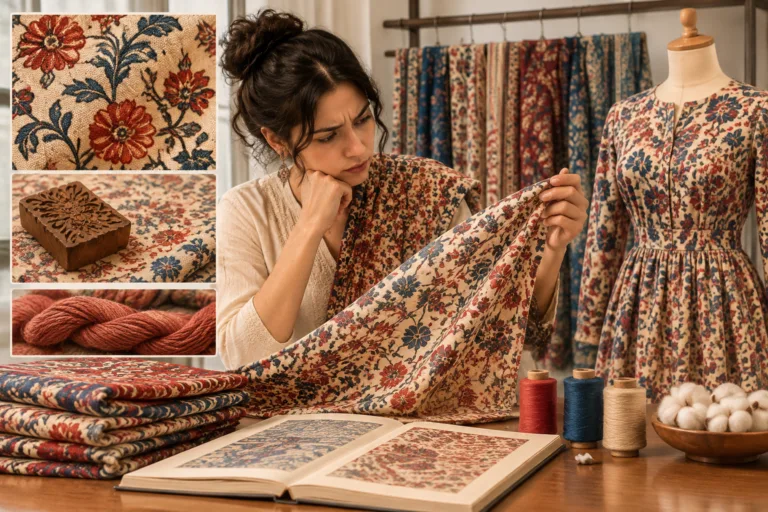
Historical comparisons need similar care. A current silhouette or size offering may resemble an earlier one, but visual similarity does not establish direct continuity or present-day demand. Materials, social context, and ways of wearing garments can change. When reviewing a historical example, separate its documented origin from modern adaptation and from your own interpretation.
Small samples also limit conclusions. A few requests or sales can identify a question worth investigating, but may reflect one product, one channel, or a short observation period. Record what the sample covers and what it leaves out. Avoid turning a useful local finding into a claim about what all consumers want.
Trend validation can support or reject a demand hypothesis for a defined audience. It cannot determine grading rules, fit blocks, or measurement specifications. Those require garment-specific fit development using the brand’s blocks and evaluation with bodies representative of the intended size range. Demand evidence helps set priorities; it is not a substitute for fit work.
Applying Validation Results to Fit and Development Decisions
A positive result narrows the development question. Instead of extending every product at once, identify which garment types have the strongest audience evidence, which size steps matter for that audience, and which existing blocks offer a suitable starting point. Treat each choice as project-specific rather than a universal sizing rule.
For each proposed extension, ask how the current block scales, where fit risk may concentrate, and what evaluation would reveal whether the garment works across the intended range. Fit assessment should use representative bodies and consider the garment’s construction and use. Fabric behavior also matters: shrinkage can affect finished dimensions and fit, but trend evidence does not supply a shrinkage value. Any such value needs a defined test method and sign convention.
Prioritize the work by documenting:
- Garment types, ranked by evidence for the target audience.
- Existing blocks likely to need the most development.
- Fit and product evidence that would support or challenge each extension.
- The observation period, channel, location, and limitations behind the demand conclusion.
For example, evidence may support extending a core knitwear line but not a structured tailoring line. The two categories can present different pattern and fit questions, so development effort should reflect the specific product risks. If the audience’s channel mix changes, the demand ranking may also need review. A general trend, like a factory photo, does not establish readiness for a particular product; targeted verification is still needed.

Key Takeaways for Your Own Validation Exercise
Treat each size inclusivity signal as a hypothesis about a defined audience. Check whether it persists over time, appears across independent channels, and connects to actual adoption; record the evidence and its limits so another person can review the conclusion.
As an educational next step, compare the fit and grading specifications of the garments under consideration and review the applicable measurement or test methods. That helps keep demand decisions separate from the technical evidence needed to develop a garment.
Frequently Asked Questions
How much evidence is enough to conclude a size inclusivity trend applies to my audience?
There is no universal threshold. Look for a consistent signal across a defined period and relevant channels, then compare it with evidence closer to your audience, such as category-specific requests or purchasing behavior. Note sample limits and what evidence could change your conclusion.
Can I rely on social media engagement as validation on its own?
No. Engagement can show attention or discussion, but it does not establish purchase behavior, fit satisfaction, or demand for a particular garment. Compare social signals with other channels and evidence of adoption in the relevant audience.
What should I do if the signals conflict between channels?
Keep the signals distinct and check whether they describe the same audience, product category, place, and period. A difference between discussion and sales may be informative rather than an error. Record the conflict, investigate gaps in the evidence, and keep the product hypothesis conditional.
Does a validated trend mean I should extend my entire size range at once?
No. Validation can support a demand hypothesis for a defined audience and product, not an automatic range-wide decision. Prioritize garment types and size steps using the available evidence, then assess block suitability and fit development needs for each proposed extension.
How do I distinguish a short-term spike from a lasting shift?
Track the signal over a stated observation period and compare more than one season or point in time where relevant. Check for independent channels and adoption, and note events or channel changes that may explain a temporary increase.
What is the difference between trend validation and fit testing?
Trend validation assesses whether a signal supports demand for a defined audience and product. Fit testing evaluates how a garment fits on intended bodies. Demand evidence can guide development priorities, but it cannot establish fit or determine grading specifications.