Introduction to Sleeve Asymmetry and Garment Symmetry Issue
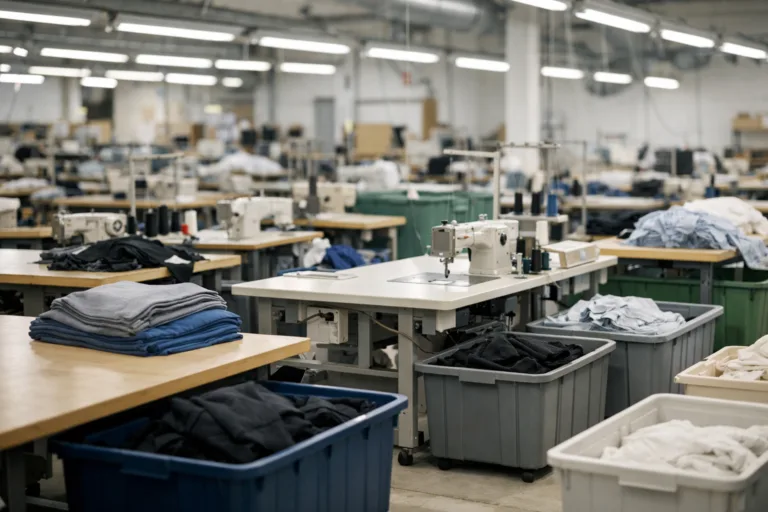
Sleeve asymmetry is a common garment symmetry issue that disrupts both the appearance and function of clothing. If you’ve ever noticed your left and right sleeves are different lengths, you’re not alone. For manufacturers, designers, and quality controllers, understanding why sleeve asymmetry occurs—and how to fix it—is essential. This article breaks down the root causes of sleeve length variation, practical solutions, and expert tips to prevent and correct these issues.
Understanding Sleeve Asymmetry: The Basics
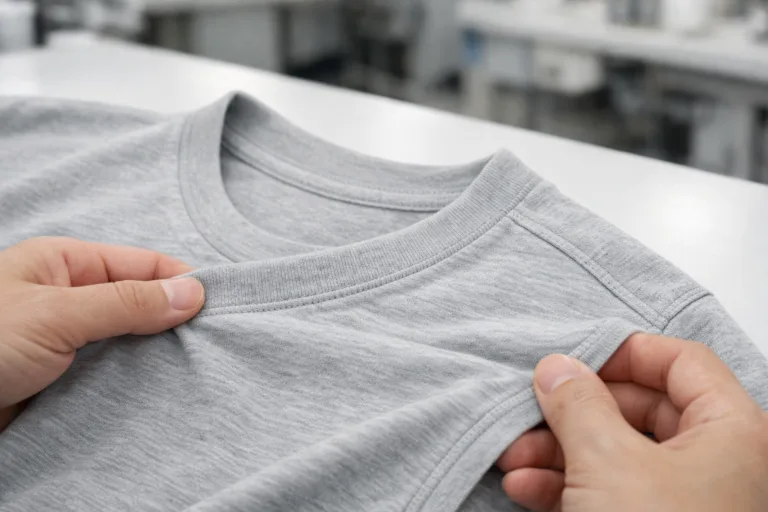
Sleeve asymmetry refers to the noticeable difference in length between the left and right sleeves on a garment. This visual defect can affect consumer satisfaction, resale value, and brand reputation. Clothing symmetry is a key element in ensuring both comfort and professionalism in the finished product.
Common Causes of Sleeve Asymmetry in Garments
Sleeve asymmetry and garment symmetry issues can arise from a range of factors across the garment manufacturing process. The most frequent causes include inaccurate cutting, flawed patterns, poor quality control checks, and inconsistent sewing methods.
Cutting Issues: How They Impact Sleeve Length
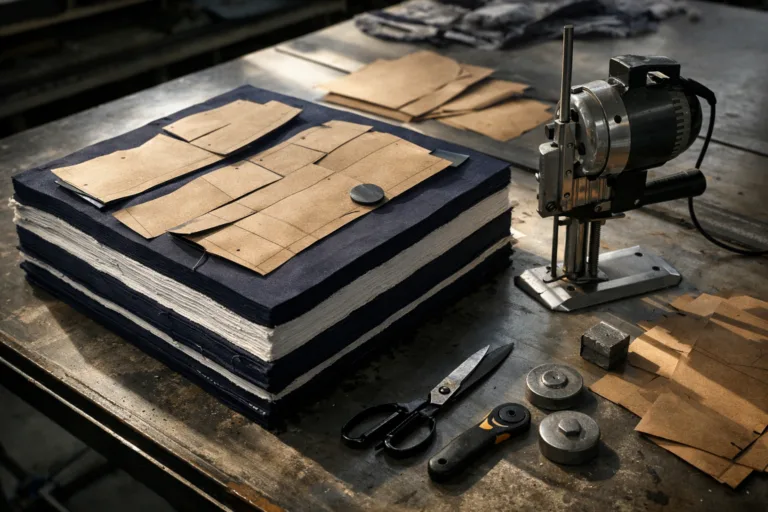
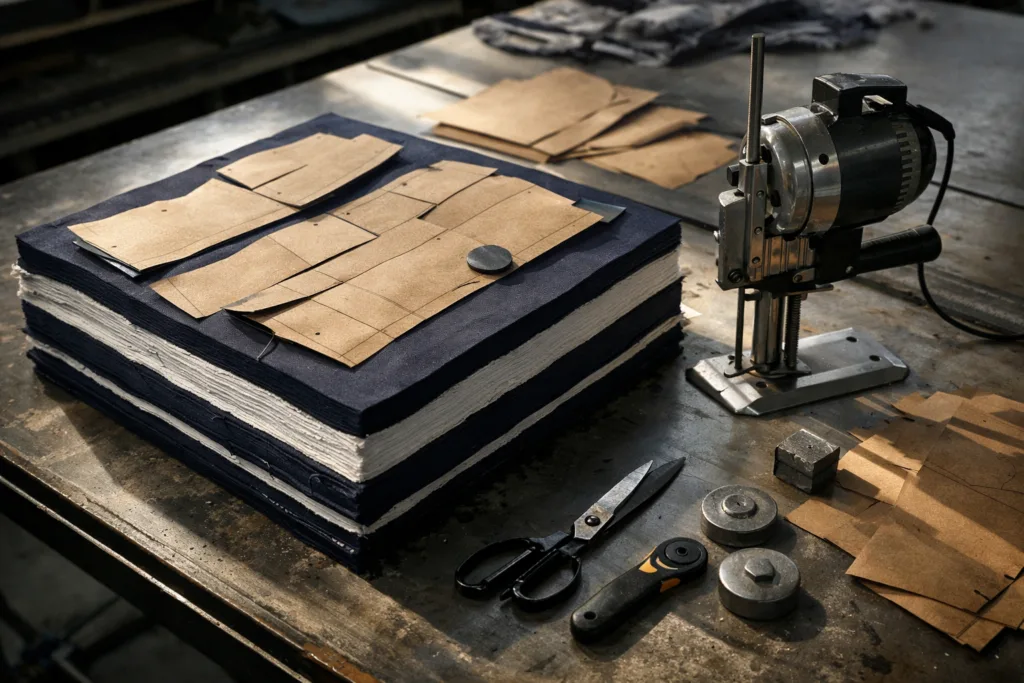
Precision in cutting is critical for symmetrical garments. Even a small mismatch can result in sleeve asymmetry. Common pitfalls include misaligned fabric layers, blunt cutting tools, and rushed processes. In mass production, each millimeter matters—sloppy cutting leads directly to garment symmetry issues.
Pattern Inaccuracies: The Hidden Culprit
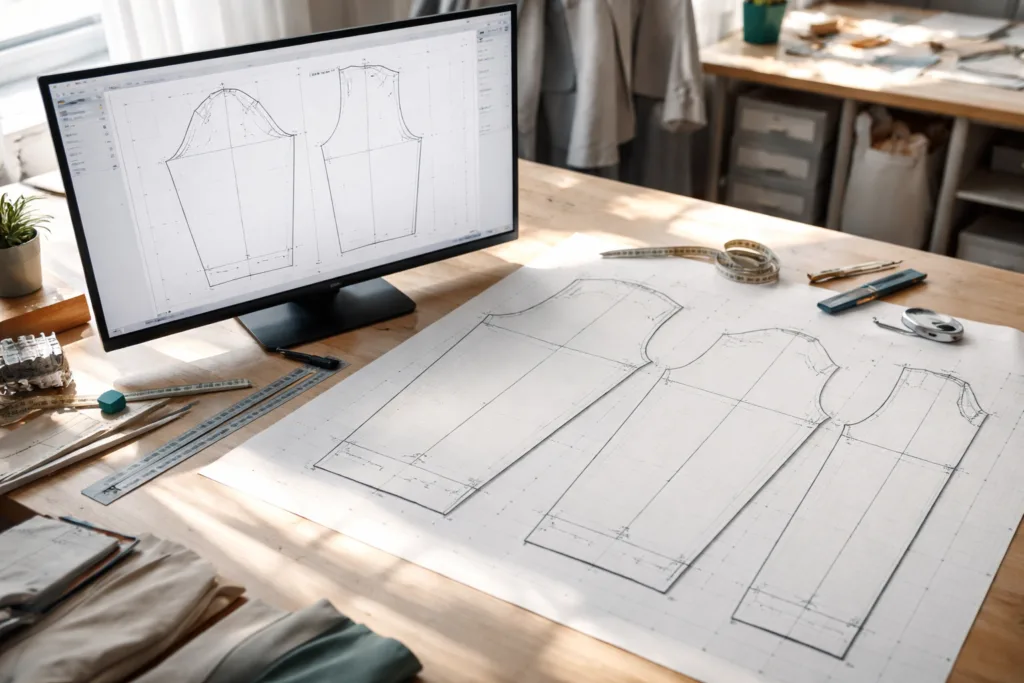
Patterns are the blueprint for every garment. If the pattern templates for the left and right sleeves are not perfectly matched, resulting garments will inevitably show sleeve asymmetry. Errors often stem from manual drafting, template damage, or unchecked digital updates, creating subtle length mismatches that are hard to spot until late in production.
Quality Control (QC) Checks: Why They Matter
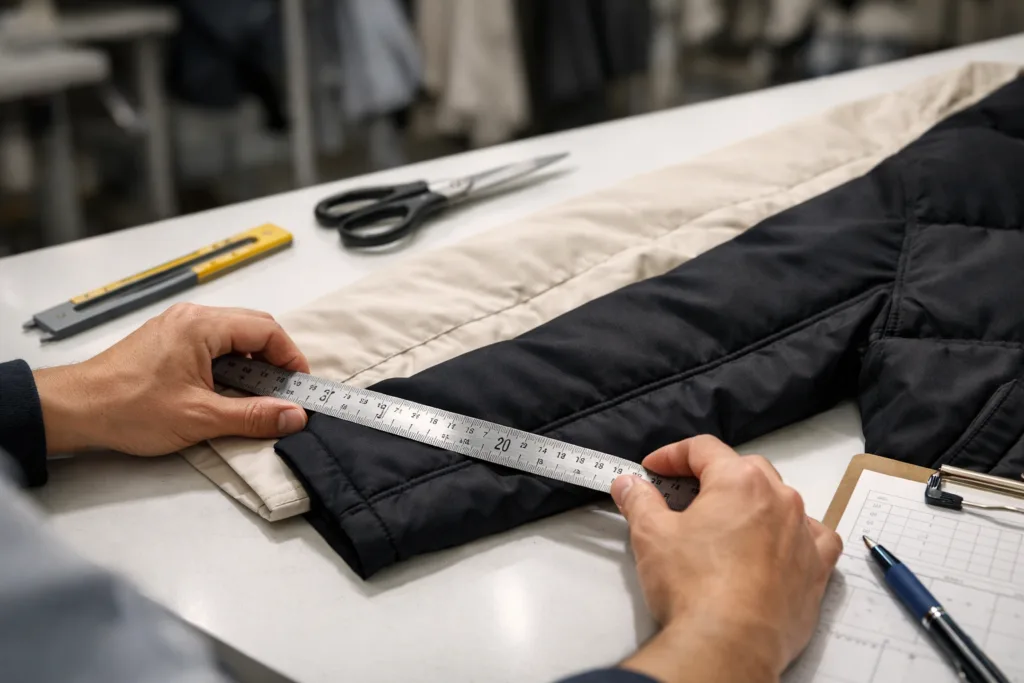
Most garment symmetry issues can be caught and corrected during routine QC inspections. Inspectors measure sleeves on finished and semi-finished garments, marking discrepancies for rework. Without robust QC systems, sleeve asymmetry may slip through, reaching consumers and causing complaints or returns.
Material Behavior: Stretch, Shrinkage, and Grain Direction
Fabric characteristics play a role in sleeve asymmetry. Material stretch, shrinkage, and grain direction can distort sleeve lengths even when cutting and patterns are accurate. Knits, for example, may stretch unevenly, while woven fabrics may shrink after washing, confusing true sleeve measurements.
Human Error: Mistakes in the Sewing Process
The accuracy and skill of sewing operators directly affect garment symmetry. Mistakes such as uneven seam allowances, missed notches, or rushed assembly can cause sleeves to finish at different lengths. Regular training and clear sewing specs combat this type of error.
Apparel Wiki Perspective: Cutting and QC Insights
Rain Chen from Apparel Wiki notes that precise marking and cut-layer stabilization are fundamental for preventing sleeve asymmetry. “Use sharp blades, maintain tight stacks, and check every batch at cutting. QC should verify sleeve lengths against master samples, not just patterns.” Chen also recommends documenting any pattern updates and communicating them directly to both cutting and sewing teams.
Garment Symmetry Issue: A Closer Look
Garment symmetry issues extend beyond sleeves and impact hems, side seams, and collars. Problems often originate in early production steps. A small error—like an unnoticed fold in fabric before cutting—can ripple across the garment, creating asymmetry in multiple places.
Grade Rules and Pattern Adjustments
Grading systems ensure sizes scale correctly across a product line. Confusion or sloppy changes in grade rules between sleeve and body patterns introduce sleeve asymmetry. Consistency checks and digital pattern management tools help prevent these errors.
Industry Standards: Tolerances for Sleeve Symmetry
Professional garment makers follow strict tolerances for sleeve length differences, often no more than 3–5 millimeters. Anything above this threshold typically fails QC and heads for rework. Understanding these standards helps set realistic quality expectations in production.
How to Check for Sleeve Asymmetry
Inspectors use specialized measuring tools, flat tables, and comparison samples to check sleeve symmetry. Visual inspections can miss minor differences, so precise measurements are preferred. Batch sampling identifies whether asymmetry is an isolated case or a systemic production issue.
Preventing Sleeve Asymmetry: Best Practices
- Double-check pattern templates for both sleeves before cutting
- Maintain sharp cutting tools and stable fabric stacks
- Cross-check grade rules and size charts between pattern pieces
- Train operators in accurate seam allowances and finishing techniques
- Conduct QC checks at multiple production stages
Identifying and Fixing Symmetry Issues Mid-Production
Quick response plans help halt asymmetrical production flow. If problems are caught early, sleeves may be corrected by trimming or re-seaming. At later stages, partial disassembly and recutting may be necessary—costly and time-consuming. Effective communication between QC, cutting, and sewing minimizes these risks.
The Role of Technology in Sleeve Symmetry
CAD (Computer-Aided Design) and automated cutting machines have helped reduce sleeve asymmetry. Digital overlays detect mismatches, making it easier to prevent garment symmetry issues before any fabric is cut. For factories using manual procedures, regular calibrations and supervision remain vital.
Fabrication Challenges: Specialty Materials and Unique Designs
Specialty fabrics—like stretch knits, velvet, or lace—require extra care. Unusual sleeve shapes in designer garments test cutting and pattern skills further, multiplying the chance for asymmetry without detailed, step-by-step control.
Case Study: Sleeve Asymmetry in Mass Production
A mid-sized factory once reported a 15% batch failure due to sleeve length mismatches on a cotton shirt order. The cause? A damaged template for the left sleeve and failure to double-check cut pieces during QC. Extensive rework and three weeks’ delay followed. This story illustrates why serialized processes and vigilant inspection are critical from start to finish.
Common Sleeve Types and Their Symmetry Risks
- Set-in sleeves: Require precise curve matching
- Raglan sleeves: Sensitive to seam lines and shoulder width
- Kimono sleeves: Cutting errors easily result in visible asymmetry
Visual Examples of Sleeve Asymmetry
| Type | Common Issue | Impact |
|---|---|---|
| Set-in | Curved seam mismatching | Cuff sits differently on arms |
| Raglan | Shoulder-to-cuff inconsistency | Slanted appearance |
| Kimono | Body cut imbalanced | Draping looks off |
Training and Communication: Factory Best Practices
Regular cross-department meetings, skill assessments, and pattern reviews keep standards tight. Factory managers arrange skill upgrades—especially on new pattern interpretations—to reduce garment symmetry issues by investing in operator expertise.
Garment Symmetry Issue and Brand Reputation
Sleeve asymmetry reflects poorly on brands, especially in competitive markets. Consistent QC, staff training, and process documentation help brands minimize customer complaints and maintain high-quality standards.
Costing and Lead Times: Managing the Impact of Sleeve Errors
Batch failure due to sleeve asymmetry increases production costs and extends lead times. Proactive QC efforts and quick fixes reduce these risks; however, prevention remains more cost-effective than correction.
Why are the left and right sleeves different lengths?
Sleeve asymmetry arises from pattern inaccuracies, cutting errors, and QC lapses. Inconsistent material behavior or human error during sewing often magnifies the problem. By deploying systematic checkpoints at every stage—from pattern checking to final inspection—manufacturers and designers can ensure balanced sleeve lengths, prevent garment symmetry issues, and safeguard brand reputation.
The Future of Symmetry in Garment Manufacturing
With ongoing advancements in automation, pattern design software, and real-time QC tech, the garment industry is substantially reducing sleeve asymmetry. Collaborative efforts between skilled operators, engineers, and quality inspectors will continue to drive these improvements, making sleeve length mismatches increasingly rare.
Conclusion: Key Takeaways for Resolving Sleeve Asymmetry
Sleeve asymmetry and garment symmetry issues can damage product quality and credibility. The most frequent causes—cutting errors, inaccurate patterns, and ineffective QC—are avoidable with robust systems and skilled oversight. The best approach includes regular checks, staff training, pattern management, and investment in technology. Keeping a sharp eye on every step helps your garments—and your reputation—stay perfectly balanced.
Frequently Asked Questions
What is sleeve asymmetry in garments?
Sleeve asymmetry refers to a noticeable difference in length or shape between the left and right sleeves of a garment.
How do cutting errors cause garment symmetry issues?
Misaligned fabric stacks, blunt tools, or rushed cutting can produce uneven sleeve lengths, leading to garment symmetry issues.
Can sleeve asymmetry be fixed after sewing?
Minor asymmetry may be corrected by trimming or resewing, but significant problems often require recutting, which is costly and time-consuming.
How does QC catch sleeve length mismatches?
Quality control checks involve measuring sleeves against master samples and tolerances, catching mismatches before garments ship out.
Which fabrics are more likely to show sleeve asymmetry?
Stretch fabrics like knits, specialty materials, and those prone to shrinkage are more likely to reveal sleeve asymmetry after assembly.
What preventive steps reduce sleeve asymmetry risk?
Double-checking pattern accuracy, sharp cutting tools, thorough QC checks, and training for sewing staff help prevent sleeve asymmetry.