Introduction to Pattern Block Meaning in Garment Manufacturing
Every successful garment starts with a solid foundation. In apparel production, that foundation is built on precision patterns—especially the essential tool known as the pattern block. Understanding pattern block meaning not only sharpens your technical edge as a designer or production specialist but also underpins consistent sizing, optimal fit, and efficient development of new styles. This knowledge guides how bodice blocks, sleeve blocks, and other basics become the blueprints for diverse garment collections found in factories worldwide.
What Is a “Pattern Block”? (Pattern Block Meaning Explained)
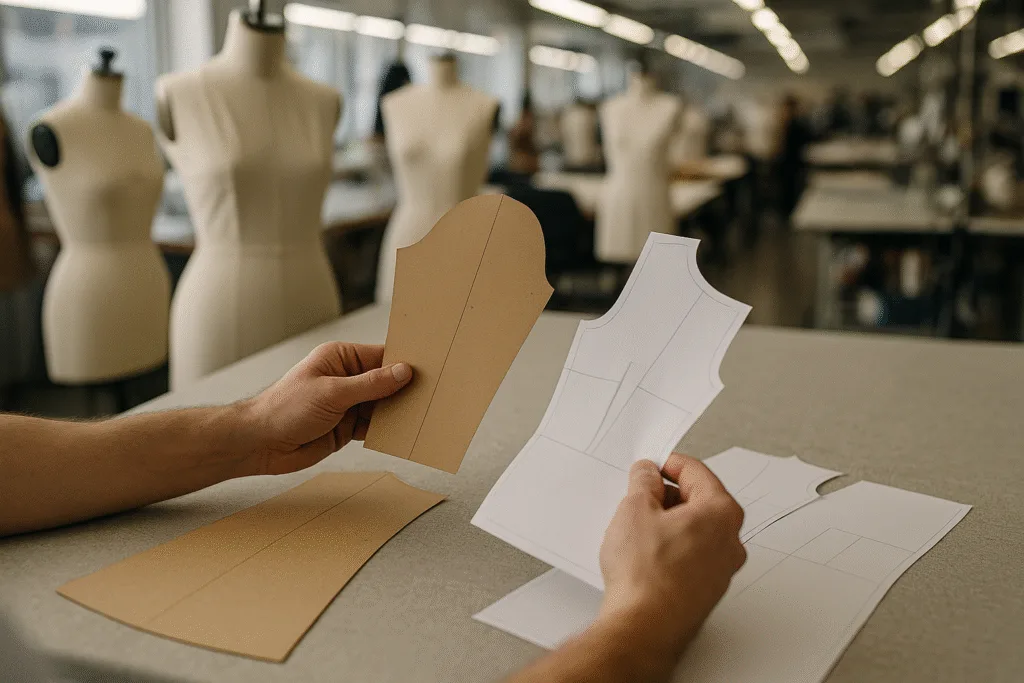
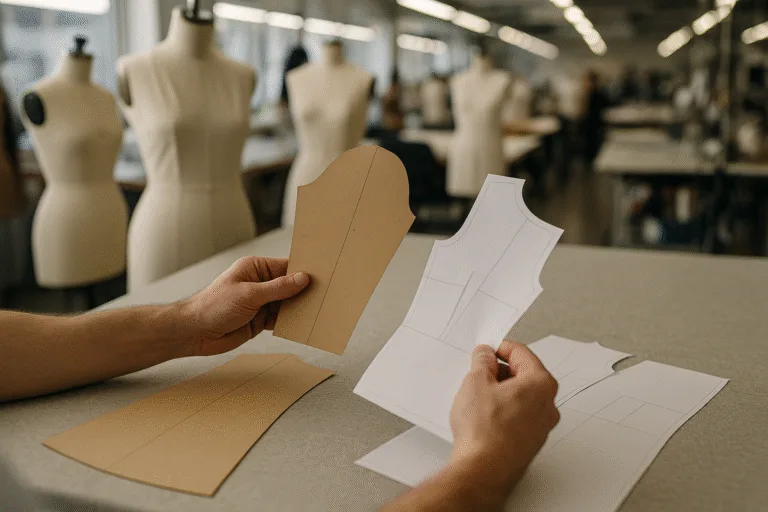
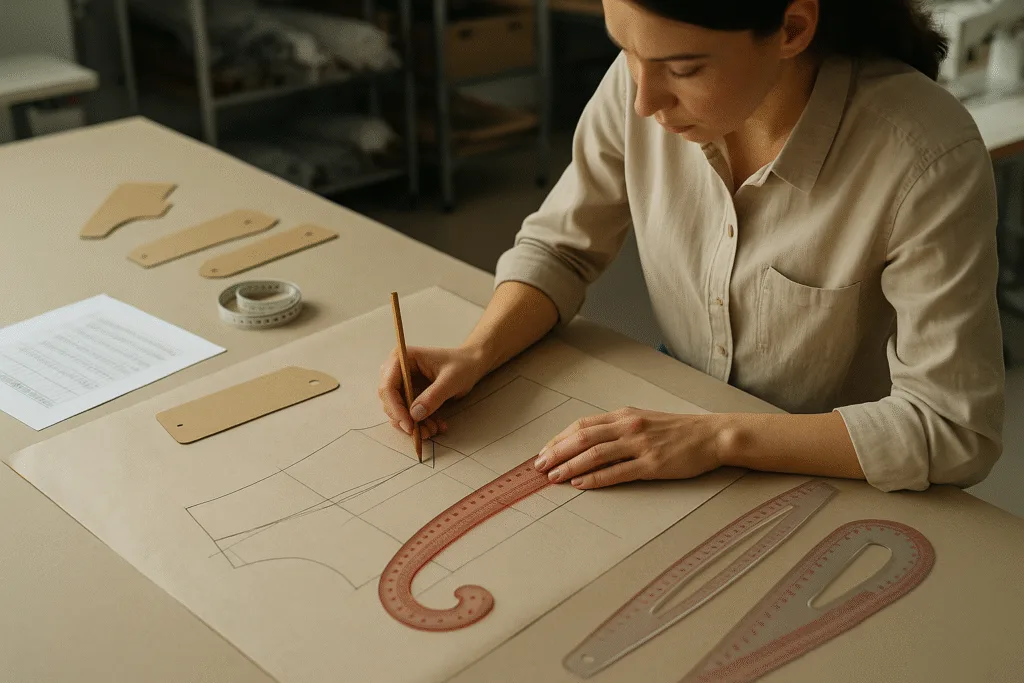
A pattern block (sometimes called a basic block or sloper) is a master pattern that acts as the template for a specific garment part—such as the bodice, sleeve, or skirt—constructed without any design features like style lines, collar, pockets, or trims. These blocks are created to specifications that give an ideal fit for a target body type, with only essential shaping (darts, basic ease) included. Once the pattern block is perfected, it serves as a base for developing endless garment variations quickly and consistently.
- Essential for: repeatable sizing, fit accuracy, efficient style development
- Different from finished patterns: blocks do not include decorative or functional details—those are added during style adaptation
- Key concept: one set of blocks can generate hundreds of styles with controlled quality
Rain’s tip from the production line: A mistake in the pattern block ripples through every new style. Invest time here—it always pays off in smoother sample approvals and reduced remake rates.
The Purpose of Pattern Blocks in Apparel Design & Production
Pattern blocks provide a shared language between design, technical, and production teams, ensuring every new garment starts from a fit-verified, dimensionally accurate base. This step lays the groundwork for streamlined development and QC down the line.
Key Purposes of Pattern Blocks
- Consistent Fit: Ensures all derived styles maintain the same sizing logic and offer the intended ease and comfort.
- Speed: Teams adapt basic blocks to new trends far faster than drafting from scratch each time.
- Quality Control: Fit faults trace back to block stage, making root-cause analysis direct and efficient.
- Scalability: Factories scale up collections while controlling complexity, costs, and quality risks.
The Components and Types of Pattern Blocks: Bodice, Sleeve, More
When people say “pattern block,” they may mean:
- Bodice block: The basic torso pattern, fundamental for tops, dresses, jackets
- Sleeve block: The universal starting point for set-in, raglan, or adjusted sleeves
- Skirt block: Trusted basis for countless skirt or dress styles, from A-line to pencil
- Pant/trouser block: Standard for creating shorts, jeans, work pants, and more
| Block Type | Base Garments Developed | Key Measurements | Common Adjustments |
|---|---|---|---|
| Bodice | T-shirts, blouses, dresses, jackets | Bust, waist, shoulder width, back length | Darts, necklines, armhole shape |
| Sleeve | Basic sleeve, raglan, cap, bishop | Bicep, sleeve length, wrist | Cap height, fullness, cuff |
| Skirt | A-line, pencil, circular, wrap | Waist, hip, skirt length | Pleats, panels, flare |
| Pant | Jeans, tailored trousers, shorts | Waist, hip, rise, inseam | Leg width, fly, pockets |
Pattern Blocks vs. Basic Blocks: Is There a Difference?
The terms pattern block and basic block are nearly interchangeable in garment manufacturing. However, in highly technical settings, a basic block often refers specifically to the first, fit-corrected version for a given size and gender. A pattern block is the ready-to-use, gradeable master template—sometimes after refinement for mass production. Both are essential in maintaining fit quality and enabling bulk style creation across woven, knit, or denim categories.
Bodice Block in Detail: Foundation for Top Garments
The bodice block is the most frequently used block in apparel. It determines the silhouette, armhole placement, bust shaping, and neckline standard for an entire range of products. Factories create separate sets for men, women, children, and even unisex or oversized categories, adjusting for chest projection, waist curves, and shoulder pitch.
Key Features of a Factory-Standard Bodice Block
- Clean armholes: Ensures stress-free sleeve setting and motion comfort
- Strategically placed darts: Bust, waist, and back shaping for optimal fit
- Ease allowance: Built-in percentage depending on fit type (slim, regular, relaxed)
- Straight grain lines and balance: Controls twisting or riding up after washing
In practice, bodice blocks are marked with several notches, grainlines, and reference points for easy transfer and QC checks during sample cutting. After perfecting the block, design lines, necklines, or style details are added on overlays to create trend-forward silhouettes with fit confidence.
Sleeve Block: Gateway to All Sleeve Styles
The sleeve block is another core pattern, engineered to match the armhole curve (armscye) of the bodice block. By manipulating the basic sleeve, designers can develop:
- Short sleeves, long sleeves
- Puff, bell, bishop, and flared sleeves
- Cap sleeves, raglan styles, and functional sports sleeves
The fit and movement come from careful tuning of cap height, bicep width, wrist opening, and notches. Factories use digital grading to ensure proportional scaling between sizes, essential for knits, where stretching and recovery must match garment use—think sports T-shirts, sweatshirts, or performance polos. A technically correct sleeve block saves time in sewing lines, reduces puckering faults, and helps deliver the intended look to end users.
How Pattern Blocks Lead to Garment Styles: The Development Workflow
Once the master blocks are crafted, fashion and technical teams adapt these basic blocks into endless styles demanded by today’s market. Here’s how the transformation progresses in a typical export-oriented factory:
- Design overlays: Creative lines, pockets, collars sketched onto the block draft or digital file
- Style pattern development: Patternmakers add or slash to introduce flair, pleats, panels, trims
- Prototyping: Sample is stitched, fit-tested, and measured. Faults are traced back to block or added elements for correction
- Bulk pattern finalization: Adjusted, approved style patterns are digitized, graded for all contract sizes, then released for cutting and sewing
- Quality checks: All measurements must match block logic plus style specs, with clear tolerances (typically ±1 cm for width, ±1.5 cm for length in knits)
Case Study: From Block to Trend-Driven Garment
For instance, a women’s regular-fit bodice block—when combined with a set-in sleeve block—can yield a V-neck tee, a polo shirt, or—even with minor tweaks—a lightweight summer blouse. Adding style lines, shifting darts, or varying the hem quickly transforms the standard into fresh SKUs, leveraging the base fit for reliability and efficiency.
Pattern Blocks, Ease Allowance, and Grading Between Sizes
A master pattern block includes ease allowance—the extra space needed for comfort and movement. Different garment types require carefully calculated ease, balanced against end-user expectations and fabric choices:
| Style | Fabrics | Typical Bust/Chest Ease | Notes |
|---|---|---|---|
| Classic shirt | Poplin, oxford, CVC | 10–16 cm | Allows layering, mobility |
| T-shirt | Single jersey, interlock | 6–12 cm | Must account for fabric stretch |
| Sportswear | Polyester, mesh, spandex blends | 0–8 cm | Close fit, max movement |
Grading—the scaling of a pattern block to all required sizes (e.g., S–XXL)—uses a fixed increment chart. For knits, factories often allow slightly more tolerance for width and length, acknowledging fabric recovery and shrinkage. Regular block reviews ensure that size jumps remain proportional as collections evolve.
Common Mistakes with Pattern Blocks (and How to Prevent Them)
Experience on the production line has shown that many fit complaints, assembly bottlenecks, or returns trace back to block-level errors:
- Ignoring updated body measurements (using outdated or “borrowed” blocks)
- Adding style features before block fit is confirmed
- Skipping ease review for different fabric properties or market regions
- Missed notches or grainlines during digital transfer, causing cut-piece mismatch
- Poor control of shrinkage allowance—especially for cotton-rich knits and denim
Factory-Grade Checks for Robust Pattern Blocks
- Test the block on live models and mannequins
- Verify major measurements against approved fit standards
- Conduct basic wash tests to confirm shrinkage stays within 3–5%
- Check how the block “grades” for at least three core sizes (e.g., S, M, XL)
Updating blocks yearly based on sales returns, wearer feedback, and sample rejection data is a practice Rain Chen has insisted on throughout his career—it’s the mark of a modern, market-responsive apparel factory.
Integrating Pattern Blocks into the Modern Garment Factory Workflow
Today’s factories rely on digital pattern systems (e.g., Gerber, Lectra) to store, modify, and grade blocks with exceptional accuracy. However, manual drafting skills remain crucial for troubleshooting edge cases, custom fits (such as adaptive or plus-size ranges), and truly innovative shapes.
Practical Guidance for Buyers & Developers
- If you’re working with a new supplier, always review their pattern block database for your category
- Request block-based fit samples—especially at the start of a new program or after target market changes
- For multi-factory programs, align block reference codes to avoid fit drift between sites
- Specify block version and grade rules in all tech packs
- For highly technical products (e.g., uniform, sportswear), double-check ease and movement provisions during field testing
Applications of Pattern Blocks Across Garment Categories
The utility of pattern blocks reaches into every segment: fashion, uniforms, kidswear, sportswear, workwear, and more.
Examples by Category
- Polo shirts: Begin with knit bodice block, then adapt collars, sleeve cuffs, and placket for trend or uniform
- Denim jeans: Classic pant block is customized for fit (slim/tapered/relaxed), pocket style, and finishing tolerance
- Hoodies & sweatshirts: Start from a relaxed-fit block, incorporating rib trims, hood overlays, or kangaroo pockets
- Children’s apparel: Size-specific block sets address rapid growth stages and comfort priorities
- Corporate uniforms: Use base blocks for jacket, trouser, skirt; adapt for branding, functional features
Why Pattern Blocks Matter for Brand Success
Blocks are not just a technical tool; they are a strategic asset for apparel brands, enabling rapid response to market trends while guarding against costly fit errors. A well-managed block library means every new collection launches with lower risk, fewer returns, and a reputation for consistent, comfortable fit.
What Is a “Pattern Block”?
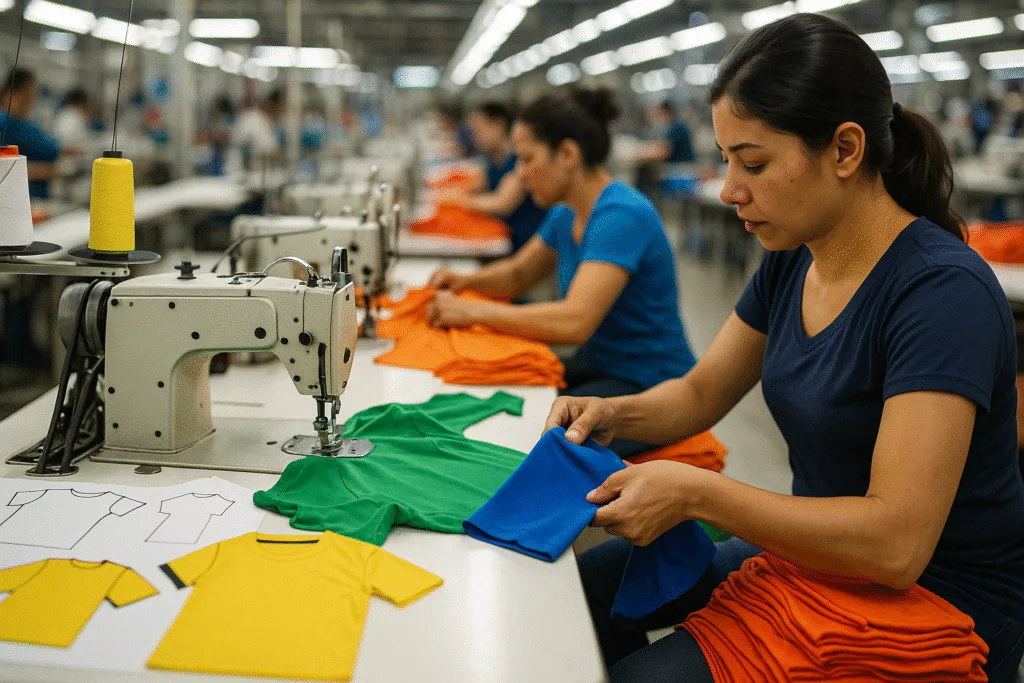
To recap, the pattern block meaning in garment manufacturing is the master, style-free template from which all style variations are derived. It is the cornerstone of consistent sizing, controlled fit, and streamlined new style development. Whether you’re a designer, technician, or brand manager, gaining a deep, hands-on understanding of pattern blocks pays dividends at every stage of the apparel value chain. From the simplest T-shirt to the most technical activewear, mastery of blocks is the quiet secret behind every successful apparel line.
- Focus on: Fit verification, digital and manual block maintenance, and continuous improvement based on real wearer feedback
- Application: Use blocks as the launchpad for efficient sampling, reliable grading, and scalable style creation
Frequently Asked Questions
What is the difference between a pattern block and a finished pattern?
A pattern block is a basic, featureless template focused on fit, while a finished pattern adds design elements like seams and trims.
Why are bodice and sleeve blocks so important in garment design?
They serve as the fit foundation for countless top and dress styles, ensuring consistent sizing and easier development of new designs.
Can you create multiple styles from the same pattern block?
Yes, one well-developed pattern block can be adapted into hundreds of style variations by adding or altering design features.
How often should pattern blocks be updated in a factory?
Best practice is yearly, or when significant wearer feedback, fit returns, or body measurement trends shift in key markets.
Do pattern blocks include seam allowance?
Original blocks are drafted without seam allowance; seam allowances are added later during the style pattern development phase.
What problems can errors in pattern blocks cause?
Errors can lead to poor fit, high sample rejection rates, sewing inefficiencies, mismatched panels, and increased return rates in the market.