Understanding Ease: The Foundation of Pattern Making
If you’ve ever wondered what gives a garment its comfort, shape, and wearability, the answer often comes down to a single word: ease. In the world of apparel and textile design, understanding ease meaning, wearing ease, design ease, and the differences between them is vital for achieving the right fit. Whether you’re a fashion student, hobbyist, or production specialist, mastering ease unlocks consistent, quality results in clothing construction.
Defining “Ease” in Pattern Making
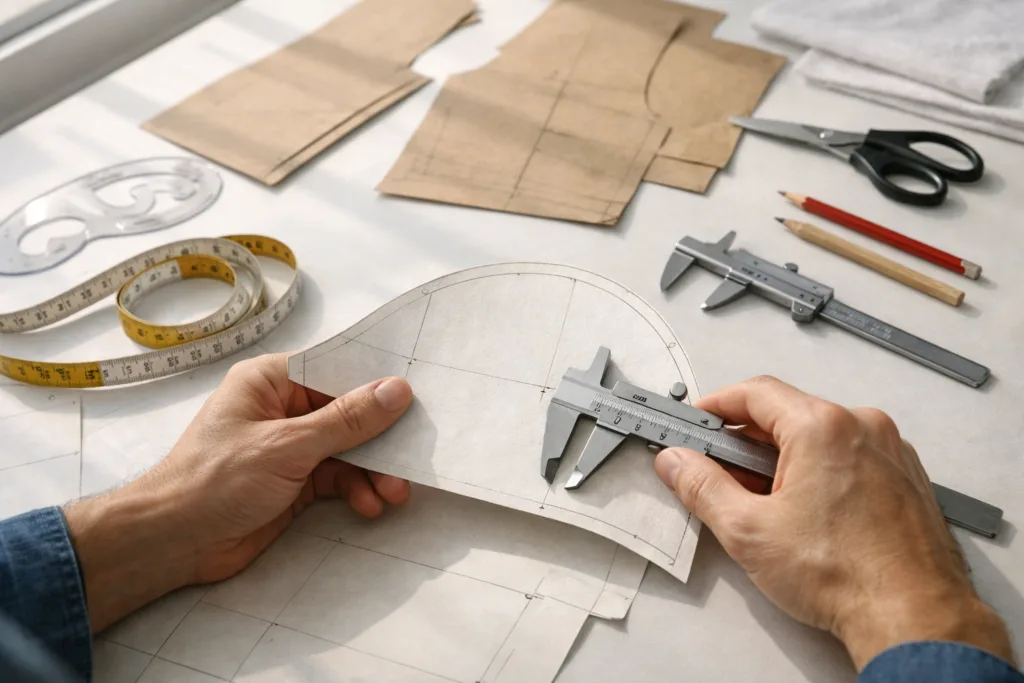
In pattern making, ease refers to the deliberate amount of extra space added beyond the body’s measurements to allow movement and achieve a desired look or silhouette. By adjusting ease, pattern makers control how garments drape, stretch, and respond to body motions. It’s a calculated balance—too much ease can lead to a sloppy fit, while too little can cause restriction and discomfort.
Ease Meaning in Garment Construction
When pattern makers and apparel professionals discuss “ease meaning,” they’re focusing on how ease guides both comfort and aesthetics. It determines whether pants sit snug or relaxed or whether a shirt hugs or flows around the torso. Ease is foundational to manufacturing, affecting everything from design sketches to quality control checkpoints. According to Apparel Wiki, identifying the right ease for each style is one of the most overlooked but impactful steps on the factory floor.
Wearing Ease: Built for Comfort
Wearing ease is the minimum extra allowance needed for routine movements—sitting, bending, raising arms, or taking a deep breath. It’s what transforms a set of flat measurements into a comfortable, wearable garment, especially in close-fitting pieces. For example, shirts usually require about 2-4 cm of wearing ease at the chest for most adults, though this varies with gender and intended fit.
Typical Wearing Ease Values
- Chest/Bust: 2-6 cm (approx. 3/4″-2 1/2″)
- Waist: 1-4 cm (approx. 3/8″-1 1/2″)
- Hips: 2-4 cm (approx. 3/4″-1 1/2″)
Design Ease: Making a Statement
Beyond basic comfort, design ease adds intentional fullness or silhouette to express a garment’s style. Design ease is subjective—based on aesthetics, trend, or designer intent rather than just the body’s natural movements. This is what gives us oversized coats, fluid dresses, or dramatically tailored jackets. For instance, a trench coat could feature up to 12 cm of design ease at the chest, resulting in a bold, boxy drape.
Examples of Design Ease Application
- Fitted Blazer: minimal design ease for a sharp silhouette
- Oversized Sweater: generous design ease for volume and trend
- Relaxed Summer Dress: moderate design ease for drape and movement
The Difference Between Wearing Ease and Design Ease
The most common confusion in pattern making is distinguishing between wearing ease and design ease. The simplest way to remember: wearing ease is the minimum needed for daily motion; design ease is the extra room that pushes the garment into a distinct style. They work together—the total ease in any pattern is their sum.
| Aspect | Wearing Ease | Design Ease |
|---|---|---|
| Purpose | Allow movement & comfort | Style, silhouette & trend |
| Amount | Minimal/essential | Variable, based on design |
| Who Decides? | Body needs, technical standards | Designer preference, fashion intent |
| Where Used | All garments | Selective/design-driven pieces |
How Ease Affects Fit & Function
Ease is a central player in the ongoing dialogue between fit and fashion. Too much ease, and garments can look sloppy or ill-proportioned. Too little, and wearers experience pinching, straining, or even seam failure. Ease also determines:
- The ability to raise, bend, or twist comfortably
- How fabric falls or holds shape
- Visual impression—sleek, boxy, dramatic, etc.
- Manufacturing tolerances and consistent sizing
Case Study: Ease in Trousers
A well-crafted pair of trousers relies on just the right amounts of both wearing and design ease. Everyday chinos might include 3 cm of wearing ease at the hips, with minimal design ease, for a streamlined look. In contrast, wide-leg linen trousers might have 3 cm wearing ease and 7 cm design ease, resulting in a breezy, fashionable drape.
The Math of Pattern Ease
Translating ease into patterns requires calculation. Start with body measurements. Add the required wearing ease. If the design calls for more volume, add design ease on top. For example:
- Body bust: 92 cm
- Wearing ease: +4 cm
- Design ease (for an oversized look): +10 cm
- Pattern bust measurement: 106 cm
Certain pattern software even allows you to input both types of ease as variables and tweak them instantly for prototyping. On mass manufacturing floors, control sheets will specify ease allowances to maintain uniformity across large runs.
Factors Influencing How Much Ease to Add
- Garment type (activewear vs. formalwear)
- Fabric stretch and recovery
- Intended silhouette or trend
- Layering (outerwear needs more ease than innerwear)
- Demographic fit requirements (kids vs. adults, men vs. women)
- Care and shrinkage expectations
How to Measure for Correct Ease
Accurate measurement is crucial. First, take close-fitting measurements of the body (not over bulky clothes). Second, reference technical tables or your own fit samples to decide minimum wearing ease. Third, layer in design ease according to the style. Apparel Wiki’s Rain Chen adds, “On the shop floor, we frequently pin-fit a prototype to confirm that both kinds of ease align with the design brief and actual movement. It’s one of the surest ways to avoid costly mass-production mistakes.”
Common Mistakes with Ease in Pattern Making
- Confusing design ease with wearing ease
- Inconsistency between tech pack specifications and pattern execution
- Applying stretch-fabric ease amounts to woven patterns (and vice versa)
- Copying ease allowances without testing on target customers
Ease and Fabric Choices: Impact on Fit
The correct ease allowance changes drastically depending on the chosen fabric. Knits and performance materials often need less wearing ease due to stretch, while crisp cottons and non-stretch wools require more. A bias-cut silk dress behaves differently from a leather jacket, purely because of how the fabric responds to movement and tension. Savvy pattern makers will always combine ease strategy with material analysis for best results.
Ease in Children’s Clothing vs. Adult Garments
Children’s clothing generally includes slightly more wearing ease to accommodate activity and growth spurts, but less design ease unless the look is intentionally oversized. Adult basics, by contrast, balance ease needs for a stable body shape. Fitting charts and technical reference books often have separate ease standards for each group.
The Role of Ease in Specialized Apparel
Performance and occupational garments—like uniforms, workwear, or athletic gear—require specially calibrated ease. Too much, and safety or efficiency suffers; too little, and the garment restricts action. Design teams must collaborate closely and review prototypes in real-use scenarios to dial in the right values.
Global Trends: How Ease Evolves With Fashion
Evolving fashion cycles often dictate shifts in design ease. While the 1990s favored body-hugging fits (low design ease), the 2020s have seen a spike in oversized, relaxed silhouettes. Seasonality also matters—a summer dress might have more design ease to allow airflow, while a winter pullover focuses on layering space. Successful brands keep technical fit standards flexible enough to respond to these trends.
Ease and Sizing Consistency in Production
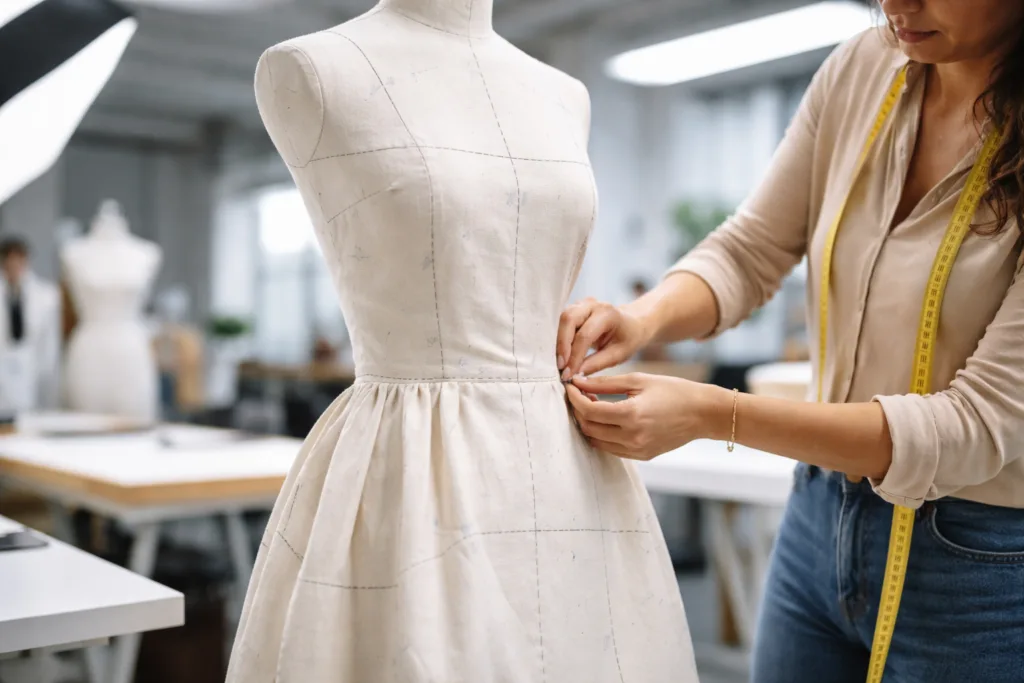
Maintaining consistency in mass production depends on strict control of both wearing and design ease. Brands often create detailed tech packs specifying ease at each measurement point. Even small shifts in ease can cause returns or complaints, so continuous sampling and measurement are critical routine steps.
Testing and Fitting for Accurate Ease
Classic techniques for testing ease include muslin prototyping, 3D body scanning, and live model fittings. Digital tools, like CAD/CAM pattern software, allow adjustments on digital avatars before physical sampling. On larger production floors, first-article inspection always includes fit and ease verification against reference samples or mannequins.
Industry Standards for Garment Ease
Major industry players rely on technical fit standards issued by organizations such as ASTM or ISO, supplemented by brand-specific tables. Apparel Wiki’s guides frequently chart common ease allowances by garment type and market segment, creating a transparent baseline for global sourcing operations. These standards, while not universally prescriptive, help limit fit variation and customer dissatisfaction.
How to Adjust Ease for Custom Fitting
Custom tailoring or bespoke fashion often involves intentional adjustments of ease to reflect body idiosyncrasies or client comfort preferences. Block patterns provide a base, then incremental changes to ease ensure both a flattering and individualized result. Savvy custom tailors keep records on what levels of wearing and design ease work for particular customers, leading to consistent outcomes over time.
Software Tools and Digital Pattern Grading for Ease
Modern software like Gerber, Lectra, and 3D pattern visualization tools streamline ease adjustment, allowing quick, accurate scaling across size ranges or design variations. These tools let pattern makers simulate fit and troubleshoot possible problem zones before a single swatch is cut, improving manufacturing efficiency and reducing waste.
Ease Meaning, Wearing Ease, Design Ease
To recap, understanding ease meaning, wearing ease, design ease is not just theory—it’s a core practice for anyone working with garments. Whether you’re adjusting a home-sewn pattern or collaborating with industrial pattern graders, recognizing how these forms of ease interact is key to achieving functional, beautiful clothes that fit real people.
Ease in Pattern Making: Quality Control Considerations
From a production standpoint, controlling ease is crucial to maintaining consistency and reducing costly rework. Apparel Wiki notes that experienced QC teams review both raw measurements and pattern notches on pilot runs, ensuring that the intended ease matches production targets. A single millimeter’s deviation can throw off balance in highly engineered garments.
Adapting Ease for Special Needs and Adaptive Apparel
Adaptive clothing—including attire for people with limited mobility or medical needs—often features thoughtfully revised ease allowances. These garments account for assistive devices, dexterity limitations, and changes in body shape. Design teams work alongside end-users to test and refine both wearing and design ease, ensuring dignity and independence for the wearer.
Conclusion: Practical Takeaways on Garment Ease
In pattern making, mastering ease means bridging the gap between form and function. Understanding ease meaning, wearing ease, design ease ensures the final garment performs as beautifully as it looks. By measuring carefully, testing prototypes, and respecting both technical and creative requirements, apparel professionals safeguard comfort, confidence, and enduring style.
Frequently Asked Questions
What is the basic difference between wearing ease and design ease?
Wearing ease is added for essential body movement and comfort, while design ease is extra fullness for style or silhouette, reflecting the designer’s vision.
How do I know how much ease to add for my project?
Start with body measurements, apply typical wearing ease (from industry tables or fit standards), then layer on design ease according to your desired look and fabric choice.
Can I use the same ease values for woven and knit fabrics?
No, knits usually require less ease because of their stretch, while wovens need more. Always test with your chosen material before settling on ease amounts.
How does pattern making software handle ease?
Most modern software lets you input precise ease values at each measurement point, instantly updating your pattern to reflect those adjustments across all sizes.
Why does ease affect mass production quality?
Consistent ease guarantees uniform fit across all units produced. Mistakes in ease allocation can lead to poor fit, increased returns, and extra production costs.
Does fashion trend influence ease allowances?
Yes, trends heavily influence design ease—oversized and relaxed styles increase total ease, while fitted looks minimize it. It’s vital to align ease strategy with current trends and brand identity.