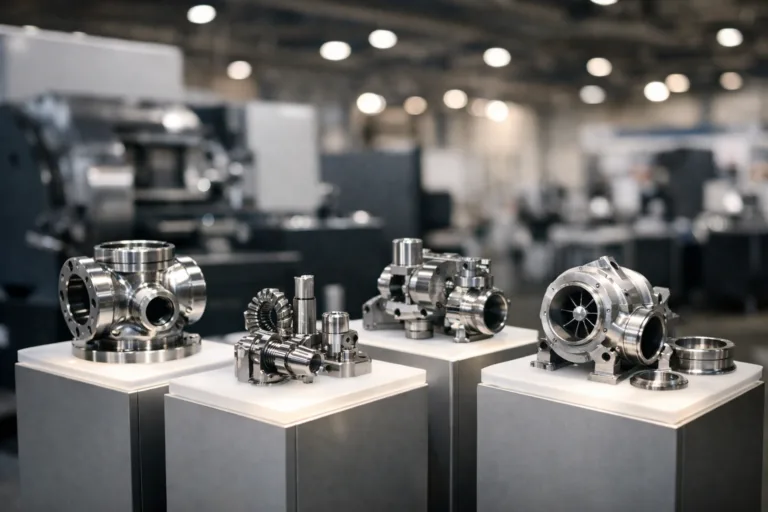
Introduction: Salesman Samples (SMS): producing for Trade Shows.
In today’s competitive metal products market, standing out at trade shows is crucial. One of the most effective tools manufacturers and brands use is the creation of outstanding Salesman Samples (often referred to as SMS). These samples are more than just demonstrations—they are convincing storytellers that display your quality, innovation, and reliability directly to potential clients. For businesses in the metal sector, clever SMS production isn’t simply about showing off a product—it’s about communicating your company’s attention to durability, precision, and customer satisfaction, all before any contract is signed. In this article, discover the keys to mastering Salesman Samples for trade shows, including material selection, accurate representation, and using real-time feedback to sharpen your offerings.
Understanding the Importance of Salesman Samples for Metal Products
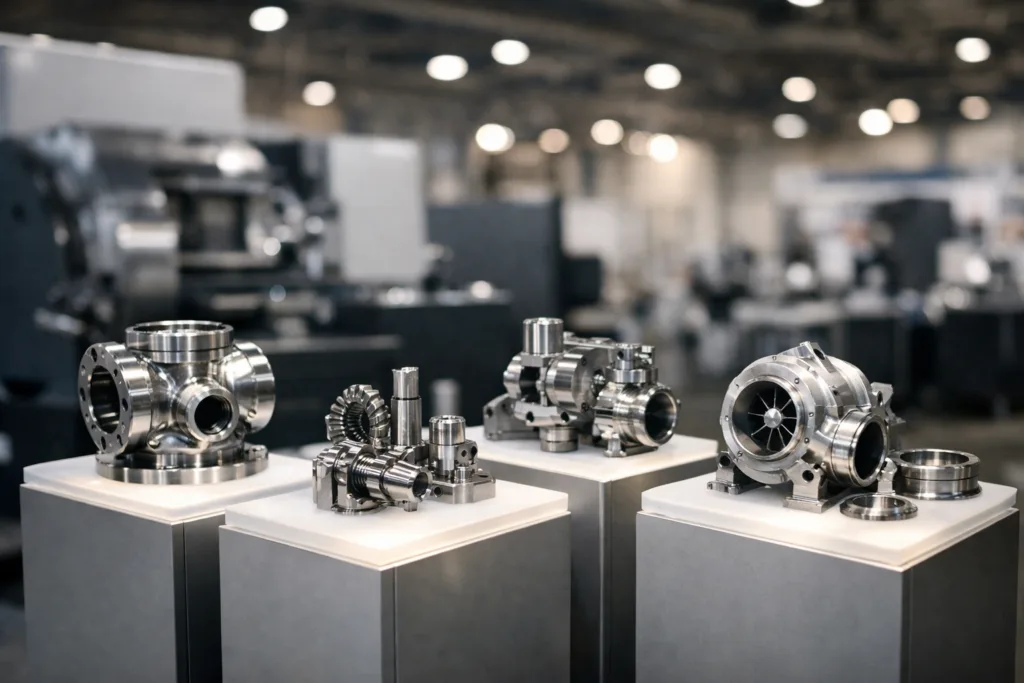
Salesman Samples for trade shows act as a tangible introduction to your metal product line. By allowing visitors to handle, test, and examine the samples, you offer concrete proof of workmanship and quality—making your offerings more memorable among competitors. A well-designed SMS creates immediate trust, enabling you to highlight custom features, finishes, or capabilities in real-time, a critical advantage in a busy trade show.
What Makes an Effective Salesman Sample?
An effective Salesman Sample mirrors your actual production quality as closely as possible. From smooth finishing to precise construction, every aspect should reaffirm your brand’s standard. Unusual attention to detail can make the sample the highlight of your booth. When choosing what to display, consider what aspects customers care about most—corrosion resistance, weight, modularity—and ensure these qualities are evident in your samples.
Choosing the Right Materials: Balancing Authenticity and Feasibility
The right material selection is vital. If your SMS feels lighter or weaker than your real product, clients may be hesitant. On the other hand, oversized, heavy samples are difficult to transport and may risk damage in transit. Use authentic or near-authentic materials to maintain integrity, but consider scaled-down or sectional samples for logistics and cost efficiency.
Strategies to Accurately Represent Your Metal Product Line
Trade shows aren’t just about showing off what you make—they’re about showing off what makes your products better. This requires SMS samples that illustrate your product’s unique selling points. Select core pieces from your line, but also consider displaying an innovative new process or surface finish to intrigue curious prospects. Don’t forget details—stitching, finishing, moving elements—which together communicate quality more than a brochure ever could.
Appearance Matters: Craftsmanship and Visual Finish
First impressions at your booth come down to how your samples look and feel. Polished, blemish-free surfaces, clear branding, and well-assembled prototypes earn trust instantly. Even packaging or how the sample sits on a display can increase its perceived value. Invest time ensuring joints are aligned, surfaces are buffed, and coatings are consistent.
Presenting at Trade Shows: How to Attract Buyer Attention
How you present Salesman Samples is as important as what you present. Arrange samples at comfortable heights, use contrasting backgrounds to ensure metal products stand out, and provide adequate lighting to highlight unique design or finish characteristics. Consider interactive elements—let visitors handle mechanisms, feel weight, or perform functionality tests. These experiences feel memorable and signal confidence in your product.
Telling the Product Story: The Role of Demonstrations
Seeing is believing, but doing is convincing. Live demonstrations using your SMS let trade show visitors engage directly with your product’s features—showing instead of telling. Whether you showcase load-bearing capacity, assembly ease, or corrosion resistance, a hands-on approach draws crowds and sparks conversations with genuine buyers.
Incorporating Functionality: More Than Just Looks
While looks draw visitors in, functionality makes them consider a purchase. Your Salesman Samples should demonstrate opening mechanisms, modular attachments, or anything that sets your product apart technologically. Functioning SMS samples help buyers envision your item in their workflow, supporting purchase decisions on the spot.
Durability Under Scrutiny: Building SMS That Last Through the Show
Trade shows are high-touch environments. Dozens, maybe hundreds, will handle your samples—sometimes not so gently. Engineer your SMS for repeat demonstrations. Reinforce stress points and select durable finishes, so your samples look great on the first day and the last.
Managing Scale and Proportion in Sample Production
Some metal products may be too large or complex for full-size sampling. In these cases, accurate scale models or cross-section displays can illustrate the product’s main points. These models maintain fidelity to the real object but are much easier to transport and showcase.
Aligning SMS Production with Product Development
Coordinate Salesman Sample builds with your regular prototyping and pre-production cycles. This ensures SMS accuracy and avoids introducing last-minute errors. Often, SMS are based on pre-production samples or first-run prototypes—with careful attention to final surface treatments or hardware.
Quality Control: Every Sample is a Brand Ambassador
Each sample is a brand ambassador—mistakes or shortcuts are noticed. For more on the critical role of quality checks in SMS, see this guide on how TOP samples safeguard metal product quality. Always perform the same level of inspection as you would for a high-end production run: check dimensions, tolerances, and any moving parts. A thorough review before the event avoids on-site embarrassment and gives your team confidence.
The Role of Pre-Production Sampling in SMS
Creating high-quality Salesman Samples often starts with pre-production or proto samples. This ensures your SMS not only look good but truly function like finished goods. Pre-production samples let you work out kinks and reliably forecast production results. Learn more about their importance—from saving reputations to ensuring alignment with market expectations—in this practical review of pre-production sample quality assurance in metal products.
Fit, Finish, and Functional Testing: Internal Checks Before Prime Time
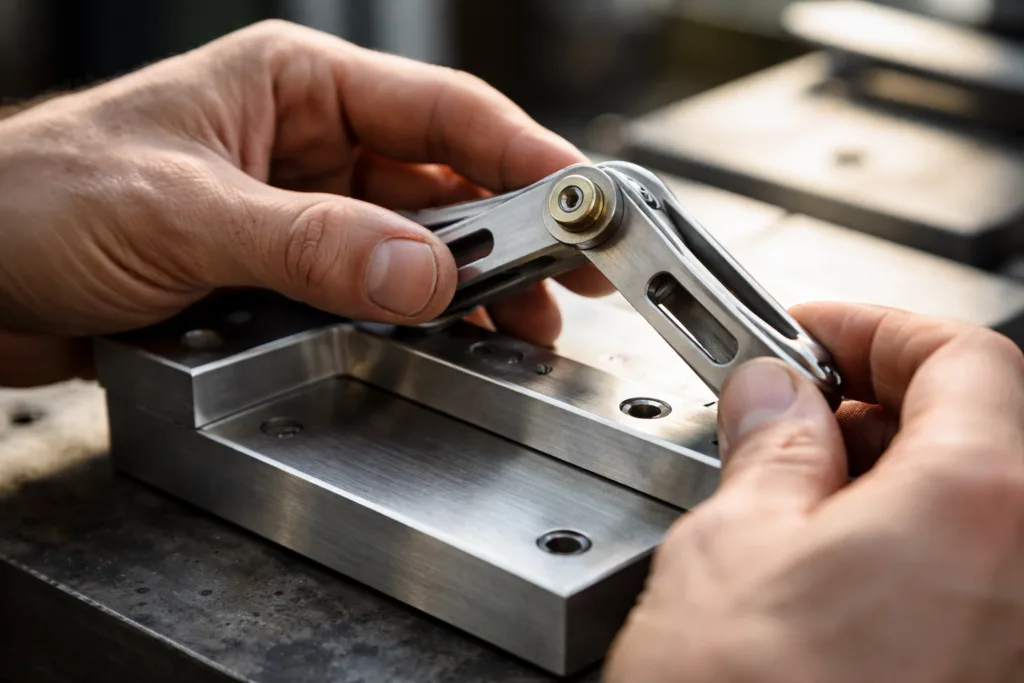
Before bringing your SMS to a trade show, conduct fit and functional testing. This means checking for proper assembly, movable parts’ function, and matching all communication in your spec sheets. For metal parts with functional fit, compare to master patterns or lock in key dimensions using digital measurement protocols.
Documenting the SMS Build: Tech Packs and Specifications
Robust documentation is key if you need to replicate SMS for multiple events or sales teams. Tech packs, specs, and photographic records maintain consistency. This ensures, even after a successful event, you can quickly scale up for follow-up samples or further presentations.
Shipping and Logistics: Keeping SMS Safe to the Show Floor
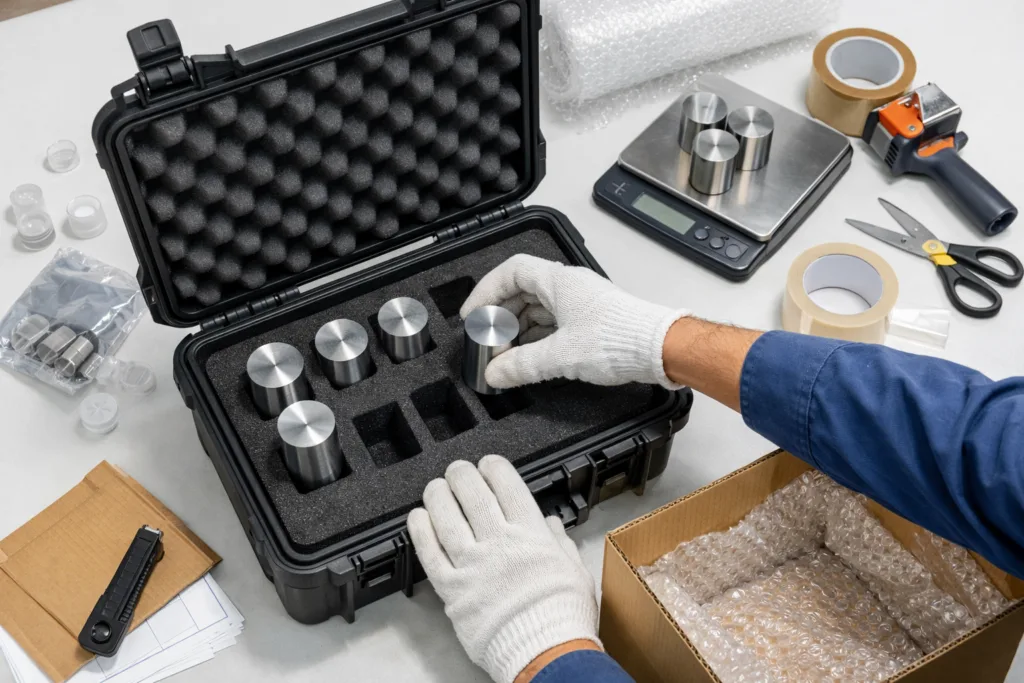
Proper packaging and shipping are vital for SMS endurance. Use protective foam, robust containers, and labeled boxes to ensure your samples arrive undamaged. Consider shipping timelines and customs requirements for international trade shows, factoring in possible inspections or delays.
Engaging Trade Show Attendees: Maximizing Sample Impact
Your team’s interaction with visitors significantly impacts SMS effectiveness. Train staff to share sample stories, demonstrate use-cases, and answer questions clearly. Friendly, knowledgeable interactions tied with excellent samples leave an indelible impression.
Feedback Collection: The Value of Live Insights
Don’t miss the opportunity to collect feedback while attendees interact with your Salesman Samples. Simple surveys, QR codes, or conversational cues can help you gather immediate, honest reactions. This intelligence reveals what potential clients value—do they notice your quality finish, comment on weight, or struggle with mechanisms? Translate these insights into product improvements before full-scale production.
Using Feedback to Refine Your Metal Product Offering
Feedback from trade shows isn’t just for marketing; it can drive technical and design modifications. If you repeatedly hear about a component’s sharp edge, tricky assembly, or unclear function, act before wider release. Many successful firms use this cycle proactively, resizing, simplifying, or upgrade features based on SMS reception at shows.
Case Study: SMS Evolution for a New Metal Hardware Line
A metal hardware producer preparing for an industry show created an SMS assortment featuring typical finishes, innovative mechanisms, and a new modular system. Post-show feedback highlighted the need for a less slippery grip and requested an option for tool-less assembly. Acting on this rapid input, the team revised their production specs—boosting customer satisfaction and resulting in increased future orders.
Team Training: Aligning Messaging and Technical Detail
Equip your trade show staff with deep product knowledge. Ensure they can explain design decisions, material choices, and SMS test results with confidence. This fosters buyer trust and shows that your samples represent not just marketing gloss, but genuine end-user value.
Evaluating Return on Investment (ROI) from SMS at Trade Shows
Track metrics such as new contacts generated, sample-triggered inquiries, and eventual sales directly tied to trade show SMS. Use this information to justify further investment and refine future SMS strategies for even greater effectiveness.
Common Pitfalls to Avoid When Producing SMS for Trade Shows
Avoid misrepresenting your actual production capabilities—never show finishes or materials you can’t replicate at scale. Stay clear of overbuilt or underbuilt samples; both influence expectations in unwanted ways. Always factor in feedback and iterate your samples event to event for continuous improvement.
Conclusion: Key Insights for Successful SMS in Trade Shows
Producing Salesman Samples for trade shows is both a technical and creative challenge. To succeed, prioritize material authenticity, showcase craftsmanship, enable interactivity, and leverage honest feedback. These steps transform your SMS into powerful sales engines that accurately reflect your brand and make each trade show appearance a significant driver of business growth.
Frequently Asked Questions
What is the main purpose of a Salesman Sample at trade shows?
A Salesman Sample showcases your actual product quality and features in a hands-on way, helping attract buyers and stand out from competitors on the show floor.
How should I select which metal products to demonstrate with a sample?
Choose products that best represent your line’s quality, uniqueness, or innovative features; include new launches and proven crowd-pleasers when possible.
Are scaled-down samples acceptable at trade shows?
Yes, as long as they clearly communicate the main features and quality. Use detailed cross sections or scale models for oversized items.
What is the best way to protect my samples during shipping?
Use robust packaging, protective foam, and secure containers to prevent damage. Plan shipping well in advance and account for possible customs or inspection delays.
How can I gather useful feedback about my samples at trade shows?
Engage visitors with surveys, observation, and follow-up questions; use QR codes or short comment forms to capture impressions directly as people interact with samples.
What should I do if trade show feedback reveals an issue with my product?
Act quickly by revising the design or manufacturing approach, and incorporate these changes into your next production or demonstration round for optimal improvement.
Related Reading
- Discover 7 Ways Top Samples Safeguard Metal Product Quality
- Unlock the Power of Pre-Production Samples for Stronger Metal Product Launches
- Proto Sample vs. Fit Sample: Master Metal Manufacturing like the Pros
- How Digital Pattern Making Is Transforming Garment and Metal Design
- Prevent Manufacturing Mistakes with the Complete Tech Pack Guide