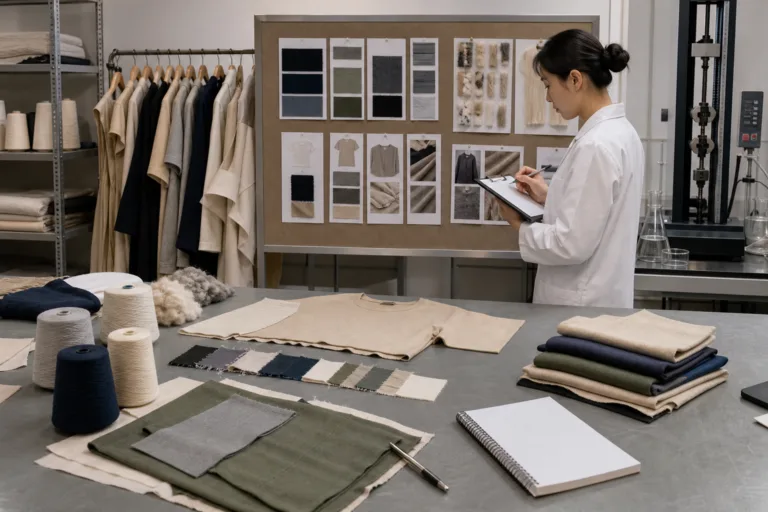

Introduction: Unpacking Sampling Costs in Metal Products
When sourcing metal products, one of the most puzzling questions for buyers and designers is: Why are sampling costs often three times higher than ordering items in bulk? This seemingly counterintuitive pricing isn’t just a matter of scale – it’s rooted in how samples are made, the unique challenges manufacturers face, and the high standards required for quality assurance. Understanding sampling costs, bulk pricing, and metal products starts with recognizing that samples function as critical risk management tools before mass production. This article dives deep into the practical factors behind the pricing gap, illustrated with real-world industry examples, to arm you with the knowledge needed for smart decision-making.
Sampling Costs: Why Are Samples 3x More Expensive than Bulk?

The cost discrepancy between samples and bulk production is best explained by looking at each step of the sampling process. Unlike bulk manufacturing, samples involve extra labor, materials, overhead, and stringent quality checks. Often, these hidden costs surprise clients who expect samples to be cheaper due to their smaller quantity. Let’s break down the main drivers of this price difference.
The Role of Labor-Intensive Sample Production
Creating samples for metal products is far more labor-intensive than producing in bulk. Each piece is often made manually or with specialized equipment, requiring skilled technicians to ensure precision. This individualized attention increases labor hours and raises overall costs, especially for complex shapes or custom finishes.
Specialized Materials and Small-Scale Procurement
Manufacturers don’t benefit from economies of scale when procuring raw materials for samples. Instead, they often buy small amounts of specialized metals at premium prices. This is particularly true when the sample must match a specific alloy, coating, or surface treatment that isn’t commonly stocked.
Frequent Tooling Set-Up and Adjustments
For each sample, tooling has to be set up, modified, or re-calibrated, which eats into factory time and resources. Unlike bulk runs where machines operate continuously, each sample requires resetting – sometimes multiple times as tweaks or corrections are made based on feedback.
Overhead and Indirect Costs Accumulate
The indirect costs of sample production include project management, engineering support, procurement logistics, and waste disposal. These overheads are spread thin over small quantities, rather than absorbed in large orders. For the manufacturer, these costs must be recovered from the sample price.
Stringent Quality Assurance and Testing
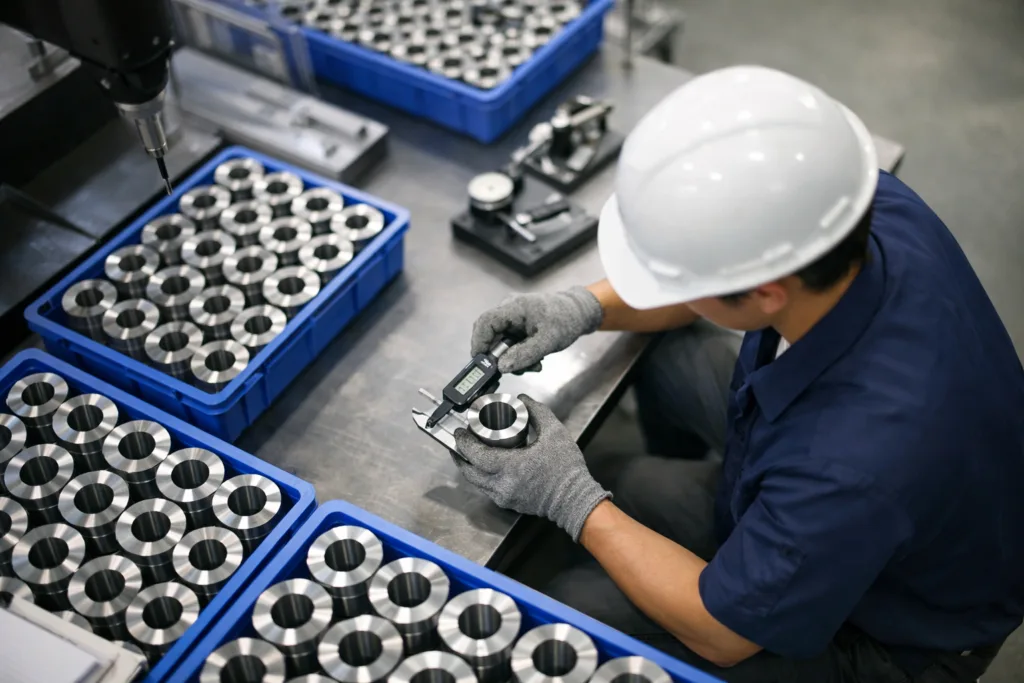
Because samples act as the “gold standard” for future mass production, they undergo more rigorous inspection and testing. Extra time and resources go into measuring, documenting, and validating each detail against specifications. This essential phase ensures that issues are caught early, but also inflates the sample cost.
Why Bulk Pricing Is So Much Lower: The Power of Scale
When metal products reach full production scale, manufacturers unlock cost savings at every step. Raw material procurement is cheaper, labor is streamlined, tooling is amortized, and overheads are distributed across thousands of units. This convergence of efficiencies is why bulk pricing is dramatically lower per unit than sampling.
Bulk Material Procurement and Supplier Discounts
Ordering metals in quantity enables access to supplier discounts and lower per-kilo pricing. The manufacturer can use standard materials in bulk, minimizing waste and overhead. Compared to sample orders that require special purchases, bulk runs optimize every procurement step.
Machines and Labor Run at Peak Efficiency
Assembly lines and production crews in bulk manufacturing operate smoothly without constant interruptions or setup changes. Once tooling is set, machines churn out units with minimal downtime. Labor cost per part falls sharply as processes are standardized.
Overhead Absorption through High Volume
General overhead – from facility rent to engineering and quality control – is spread over a much larger number of products in bulk orders. This allows manufacturers to charge a lower price per unit, making bulk deals attractively affordable.
Comparing Sampling Vs. Bulk Costs: A Real-World Table
| Cost Factor | Sampling | Bulk Production |
|---|---|---|
| Labor | High (custom/manual) | Low (automated/standard) |
| Material | Premium (small/specialized) | Discounted (bulk) |
| Tooling | Frequent setup changes | Single setup, amortized |
| Overhead | Few units absorb costs | Thousands absorb costs |
| Quality Testing | Extensive for each sample | Spot checks, standard protocol |
Sampling Process Stages in Metal Manufacturing
The sampling lifecycle often includes proto samples, fit samples, pre-production samples, and final production samples. Each sample plays a specific role in product development and approval. If you want to learn how these stages streamline garment creation and quality, see apparel sampling stages.
Proto Sample: Prototyping and Initial Validation
Proto samples are early-stage prototypes that help test design concepts and feasibility. They’re often made from substitute materials or rapid tooling, but still require considerable labor and attention.
Fit Sample: Testing Functionality and Fit
Fit samples test dimensional accuracy and usability. In metal products, these are vital for verifying that a piece fits with other components or works in the intended system.
Pre-Production Sample: Final Quality Assurance
Pre-production samples represent the final check before mass manufacturing. Here, quality assurance teams thoroughly inspect materials, dimensions, and surface treatments. For more on how pre-production samples protect product quality, read how pre-production samples save your reputation.
Production Sample: Bulk Run Validation
Once approved, production samples confirm the factory can replicate the exact specs in bulk. This minimizes risk and ensures consistency.
Quality Assurance and the Cost Barrier
Every sample undergoes a level of quality control that far exceeds bulk production. Manufacturers rely on rigorous inspection, tolerance checks, and documentation to ensure samples meet the highest standards. Tools such as measurement charts and tolerance guidelines can prevent costly errors and ensure better product fit – see measurement chart for development and understanding tolerance in measurements.
Testing for Durability, Function, and Compliance
In metal products, samples undergo stress tests, corrosion checks, and compliance verification. The cost of specialized testing, third-party certification, and technical documentation is higher per sample.
Documenting and Communicating Quality Findings
Sample makers must record measurement results, update tech packs, and communicate findings precisely. For actionable steps, check out updating tech pack after sampling reviews.
Sampling Costs in Metal Products: Real-World Scenarios
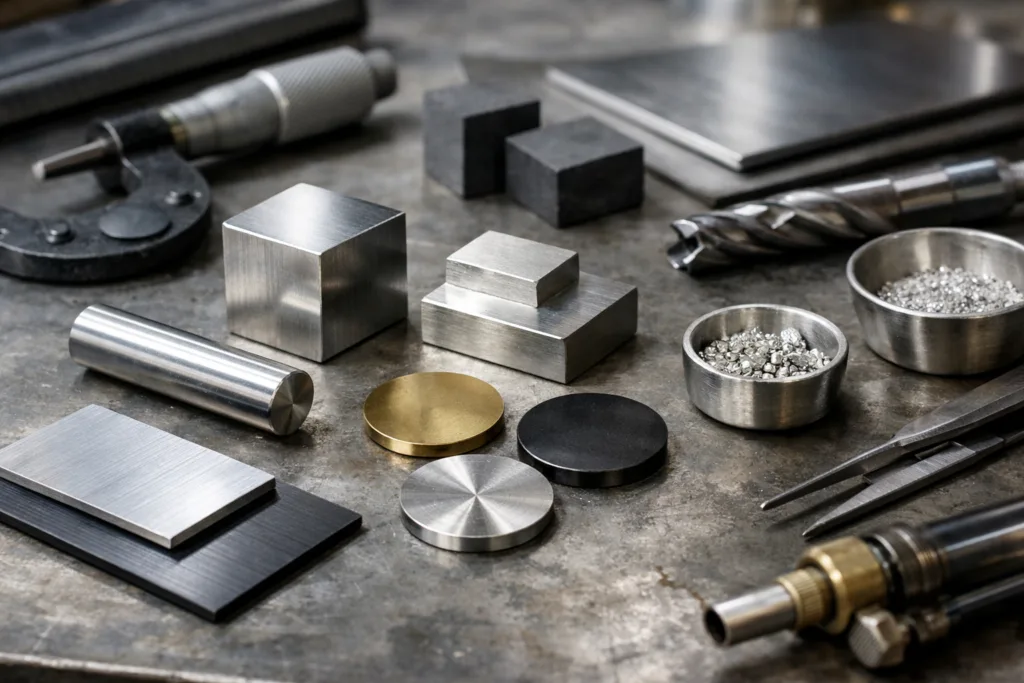
Let’s look at common situations demonstrating why sampling costs, bulk pricing, and metal products diverge so sharply. Take a metal bracket for an industrial system: The sample order requires custom CNC tooling, small batch alloy purchase, and detailed quality validation. Each bracket is made individually, with extensive labor and engineering attention. But when the order scales to thousands, those costs are amortized and streamlined, cutting the unit price dramatically.
Example: Custom Metal Enclosure Sampling
A manufacturer needs a sample of a custom-fabricated enclosure. They source a rare metal finish, set up new tooling, and perform full fit and function checks. The sample’s price skyrockets due to labor, materials, and QA steps, but a bulk order reduces per-unit costs by spreading setup and procurement across hundreds of enclosures.
Example: Final Quality Check Before Mass Production
In the final stage, stringent testing ensures that all benchmarks are met before green-lighting bulk production. For specific insights into quality safeguards, see critical ways samples safeguard metal product quality.
Hidden Charges: What Buyers Often Overlook
Sampling costs for metal products aren’t just about materials and labor. Hidden fees include engineering hours, factory downtime, expedited logistics, and potential trial-and-error runs while refining the sample. Many buyers overlook these, assuming samples should be inherently cheaper.
Impact of Expedited Sample Requests
Fast-track sample production often incurs overtime charges, premium material sourcing, and rush service fees. Each element contributes to the increased price for samples versus bulk orders.
Factory Perspective: Risk and Resource Recovery
For manufacturers, a sample is not only a trial run but a financial risk. If the sample fails or is rejected, the production hours and materials used aren’t recoverable. To offset this, factories factor the risk of wasted resources into the sample price.
Risk Management and Strategic Safeguards
Manufacturers sometimes use salesman samples or SMS—special promotional pieces for trade shows—which can also command higher costs due to their extra polish and precision. Learn how strategic SMS steps impact trade shows at winning trade show sales with strategic samples.
Design and Development Impacts on Sampling Costs
Product designers also contribute to higher sampling costs when they request multiple iterations, tight tolerances, or custom finishes. Each change means fresh setup, material procurement, and new quality checks; the cumulative effect drives up expenses.
How Prototype and Fit Sample Requests Add Up
Requesting both proto sample and fit sample stages for metal manufacturing compounds labor and material costs. For a guide on mastering the difference, see mastering proto sample vs fit sample.
Apparel Wiki’s Guide: Sampling Versus Production Decisions
Apparel Wiki notes that understanding the full cost lifecycle—from sampling to bulk production—helps buyers avoid sticker shock and plan better budgets. The site’s comparison guides clarify when to invest in premium samples to prevent costly errors down the line, and when to optimize for affordable mass manufacturing.
How to Optimize Your Sampling Budget
To minimize costs, clarify your design specifications, use standard materials when possible, and limit iteration cycles. Engage suppliers early for transparency on setup, testing, and quality validation fees. Smart communication helps prevent misunderstandings and expense overruns.
Negotiation Strategies
Establish realistic expectations for both sample and bulk pricing before the project begins. Ask for breakdowns of all cost factors involved in sample production, including materials, labor, and QA.
Future Trends: Will Sampling Costs Change?
Technological advances such as rapid prototyping, digital manufacturing, and improved supply chain management may gradually reduce sampling costs. However, the need for precise validation and small-batch attention means samples will always be more expensive than bulk orders for the foreseeable future.
Conclusion: Key Takeaways on Sampling Costs and Bulk Pricing
Sampling costs are three times higher than bulk prices because of intensive labor, specialized material sourcing, frequent setup, rigorous quality assurance, and risk management. These elements ensure products meet expectations before mass manufacturing begins. Buyers who understand why samples are expensive can plan budgets smarter, communicate more effectively with suppliers, and ensure quality without surprise costs. Bulk pricing harnesses economies of scale to slash per-unit costs – but the initial sample remains the foundation for reliable, consistent production.
Frequently Asked Questions
Why do metal product samples cost so much more than bulk units?
Samples require individual attention, special materials, custom setup, and extensive quality checks, all of which increase labor and overhead costs compared to efficient bulk manufacturing.
Can sampling costs be negotiated down?
Negotiation is possible by keeping specifications clear, limiting iterations, and using standard materials and finishes. Bulk orders yield most significant price reductions.
Do all manufacturers charge high sample fees?
Most reputable factories charge more for samples due to overhead, but some may subsidize costs to win long-term business if the buyer commits to large bulk orders.
What is the main factor driving up sample costs?
Labor-intensive manual production, frequent tooling changes, and stringent quality assurance are the biggest contributors to high sample costs in metal manufacturing.
Are sample costs refundable or credited against bulk orders?
Some suppliers offer partial credit or refund of sample fees when buyers place significant bulk orders, but this policy varies widely across the industry.
How can I prevent surprise charges during sampling?
Request detailed quotes with all cost elements, understand each step’s expense, and maintain transparent communication with your supplier to avoid hidden fees.
Related Reading
- Unlocking Hidden Quality Savings with Pre-Production Samples
- How TOP Samples Protect Metal Product Quality Before Mass Production
- Master the Difference: Proto Sample vs. Fit Sample for Metal Manufacturing
- 10 Pro Steps: Winning Trade Show Sales with Strategic Salesman Samples
- Streamlining the Sampling Journey: Five Stages of Apparel and Metal Products
- Updating Your Tech Pack: Navigate Changes After Sampling Reviews