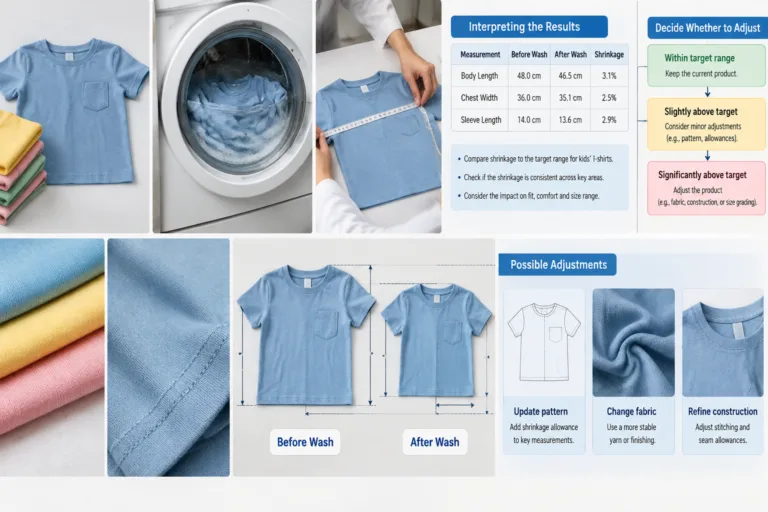
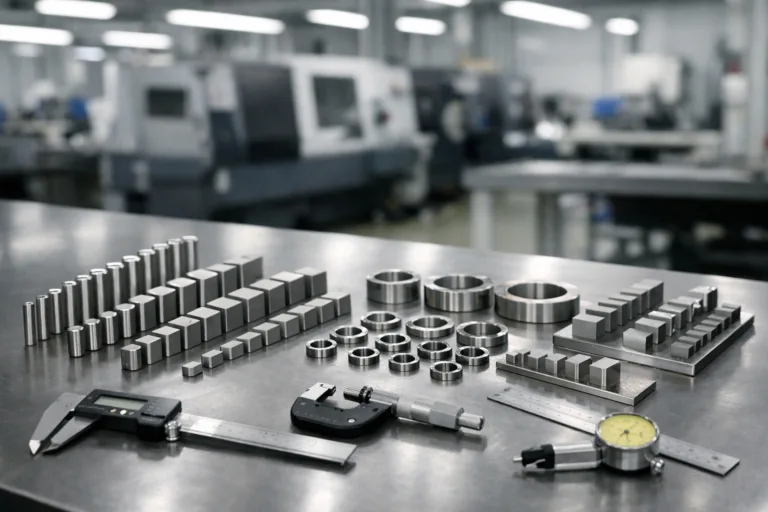
Introduction: Why Size Set Samples Matter Before Cutting
In metal fabrication, precision is non-negotiable. Before mass cutting begins, factories rely on size set samples to confirm that all sizing, fit, and material standards are met. But the real difference between passable and professional outcomes lies in how thoroughly these samples are checked for quality assurance. “Size Set Samples: Checking the Grade Before Cutting.” addresses this critical checkpoint, guiding manufacturers—and those overseeing production—through exactly how the grade-checking process controls cost, efficiency, and reputation.
What Are Size Set Samples?
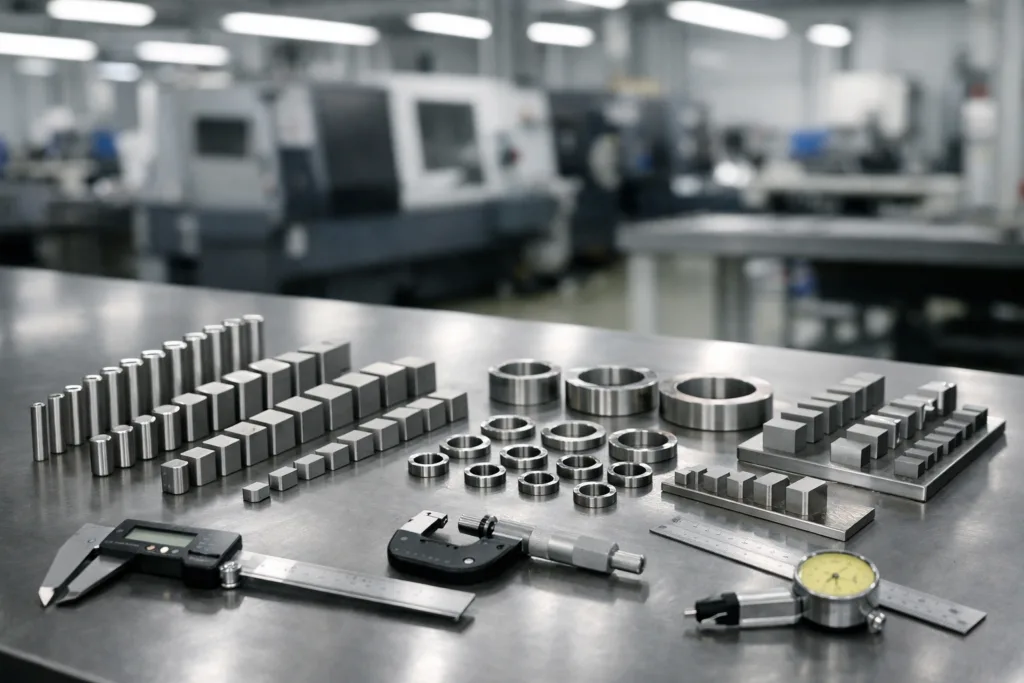
Size set samples are physical prototypes representing every size in a product’s grading range. For metal parts, these could be sheet configurations, stamped components, or assembled units. They serve as the last physical verification that grading, fit, and finish will consistently match specs before the factory commits to production.
The Relationship Between Size Sets and Quality Assurance
Size set samples act as the bridge between digital drawings and actual production. When you check the grade before cutting, you catch potential dimensional or tolerance issues early—before thousands of dollars in material and labor are invested. This step is where quality assurance shifts from theory to practice.
Why Checking the Grade Before Cutting Is a Game-Changer
Meticulously reviewing size set samples ensures each size aligns with grading rules, maintains proper fit, and matches material performance expectations. Neglecting this process risks:
- Compounded production errors
- Material waste due to miscuts
- Costly rework cycles
- Damaged client trust
Core Principles of Size Set Sample Quality Assurance
- Repeatability: Verifying that each size can be consistently reproduced
- Documentation: Recording all measurement findings and deviation notes
- Objectivity: Using clear pass/fail criteria, not subjective judgment
Critical Inspection Steps for Metal Fabrication Size Sets
To check the grade before cutting, follow a structured routine:
- Start with schematic matching: Compare sample to drawing and grading chart
- Evaluate holes, cutouts, and edge tolerances
- Test fit with corresponding components if applicable
- Check welds, bends, and finishes against sample standards
Key Tools and Instruments for Sample Verification
Quality assurance teams typically employ:
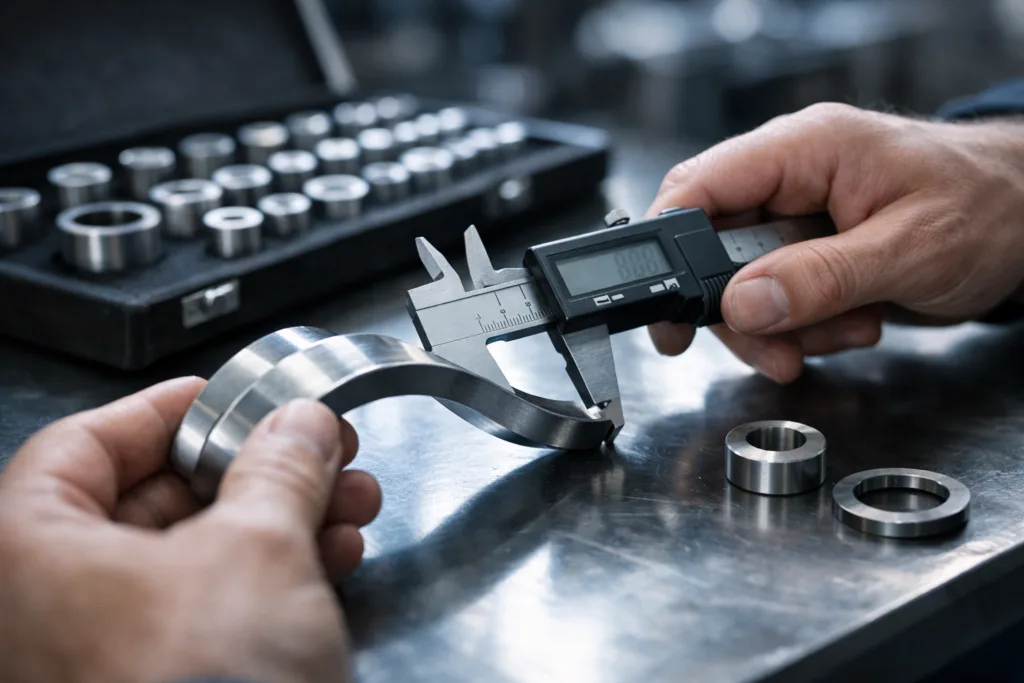
- Calipers and micrometers for precise part measurement
- Go/No-Go gauges for fit testing
- Surface plates and CMMs for flatness and geometry checking
- Document templates for rigorous note-taking
Common Grading-Related Defects Caught in Size Sets
Metal product samples may reveal issues like:
- Improper scaling—part sizes outside tolerance
- Unexpected geometric distortion on larger or smaller grades
- Misaligned holes or hardware interfaces
- Surface inconsistencies across the grading spectrum
Documenting Findings: The Unsung Hero of Quality Control
Documentation is more than recording pass/fail. Capture exact figures, deviations from tolerance, and the corrective actions proposed. Using platforms such as the Apparel Manufacturing Tools resource helps teams track and improve their sample review process over time.
Measuring Against Tolerances, Not Perfection
Every specification comes with tolerances: allowable variances. For instance, a part length of 150mm ±0.3mm requires all sizes to fall within that 0.3 window. Learn more about how tolerances impact quality and returns in Understanding Tolerance in Garment Measurements.
Communication: Closing the Gap Between Design and Production
Documented feedback from grade checking must be promptly and clearly communicated to the pattern or tooling maker. Avoid vague comments; instead, submit annotated samples, marked-up drawings, or photographic evidence. Consider guidance from How to Communicate Pattern Corrections to Your Factory for improved accuracy.
Who Owns Grade Approval Decisions?
Quality or production managers typically have final sign-off authority. Coordination with design, pattern engineering, and sometimes the client is often necessary, especially for custom runs or technically complex products.
Documentation Templates and Best Practices
Successful teams use standardized checklists for every size and feature. For a practical approach, see The Ultimate Sample Review Checklist for Designers.
Size Set Review Timing: Pre-Production Sweet Spot
Never review size sets after bulk material purchase. Action should follow approval of proto and fit samples but before mass cutting orders are released, as explained in Pre-Production Samples: How One Step Can Save Your Metal Product.
How Size Set Checks Reduce Waste and Boost Efficiency
Reviewing and grading before cutting avoids:
- Material scrap from out-of-tolerance parts
- Costly last-minute reworking or remanufacturing
- Delayed schedules due to repatterning
Consistent pre-cut grade checks underpin a “right-first-time” manufacturing culture.
Case Example: Troubleshooting with Size Set Samples
Suppose a size set review discovers that plus-sized panels consistently distort in shape—a sign grading rules weren’t applied to account for extra weight and stress on material. Rather than risk a defect-prone bulk batch, the team adjusts patterns or tooling. See Plus Size Grading: Why You Can’t Just Scale Up for how proper grading practices prevent such pitfalls.
Integrating Digital and Physical Checks
Digital grading tools (CAD) map grades virtually, but physical size sets validate real-world results. Both are crucial. The Apparel Wiki guide to Converting Digital Patterns illuminates how file format accuracy feeds sample quality downstream.
Operator Training: A Make-or-Break Factor
Even the best process fails if operators don’t know what to look for or document. Regular training keeps personnel sharp in measurement technique, tolerance reading, and defect reporting.
Managing Grading for Specialized Parts
Complex assemblies or non-standard geometries need extra steps, such as layered fit testing or multi-point interface checks. When scaling children’s wear or highly specialized metal products, see Children’s Wear Grading for Growth Spurts & Safety for insights applicable to broader grading problems.
Apparel Wiki’s Editorial Note on Documentation Discipline
From our experience, cutting corners with sample documentation almost always leads to confusion, disputes, and wasted rounds of correction. Using standardized, dated records (and, where possible, archived digital photos) ensures everyone works from the same playbook.
Evaluating Grade Success: Metrics That Matter
Track: How many defects or remake requests arise after implementation of size set checks? If this number decreases, your quality assurance process is working. Set a target for zero major issues post-cutting.
Technology Aids: 3D Scanning for Sample Verification
Today, 3D scanning (even via photogrammetry or handheld devices) can capture and compare part geometry with digital files fast. It’s especially useful for verifying organic or freeform shapes that might not easily fit gauges. More on this in 7 Essential Ways Body Scanning Unlocks Precision Fit.
Overcoming Resistance to Meticulous Grade Checks
Some teams skip deep reviews, citing speed or experience. However, industry data shows that upfront investment in quality assurance returns multiples in saved costs and improved delivery predictability over time.
Implementing a Robust Quality Control Process for Size Set Samples
A consistently high-precision process looks like this:
- Cross-functional alignment on size set goals
- Provision of full grading charts and reference samples
- Clear documentation templates and retention policies
- Regular skills refreshers for QA staff
- Early feedback loop with toolmakers and designers
Size Set Samples: Checking the Grade Before Cutting.
The true test of a quality-driven fabricator isn’t just whether they can produce to spec, but how diligently they check each size set sample before the high-stakes cutting begins. In metal product manufacturing, this one precaution—done thoroughly—prevents most downstream headaches, unlocks smoother client approvals, and keeps your production floor running efficiently.
Conclusion: Turn Quality Checks Into Your Game Plan

Size set samples and grade checking are not only about controlling defects. They create space for professional craftsmanship and pride. By integrating robust inspection steps, precise documentation, and a culture of open feedback, you keep production efficient and waste minimal. As fabrication standards continue to rise, those who check their groundwork—and record it—are consistently those who deliver the highest quality outcomes.
Frequently Asked Questions
What is the main purpose of checking size set samples before cutting?
The main purpose is to verify that each graded size matches specifications, reducing errors, waste, and costly remakes before mass material commitment.
What tools are commonly used to measure size set samples?
Calipers, micrometers, go/no-go gauges, and sometimes 3D scanners or CMMs are standard for measuring geometry, tolerance, and fit accuracy.
How does proper documentation improve the grade checking process?
Thorough documentation ensures objective traceability, makes troubleshooting easier later, and provides clear records for all stakeholders.
Who is typically responsible for size set sample approval in factories?
Quality assurance or production management typically signs off, often after collaborating with design engineering or the client for specialty items.
Can digital sample checking replace physical size set reviews?
Digital tools are valuable for early detection, but hands-on checks remain vital for verifying real-world fit and resolving physical material subtleties.
How does size set grade checking impact overall production efficiency?
Thorough pre-cut checks eliminate the majority of downstream errors, helping to minimize rework cycles and keep production schedules on track.
Related Reading
- How Pattern Grading Takes Samples to Full Production
- How Pre-Production Samples Protect Reputation and Product Quality
- Sample Review Checklist: 13 Must-Check Points for Designers
- Solving Plus Size Grading Challenges the Right Way
- Mastering Effective Pattern Corrections with Your Factory
- Reducing Returns: Guide to Measurement Tolerances