Introduction to Feedback on Samples (The “Comments” Phase)
When it comes to ensuring your final product meets expectations, the Comments Phase is critical. During this phase, you review samples, provide feedback, and steer improvements that can make or break the result. Precision, clear communication, and collaboration are vital, especially across industries such as apparel, metalwork, and manufacturing. Whether you’re a designer, developer, or sourcing manager, knowing how to give feedback on samples is essential for improving quality and preventing costly mistakes.
Why Giving Feedback on Samples Matters
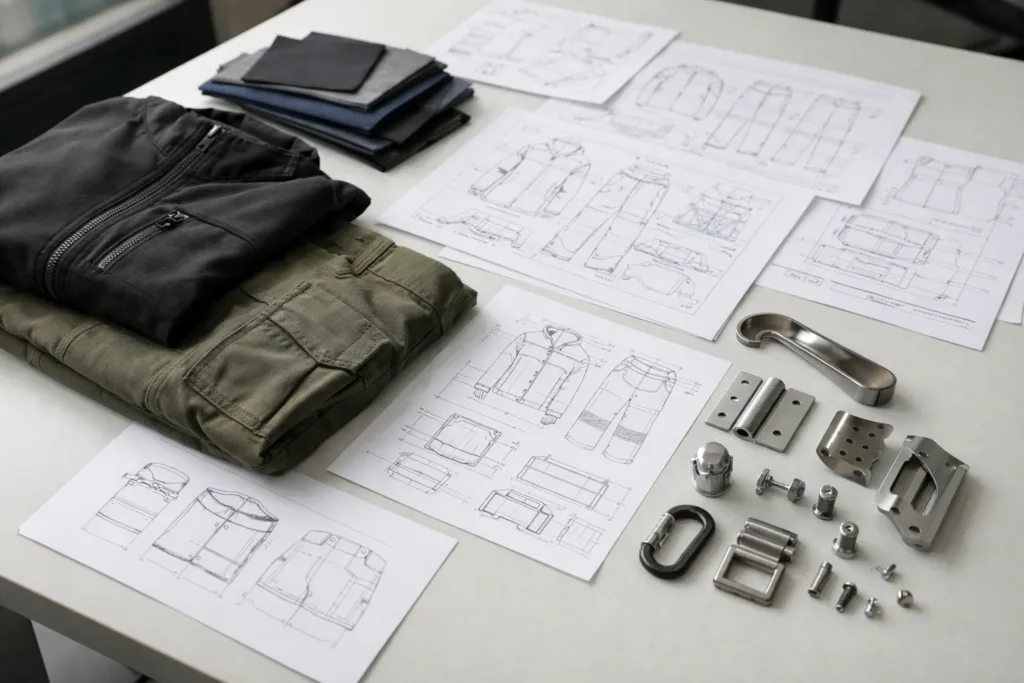
Delivering feedback on production samples isn’t just about listing what’s wrong or right. It’s about equipping the maker with insights that refine the design, functionality, and quality before mass production begins. High-quality feedback helps reduce revisions, speed timelines, and ensure your specifications are understood. Read on to discover the specifics of an effective Comments Phase and how to keep the process collaborative and productive.
Understanding the Comments Phase
The Comments Phase is the designated period for thorough review and evaluation of product samples. During this step, stakeholders—such as designers, buyers, and quality control specialists—inspect for accuracy, note deviations, and suggest corrections in order to guide improvement. It’s a structured method of communication designed to raise standards and decrease risk of errors reaching the final product.
Types of Samples Reviewed
Before you can deliver feedback, it helps to clarify what kind of sample is at hand. In apparel and manufacturing, the primary sample types include proto, fit, size set, pre-production, and top of production (TOP) samples. Each stage has distinct goals and review criteria:
- Proto Samples: Evaluate design concepts and basic construction.
- Fit Samples: Check sizing, silhouette, and drape on actual bodies.
- Size Set Samples: Ensure accurate grading across sizes.
- Pre-Production Samples: Verify construction, trim, and finishing before launching bulk runs.
- TOP Samples: Confirm production matches approved standards.
Who Should Provide Feedback?
Everyone involved in sample assessment has a part to play during the Comments Phase:
- Designers: Focus on aesthetics, construction, and technical aspects.
- Quality Control (QC): Inspect consistency with specifications, materials, and measurements.
- Buyers/Merchandisers: Balance commercial priorities, costing, and delivery timelines.
How to Structure Effective Sample Comments
Structuring your feedback is crucial for clarity and actionable outcomes. Here’s a preferred format:
- Reference Details: Identify the sample (sample ID, style number, version, or date).
- Observation: Note what is correct or deviates from the expected.
- Suggestion/Correction: Provide clear instruction or approval/denial.
- Supporting Visuals: Reference annotated images or tech pack pages when possible.
Key Areas for Feedback: What to Evaluate
To cover all critical aspects in your review, examine the following key areas:
- Design Accuracy: Does the sample match the intended style, shaping, or details?
- Fit & Measurements: Are the measurements within tolerance? Is the fit ergonomic and commercially viable?
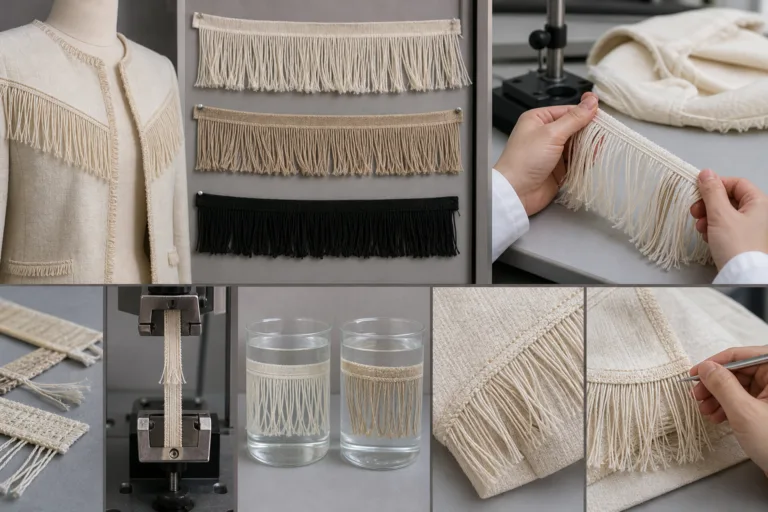
- Quality of Materials: Does the fabric, trimming, or hardware meet specified standards?
- Construction: Look for even stitching, correct seam allowances, and finish quality.
- Functional Features: Test fastenings, closures, zippers, or mechanical features.
- Color & Appearance: Is colorfastness acceptable? Are patterns or graphics applied as intended?
Referencing The Ultimate Sample Review Checklist for Designers can help structure this assessment.
Using Visual Comments and Annotations
Photos, diagrams, and digital markup tools significantly enhance your feedback. By highlighting or circling issues directly on images or tech pack schematics, you minimize misinterpretation and streamline communication with factories and teams.
Writing Constructive, Actionable Comments
Effective sample comments are honest, clear, and solution-focused. Use these principles:
- Be Specific: Avoid vague terms (e.g., “looks off”); explain what should be changed.
- Be Objective: Address the issue, not the person.
- Suggest Solutions: Whenever possible, recommend how to fix a problem.
- Keep it Concise: Bullet points or short, direct comments work best.
- Acknowledge Success: If something is well-done, say so—it builds trust!
Sample Comments – Examples for Common Issues
| Observation | Comment | Recommended Action |
|---|---|---|
| Hem is uneven by 7mm left side | Left side hem length exceeds tolerance by +5mm | Correct seam and confirm hem length is consistent with spec |
| Zipper waviness present | Zipper pulls and waves at lower edge when closed | Stabilize zipper area; refer to zipper QC notes |
| Sleeve seams differ in width | Sleeve seams are 1cm wider on right side | Align seam widths as per spec; see noted pattern correction |
Collaborative vs. Critical Feedback: Finding the Balance
Productive feedback aims to solve problems, not just point them out. Foster a collaborative tone in your comments, focusing on shared goals and learning. Ask open-ended questions and invite dialogue: “Would adopting method X address this seam issue?”
Language Pitfalls to Avoid in Feedback
Feedback can be derailed by poor communication. Avoid emotionally charged, ambiguous, or overly detailed messages. Never use sarcasm, blame, or unclear directives. Clear, neutral language sets the tone for constructive progress.
How to Use a Sample Review Checklist
Before documenting feedback, working from a structured checklist is invaluable. This ensures you systematically review every key aspect. Apparel Wiki provides a helpful sample review checklist that covers design, measurement, labeling, packaging, and functional testing.
Recording Tolerance and Measurement Comments
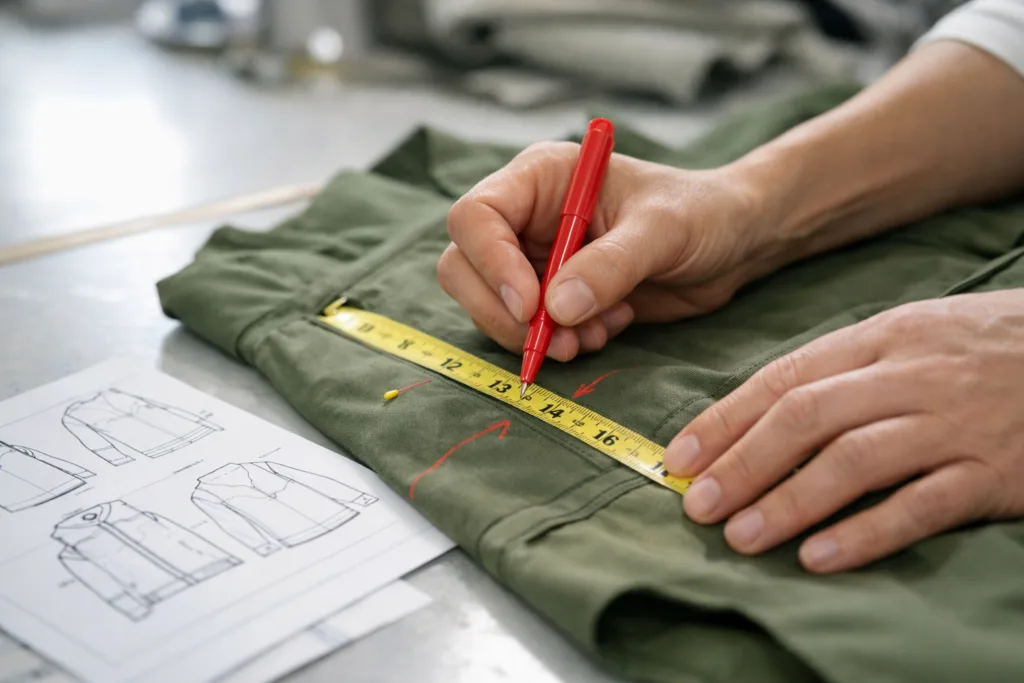
Clarity in size and fit is essential. Always reference the specification sheet and state if measurements are inside or outside of tolerance. For example: “Waist measured 3mm greater than maximum allowed.” To better understand how tolerances affect outcomes, see Understanding Tolerance in Garment Measurements.
Communicating Pattern and Technical Corrections
Pattern-related comments should be documented in detail, referencing measurements, notches, and any digital files as needed. For step-by-step guidance on this process, visit How to Communicate Pattern Corrections to Your Factory.
Feedback Workflow: Iteration and Final Approval
The Comments Phase is usually iterative, involving two or more sample rounds. Log comments systematically and follow up on all previous requests in later reviews. Only approve a sample for production when all critical issues are resolved or minor deviations are accepted in writing.
Using Digital Tech Packs for Feedback
Modern production uses digital tech packs for centralized comments, visual references, and revision history. Tech packs reduce confusion and help keep all parties aligned, especially across companies or national borders. For a deep dive, see 7 Ways Digital Tech Packs Are Transforming Fashion Manufacturing.
Role of Supporting Documents in Sample Feedback
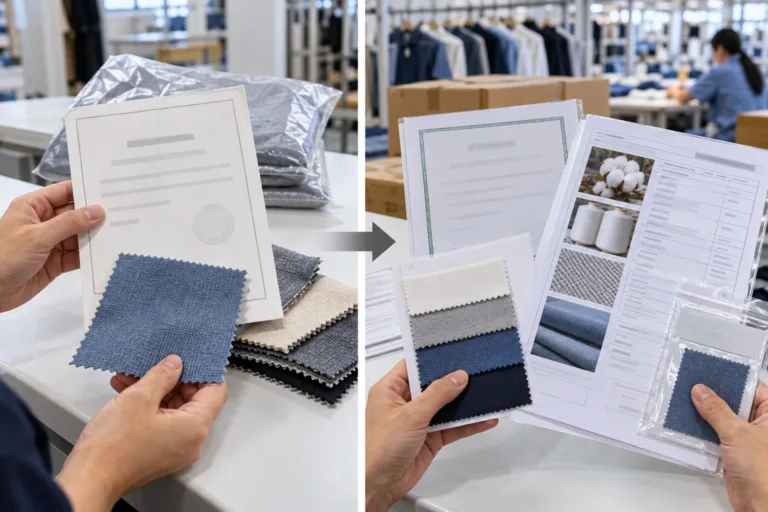
Besides the sample and tech pack, supporting documents (e.g., grading sheets, trim cards, color standards) help clarify comments. Attach or reference these as needed for visual or numeric proof when communicating with the maker.
Time Management and Feedback Deadlines
Timely feedback is essential. Delayed comments slow the entire process and can increase costs. Establish internal and external deadlines with all parties to streamline sample review cycles and keep projects on track.
Common Feedback Challenges and Solutions
Challenges typically include language barriers, inconsistent measurement tools, and interpretation errors. Overcome these by standardizing terminology, using metric/imperial conversion charts, and double-checking measurements with the factory team.
Using Callouts and Comments for Factory Communication
Clear callouts on annotated spec sheets or photos leave less room for error. Apparel Wiki’s manual on Clear Factory Communication: 18 Game-Changing Techniques for Writing Comments and Callouts is recommended for advanced strategies.
Involving Suppliers in the Feedback Loop
Invite the supplier to acknowledge feedback in writing, confirm understanding, and propose alternatives if their resources are limited. This open loop reduces repeat mistakes and builds a partnership mindset.
Feedback on Fit: Garments, Models, and User Trials
Arrange live fit sessions or user trials when possible, and record detailed observations. For actionable approaches to fit testing, explore 10 Pro Tips for How to Conduct a Fit Session with a Live Model.
Feedback for Pre-Production and TOP Samples
Comments for pre-production and TOP samples are especially consequential: they close the door to final changes. Confirm all updates from earlier rounds are correct, note manufacturing consistency, and double-check packaging, labeling, and compliance points. To deepen your knowledge, see 7 Critical Ways TOP Samples Safeguard Metal Product Quality Before Mass Production.
The Apparel Wiki Approach to Sample Feedback
Apparel Wiki has observed that teams using standardized feedback protocols see lower error rates and reduced costs. Establishing clear comment templates, keeping archives of feedback, and investing in training all help ensure that the Comments Phase is proactive, not reactive. This approach works across industries and benefits both small brands and major manufacturers.
How to Give Feedback on Samples (The “Comments” Phase)
The Comments Phase should be approached with a problem-solving mindset, treating feedback as a key part of product improvement, not merely fault-finding. Set the expectation with your suppliers and teams: clear, precise sample feedback is not a bonus—it’s a requirement for quality and consistency. With this positive stance, you will foster a culture of excellence, collaboration, and mutual respect from sample development through to final delivery.
Conclusion: Key Takeaways for Effective Sample Feedback

Giving effective, actionable feedback during the Comments Phase ensures samples continually improve, align with specifications, and result in top-tier bulk production. Collaborate, communicate with clarity, and use structured tools. Internal resources such as review checklists, annotated photos, and digital tech packs can dramatically reduce misunderstandings and speed up lead times. With a positive, systematic approach, you turn sample feedback from a stress point into a source of real value for your supply chain—and for your final product’s quality.
Frequently Asked Questions
What is the purpose of the Comments Phase in sample review?
The Comments Phase enables stakeholders to provide structured, constructive feedback on samples, ensuring products meet specifications before moving to mass production.
How can I make my sample feedback more effective?
Be clear, specific, and solution-focused. Use structured comments, annotated visuals, and systematic checklists to communicate issues and proposed corrections.
Who is responsible for giving feedback on samples?
Designers, quality control staff, and buyers/merchandisers all contribute, focusing on technical details, aesthetics, sizing, and commercial concerns.
How do I know if a sample is approved for production?
Approval is given when all requested changes from previous comments are completed and all critical specs are met. Written sign-off is standard practice.
How often should samples be reviewed during development?
Typically, two or more sample rounds are needed, with feedback logged and checked after each round until the product meets requirements.
What tools can I use to provide sample feedback?
Use annotated digital photos, tech packs, review checklists, and callout sheets. Digital collaboration platforms also streamline the feedback process.
Related Reading
- 13-Point Checklist for Reviewing Samples Like a Pro
- Reduce Returns: Demystifying Tolerance in Garment Measurements
- Mastering Clear Communication for Pattern Corrections
- How Digital Tech Packs Transform Factory Feedback
- 7 Ways TOP Samples Prevent Production Disasters
- Perfect Your Fit Sessions for Successful Sample Reviews