Introduction: Why Feedback Matters in the Comments Phase
In apparel manufacturing and product development, there is one critical step that can make or break the outcome: giving feedback on samples during the “comments” phase. This is where constructive insights, precise observations, and strategic dialogue come together to transform a rough sample into a production-ready product. Whether you’re refining a garment fit, verifying fabric quality, or ensuring bulk production will meet expectations, effective feedback ensures your vision becomes reality. In this guide, you’ll learn proven ways to give impactful feedback on samples that foster collaboration, ensure quality, and minimize costly errors in the final product.
Understanding the Purpose of the “Comments” Phase

The “comments” phase is more than just pointing out flaws—it’s an opportunity to communicate detailed observations on design, function, and quality. This step lets brands, designers, and factories align on expectations, correct misunderstandings, and iterate toward a high-quality result. Without clear comments, issues can translate directly into production mistakes, wasted resources, or delayed launches.
Sample Review Workflow: From Receipt to Final Approval
Most apparel teams follow a straightforward workflow: receive prototype or pre-production samples, review each for issues, provide written and visual comments, discuss changes, and then approve for production. Documenting this process prevents confusion and provides a reference for both factory and quality assurance teams.
Who Should Provide Feedback on Samples?
Feedback is most impactful when it comes from all stakeholders: product managers, designers, technical developers, fit specialists, and sometimes even retail or sales. Each brings a unique perspective to sample evaluation, ensuring both functional requirements and brand aesthetic are maintained. Utilizing cross-functional input also helps surface issues early, as discussed in the Ultimate Sample Review Checklist for Designers.
Choosing the Right Format for Comments
Comments can be delivered through annotated photos, markups on spec sheets, video walk-throughs, or tracked changes on digital documents. Combine methods for the clearest communication—what’s important is ensuring your point is unambiguous for your factory or sample maker.
Key Elements of Effective Sample Feedback
To be practical and influential, sample feedback should include:
- Specific observations (e.g., “side seam puckering at underarm” instead of “bad seam”)
- Clear reference to specifications (“compare collar width to tech pack page 4”)
- Actionable suggestions (“reduce cuff width to 2.5cm” rather than “make it narrower”)
- Photos with annotations
- Objective tone—focus on what can be improved, not blame
How to Compare the Sample Against Original Specifications
Clearly referencing your original tech pack, line drawing, or prototype specs is the fastest way to communicate issues. For example, in The Complete Guide to Tech Packs, Apparel Wiki outlines the importance of matching every measurement and material to approved details.
Formatting Your Comments for Factory Clarity
Use bullet points, callout boxes, or numbered notes for clarity. If you’re working with overseas teams or multiple stakeholders, concise language and labeled images minimize back-and-forth. Refer to 18 Game-Changing Techniques for Writing Comments and Callouts as a resource for streamlining your communication.
Commenting on Design and Aesthetics
Design feedback should address fabric drape, print scale, motif placement, and overall silhouette. Highlight both what works and what doesn’t so positive elements are repeated in bulk production.
Addressing Functionality in Your Feedback
Functionality goes beyond appearance—are zippers smooth, snaps secure, seams durable? Testing these points and noting any failures is crucial for end-user satisfaction and warranty claims.
Fit Evaluation: The Heart of Apparel Feedback
Fit issues can doom even the best designs. Assess the sample on a live model or form, taking note of tension lines, mobility, and whether the garment fits as intended. The article How to Conduct a Fit Session with a Live Model is a great starting point for fit analysis best practices.
Visual Checks: Color, Print, and Material Accuracy
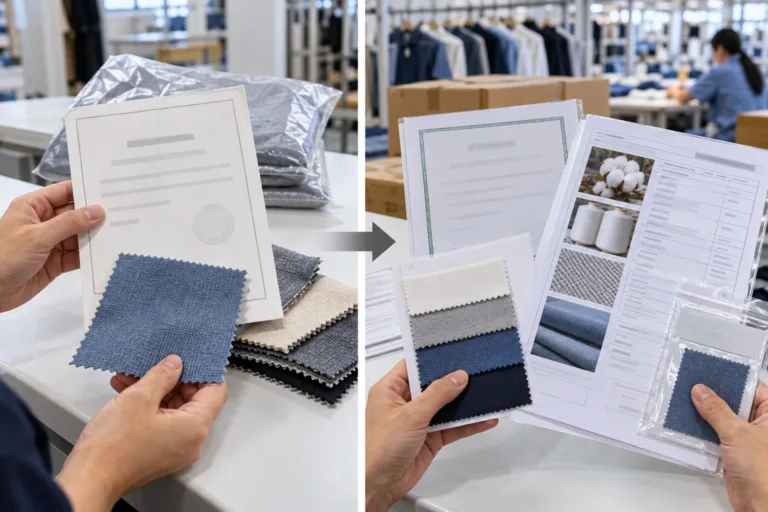
Check colors under natural and artificial lighting, measure prints for placement consistency, and inspect material for quality or defects. Also, compare against lab dips or reference swatches to ensure alignment.
Identifying and Explaining Defects
If you spot envelope seams or skipped stitches, document with close-up photos. State not just what is wrong, but where it is and why it matters. This way, factories can correct issues, not just mask them in later samples.
Using Measurement Charts and Tolerances
Be precise—use garment measurement charts to call out discrepancies and reference allowed tolerances. For common tolerancing guidance, see Understanding Tolerance in Garment Measurements.
Prioritizing Comments: Which Issues Matter Most?
Distinguish between critical must-fixes, nice-to-have changes, and comments for future development. Label issues by urgency so that factories tackle vital corrections first.
Balancing Constructive Criticism with Positive Feedback
Highlight positive outcomes along with necessary changes. Balanced feedback motivates teams, helps retain useful features, and prevents overcorrection in the next round.
Collaborating with Factories During the Comments Phase
Turn the feedback phase into a conversation, not a lecture. Ask open questions, invite the factory’s input, and work together to troubleshoot trickier issues—this strengthens relationships and leads to faster, better outcomes.
Documenting Your Feedback for Audit Trails
Keep sample review notes, annotated photos, and replies centralized. This record-keeping prevents disputes later, keeps teams aligned, and shortens onboarding for new staff. The Apparel Wiki resource 10 Critical Steps for Seamlessly Updating Your Tech Pack After Sampling Reviews demonstrates how structured updates reduce production delays.
Dealing with Repeated or Ongoing Issues
If certain problems reappear, reference previous comments, escalate to higher management if needed, or request a corrective action plan from your supplier. Continuous documentation is your best defense against recurring errors.
Leveraging Digital Tools for Feedback Efficiency
Use shared platforms and cloud folders for real-time commenting and version control. Many brands rely on digital tech packs and cloud-based spec review to minimize email chains and speed up approval cycles.
Sample Return, Markup, and Callout Best Practices
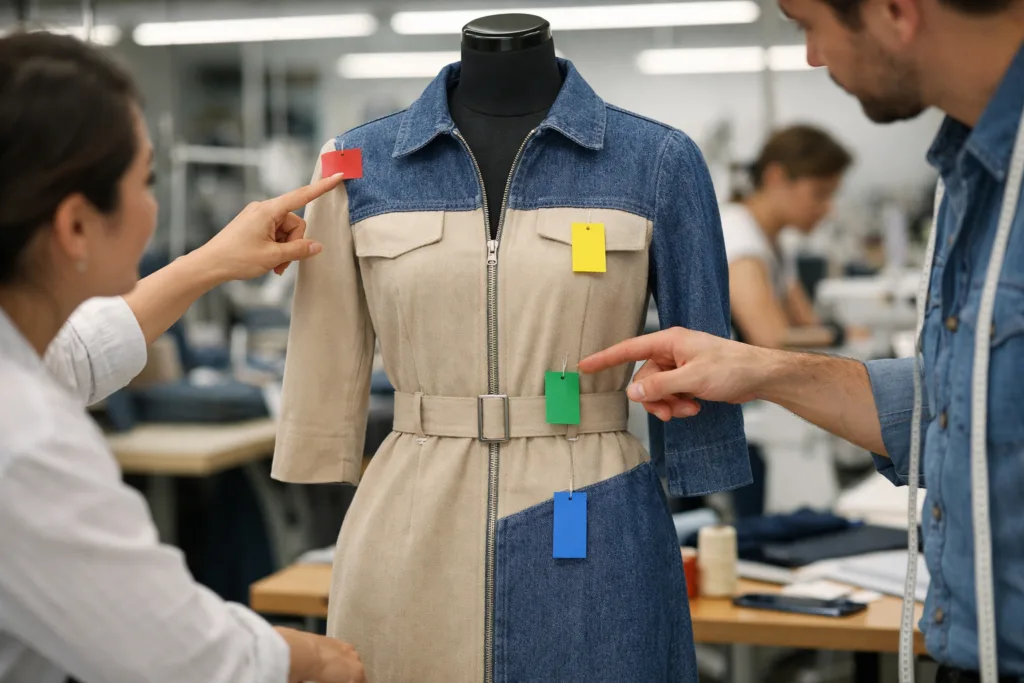
Return physical samples with written markup or flag with color-coded tags for visibility. Keep returns organized and provide reference images to reduce ambiguity.
Encouraging Open Dialogue and Iterative Improvement
Encourage your partners to ask for clarification or suggest alternative solutions. Iterative feedback leads to better products and helps embed continuous improvement into the supply chain.
Setting Timelines for Samples and Feedback
Define clear deadlines for returning comments and receiving revised samples. This keeps development on track and avoids late interventions that could delay production.
Managing Cross-Cultural Feedback Exchanges
Be aware of language barriers and cultural expectations in international teams. Use visual communication, avoid idioms, and always clarify meaning for best results.
Case Study: Successful Feedback in Action
A mid-size outerwear brand recently improved their bulk order lead time by 30% simply by instituting an annotated photo comment system for all samples. Their feedback phase focused on objective, prioritized, and actionable changes, using the full workflow outlined above.
How to Give Feedback on Samples (The “Comments” Phase)
To give effective feedback on samples during the “comments” phase:
- Compare each area to original specifications
- Document issues with annotated images and concise descriptions
- Clearly differentiate urgent revisions from minor suggestions
- Balance objective criticism with positive reinforcement
- Encourage discussion and maintain a collaborative tone
- Centralize your comments for traceability
This approach elevates both quality and partnership, leading to timely and successful product launches.
Conclusion: Key Takeaways for Stronger Sample Feedback

Constructive, clear, and prioritized sample feedback prevents costly mistakes, streamlines production, and builds strong supplier relationships. By focusing your efforts during the “comments” phase, you’ll help guide your partners toward excellence—one sample at a time. Implement dedicated workflows, use supporting documentation, and commit to collaborative dialogue. In turn, you’ll see better results both in finished quality and in the speed of approvals.
Frequently Asked Questions
What is the “comments” phase in sampling?
The “comments” phase is the stage where sample recipients analyze and provide structured feedback to address conformity with the original design and quality expectations.
Who should participate in sample feedback reviews?
Product managers, designers, technologists, and even sales and marketing teams should all contribute to ensure the sample meets both functional and visual requirements.
How do I format my feedback for factories?
Use bullet points, annotated images, and numbered lists to make your comments clear, concise, and actionable for factory teams anywhere in the world.
What are the most common sample feedback errors?
Vague comments, missing visual references, and unclear priorities are the most common mistakes, leading to confusion and production delays.
Can digital tools streamline the comments process?
Yes, digital platforms allow collaborative feedback, version tracking, and faster sample approval cycles, especially in remote or multi-team settings.
How do I ensure feedback leads to improvements?
Document every stage, follow up for clarifications, and maintain open communication with your factory to ensure comments are implemented accurately.
Related Reading
- The 13-Point Reality Checklist for Sample Review Success
- How to Update Your Tech Pack Without Overwhelm After Feedback
- Live Model Fit Sessions: Step-By-Step for Designing Confidence
- Write Comments Like a Pro: 18 Tips for Factory Communication
- Mastering Garment Measurement Tolerance for Consistent Quality
- Tech Packs 101: Your Key to Avoiding Manufacturing Nightmares