Introduction: Why Sample Lead Times Matter in Your Critical Path
Managing sample lead times in your critical path is essential for hitting deadlines and maintaining quality in industries dependent on precise manufacturing—especially in metal product development. A single delay in sampling can ripple across the entire production timeline, leading to missed launches, cost overruns, and lost opportunities. Understanding how to control and optimize these sampling milestones is not just a technical necessity—it’s a strategic advantage.
Understanding Sample Lead Times and the Critical Path

Sample lead times refer to the duration needed to produce, review, and approve product samples before full production. When considering your project’s critical path—the sequence of tasks that determine the minimum timeline—sampling often becomes the bottleneck. If the sample is delayed, no downstream activities can happen, stalling everything from pattern grading to bulk production.
Breaking Down the Sampling Phases
For most metal product and apparel projects, sample development includes several stages: proto samples, fit samples, size set samples, pre-production samples, and sometimes salesman samples. Each stage has distinct goals and requirements, and the cumulative time of these stages sets the baseline for your project’s critical path.
Proto Sample Creation
The proto sample verifies the feasibility of your design with actual materials and construction methods. This stage often uncovers design or manufacturing issues, so clear expectations and detailed tech packs can save weeks upstream. For more on differentiating proto and fit samples, see this guide on proto sample vs. fit sample in metal manufacturing.
Fit and Size Set Samples
Fit samples ensure your design works on the intended body or form, while size set samples test the scaling of your design in all required sizes. Delays here commonly stem from unclear pattern instructions or poor communication about corrections. For robust quality control, check out these essential ways to check size set samples.
Pre-Production and Salesman Samples
Pre-production samples and Salesman Samples (SMS) are the final sign-offs. They confirm that production will match your approved standard and are often shown to sales teams or buyers. If mistakes surface at this stage, the only options are costly rushes or timeline slips. To see how pre-production sampling protects your reputation, explore how one step can save your product.
Key Challenges: Where Sample Lead Times Go Wrong
Industry experience shows several recurring pitfalls:
- Poorly defined tech packs
- Miscommunication between design, sourcing, and vendors
- Last-minute specification changes
- Sampling backlogs at busy factories
- Shipping delays—especially with international vendors
- Feedback bottlenecks from cross-functional teams
According to Apparel Wiki, most delays begin long before the sample reaches a factory—often in unclear specification, communication gaps, or late comments.
The Impact of Delays on Project Timelines
When sampling falls off-track, every downstream task—pattern grading, material ordering, and production—gets pushed back. This domino effect in the critical path can mean missing entire sales seasons, paying air freight instead of sea, or rushing production and sacrificing quality. For example, if a metal part sample arrives two weeks late, fabricators may lose production slots, and sudden changes can force costly overtime or reject batches that don’t meet standards.
The Role of Early Supplier Engagement
Engaging suppliers early is a game-changer. Bringing your sample vendor into discussions before design sign-off uncovers feasibility risks, potential material shortages, and alternative construction methods that can shorten sample lead times. Suppliers can often guide minor design tweaks that fit their capabilities, removing weeks from the timetable. Frequent, clear check-ins keep both teams accountable and reveal bottlenecks before they escalate.
Strategic Planning to Optimize Sample Lead Times
Strategic sample planning starts with mapping out each sample stage in detail. Identify dependencies: Does a proto sample need approval before size sets begin? What is the fastest turn for tooling adjustments? Building sampling into the critical path prevents last-minute surprises and helps with accurate forecasting. For a stepwise overview, the stages of apparel sampling are a helpful reference for building a comprehensive timeline.
Critical Path Mapping Tools
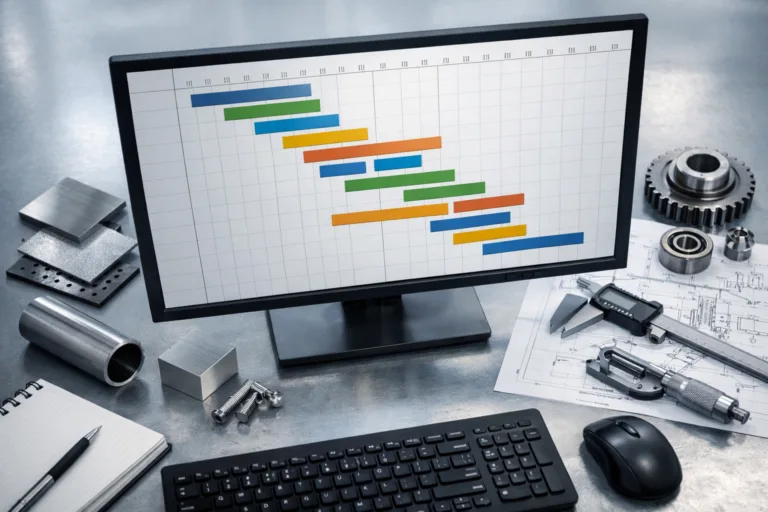
Modern project management software lets you visualize each sampling task, assign deadlines, and connect dependencies. Gantt charts are especially effective for seeing at a glance which tasks cannot slip. Some platforms allow direct integration with vendor timelines, so real-time updates keep everyone informed.
Effective Communication with Vendors
Clear, timely communication minimizes confusion and accelerates the review process. Effective email templates, regular check-ins, and detailed feedback loops are crucial. To ensure your comments aren’t misinterpreted, see these game-changing techniques for writing comments and callouts. This is where experienced product developers shine, as they quickly spot vague instructions or potential misunderstandings.
Feedback Loops: Speed and Clarity
When reviewing samples, feedback should be concise, specific, and delivered promptly. Waiting days to reply—or sending ambiguous notes—can stall the next sampling round. It’s a best practice to have designated reviewers and backup approvers available during critical windows. Additional guidance on this is available in the 7-step smart guide to giving sample feedback.
The Power of Technology in Tracking Sample Progress
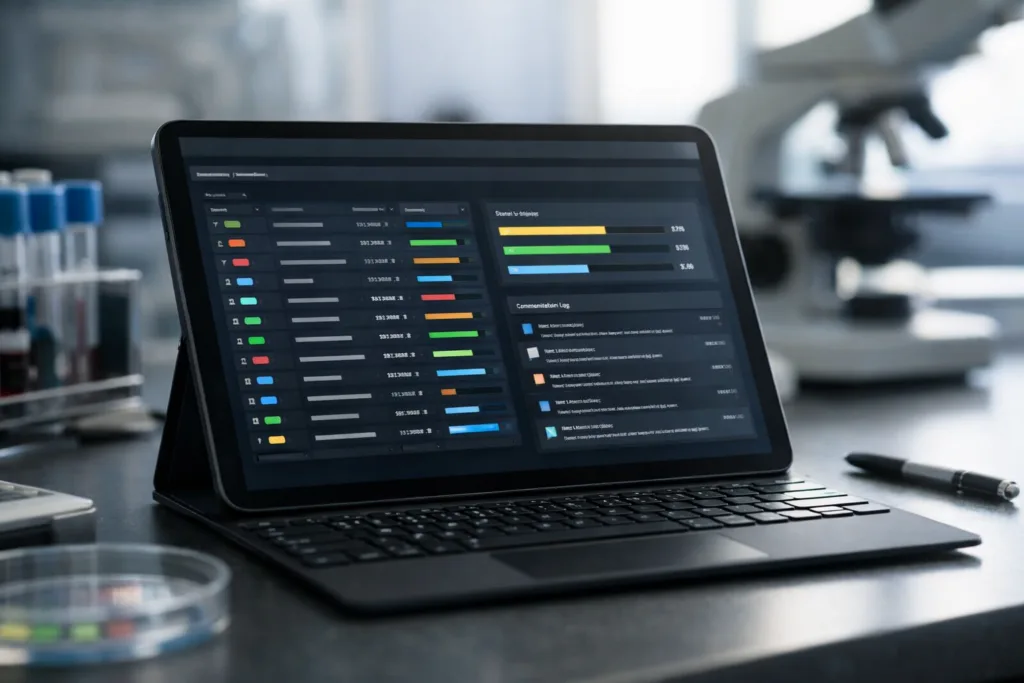
Many companies now leverage sample tracking systems, supplier portals, and integrated calendars. These tools show exactly where the sample sits in the process, who’s responsible, and the next actions. Digital tech packs, which sync directly to factory systems, have become a vital efficiency booster. Learn more about their role in how digital tech packs are transforming manufacturing.
Case Study: Metal Product Sampling Success
A mid-sized hardware brand faced persistent production delays due to sample revisions. By overhauling their process—mapping each sample touchpoint, assigning clear approvers, and switching to a digital feedback loop—they cut approval times in half. Early engagement with their metalforming suppliers uncovered a faster, alternative finishing process. The result: Their next launch arrived on schedule, with zero quality complaints and cost savings on freight.
Balancing Speed with Quality Assurance
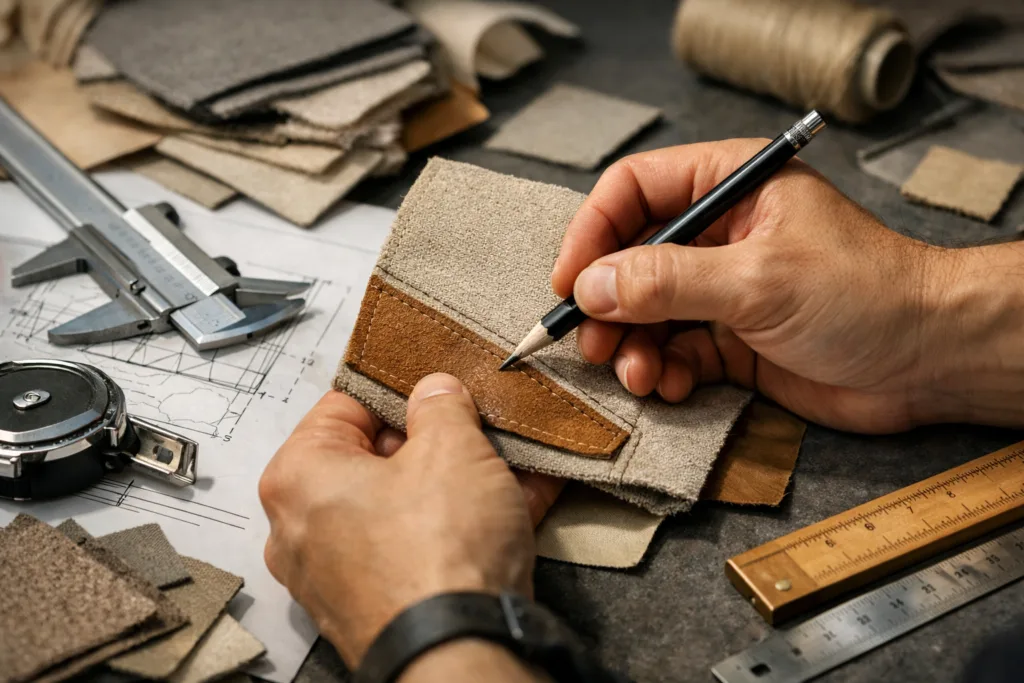
Optimizing lead times doesn’t mean rushing through every stage. Rushed samples miss hidden defects, which show up later as expensive production problems. To strike the best balance, confirm specs with thorough sample reviews and follow robust testing protocols. If you need a comprehensive checklist, this sample review guide for designers covers 13 must-check points.
Rework Prevention
One overlooked cycle can cascade into costly rework and tension with vendors. Review by technical experts and timely documentation (photos, spec sheets, annotated comments) are your safety nets. Apparel Wiki stresses the importance of keeping a version history and aligning feedback with the latest sample iteration.
Cost Implications of Missed Sample Deadlines
Pushing back sample approvals has real financial bite: lost sales, expedited shipping costs, rescheduled labor, and even wasted materials if production starts without sign-off. In metal manufacturing, sampling can be three times costlier than bulk runs due to setup changeovers. For buyers wondering why, read about sampling cost factors in metal products.
Risk Management: Buffering and Contingency Planning
Build buffers into your critical path for sample approval, especially during busy production cycles or when working with new suppliers. When a delay seems likely, notify stakeholders early—never wait for the “official” miss. Maintain backup vendor relationships for high-risk samples, and pre-plan expedited shipping if certain milestones slip.
Supplier Relationship Building for Faster Sampling
The best lead times come from trust-based, long-term supplier relationships. Joint planning sessions, regular performance reviews, and transparent escalation protocols turn suppliers into true partners. They’re more likely to prioritize your orders and offer proactive solutions.
Utilizing Data Analytics to Pinpoint Bottlenecks
Tracking how long each sampling stage takes over time reveals chronic logjams. Are approvals always slow on your team’s side, or is the supplier’s fabrication step the culprit? Armed with data, you can target fixes that deliver the greatest timeline gains.
Common Pitfalls and How to Avoid Them
Frequent missteps include underestimating the time needed for custom tooling, failing to clarify tolerances, and poor hand-offs between departments. To avoid costly rewinds, establish clear sign-off procedures and set achievable, defined expectations with each stakeholder up front.
Pacing Critical Path Overlaps and Parallel Tasks
Where possible, run non-dependent tasks in parallel. For instance, while the proto sample is in progress, begin finalizing packaging, artwork, or certification steps. Smart use of parallel workflows can save precious time without increasing risk.
When to Initiate Pattern Grading and Bulk Material Orders
A risky shortcut is starting pattern grading or bulk orders before samples are approved. If updates are needed, rework can be costly. Use a decision gate: Only proceed when samples pass defined checkpoints.
The Human Element: Training Teams on Sample Management
Even with digital systems, training your internal teams on what to look for—and how to react—during sampling reviews is essential. Role-play scenarios, periodic refresher sessions, and documented processes empower staff to flag concerns early.
Managing Sample Lead Times in Your Critical Path
Successfully managing sample lead times in your critical path means seeing sampling not as a hurdle, but as a control point for quality and timing. Strategic planning, clear feedback channels, and data-driven process reviews help keep your project on track. Early supplier involvement, buffer zones for risk, and smart use of technology are game-changers for hitting your deadlines without sacrificing quality.
Conclusion
Managing sample lead times in your critical path isn’t a luxury—it’s a necessity for brands that want to deliver on time and on budget. By mapping every sampling phase, engaging suppliers early, using clear communication strategies, and leveraging technology, you can shrink timelines and prevent fires before they start. The result is smoother launches, cost savings, and a stronger reputation for reliability.
Frequently Asked Questions
What is the critical path in sampling?
The critical path is the chain of tasks in your project that determines the overall timeline—if sampling is delayed, every downstream task is pushed back.
Why do sample lead times often cause delays?
Delays typically result from miscommunication, unclear specs, late feedback, or factory backlogs. Small setbacks in sampling can ripple through to production and delivery schedules.
How can you reduce sample lead times with overseas suppliers?
Engage suppliers early, clarify requirements upfront, use digital tech packs, and schedule regular check-ins to flag issues quickly. Consider air shipping samples if time is critical.
Is it smart to overlap pattern grading with sampling?
Only when risks are low—starting grading before sample approval can lead to wasted time or costly rework if major changes surface in sample reviews.
What are common tools used to track sampling in the critical path?
Gantt charts, ERP systems, and sample management platforms let teams assign tasks, monitor status, and catch delays early, helping to keep the project on schedule.
How does digital sample feedback improve timelines?
Digital feedback makes comments clear, instantly shareable, and trackable, reducing back-and-forth, speeding approval cycles, and aligning teams across time zones.
Related Reading
- Smart Feedback Techniques That Prevent Costly Mistakes
- The 13-Point Sample Review Checklist Every Designer Needs
- How Pre-Production Samples Save Projects and Reputations
- Why Sample Costs Are Much Higher Than Bulk—Key Insights
- Clear Comments and Callouts: 18 Communication Techniques for Success
- The 5 Stages of Apparel Sampling Explained for Streamlined Quality