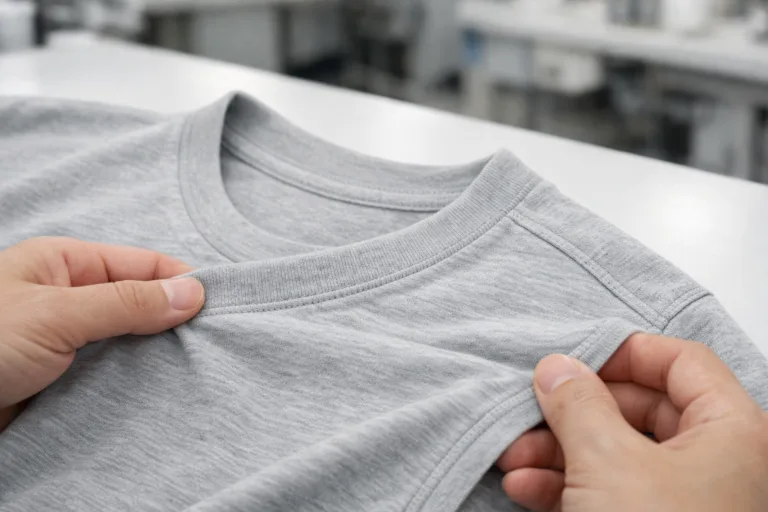
Introduction: Why T-Shirt Costing Matters
T-shirt costing, production expenses, and overall price structure are at the heart of the apparel business, whether you’re a small startup or a global brand. Understanding where every dollar goes—from the stitches in the fabric to the dollars spent on marketing—can be the make-or-break for profits and transparency. This article offers a crystal-clear, step-by-step breakdown of the true costs behind a basic T-shirt, so you can make smarter production choices, build better pricing strategies, and avoid costly mistakes.
T-Shirt Costing, Production Expenses: An Overview
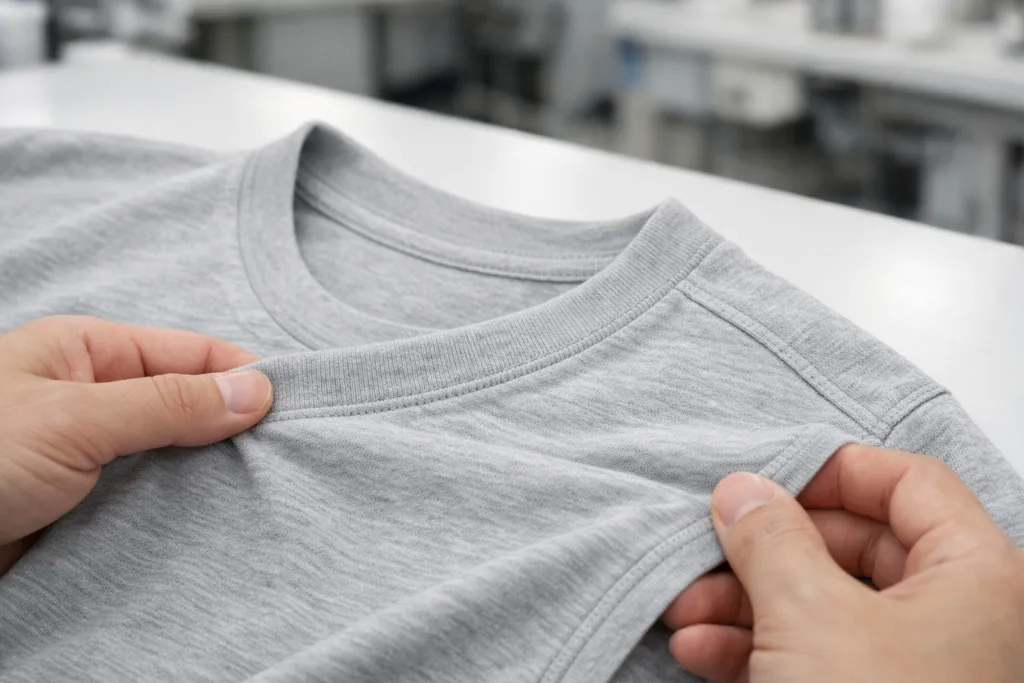
Before diving into the four main components—fabric, labor, overhead, and margin—let’s cover the basics. T-shirt costing means calculating all the expenses required to make one shirt. Production expenses refer to every financial input in the process, from sourcing raw materials to shipping the final product. When calculated correctly, you achieve competitive pricing, healthy profits, and minimized surprises along the supply chain.
Fabric Cost: The Foundation of T-Shirt Pricing
The largest slice of most T-shirt costs is almost always fabric. Fabric expense can range from $0.50 for basic commodity cotton to $2.00 or more for specialty knits, blends, or sustainable choices. The price depends on:
- Quality and fiber content (organic, recycled, Pima, etc.)
- Yarn size and density
- Sourcing region (domestic vs. imported)
- Minimum order quantities (MOQ)
Higher-quality fabrics cost more but may reduce returns or boost perceived value. To get a precise number, calculate fabric yield per shirt style, then multiply by your chosen price per yard or meter.
Breakdown of a T-Shirt Cost: Fabric, Labor, Overhead, Margin
Let’s visualize a typical cost structure for a plain, mass-produced T-shirt:
| Cost Category | Example Cost (USD) | % of Total |
|---|---|---|
| Fabric | $1.00 | 35% |
| Labor | $0.80 | 28% |
| Overhead | $0.60 | 21% |
| Profit Margin | $0.45 | 16% |
| Total | $2.85 | 100% |
The Impact of Fabric Choices and Sourcing
Fabric isn’t just a line item—it influences feel, durability, washability, shrinkage, and your brand story. Sourcing organic or sustainable materials may cost more but carries eco-appeal. Sourcing from faraway mills (e.g., in China, India, or Turkey) might lower unit price but increase shipping, delays, or complexity. For tight budgets, choosing the right supply chain model such as CMT or FPP pricing makes a crucial difference.
Labor Cost: Sewing, Assembly, and More
Next comes labor—the cost to cut, stitch, finish, and pack each shirt. Rates can range from $0.15 (highly automated factories abroad) to several dollars for domestic, small-batch, or ethically certified workshops. Factors affecting labor cost include:
- Manufacturing location (wages, social compliance)
- Garment complexity (basic vs. fashionable designs)
- Order size (economies of scale)
Manual operations add to cost, while bulk orders and streamlined tech help reduce it. Apparel Wiki notes that clear factory costing agreements (such as FOB, CMT, FPP) are vital for cost predictability.
How Location Influences Labor Cost
Labor is often cheapest in countries with established apparel industries but lower living costs (e.g., Bangladesh, Vietnam, India). U.S., European, or Japanese sewing commands much higher rates due to wage protections and regulations. When calculating your T-shirt costing, production expenses must factor in not just wages but also travel costs, taxes, and time zone coordination if sourcing globally.
Overhead Expenses: The Hidden Cost Centers
Overhead gathers the expenses not tied directly to fabric or labor, but without which you can’t operate. Overhead typically includes:
- Factory rent and utilities (water, power, etc.)
- Equipment maintenance
- Management salaries
- Office and admin costs
- Quality control/inspection
- Insurance and compliance fees
Overhead sometimes surprises new brands, as it keeps ticking even when orders slow. That makes strong financial tracking and accurate BOM (Bill of Materials) alignment with your costing sheet critical for sustainable operations.
Key Overhead Categories Explained
Rent and utilities fluctuate by location and factory size, but so can quality assurance costs; higher standards require more checks. Marketing and sales costs (tradeshows, packaging, sample runs) are essential business overheads too, especially as you scale from prototype to full production. Self-owned factories might invest more upfront but lower long-term rent/utility costs.
Profit Margin: What’s Enough for Sustainability?
Profit margin is what’s left after subtracting fabric, labor, and overhead—your true earnings per unit. Brands often aim for pre-tax margins between 10% and 20% on bulk goods. Lower than 10% leaves little room for error, especially when facing the real-world cost swings in exchange rates, raw materials, or freight.
How to Set a Realistic Profit Margin
Set margin goals based on target market, brand positioning, and risk tolerance. Basic commodity T-shirts might have slim margins, while limited-edition or fashion-forward items can command more. Always account for possible returns, markdowns, and delayed payments. Apparel Wiki recommends periodically reviewing real-world costing sheets to benchmark margins against industry standards and competitor pricing.
T-Shirt Cost Calculation Example (Made Simple)
Let’s say you’re producing 5,000 basic white tees:
- Fabric: $1.10/shirt
- Labor: $0.75/shirt
- Overhead: $0.55/shirt
- Total cost (before margin): $2.40/shirt
- Add 20% margin: $0.48
- Final price: $2.88 per shirt
At higher volumes, you might negotiate lower rates or improve efficiency, but beware of cutting too many corners, which could backfire in quality or public perception.
Common Mistakes in Calculating T-Shirt Production Expenses
- Underestimating minimums or setup charges for lot production
- Missing hidden shipping, customs, or tax costs
- Omitting sample runs from overall budget
- Overlooking BOM errors that impact ideal material usage
- Forgetting to adjust rates as order sizes change
Essential Tools for Accurate Costing
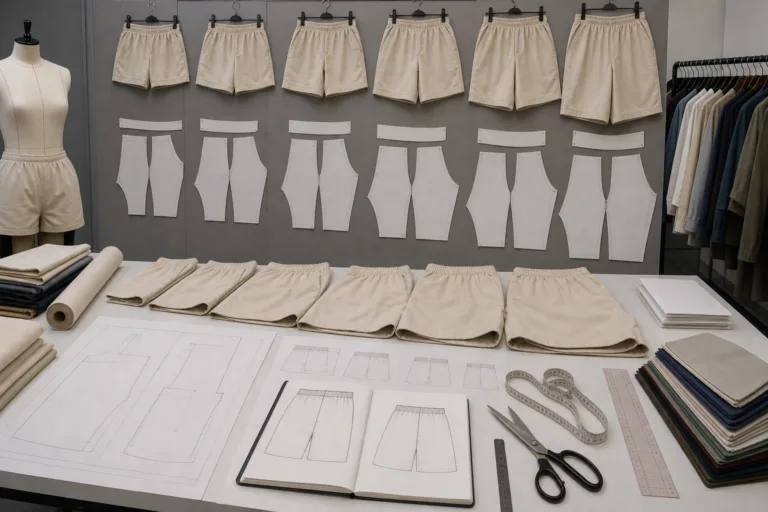
Reliable costing starts with detailed specs and well-maintained Bills of Materials (BOMs). Many brands now use cloud-based BOM software tools to cut errors and speed up pricing. Small miscalculations in thread, packaging, or colorways can instantly erode your margin—using digital tools and double-checking with your factory partners is key.
How Garment Complexity Affects Cost
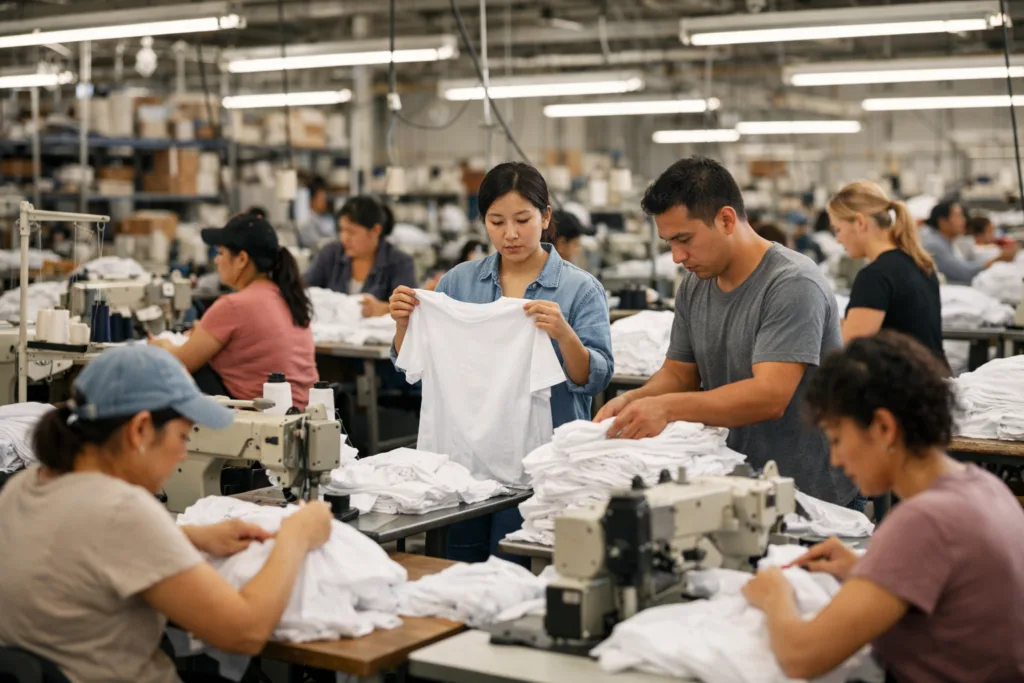
A plain crewneck costs far less to produce than a tee with custom trims, graphics, or unique packaging. Complexity raises fabric wastage, labor steps, and potentially overhead (more QC, longer line times). These must be factored into your costing, not just base materials and sewing hours.
The Role of Trims, Printing, and Labels in T-Shirt Costing
Trims (like neck labels, washing instructions, branded patches) and processes (screen printing, embroidery, digital direct-to-garment printing) add to both material and operational expenses. Sometimes the tiniest details—like specialty buttons or foil print—can tip the whole bill. Always request a breakdown from your suppliers and test how these extras affect unit price and profit.
Pitfalls of Overlooking Packaging and Shipping
Include not just the carton cost or poly bag, but also inner packing, stickers, and even hangtags. Don’t forget to estimate outbound and inbound freight, especially as fuel and port rates fluctuate. Apparel Wiki’s product resource Fabric Converters · Costing & Pricing · Size & Fit · Packaging & Shipping · Production & QC can help you identify missing cost components and plan smarter shipments.
Pricing Strategies: FOB, CMT, and FPP Explored
Fashion production often works with three common pricing strategies:
- FOB (Free on Board): Supplier covers all costs until the goods reach the port of shipment.
- CMT (Cut, Make, Trim): You supply main materials, factory charges only for labor, trims, and overhead.
- FPP (Full Package Production): Factory handles everything end-to-end for a bundled price.
Select the method that fits your experience, scale, and supply chain control. Many established brands refine strategies based on country, fabric, and order cycle.
How Exchange Rates and Global Trends Impact T-Shirt Costing
Global fluctuations in currency, raw materials, or demand patterns can swing your costs up or down—even mid-season. Building in a small buffer or regularly renegotiating supply contracts can safeguard your margin.
Why Accurate Bills of Materials (BOMs) Are Crucial
A missing trim, incorrect color spec, or overlooked process in your BOM can lead to costly shortages, delays, or rework. Always cross-check your material specs and confirm with manufacturing partners before bulk production. Learn from industry cases like those detailed in the article on common BOM errors that lead to material shortages for practical prevention tips.
Quality Control and Waste: The Hidden Multipliers
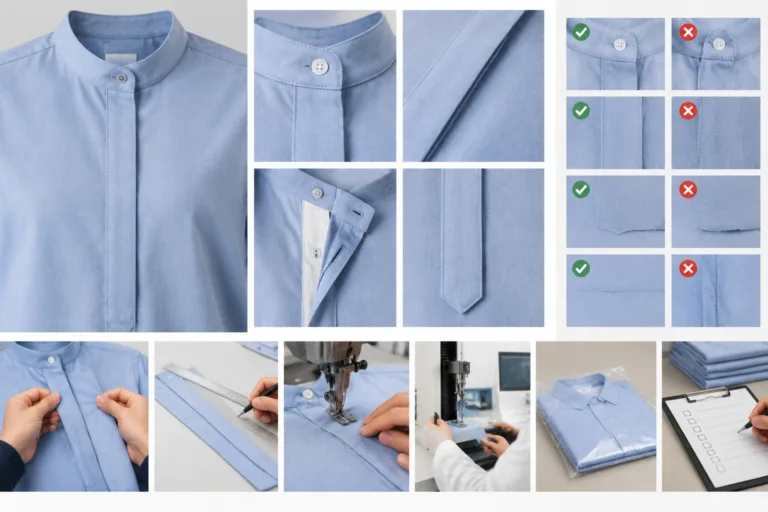
Poor quality control or an inefficient cut plan leads to high wastage—which adds up quickly in mass production. Invest time in upfront sample reviews and tolerance checks to reduce scrap and claims later. Sometimes, paying a bit more for higher-quality labor or fabric reduces issues and returns down the road.
Real-Life Scenario: Startup vs. Established Brand Costing
Imagine a start-up ordering 100 shirts, vs. a large brand producing 100,000 units. The startup faces higher fabric fees, labor minimums, and steeper overhead per piece; mistakes carry a bigger risk. Larger brands benefit from volume discounts but risk more if a BOM error slips through. That’s why both need robust costing sheets, no matter the business size.
How to Review and Update Costs Regularly
Markets, suppliers, and customer expectations shift like clockwork. Schedule regular costing reviews—quarterly or per season—with stakeholders. This ensures you don’t get blindsided by rising labor, new compliance fees, or shifts in fabric pricing.
Balancing Quality, Price, and Margin for Success
The cheapest shirt isn’t always the winner; instead, the smartest brand balances cost, quality, and margin. Test how different materials or production partners impact total cost, and use those insights to fine-tune your future strategies. Always remember—transparency and planning trump guessing.
Conclusion: Smarter Costing for Long-Term Success

Costing a T-shirt isn’t guesswork—it’s a practical, number-driven process that touches every part of production and pricing. By breaking down expenses into fabric, labor, overhead, and margin, you empower your business to price confidently, communicate with partners transparently, and weather industry fluctuations with greater resilience. Use the outlined strategies, anticipate variables, and you’ll build a sustainable apparel business that stands up to changing markets and consumer demand.
Frequently Asked Questions
What is the biggest factor influencing T-shirt cost?
Fabric is usually the largest cost component, especially for standard mass-market T-shirts. Higher fabric quality or sustainable sourcing can raise the overall cost per shirt.
How can I lower my T-shirt production expenses without sacrificing quality?
Negotiate bulk orders, streamline your Bill of Materials, and work with reliable manufacturers. Avoid shortcuts that compromise fit or durability, as these hurt long-term profits.
Why do labor costs vary so much between factories?
Labor costs depend on region, local wage laws, factory automation, and production volume. Ethical and domestic producers usually have higher labor rates but offer improved compliance and traceability.
How often should I review my T-shirt costing?
Review costs seasonally or with each new production run, especially when raw material prices, wage rates, or overhead expenses shift. This keeps your pricing accurate and competitive.
What overhead expenses are unique to apparel manufacturing?
In addition to rent and utilities, apparel businesses face costs for quality control, compliance audits, and marketing-specific expenses like sample making and size set reviews.
How does order quantity impact T-shirt costing?
Larger order quantities often reduce material and labor costs per unit due to economies of scale but require more working capital and smaller margins for error in specs.
Related Reading
- CMT vs. FPP: Which Pricing Model Makes Sense for Your Brand?
- 11 Steps to Calculating Realistic FOB Prices for Garments
- 7 BOM Mistakes That Can Trigger Material Shortages—And How to Avoid Them
- How BOM and Costing Sheet Alignment Maximizes Apparel Profits
- A Step-by-Step Guide to Creating a Garment BOM Without Stress
- Boost BOM Accuracy and Cut Costs with These 7 Software Tools for Small Brands