Introduction: Why Hang Tag Design Matters
Effective hang tag design is more than a branding accessory—it’s a vital communication bridge between your product and your customer. Whether for apparel, accessories, or home goods, the hang tag is often the first touchpoint that tells your product’s story, shares critical details, and reassures buyers they’re making the right choice. Yet, with limited space and high expectations, knowing exactly what information to include—and how to present it—is key to maximizing impact and compliance.
Core Elements of Exceptional Hang Tag Design
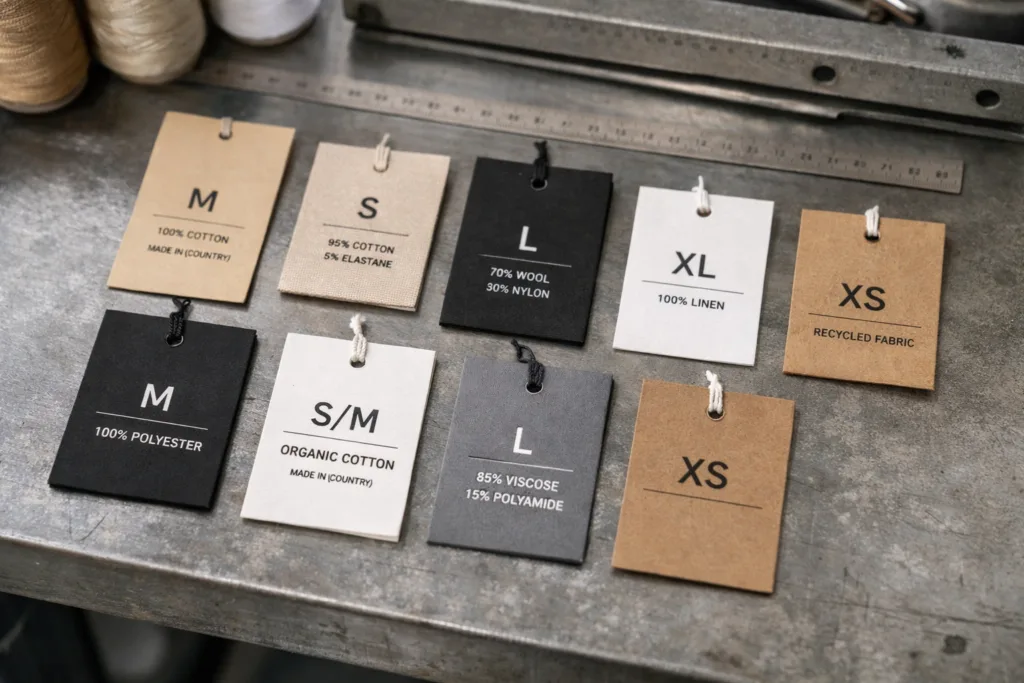
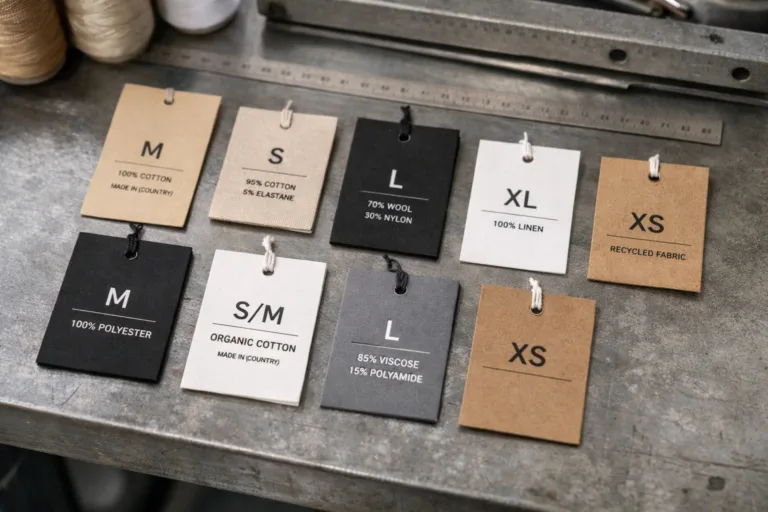
Every hang tag should balance attractive design with essential information. The most effective hang tags feature:
- Brand Name & Logo: Clear, prominent, and on-message
- Product Name/Style: Specific and consistent with your catalog
- Key Product Information: Size, color, material, and origin
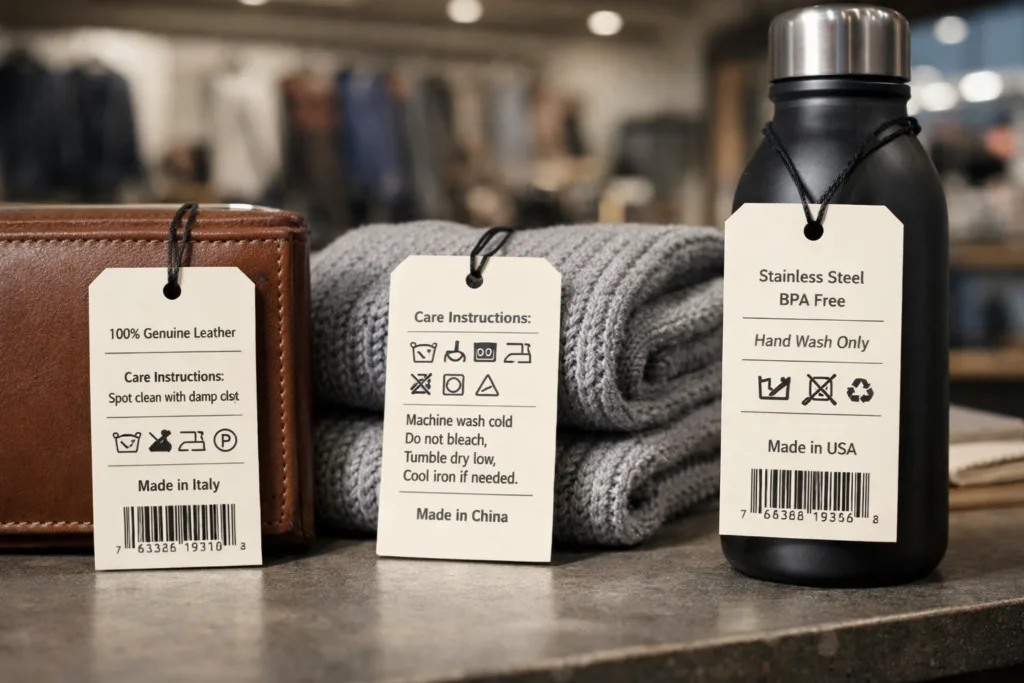
- Care Instructions: Simple, universal symbols or concise text
- Legal & Compliance Info: Fulfilling all requirements per region
- Contact/Website Details: Fostering trust and repeat engagement
Branding on Hang Tags: Building Trust and Identity
Your hang tag crystallizes your brand’s voice at the point of sale. Using consistent colors, logo placement, and typography not only reinforces recognition but signals professionalism. As noted in previous Apparel Wiki guides, alignment between main label design and hang tag design increases consumer trust and recall.
What Product Information Should You Include?
It might seem obvious, but omitting key product facts is a common misstep. Ensure your hang tag includes:
- Product Title or Style Number: To connect tag to inventory and sales systems
- Color & Size: Avoids confusion, especially when products come in multiple colorways (learn more about listing colorways accurately).
- Material/Fabric Content: Crucial for informed purchasing, allergies, and care
- Origin/Manufacture Location: Transparency builds trust and fulfills some import laws
- Price (optional): Retailers sometimes prefer tags without prices for flexibility
Why Material Content Matters on Hang Tags
Detailing fabric blends or primary materials isn’t just a compliance issue. Buyers increasingly check tags for “100% cotton,” “organic wool,” or other eco-friendly cues to drive purchase decisions.
Legal and Compliance Requirements for Hang Tags
Compliance isn’t negotiable. Depending on your market—US, UK, EU, or elsewhere—laws may require:
- Fiber content percentages (e.g., “90% polyester, 10% spandex”)
- Country of origin (“Made in Italy”)
- Importer/manufacturer’s details
- Language regulations
Reference the Essential Guide to Care Label Laws for region-specific legal requirements.
Care Instructions: Supporting Longevity and Sustainability
Clear care instructions boost product satisfaction and durability. Consider using visual symbols or simple instructions like “machine wash cold,” paired with fabric content for the best results.
Design Principles for Effective Hang Tags
Good hang tag design strikes a balance between informative content and visual appeal. Here are principles to keep in mind:
- Hierarchy: Most important details (brand, product info) stand out
- Legibility: Use contrast, crisp fonts, and uncluttered layouts
- Material Selection: Sturdy, attractive cardstock or specialty materials reinforce quality
- Eco-Friendly Options: Recycled or biodegradable tags add appeal for green-minded customers
Typography, Color, and Shape: Maximizing Readability
Choose fonts that are easy to read at arm’s length. High-contrast color palettes ensure visibility, while unique tag shapes can catch the eye but shouldn’t sacrifice content space.
Space Management and Visual Balance
Don’t overload your tag. White space ensures the reader isn’t overwhelmed. Utilize both sides of the tag to separate branding from technical information or legal details.
Enhancing Visual Impact: Hanging Mechanisms & Texture
The details of how a hang tag attaches can subtly influence perception—natural twine for eco-products, satin ribbons for luxury lines, or sturdy string for outdoor gear. Incorporate tactile finishes like embossing, foiling, or spot UV for a premium feel.
Interactive and Digital Hang Tag Elements
Apps and QR codes are increasingly popular, linking buyers directly to websites, care videos, or authenticity checks. The rise of digital fashion trends, as explored in creating virtual showrooms, shows how brands are extending physical tags into the digital experience.
Examples of Standout Hang Tag Designs
Let’s break down a few successful approaches from different industries:

- Outdoor Apparel: Durable, waterproof hang tags with icons for temperature resistance and care needs.
- Luxury Accessories: Minimalist design, heavy cardstock, gold foil branding, concise product info on reverse.
- Eco-Friendly Brands: Seed paper or recycled kraft tags, earth-tone palettes, visible eco-certifications.
- Childrenswear: Bright colors, clear size guides, and extra space for care and safety warnings.
Side-by-Side Comparison Table: Hang Tag Information by Industry
| Industry | Key Hang Tag Features | Information Prioritized | Design Traits |
|---|---|---|---|
| Fashion/Apparel | Branding, Material, Care | Fiber content, country of origin | Chic, clean, readable |
| Outdoor Gear | Technical Details | Functionality, durability symbols | Rugged, waterproof |
| Luxury Goods | Minimal branding | Craftsmanship, authenticity | Elegant, foil, emboss |
| Children’s Wear | Safety, Sizing | Age range, warnings | Bright, playful, large type |
Brand Storytelling on Hang Tags
For brands seeking connection, storytelling can be powerful. A simple message about craftsmanship, sustainability, or community support—kept brief and genuine—can transform an ordinary tag into an emotional touchpoint.
Promotional Elements: Loyalty and Social Proof
Including a discount code, invitation to join a brand community, or a brief testimonial can boost repeat engagement, provided the tag remains uncluttered.
Technical Considerations: Barcodes and Tracking
For retail, barcodes (UPC, EAN) are often essential. Position them on the reverse or in a designated area to avoid marring visual balance. Consider integrating inventory systems with hang tag data for workflow efficiency—a key tip echoed in Apparel Wiki’s costing and production tools section.
Environmental and Sustainability Calls-to-Action
Simple cues like “Please recycle this tag” or instructions for eco-disposal reinforce sustainable values and are increasingly expected by today’s consumers.
Common Hang Tag Design Mistakes to Avoid
- Overloading with information—reduces legibility
- Poor material choice—cheapens perception
- No compliance info—opens up legal risks
- Lack of branding consistency—confuses customers
- Neglecting care and handling details—hurts product longevity
Best Practices: Balancing Function and Creativity
Innovative hang tag design comes down to knowing your audience, meeting legal demands, and never sacrificing clarity for creativity. Comply with required standards, but don’t be afraid to add personality suited to your niche.
Hang Tag Design: Information to Include
To recap, the information you include on a hang tag typically covers:
- Brand name & logo
- Product identification (name, style, SKU)
- Color, size, material/fabric content
- Country of origin
- Care instructions (concise and clear)
- Legal/compliance info specific to your sales region
- Barcodes and tracking, when appropriate
- Contact, website, or promotional elements as space allows
Each aspect should be thoughtfully arranged for clarity, impact, and compliance. When designing, refer to real industry standards and avoid overcluttering—think of your hang tag as a handshake between your brand and the buyer.
Conclusion: Elevating Product Value with Smart Hang Tag Design
Good hang tag design isn’t just aesthetic—it’s functional, legal, and strategic. By prioritizing vital product information, compliance, clarity, and creative touches, your hang tags can boost sales, foster brand trust, and enhance the unboxing experience. Stay updated on labeling regulations, know your audience, and don’t underestimate the subtle power of a small piece of cardstock to connect, inform, and delight.
Frequently Asked Questions
What is the most important information to include on a hang tag?
The essentials are your brand name, product identification, material/fabric content, care instructions, and compliance details with local labeling laws.
Why do hang tags need care instructions and legal info?
Care instructions help buyers maintain the product’s quality, and legal information is often required by regional laws to protect consumers and ensure compliance.
Can you add QR codes or digital elements to hang tags?
Yes, QR codes or NFC chips are allowed and can link customers to guides, authentication sites, or digital experiences for added value.
How do you choose hang tag materials and finishes?
Consider your brand image and target audience—eco-conscious brands might use recycled paper, while luxury brands might select heavy cardstock with foil or embossing.
Should the hang tag include a product’s price?
This is optional. Many brands leave off the price for flexibility, especially if products are sold through various retailers or regions.
What legal requirements affect hang tag design?
Regional laws often require fiber content, country of origin, and sometimes care instructions and manufacturer/importer details. Always check for updates specific to your market.
Related Reading
- Choosing Main Label Folds for Standout Product Branding
- Simple Steps to Master Care Label Laws for Any Market
- Ensure Color Consistency: Practical Guide to Listing Colorways
- All-in-One Apparel Manufacturing Tools for Compliance & Costing
- Avoid Mistakes When Sourcing Trims and Labels for Your BOM
- Prevent Costly Errors with Better Packaging Material Specs