Introduction: Mastering Production Planning for Re-Orders and Replenishment
Production planning for re-orders and replenishment is crucial for any metal products manufacturer seeking operational efficiency, cost control, and competitive advantage. In an industry where demand can fluctuate unexpectedly, successful production planning not only secures product availability but also builds customer trust. This guide unpacks proven strategies for forecasting, inventory management, and supply chain optimization to help you reduce lead times, avoid costly stockouts, and integrate automated solutions that empower your re-ordering process.
The Role of Production Planning in Metal Products
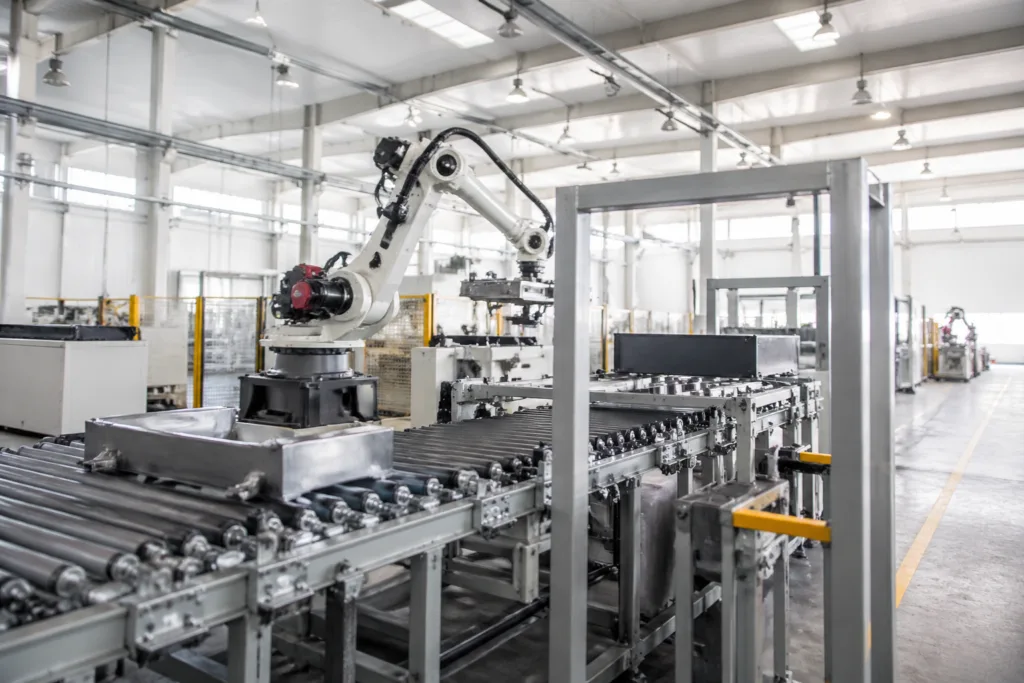
Production planning forms the backbone of manufacturing success—especially when dealing with metal products. Unlike apparel or other consumables, metal items often require precise lead times, tight cost controls, and close integration between engineering, procurement, and logistics. A well-crafted plan ensures that the re-order frequency matches actual market demand, minimizing surplus and shortages.
Why Re-Orders & Replenishment Matter for Metal Manufacturing
In metal manufacturing, stockouts can disrupt supply chains and damage customer relationships. Equally, over-ordering increases holding costs and ties up working capital. Efficient re-order and replenishment systems optimize these variables, ensuring timely product delivery and sustainable growth.
Understanding Demand Forecasting for Re-Orders
Demand forecasting is the first step in any successful production planning for re-orders and replenishment. By leveraging historical sales data, market trends, and seasonality, manufacturers can anticipate future demand more accurately. This not only reduces risk but also guides procurement, staffing, and equipment allocation.
Modern Demand Forecasting Techniques
- Time-series analysis for recurring patterns
- Trend spotting via market intelligence
- Customer order tracking and predictive analytics
- Seasonal adjustment using historical peaks
Common Pitfalls in Forecasting Metal Products
Some manufacturers miss critical data points, such as sudden surges due to large project wins or regulatory changes affecting metal types. Apparel Wiki recommends structuring your demand forecasts to flag anomalies and incorporating buffer time to safeguard against these swings. For more on managing project delays, see strategies to handle production delays.
Inventory Management Fundamentals for Metal Products
Inventory management is about striking a balance between too much and too little. Metal products often come with high procurement costs, so precision is vital. Automated systems can help track raw metals, work-in-progress components, and finished goods, giving real-time visibility throughout the supply chain.
Key Inventory Management Metrics
- Stock turnover ratios
- Cycle counting accuracy
- Order fill rates
- Dead stock identification
Tools for Effective Inventory Control
Barcodes and UPCs, as discussed in retail inventory strategies, are critical for tracking stock movements. RFID tags further enhance inventory visibility, reducing manual effort and shrinkage risk.
Replenishment Strategies That Drive Efficiency
Replenishment strategies determine when and how much to reorder. The right approach allows manufacturers to minimize holding costs, reduce lead times, and avoid stockouts—especially important for custom or niche metal products.
Choosing the Right Replenishment Method
- Periodic review systems (reordering at set intervals)
- Continuous monitoring systems (triggered automatically by stock levels)
- Just-in-time replenishment
- Vendor Managed Inventory (VMI)
Best Practice: Integrate Automated Replenishment
Automated systems can analyze real-time sales and inventory data to prompt re-orders. This minimizes human error, speeds up response times, and ensures you adapt quickly to market fluctuations.
Supply Chain Optimization for Faster Replenishment
Optimizing your supply chain is essential for reducing lead times and boosting operational efficiency. Metal product supply chains are intricate—often spanning multiple countries, vendors, and modes of transportation.
Reducing Lead Times
- Strategic sourcing of raw metals
- Streamlined logistics partnerships
- Clear critical path analysis
- Effective coordination with overseas partners
Visibility and Tracking Tools
Digital solutions, including cloud-based ERP platforms and integrated project management tools like those covered in project management for fashion brands, centralize production updates. They help teams track orders and shipments, identify bottlenecks, and improve overall coordination.
Production Planning for Re-Orders and Replenishment
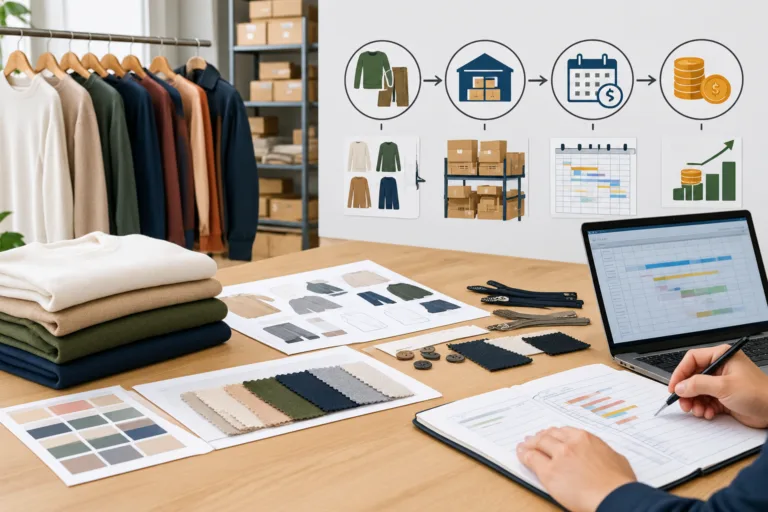
Effective production planning for re-orders and replenishment is a holistic process: it connects demand forecasting, inventory management, and supply chain optimization. Start by mapping out your production calendar—incorporate historical trends, anticipated demand spikes, and buffer zones for unexpected events. Next, establish automated re-order triggers based on real-time inventory data, which cuts manual intervention and accelerates replenishment.
Integrating Automated Systems
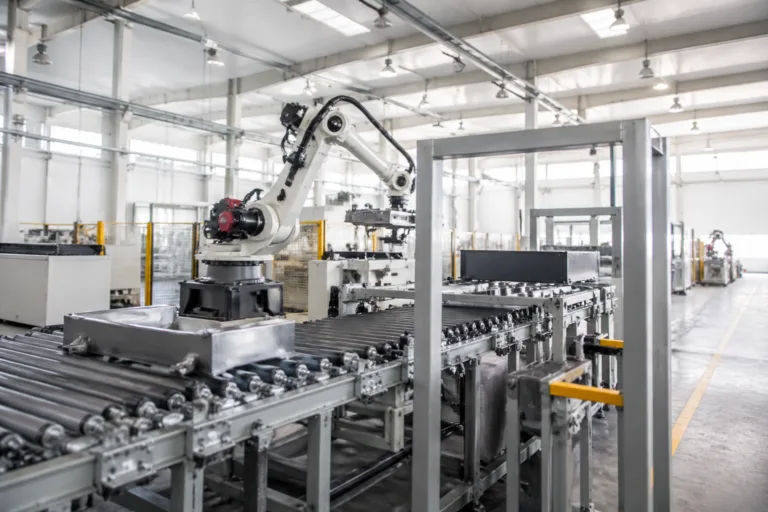
Automation makes it easier to handle re-orders. Use software that monitors inventory levels and places orders when thresholds are reached. This can be enhanced by 3D design tools, like those detailed in integrating 3D design into manufacturing, to streamline production planning and ensure accurate inventory forecasts.
Cost Control Strategies in Metal Manufacturing
Keeping costs low without sacrificing quality is the cornerstone of sustainable manufacturing. Smart planning, as outlined by Apparel Wiki, involves analyzing production schedules, optimizing lot sizes, and managing minimum order quantities. For metal products, focus on minimizing machine downtime and efficiently allocating labor and resources.
Hidden Cost Factors
Costs in metal manufacturing extend beyond raw materials—transportation, insurance, duty, and buffer stock add up quickly. Advisories in hidden costs in apparel manufacturing apply equally to metal sectors.
Lead Time Management and Timeline Coordination
Lead time is often unpredictable—especially when working with international suppliers or complex supply chains. Building in buffer time, as discussed in buffer time for project management, is a proven way to prevent cascading delays.
Fast Fashion vs. Slow Production: Timeline Lessons
While the apparel industry debates fast versus slow fashion timelines, metal manufacturers face similar trade-offs between speed and stability. Understanding how to pace your production cycles ensures timely fulfillment of re-orders without sacrificing quality or margin.
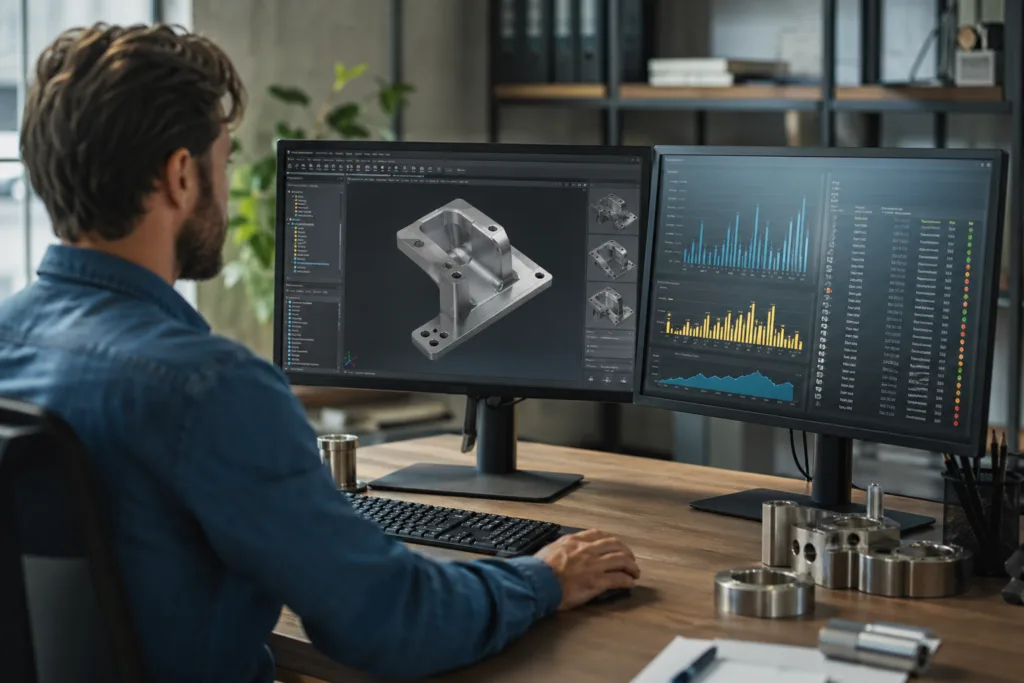
Integrating 3D Design and CAD for Metal Products
Digital 3D design tools bring efficiency to production planning. They allow you to visualize metal products before committing to full-scale production, reducing waste and optimizing workflow. This approach also streamlines BOM creation and enables more accurate material forecasts.
Benefits of Digital Workflows
- Faster design iterations
- Reduced sampling waste
- Improved inventory accuracy
- Enhanced coordination across teams
Bill of Materials (BOM) Accuracy: Preventing Shortages
A well-structured BOM is essential for error-free production planning. Material shortages often stem from BOM mistakes—missed colorways or incorrect quantities. Regular audits and digital BOM management reduce these risks. See tips in common BOM errors leading to shortages.
Minimum Order Quantity (MOQ) and Pricing Implications
Setting the right MOQ impacts pricing, profitability, and replenishment cycles. Low MOQs allow flexible re-ordering but may raise unit costs; high MOQs lower price per unit but tie up cash flow and increase stock risk. Apparel Wiki provides additional guidance on how MOQ shapes metal product pricing.
Quality Control in the Replenishment Process
Maintaining product quality is critical—especially when scaling up re-orders. Establish robust QC checkpoints during manufacturing, receiving, and shipment. Digital tracking tools and clear labeling enhance traceability and reduce returns.
QC Integration in Metal Manufacturing
- In-line inspections
- Automated defect detection
- Consistent labeling practices
- Audit trails of materials and finishes
Environmental and Sustainability Considerations
Sustainability is increasingly important in production planning. For metal products, consider eco-labeling, upcycling, and energy-efficient manufacturing. Guidance on upcycling in mass production for metal products can reduce waste and enhance brand reputation.
Coordinating with Overseas Suppliers and Managing Time Zones
International suppliers can complicate production timelines. Efficient coordination across time zones is vital to avoid missed deadlines and miscommunication. For practical tips, explore time zone coordination strategies.
Using Modern Project Management Tools
Digital project management platforms like Trello and Asana help manufacturers stay organized, visualize production schedules, track progress, and communicate efficiently. For metal product teams managing re-orders and replenishment, these tools enable real-time updates and collaborative problem-solving.
Streamlined Logistics and Shipping for Replenishment
Efficient logistics are essential for on-time delivery of metal products, whether for local or international clients. Choose carriers that offer real-time tracking and flexible shipment options. Optimize packaging and consolidate shipments to lower costs and minimize delays.
Integrating Sustainability into Production Planning
Embedding sustainability from the start helps manufacturers meet regulatory requirements and market expectations. Consider implementing eco-design certifications, minimalist construction techniques, and mono-material approaches for easier recycling.
Practical Case Study: Metal Products Replenishment
A medium-sized metal label manufacturer recently adopted automated re-order triggers, integrated 3D CAD planning, and improved their BOM management. This combination led to a 15% reduction in lead times and halved inventory holding costs. Their coordination with suppliers improved, resulting in faster turnaround and fewer stockouts. The lessons apply across the industry: modern tools, robust planning, and smart replenishment are game-changers.
Conclusion: Achieving Precision in Production Planning for Re-Orders and Replenishment
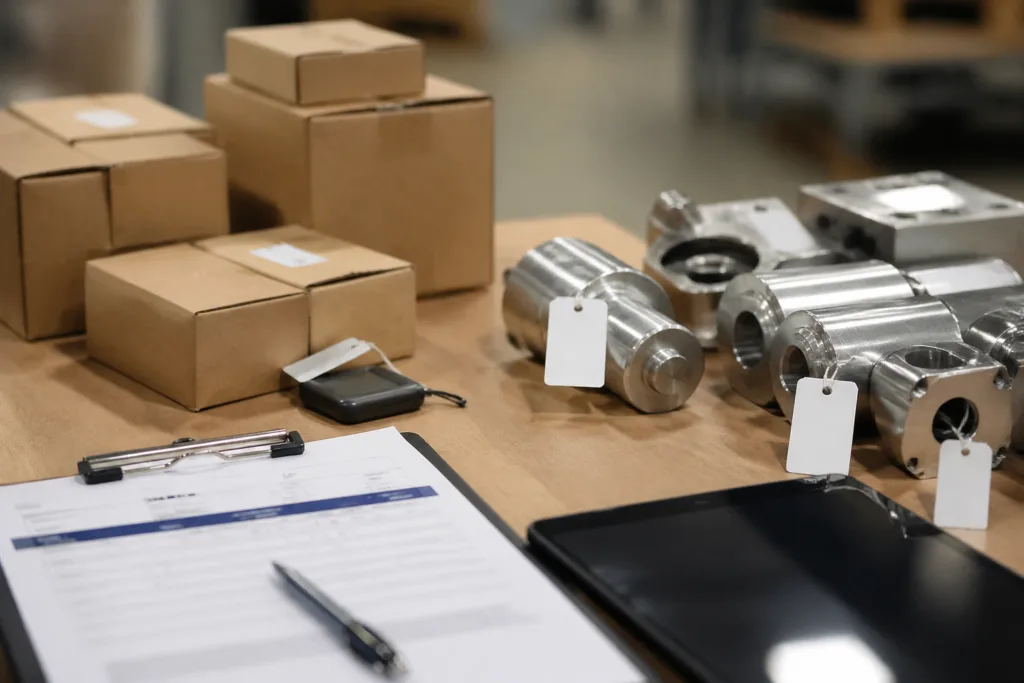
Production planning for re-orders and replenishment in the metal products sector hinges on accurate demand forecasting, tight inventory control, and streamlined supply chains. Adopting automated systems and digital management tools simplifies these processes, enabling manufacturers to adapt quickly and efficiently. Practical strategies—from integrating 3D design to implementing buffer zones—drive cost savings, reduce lead times, and deliver consistently high-quality products. With these insights, manufacturers are well-positioned to navigate dynamic markets and secure long-term success.
Frequently Asked Questions
What is the most accurate way to forecast demand for metal products?
Combining historical sales data with market insights and seasonality analysis yields the most reliable forecast. Automated tools and predictive analytics help identify trends faster.
How can automated replenishment systems reduce errors?
Automated systems monitor inventory in real time and trigger orders when stock dips below thresholds, minimizing manual data entry and ensuring consistent product availability.
What tools help optimize supply chains for metal product replenishment?
Cloud-based ERP platforms, digital project management software, and logistics tracking tools enhance supply chain visibility and streamline coordination across teams and partners.
Why is BOM accuracy critical for re-orders?
BOM errors often cause material shortages or surplus, which disrupt production cycles. Accurate BOMs ensure proper material allocation and smooth replenishment processes.
How does MOQ affect metal product pricing?
Lower MOQs offer flexibility but may increase unit costs, while higher MOQs reduce cost per item but can lead to excess inventory and tied-up capital.
What sustainability strategies can improve production planning?
Upcycling, eco-labeling, energy-efficient manufacturing, and minimalist construction reduce environmental impact and add value to your products and brand.
Related Reading
- Retool Your Inventory: 13 Barcode & UPC Tips to Revolutionize Metal Product Management
- 10 Proven Ways 3D Design Integration Streamlines Metal Manufacturing Workflows
- Prevent Costly Production Interruptions: 7 BOM Mistakes and How to Avoid Shortages
- Safeguard Your Supply Chain With 8 Strategies For Managing Production Delays
- Unlock Upcycling: How Mass Production of Metal Products Can Drive Sustainability
- Optimize Your Sourcing: 7 Insights on MOQ and Unit Price for Metal Products