Introduction to Cotton 101: Pima, Egyptian, and Upland Varieties
Cotton remains one of the world’s most important natural fibers, touching everything from everyday t-shirts to luxury bedding. In Cotton 101: Pima, Egyptian, and Upland Varieties, we break down the qualities, uses, and true value of the three most popular cotton types. If you’re seeking cotton that aligns with comfort, durability, or price, understanding their unique traits is essential for fashion professionals, designers, and textile buyers alike.
The Three Major Cotton Varieties Explained
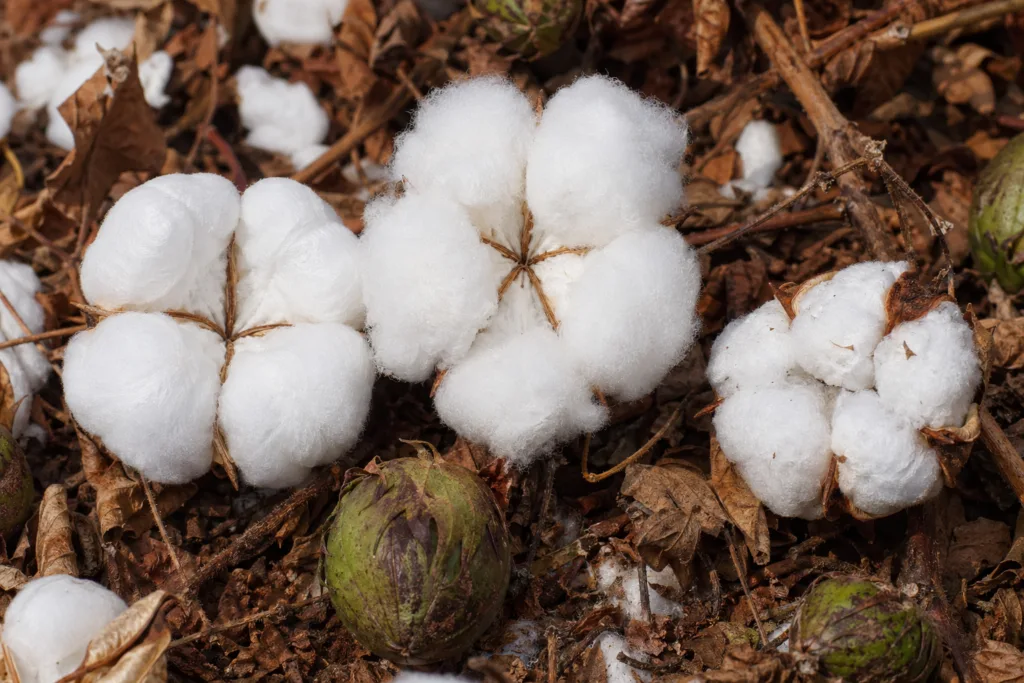
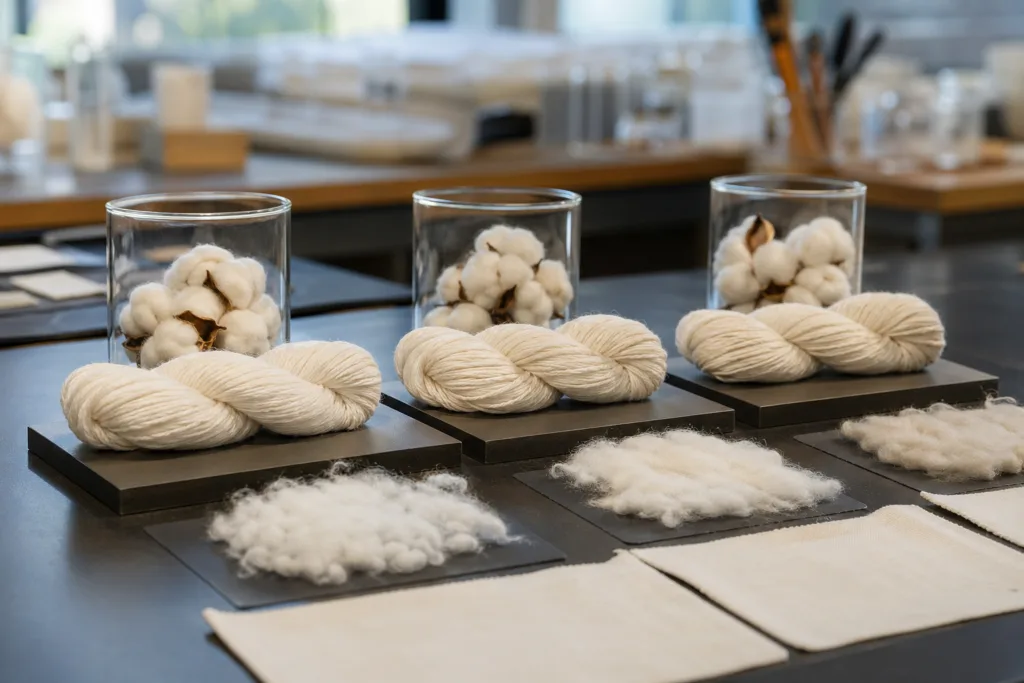
Cotton is more than a single crop; it’s a diverse family of fibers with traits shaped by species, region, and production methods. The three most commonly discussed types—Pima, Egyptian, and Upland—represent distinct strengths that influence everything from fabric texture to cost structure.
What Is Pima Cotton?
Pima cotton is a premium, extra-long staple (ELS) cotton known for its exceptional softness and strength. Grown primarily in the southwestern United States, Australia, and Peru, it is highly valued for high-end apparel and luxury home textiles. Its extra-long fibers produce smoother, stronger yarns, resulting in less pilling and a silkier hand feel.
Understanding Egyptian Cotton
Egyptian cotton is synonymous with luxury. Sourced mainly from Egypt’s Nile River Valley, this ELS cotton variety is renowned for its ultra-fine, strong fibers and superior breathability. Genuine Egyptian cotton can be identified by certifications, and it’s often reserved for upscale bedding, towels, and fine shirts due to its plush texture and moisture-wicking properties.
The Versatility of Upland Cotton
Upland cotton, also known as Gossypium hirsutum, dominates the global cotton market—accounting for roughly 90% of all production. Grown worldwide, from the United States to Central Asia and China, Upland cotton is prized for its balanced qualities and affordability. It’s commonly found in denim, t-shirts, and various every-day textiles, striking a practical balance between comfort and cost.
Origins and Cultivation Regions of Each Variety
Where cotton is grown shapes its fiber properties. Here’s a closer look at each variety’s geographic heartlands and why location matters for quality and supply:
| Variety | Primary Growing Regions | Typical Climate |
|---|---|---|
| Pima | U.S. (California, Arizona, Texas), Peru, Australia | Warm, arid, long frost-free seasons |
| Egyptian | Nile Delta, Upper Egypt | Hot, stable, well-irrigated fields |
| Upland | U.S. Southeast, China, India, Central Asia | Diverse: from semi-arid to humid subtropical |
Growth and Harvest Methods: How They Differ
Field practices and harvest techniques can affect both quality and price. Pima and Egyptian cotton are often hand-picked to protect their longer fibers, ensuring fewer impurities and breakages. Upland cotton, on the other hand, is typically machine-picked, making it more cost-effective to produce on a large scale but with a higher likelihood of short fibers or foreign materials.
Processing and Spinning: From Fiber to Yarn
After harvest, the raw cotton moves through ginning (removal of seeds) and is then spun into yarns. Extra-long staple varieties like Pima and Egyptian are processed more gently to maintain their fiber integrity. The resulting yarns are finer, more uniform, and have fewer exposed ends, which is why high-thread-count sheets feel so silky. Upland cotton, with shorter fibers, can create a bit hairier and less uniform yarn, suitable for every-day, durable fabrics.
Cotton Quality Factors: Softness, Strength, and Beyond
Cotton quality goes beyond just “type.” It’s determined by fiber length (staple), fineness, strength, and color. Both Pima and Egyptian cotton score high in all areas, whereas Upland’s main advantage lies in its accessibility and cost. Longer staple means fewer fiber ends, translating to smoother, softer fabrics less prone to pilling and breakage.
Softness Showdown: Pima vs. Egyptian vs. Upland
Softness is often the first trait people notice in cotton. Pima and Egyptian cotton have a distinct edge thanks to their finer, longer staples, offering a gentle glide across the skin. Upland cotton remains relatively soft—especially after modern finishing—but doesn’t quite match the luxurious touch of its ELS counterparts.
Durability: Which Cotton Lasts the Longest?
Durability makes or breaks a textile investment. Here, the length and strength of the cotton fiber count. Both Pima and Egyptian cottons tend to outlast regular Upland cottons due to their dense, long fibers that allow for tighter, stronger weaves. However, some high-quality Upland cottons, when managed properly, can give ELS types a run for their money at a significantly lower cost.
Color and Dye Affinity
Fabrics made from Pima and Egyptian cotton generally hold dye better, enabling rich, consistent colors even after repeated washes. Upland cotton performs well in this category but may experience more fading over time, especially if heavily laundered or exposed to intense sunlight.
Pilling and Wear: What to Expect
Pilling—those pesky little fabric balls—occur when short fibers break free. Because Pima and Egyptian cotton have longer fibers with fewer ends, they display significantly less pilling than Upland cotton fabrics. For products washed frequently (like bedding or tees), this is a crucial decision factor.
Cotton Varieties and Their Cost Structure
Cost differences are largely a product of farming methods, labor, and fiber rarity. Egyptian and Pima cotton command higher prices due to limited production, hand-harvesting, and superior properties. Upland cotton, the backbone of affordable fashion and home textiles, is accessible in large volumes thanks to large-scale, mechanized farming and its adaptable growth cycle. Understanding this spectrum makes it easier to budget and position cotton textiles for intended markets.
End-Use Applications by Variety
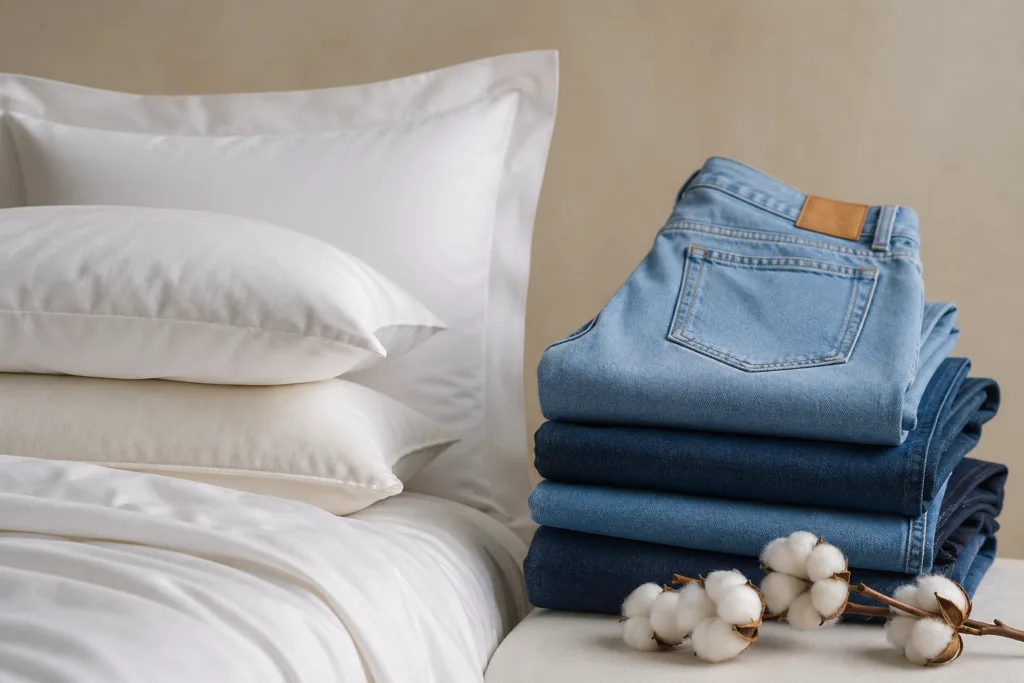
Pima cotton is favored for premium t-shirts, sleepwear, and high-end casuals. Egyptian cotton dominates luxury sheets and towels, where its breathability and plushness shine. Upland cotton, due to its practicality and cost-effectiveness, is chosen for denim, standard tees, underwear, socks, and mass-market home goods. Fashion brands often blend these cottons for performance, balancing hand feel, durability, and price point depending on season or target demographic.
How Each Variety Impacts Textile Production Choices
Choosing the right cotton variety influences a product’s design, construction, and final price. For brands planning their next collection, starting with high-quality fiber decisions unlocks elevated results in the finished garment. For industry specifics on when to schedule design and production with different cotton types, review when to start designing for next year’s collection.
Expert Voices: Cotton Producers and Textile Specialists Weigh In
“Extra-long staple cottons like Pima and Egyptian are chosen by manufacturers who demand both luxury and resilience—we see their fibers holding up in stress tests far longer than regular cotton,” notes a California-based Pima producer. Textile scientists add: “Consistent, longer fibers reduce waste in spinning and weaving, making production more efficient and sustainable.” Apparel Wiki also highlights how the correct fiber choice minimizes costly rework during production for higher overall margin.
Market Trends: Popularity and Global Demand
Recent years have seen rising global demand for all cotton varieties, with a distinct market segment seeking out labeled Pima and Egyptian products for perceived quality. Traceability and transparency—knowing where the cotton was sourced and how it was processed—are growing in importance, especially following consumer awareness of ethical and environmental factors.
Sustainability Across Cotton Varieties
Sustainability depends not just on the cotton variety, but on how it’s grown, harvested, and processed. Organic and responsibly-farmed options are now available in all categories—brands and buyers seeking eco-friendly solutions should reference sustainable labeling: recycled polyester and organic cotton for strategies that boost both eco-appeal and long-term textile value.
Certifications and Mislabeling Risks
Mislabeling, particularly for high-value Egyptian cotton, remains an industry concern. Certifications like the Cotton Egypt Association officially distinguish genuine Egyptian cotton from imposters. Brands and buyers should insist on transparent chain-of-custody documentation and recognized third-party certifications to prevent costly mistakes and uphold product integrity.
Choosing Cotton for Apparel Manufacturing
The choice of cotton type not only affects garment feel and durability but also the complexity of pattern cutting, yield, and waste. Designers using longer-staple cottons might consider streamlined patterns to leverage softness and drape. Apparel Wiki provides additional techniques in
zero waste pattern cutting techniques to make the most of premium fabrics and reduce offcuts.
Cotton Blending and Performance Textiles
Blending cotton types, or mixing with other fibers, is a widespread industry practice to enhance strength, moisture management, or simply bring down costs. For instance, you might find Upland cotton blended with a touch of Pima for improved softness, or with synthetics for wrinkle-resistance. Interested in the science behind these choices? Review the definitive guide to natural vs. synthetic fibers.
Consumer Decision-Making: How Softness, Durability, and Cost Influence Purchases
Shoppers who value luxury and comfort often gravitate toward products labeled Pima or Egyptian—often for linens, dress shirts, or premium basics. Those seeking affordable, reliable apparel for everyday wear are likely to pick goods made with Upland cotton. Deciding factors include lifestyle (e.g., frequent washing), skin sensitivity, and willingness to invest in longevity versus upfront cost.
Common Myths and Misconceptions About Cotton Types
A frequent misconception is that “Egyptian” always means superior—it only applies if the cotton is truly sourced and certified from Egypt’s Nile Valley. Similarly, Pima is often confused with “Supima”, which is a trademarked form of American-grown Pima meeting strict guidelines. Upland cotton, while sometimes viewed as inferior, actually offers impressive quality within certain production processes—something industry veterans at Apparel Wiki emphasize when comparing fiber specs for mass production.
Summary Table: Comparing Cotton Varieties
| Feature | Pima | Egyptian | Upland |
|---|---|---|---|
| Staple Length | 1.4–2 inches | 1.5–2.25 inches | 0.8–1.25 inches |
| Softness | Superior | Exceptional | Moderate–good |
| Durability | High | Very high | Good |
| Cost | High | Very high | Affordable |
| Best For | Luxury wear, fine tees | Bedding, towels | Denim, tees, basics |
Navigating Fiber Choices for Fashion Designers and Textile Buyers
Selecting cotton varieties is about balancing design vision, consumer demand, and cost structure. In competitive apparel manufacturing, understanding the nuances of fiber performance, supplier certification, and consumer preference empowers smarter specification and sourcing. For tools on fabric selection, costing, and lead time planning, see Apparel Wiki’s Apparel Manufacturing Tools.
Conclusion: Making the Right Cotton Choice
Cotton 101: Pima, Egyptian, and Upland Varieties shows that each cotton type brings unique strengths to the textile industry. Pima and Egyptian deliver on luxury, softness, and long-term value, making them staples for high-end markets. Upland cotton, with its balance of performance, cost, and versatility, underpins global fashion and home goods. An informed choice provides the backbone for products that satisfy consumer needs, production efficiency, and supply chain sustainability. As fiber science evolves, intelligent use of these varieties will remain critical for innovators and manufacturers at every level.
Frequently Asked Questions
What is the main difference between Pima, Egyptian, and Upland cotton?
The core difference lies in fiber length and quality: Pima and Egyptian are extra-long staple cottons offering superior softness and strength, while Upland is shorter staple, more widely grown, and generally more affordable.
How can I verify if a product contains genuine Egyptian or Pima cotton?
Look for documented certifications and recognized trademarks such as the Cotton Egypt Association for Egyptian cotton or Supima for Pima; check brand transparency practices for sourcing and labeling.
Is Upland cotton inferior to other types?
Not necessarily; while it has shorter fibers, high-quality Upland cotton can offer impressive durability and comfort, especially when processed with modern spinning and finishing techniques.
Which cotton variety is best for bedding and towels?
Egyptian cotton tops the list for bedding and towels due to its exceptional softness, absorption, and lasting quality, though Pima is a close competitor in high-end linen markets.
Can cotton type affect the overall cost of garment production?
Yes. Premium varieties like Egyptian and Pima increase raw material and processing costs, while Upland cotton enables more cost-effective bulk production without sacrificing basic performance.
Are there sustainable, eco-friendly options in all cotton varieties?
Absolutely. Organic and responsibly-farmed choices now exist for Pima, Egyptian, and Upland cotton, making it possible to prioritize environmental responsibility across product lines.
Related Reading
- Should You Choose Natural or Synthetic? The Smart Fiber Comparison
- How Sustainable Labeling Drives Genuine Eco-Friendly Fashion
- Zero Waste Pattern Techniques: Transform Premium Cotton into Profitable Garments
- Master Your Fashion Calendar: When to Start Designing for On-Time Launches
- Unlock Practical Tools for Smarter Fabric and Apparel Decisions