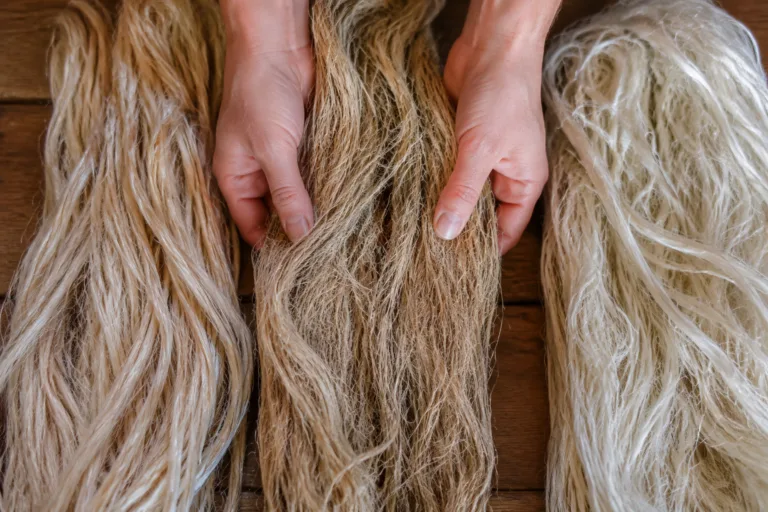
Introduction: Unraveling Bast Fibers in Sustainable Textiles
As sustainable fashion trends rise, bast fibers like linen, hemp, and ramie have stepped into the spotlight. They offer a blend of durability, breathability, and eco-friendliness that is increasingly valued in both apparel and home textiles. In this guide, we break down how these remarkable fibers are grown, processed, and used, showing why they’re leading the movement toward ethical fabrics and smarter consumer choices in the textile industry.
Bast Fibers, Sustainable Textiles: What Sets Them Apart?
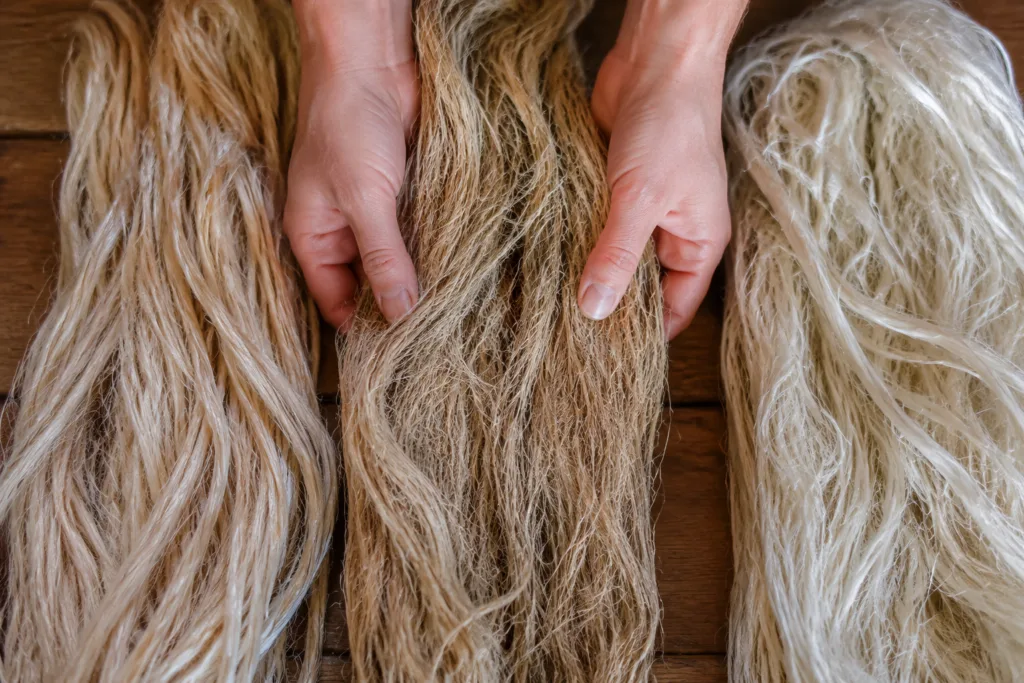
Bast fibers, derived from the inner bark of certain plants, bring a sustainable edge to the textile market. These fibers are robust, biodegradable, and require fewer chemicals in farming compared to commonly used synthetics or even conventional cotton. Unlike petroleum-based options, their origins are rooted in renewable agriculture, holding clear environmental advantages that increasingly attract both designers and conscious consumers.
Origins of Bast Fibers: The Plant Story
Bast fibers are extracted from stalks of plants like flax (linen), hemp, and ramie, each cultivated in diverse climates globally. These crops grow quickly, demand minimal pesticides, and thrive in different soil types—traits especially attractive for sustainable supply chains. Ancient civilizations valued these fibers for their resilience and utility, and today, they’re staging a comeback in modern fashion and textiles.
The Bast Fiber Extraction Process
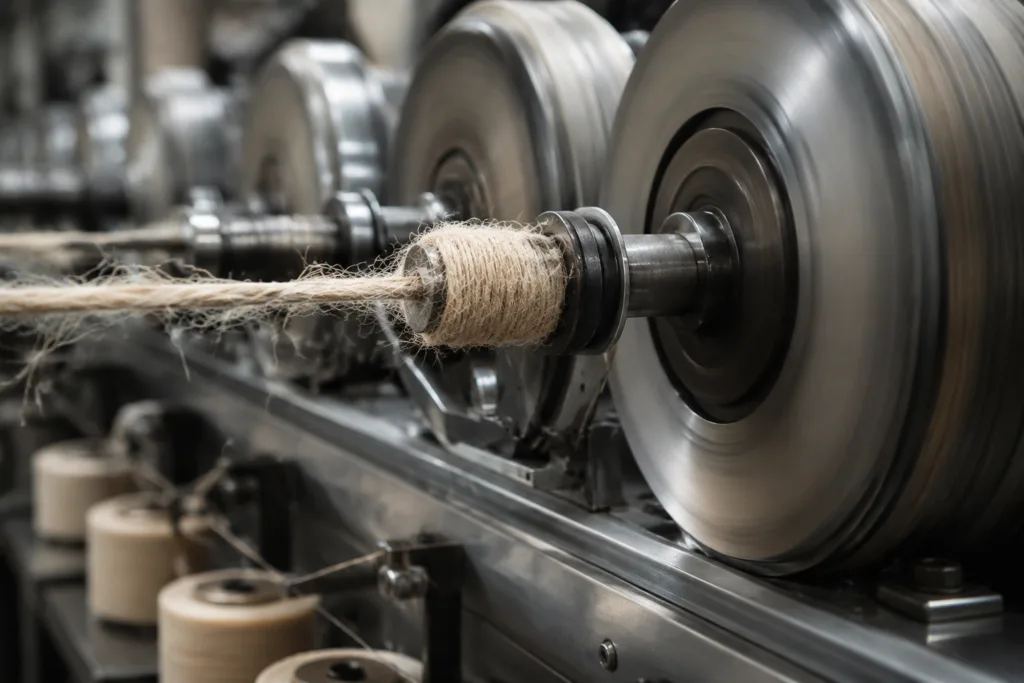
Harvesting bast fibers involves a process called retting, where plant stalks are softened to separate the inner fibers from woody stems. Methods include water retting, dew retting, and enzymatic techniques, each impacting the quality and texture of the final fiber. After retting, fibers are dried, combed, and spun into yarn—a method that preserves the natural strength and luster of the material.
Linen: The Timeless Bast Fiber
Linen, made from flax, features in everything from crisp summer shirts to luxurious bedsheets. Its cool, smooth feel and natural sheen have captivated makers and wearers for centuries. Linen is not just stylish but renowned for moisture-wicking, breathability, and hypoallergenic qualities—traits that have cemented its role in eco-friendly wardrobes worldwide.
Hemp: The Versatile and Resilient Textiles Champion
Hemp’s popularity in sustainable textiles comes from its rapid growth, resilience to pests, and impressive yield per acre. Fabrics made from hemp are strong, UV resistant, and get softer with every wash. It’s equally at home in rugged workwear and soft casual knits, making it a favorite for brands looking to reduce their environmental footprint.
Ramie: The Glossy Alternative
Ramie, sometimes called China grass, produces exceptionally lustrous and absorbent fibers. While less flexible than linen or hemp, ramie holds dye well and blends beautifully with other fibers, offering spinnability and a silky sheen. It’s prized in fashion for decorative trims and delicate high-summer fabrics.
Bast Fibers vs. Cotton, Wool, and Synthetics
How do bast fibers compare to familiar options like cotton, wool, and polyester? While cotton is softer initially, bast fibers offer superior strength, moisture management, and use far less water and pesticides in cultivation. Compared to animal fibers like wool, linen and hemp are vegan, hypoallergenic, and less energy-intensive. Unlike synthetics such as polyester, bast fibers decompose naturally—contributing no microplastic pollution. If you want a deeper dive into these contrasts, see The Definitive Guide: Natural vs. Synthetic Fibers Compared for Smarter Apparel Choices.
Why Bast Fibers Are Eco-Friendly
Bast fibers’ sustainability comes from their low input needs, soil-enhancing properties, and zero reliance on fossil fuels. When grown under organic standards, the environmental impacts are even lower. The resulting fabrics fully biodegrade, closing the loop for circular fashion systems. Studies show that shifting demand to bast fibers can lessen water consumption and pesticide use across the textile industry.
Popular Uses: Apparel, Home, and More
Bast fibers feature widely in clothing, footwear, home linens, upholstery, and even technical applications like insulation. Designers value their textured appearance and lasting durability, making bast fibers a logical choice for both practical and high-style garments. In home textiles, linen’s cool touch and hemp’s antimicrobial properties shine in bedding and towels.
Key Properties of Linen, Hemp, and Ramie
- Durability: Bast fibers resist stretching and abrasion, outlasting many protein- or oil-based fabrics.
- Moisture management: All three readily wick sweat away, keeping users comfortable—even in hot climates.
- Texture and Appearance: Linen is crisp with a matte sheen, hemp develops softness, and ramie stays glossy.
- Biodegradability: The fibers decompose naturally under composting conditions, reducing landfill burden.
Comparison Table: Bast Fibers vs. Cotton and Polyester
| Property | Linen | Hemp | Ramie | Cotton | Polyester |
|---|---|---|---|---|---|
| Biodegradable | Yes | Yes | Yes | Yes | No |
| Water Use (Cultivation) | Low | Very Low | Low | High | Very Low |
| Pesticides Needed | Minimal | Rare | Few | High | None |
| Moisture Wicking | Excellent | Excellent | Good | Good | Poor |
| Strength (Wet) | High | Very High | Moderate | Moderate | High |
| Care/Ease of Use | Wrinkles Easily | Wrinkles Some | Wrinkles Easily | Wrinkles | Wrinkle Resistant |
From Field to Fabric: Processing Matters
After harvesting, bast fiber processing emphasizes both fiber quality and eco-impacts. Shortening chemical retting processes and reducing energy input make these textiles even greener. Some innovative mills now blend mechanical and enzymatic methods to further support sustainable production. This is where supply chain insight, such as that found in Apparel Wiki’s industry resources, becomes invaluable for brands seeking to minimize waste and maximize yield.
Certifications and Sustainable Assurance
Look for certifications such as GOTS (Global Organic Textile Standard) or OEKO-TEX® for confidence in eco-friendly bast fiber products. These labels assure consumers that their garments meet rigorous criteria for non-toxic processing, organic cultivation, and worker protections, strengthening trust in sustainable textiles.
Bast Fibers in Circular Fashion and Closed Loop Systems
Linen, hemp, and ramie fit naturally into circular design models—where garments are designed for easy recycling, repair, or composting. By combining mono-material design principles with bast fiber fabrics, companies improve recycling rates and return nutrients to the environment. Learn more about the big wins of Mono-Material Design in modern supply chains.
The Role of Bast Fibers in Slow Fashion
Slow fashion values products built to last—another reason for the rising attention to bast fibers. Because garments made from linen, hemp, and ramie withstand frequent wear and washing, they encourage consumers to buy less, wear longer, and reduce overall clothing waste. Understanding slow versus fast fashion timelines can further clarify smart, planet-friendly purchasing.
Design Considerations: Usage and Blends
While pure bast fiber fabrics shine in many uses, blending with cotton or man-made fibers can add elasticity, softness, or wrinkle resistance. For example, adding a touch of elastane enhances comfort in hemp jeans. Each blend alters the wear, care, and recyclability profile—so check fabric content for the ideal balance of performance and sustainability.
Color, Dye Uptake, and Finish Options
Linen and ramie readily accept reactive and natural dyes, with hemp slightly less absorbent but highly colorfast once dyed. Options span from rough, slubby textures to ultra-smooth finishes, giving brands flexibility to target diverse aesthetic and functional needs.
Comparing Environmental Impact: Bast Fibers vs. Synthetics
Synthetics like polyester are derived from oil and shed microplastics with every wash—contributing to ocean pollution. Bast fibers, in contrast, release zero plastics and are compostable at end-of-life. Manufacturing emissions are lower, and no hazardous solvents are required for fiber extraction, as opposed to viscose and acrylics. Curious about other cellulose-based innovations? See how these compare in Sustainable Innovation: The Surging Popularity of Man-Made Cellulosic Fibers.
Leading Brands and Market Trends in Bast Fibers
Top sustainable labels increasingly integrate bast fiber fabrics into their main collections, reflecting both fashion-forward sensibilities and consumer interest in earth-friendly materials. Major brands have launched best-selling hemp denim, linen dresses, and ramie blends, further boosting the mainstream visibility of these fibers.
Common Challenges in Bast Fiber Adoption
Despite their benefits, bast fibers sometimes face hurdles: uneven supply chains, wrinkling, and higher retail cost versus commodity cotton. Innovations in harvesting, processing, and blending help alleviate these concerns, making bast fibers more available and affordable year by year.
Consumer Tips: How to Choose and Care for Bast Fiber Apparel
- Check garment labels for “100% linen,” “hemp,” or “ramie” composition.
- Opt for certified organic fabrics for lower ecological impact.
- Follow care instructions: Gentle washing, air-drying, and light ironing preserve bast fiber strength and luster.
- Embrace the natural wrinkles—these are often part of the relaxed aesthetic.
How Bast Fibers Drive Sustainability in Design and Manufacturing
Apparel Wiki notes that designers and brands can influence environmental outcomes by incorporating bast fibers and eco-friendly practices from design through to product labeling. This includes reducing production waste, incorporating recycled materials, and prioritizing closed-loop processes for new collections.
Bast Fibers: Linen, Hemp, and Ramie Explained.
To summarize, linen, hemp, and ramie are natural fibers that combine practical performance, historical legacy, and strong sustainability benefits. By understanding their unique strengths, uses, and ecological impacts, consumers and brands alike can make more informed choices for a cleaner, smarter fashion future. Bast fibers excel where durability, comfort, and the planet’s well-being matter most.
Looking Ahead: The Future of Bast Fibers in Eco-Friendly Fashion
Expect even greater innovation in bast fiber production, blending, and application as demand for sustainable textiles grows. Future advances may include enzyme-based processing, integrated digital tracking, and fully traceable supply chains—helping pave the way for apparel that’s truly circular, from farm to finish.
Conclusion: Why Bast Fibers Matter for Sustainable Apparel
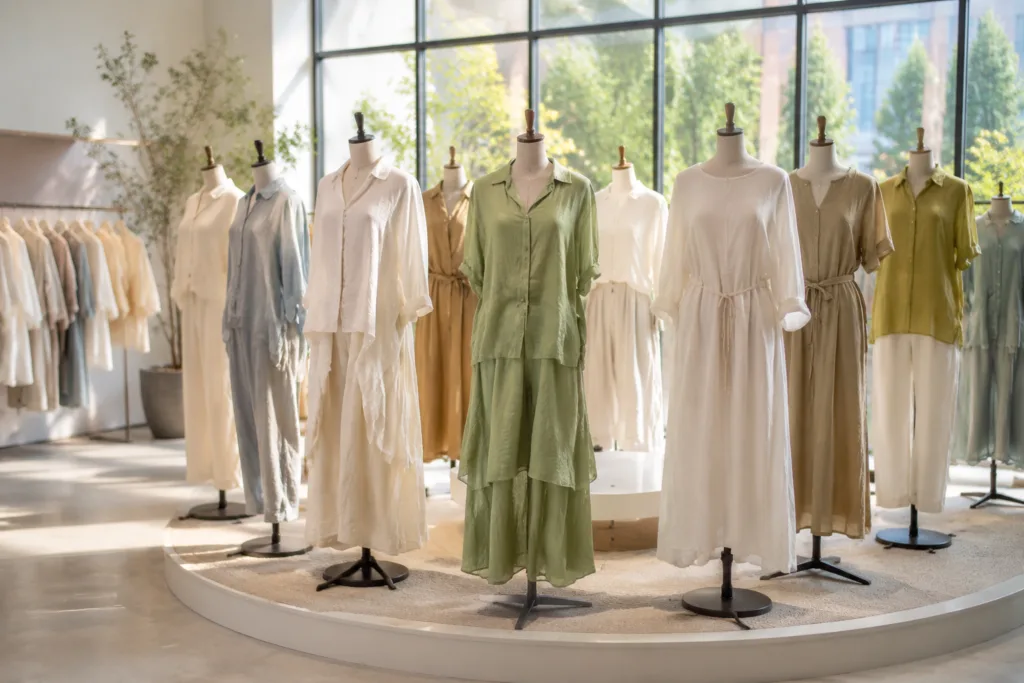
Bast fibers—linen, hemp, and ramie—are far more than historic novelties. They marry tradition with technology, offering high-performing sustainable options for apparel, interiors, and industrial use. Choosing garments and textiles made from these materials supports a cleaner supply chain and reflects a genuine commitment to low-impact living. Stay informed, seek out credible certifications, and enjoy the comfort and durability that bast fibers uniquely deliver in our journey toward smarter, greener fashion.
Frequently Asked Questions
What are bast fibers and where do they come from?
Bast fibers are strong, plant-based fibers harvested from the inner bark of plants such as flax (linen), hemp, and ramie. These plants thrive in varying global climates and are valued for their low-impact cultivation.
How do linen, hemp, and ramie differ from cotton?
While all are natural fibers, bast fibers like linen, hemp, and ramie require less water and chemicals than cotton, are often more durable, and are always biodegradable—making them a better ecological choice.
What makes bast fibers a sustainable choice?
Bast fibers need minimal pesticides, improve soil health, and produce biodegradable textiles. When organic and processed responsibly, they significantly reduce environmental impact.
Are there any downsides to buying bast fiber-based products?
Bast fiber fabrics can wrinkle easily and sometimes cost more than mass-market options, but their durability, performance, and sustainability benefits often outweigh these minor inconveniences.
What should I look for when buying sustainable bast fiber apparel?
Check for reputable certifications (like GOTS or OEKO-TEX), pure fiber content, and transparent brand sourcing to ensure both garment integrity and environmental responsibility.
Can bast fibers help make fashion fully circular?
Absolutely. Their natural compostability, compatibility with closed loop systems, and durability mean bast fibers are key players in the transition to truly circular, waste-free fashion.
Related Reading
- Complete Guide: Making Smart Natural vs. Synthetic Fiber Choices
- Revealing Breakthroughs in Man-Made Cellulosic Fiber Sustainability
- 7 Ways Mono-Material Design Simplifies Recycling and Boosts Efficiency
- How to Design Clothes That Last: 7 Game-Changing Steps
- Understand Cotton: Pima, Egyptian, and Upland At a Glance
- Implementing Sustainable Labeling for Smarter Branding Decisions