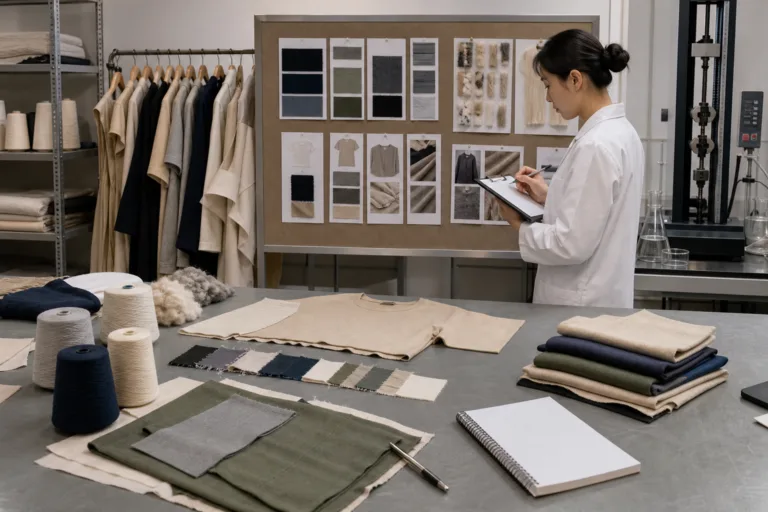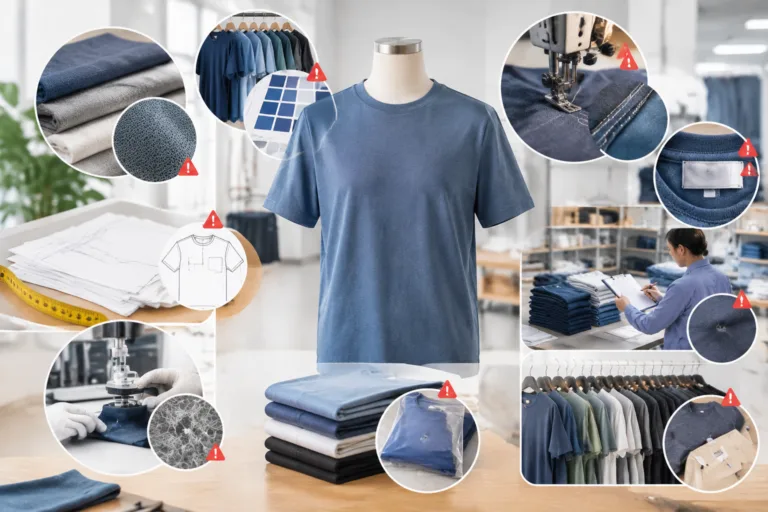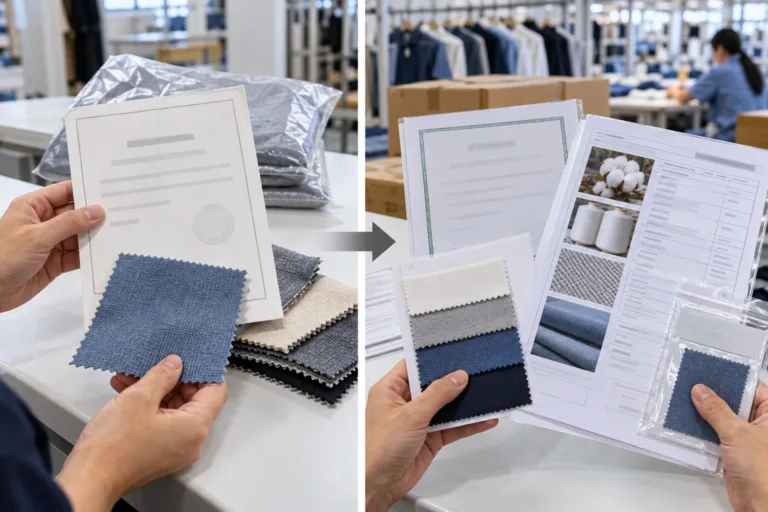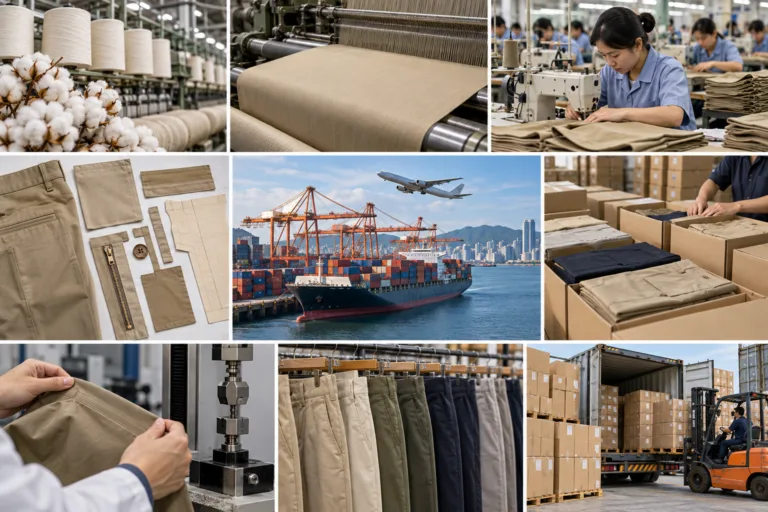

If you want to build a clothing brand with a clear offer, you need to choose clothing niche decisions carefully from the start. Many new founders begin with a broad idea like streetwear, activewear, or basics, but broad categories alone do not explain who the product is for, why someone should buy it, or what product details matter most. A real niche gives direction to product design, fabric selection, price positioning, content, sourcing, and launch planning.
If you are still shaping the commercial side of the idea, it helps to connect niche selection with business models, positioning, and first-step launch planning. That wider view matters because the right niche is not only about style preference. It also affects product complexity, inventory risk, customization options, supplier fit, and whether the brand should start with private label, custom development, small-batch production, or a lighter test model.
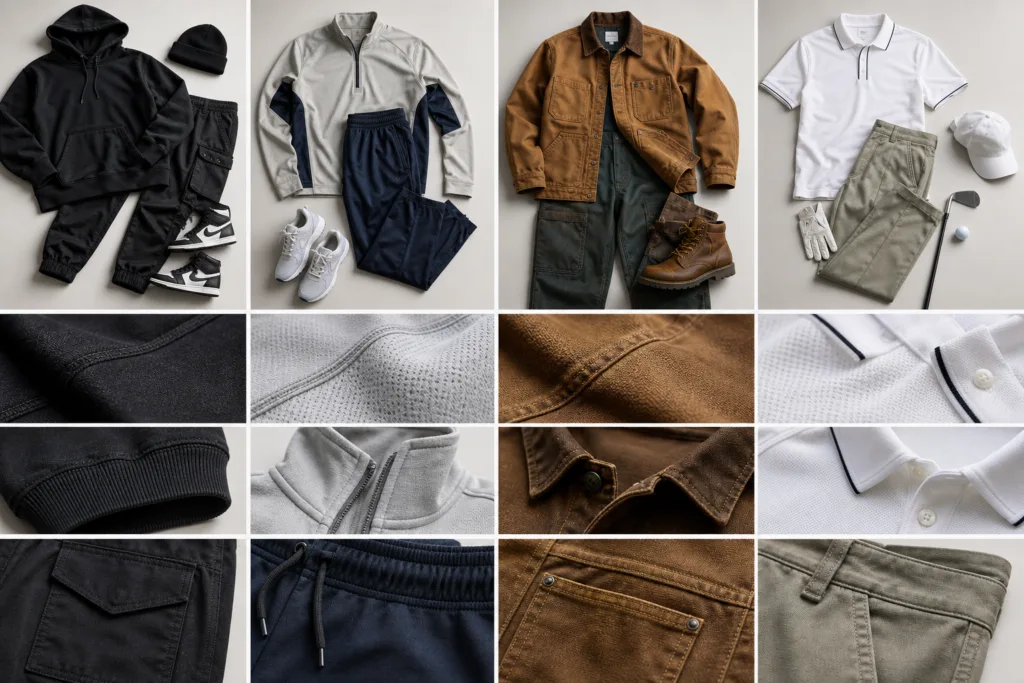
A practical niche should answer a simple question: what specific apparel problem are you solving for a specific buyer? From Apparel Wiki’s perspective, this is where many brand concepts become clearer. Instead of saying, “I want to sell fashionable clothes,” you define something usable such as commuter-friendly women’s trousers for office travel, golf-inspired polos for younger players, heavy cotton streetwear for oversized fits, or durable pet-owner apparel designed to hide hair and resist wear.
What a clothing niche is and why it matters
A clothing niche is a focused market position inside a larger apparel category. The niche usually combines a target customer, a product type, a use case, and a value promise. For example, “workwear” is still broad. But “durable utility pants for warehouse teams” is a niche because it points to a specific user, environment, and performance expectation.
This matters because apparel development gets expensive when the idea is too loose. If the brand tries to serve too many users, you often get unclear sizing, mixed styling, weak messaging, and product ranges that do not connect. Sampling also becomes inefficient because every style seems to need a different fabric, fit block, and trim logic.
In many early projects, the problem is not lack of creativity. The problem is lack of focus. A niche helps founders decide what to include, what to delay, and what should be tested first before bulk production.
Broad category versus true niche

A broad category describes a part of the apparel market. A niche describes a sharper position inside it. This detail may look small, but it can create problems later if it is not confirmed early.
| Broad Category | Too General Position | More Focused Niche |
|---|---|---|
| Streetwear | Streetwear for everyone | Oversized heavyweight graphic streetwear for college-age buyers |
| Sportswear | Clothing for athletes | Moisture-managing training tops for amateur runners in hot climates |
| Workwear | Durable work clothes | Stretch utility uniforms for mobile service technicians |
| Basics | Simple everyday clothing | Premium minimalist basics for office-to-evening use |
| Pet-themed apparel | Clothes for pet lovers | Casual graphic tees and hoodies for dog rescue communities |
The narrower version does not mean the business must stay small forever. It means the launch direction is specific enough to design, source, and communicate clearly. A strong niche can expand later into adjacent categories once the first product-market fit becomes clearer.
Four practical ways to choose clothing niche direction
Most clothing niche ideas can be narrowed through four lenses: audience, occasion, function, and style. You do not always need all four, but the strongest positions usually combine at least two or three.
Choose by audience
This starts with a distinct buyer group. Instead of targeting “men” or “women,” think in terms of a real user with a repeated clothing need. That might be student buyers, golfers, gym beginners, veterinary staff, pet owners, warehouse crews, travel-heavy professionals, or club members buying coordinated garments.
Audience-based niches work well when the group shares body-fit preferences, wearing environments, budget limits, or identity signals. For example, student-focused apparel may need price discipline and trend relevance, while professional commuters may care more about wrinkle resistance, easy care, and cleaner silhouettes.
Choose by occasion or use case
Some niches are built around where and when the product is worn. This can include training, commuting, travel, live events, school teams, hospitality uniforms, golf rounds, weekend leisure, or everyday layered dressing. Use-case thinking makes product planning easier because it connects directly to fabric, pocket design, opacity, garment weight, and wash expectations.
For founders working through early concept decisions, it helps to understand how to evaluate product development decisions before finalizing the range. A travel pant niche, for example, may sound simple until you define stretch level, wrinkle recovery, security pocket layout, hem shape, and whether the garment should read more like tailoring or activewear.
Choose by function
Function-led niches focus on performance outcomes such as comfort, durability, weather protection, utility, moisture management, coverage, or easy care. This is common in activewear, workwear, outerwear, uniforms, and travel clothing, but it can also shape basics and lifestyle products.
For buyers, the key is not only the product name or price, but whether the material, structure, marking method, and application requirements match the real use case. A durable niche may require stronger seams, abrasion-resistant fabric, and reinforced stress points. A comfort niche may require softer hand feel, smoother seams, better recovery, and low-irritation labeling choices.
Choose by style language
Style still matters, but on its own it is often not enough. Streetwear, golf-inspired apparel, premium essentials, minimalist basics, and lifestyle collections can all work as niches if the brand also defines the customer and product logic clearly. “Clean minimalist basics for young professionals” is more useful than just “minimalist fashion.”
Clothing niche ideas by audience
Let’s look at what actually affects the result when you build around audience.
Athletes and training-focused buyers
This audience usually expects clear performance value. The niche can be narrowed by sport, training level, climate, fit preference, or body coverage needs. Examples include compression training wear, modest performance layers, beginner gym essentials, or golf apparel for social players. Fabric choice often becomes central: moisture management, stretch recovery, low cling, and opacity can be more important than trend styling alone.
Professionals and commuters
This segment is often overlooked by founders who focus only on fashion identity. Yet many buyers want practical garments that look polished and still work across long days, transit, and frequent washing. A commuter niche may suit wrinkle-resistant woven pants, easy-care knit polos, lightweight layering pieces, or trousers with hidden functional pockets.
Students
Student-led niches often combine affordability, identity, casual comfort, and social relevance. The product range may lean on hoodies, tees, joggers, fleece, and event-based graphics. But this segment can become too broad if you do not specify age range, campus culture, fit direction, or spending limits.
Pet owners
This can be stronger than it first appears if the product goes beyond generic graphics. You might focus on pet-hair-resistant fabrics, easy-wash casualwear, matching human-and-pet concepts, or community-led graphic collections tied to dog breeds, rescues, or pet events.
Workwear buyers
Workwear can be one of the most practical niches because the buyer need is often clear. But it is also where founders need to be careful. Some workwear niches are driven by durability and utility, while others may involve safety expectations, visibility, weather protection, or specific job environments. In regulated environments, workwear niches often need to meet PPE standards, so the niche may be shaped by job hazards and compliance requirements, not just aesthetic direction.
Clothing niche ideas by use case
Use-case niches are often easier to validate because they describe a visible problem.
| Use Case | Typical Buyer Need | Product Implication |
|---|---|---|
| Training | Sweat control and movement | Stretch knits, moisture management, flat or low-bulk seams |
| Commuting | Polished look with comfort | Easy-care fabrics, wrinkle control, smart pocket layout |
| Travel | Packability and repeated wear | Lightweight durable materials, odor control, quick dry options |
| Events | Coordinated visual identity | Print-friendly blanks, broad size range, color consistency |
| Uniforms | Repeat orders and consistency | Stable fabrics, shade continuity, replenishment planning |
| Everyday wear | Comfort and versatility | Balanced fit, soft hand feel, easy laundering, cost control |
A niche built around uniforms or events may also push you toward a different commercial structure than a fashion-led direct-to-consumer launch. That is why founders should think early about choosing a clothing business model based on the niche itself. Teamwear, event apparel, and simple graphic concepts may suit a lighter test path, while technical categories usually need more direct product control.
Clothing niche ideas by function
Function-focused niches are useful because they force clearer product claims and better sourcing discipline.
Performance
This can include sweat handling, stretch, recovery, breathability, and movement comfort. In apparel development, performance claims need product logic behind them. If the niche is built around training or sport, the founder should know whether the fabric is cotton-rich, polyester-rich, nylon-based, brushed, compressive, mesh-backed, or engineered for a specific hand feel and output.
Comfort
Comfort is not only softness. It can include seam placement, thermal balance, body ease, waistband construction, tag irritation, and fit consistency. Comfort niches often perform well in loungewear, basics, travel clothing, and premium casualwear.
Durability
Durability can mean abrasion resistance, seam strength, shape retention, colorfastness, pilling resistance, or reinforced components. This niche is common in workwear, schoolwear, kidswear, and utility garments. The challenge is that durability often increases cost through heavier fabric, stronger stitching, or added reinforcement.
Weather protection
Outerwear-led niches need clear thinking about water resistance, wind resistance, insulation, lining strategy, and seam construction. Many founders underestimate how much testing, trim sourcing, and sampling detail this category requires.
Utility
Utility-driven apparel may focus on storage, modular details, reinforced areas, tool access, or movement features. This can work in fashion and workwear, but product function must be real. Decorative pockets and actual utility pockets are not the same thing once the garment reaches daily use.
Clothing niche ideas by style
Style-led niches still need product discipline. Here are common examples.
Streetwear
Streetwear is a broad category, so the niche usually needs narrowing by fit, graphic direction, garment weight, fabric quality, and audience identity. Heavyweight cotton tees, oversized hoodies, washed finishes, drop shoulders, and screen print placement can all shape the final offer. The issue is that “streetwear” is crowded, so the brand should define what makes the range specific.
Minimalist basics
This niche relies on execution more than loud branding. Fabric hand feel, opacity, neck shape, stitch quality, and sizing consistency matter a lot. If the product is visually simple, defects become easier to notice, and weak fit standards become harder to hide.
Premium essentials
This position often sits between basics and elevated casualwear. It may use better fabrics, cleaner finishing, stronger trims, and more refined color planning. But the founder must confirm whether the market will accept the price increase and whether the materials justify it.
Golf-inspired apparel
Golf-inspired apparel can range from technical performance polos to lifestyle collections that borrow course aesthetics without requiring full athletic function. The niche becomes stronger when you define the wearer: competitive golfers, social players, younger style-led buyers, or club teams.
Lifestyle collections
This is one of the most common vague positions. It can work, but only if the lifestyle is specific enough to create product decisions. “Coastal lifestyle,” “urban creative lifestyle,” or “fitness-meets-travel lifestyle” still need clear garment types and user behavior behind them.
How to evaluate whether a niche has enough demand
A niche does not need mass-market scale, but it does need a reachable buyer group with repeatable demand. A practical demand check should look at five areas: audience size, purchase motivation, replacement frequency, product price tolerance, and competitive pressure.
Start by asking:
- Does this buyer have a repeated reason to buy this type of garment?
- Is the need functional, identity-based, community-driven, or event-driven?
- Can the first product range be narrow and still feel complete?
- Will the customer understand the brand quickly?
- Can the brand explain why its version is different?
If the answer is vague on most of these points, the niche may be too broad or too weak.
Use external signals as support, not as your only decision tool. The U.S. Small Business Administration explains how to use market research and competitive analysis to validate your clothing niche by reviewing customer demographics, market size, pricing logic, and competitor positioning before you commit resources.
How to validate niche demand before launching
Validation should happen before deep sampling, large inventory commitments, or expensive branding work. Founders often reverse this order and lose time.
Search signals
Compare how people describe the niche, the problem, and the product. Search behavior can reveal whether buyers think in terms of “golf polo,” “oversized heavyweight tee,” “commuter pants,” or “dog mom hoodie.” Google Trends can help you compare terms, review geographic interest, and spot related search patterns. In practical terms, you can use Google Trends to compare niche demand across different clothing ideas instead of assuming one category has more momentum.
Social signals
Look for repeated product complaints, fit requests, fabric comments, and community language. Do buyers complain about see-through leggings, shrinking tees, weak collars, or work pants without enough pockets? Those comments often point to real niche opportunities.
Competitor analysis
Do not just count competitors. Study how they position products, which price levels appear crowded, what materials they emphasize, and where reviews show gaps. A crowded market is not always bad if the buyer need is strong and the brand’s product logic is sharper.
Customer interviews
Short conversations with real target users often reveal more than broad polling. Ask what they wear now, what frustrates them, how often they buy, what makes them hesitate, and what product features they would pay extra for. You are not looking for praise. You are looking for repeated patterns.
How to tell if the niche is too broad or too crowded
A niche is too broad when the same concept could describe dozens of unrelated product ranges. If your idea could include active leggings, oversized graphic hoodies, office shirts, and pet-themed pajamas all under one launch, it is probably not a niche yet.
A niche is too crowded for you when you cannot explain a realistic entry point. That does not always mean the market itself is impossible. It may simply mean your first offer is not focused enough.
Ask these questions:
- Can I describe the buyer in one clear sentence?
- Can I name the first 3 to 5 products without confusion?
- Can I explain the fabric and fit logic?
- Can I justify the price level?
- Can I see a sourcing path that matches the product type?
If the answer is no, narrow the concept further before proceeding.
How niche choice affects product range, fabrics, pricing, and sourcing
Niche selection does not stay in the branding department. It changes the whole product system.
Product range
A focused niche usually launches better with fewer styles. Instead of ten unrelated products, build a small line that shares a fit direction, material logic, and target use. That improves development efficiency and makes the brand easier to understand.
Fabric selection
Fabric should support the niche promise. Heavyweight cotton may suit premium streetwear. Polyester-spandex knits may suit training tops. Cotton-rich fleece may support campus casualwear. Durable twills or canvas may suit utility products. If the niche promise is clear, fabric decisions become easier to evaluate.
Pricing
Price has to match both buyer expectation and product reality. A premium essentials niche can sometimes support better margins if quality differences are noticeable. A student niche may require tighter cost control and a simpler garment build. This is why MOQ, fabric minimums, trim choices, and decoration setup matter early.
Before locking the range, founders need to understand what MOQ means for first production orders. Some niches are easier to start because they can use common fabrics, stock blanks, or shared color programs, while others need custom dye lots, special trims, or technical components that raise minimums.
Sourcing and factory fit
Not every manufacturer suits every niche. A factory strong in basic jersey tees may not be the right partner for waterproof outerwear or utility work pants. Fabric development ability, pattern control, print quality, seam construction, testing support, and minimum order flexibility all vary. That is why founders should understand how startup brands choose the right manufacturer once the niche is defined clearly enough to discuss product requirements.
For readers comparing categories or trying to connect terminology with production decisions, Apparel Wiki can help frame the basics around fabrics, garment construction, sourcing, and technical planning before a brand moves from concept to sampling.
Real-world niche examples and what they imply
Sportswear niche
A sportswear niche might focus on beginner runners in hot regions. That immediately affects fabric weight, breathability, chafe control, visibility details, and size grading. The products should solve movement and climate problems, not just look athletic.
Streetwear niche
An oversized heavyweight streetwear niche for university buyers points toward boxy fits, dense cotton jersey, washed surfaces, print placement strategy, and likely stronger demand for hoodies and tees than for technical bottoms.
Golf apparel niche
A younger golf-inspired niche may combine performance polos, clean layering pieces, and social-wear styling. The challenge is balancing course expectations with broader lifestyle wearability.
Pet-themed apparel niche
A pet-owner niche could succeed if the product identity ties to real communities and buying moments such as rescue events, breed clubs, or gifting. The niche gets stronger if the product also solves wear issues like visible hair or frequent washing.
Workwear niche
A technician-focused workwear niche may require abrasion resistance, range of motion, storage utility, and stable repeat production. Here, inconsistency in sizing or pocket placement can become a bigger issue than branding.
Common mistakes when founders choose a clothing niche
- Choosing a niche based only on personal taste. Liking a category is not enough if you cannot identify a clear buyer problem.
- Using labels that are too broad. Terms like lifestyle, fashion-forward, or premium apparel usually need much more definition.
- Skipping validation. Many founders build samples before confirming demand language, price comfort, or competitor pressure.
- Ignoring sourcing reality. Some niches require complex fabrics, low defect tolerance, or difficult MOQ structures.
- Trying to serve everyone at launch. Broad appeal often creates weak product decisions.
- Confusing graphics with niche. A print theme alone is not always a durable market position.
A simple framework to narrow clothing niche ideas
If you need a usable method, apply this short framework.
Start with the broad category
Example: activewear, streetwear, workwear, basics, uniforms.
Define the buyer
Who is it for specifically? New gym users, dog owners, hospitality teams, traveling professionals, younger golfers, warehouse crews?
Define the use case
When and where is it worn? Daily commute, club event, training session, service work, casual campus wear?
Define the value promise
What matters most: comfort, durability, polished appearance, utility, weather resistance, or identity?
Define the first product set
Name the first 3 to 5 products. If you cannot do that clearly, the niche may still be too vague.
Check sourcing feasibility
Can the fabric, trims, decoration, and minimums fit your launch budget and timeline?
Test the message
If a target buyer sees one sentence describing the brand, do they understand it immediately?
A workable launch direction often looks like this: “Clean golf-inspired polos and layers for younger social players who want course-ready clothing that also works off the course.” That is clearer than “a modern lifestyle brand.”
Conclusion

To choose clothing niche direction well, you do not need the broadest idea. You need the clearest one. A strong niche gives structure to product development, pricing, communication, and sourcing. It helps you decide what the first collection should include, what fabrics make sense, what fit standards matter, and what kind of factory support the brand will need.
In apparel sourcing practice, the winning decision is often not the most creative concept on paper. It is the one that matches a real buyer, a real use case, and a realistic production path. If you can define the customer clearly, validate demand before overbuilding, and turn the idea into a focused first range, your brand direction becomes much easier to test and improve.
FAQs
How narrow should a clothing niche be when starting a brand?
It should be narrow enough that you can describe the target buyer, the main use case, and the first few products without confusion. If your idea still covers too many unrelated styles or customer groups, it is probably too broad for an efficient launch.
Can I start with a niche and expand later?
Yes. In many apparel businesses, starting narrow is more practical because it improves product clarity and reduces wasted sampling. Once the first niche gains traction, the brand can expand into adjacent products or audience segments with better data and lower risk.
What is the easiest way to validate a clothing niche before investing heavily?
The easiest approach is to combine search behavior, social comments, competitor review analysis, and short customer interviews. You want evidence that the buyer problem is real, repeated, and specific enough to support a focused product offer.
Does every clothing niche need custom fabrics or technical development?
No. Some niches can launch with simpler materials and standard garment builds, especially if the value is based on community, design direction, or targeted messaging. But function-led niches usually need stronger control over fabric performance, fit, and construction details.
How does niche choice affect MOQ and production planning?
Niche choice affects whether you can use standard fabrics, common trims, and simpler decorations or whether you need custom components and higher minimums. A more technical or specialized niche often creates longer lead times, higher development cost, and tighter supplier requirements.
What is the difference between a clothing category and a clothing niche?
A category is a broad section of the market, such as sportswear or workwear. A niche is a more defined position inside that category, built around a specific buyer, product need, use case, or functional promise that helps guide real development and launch decisions.