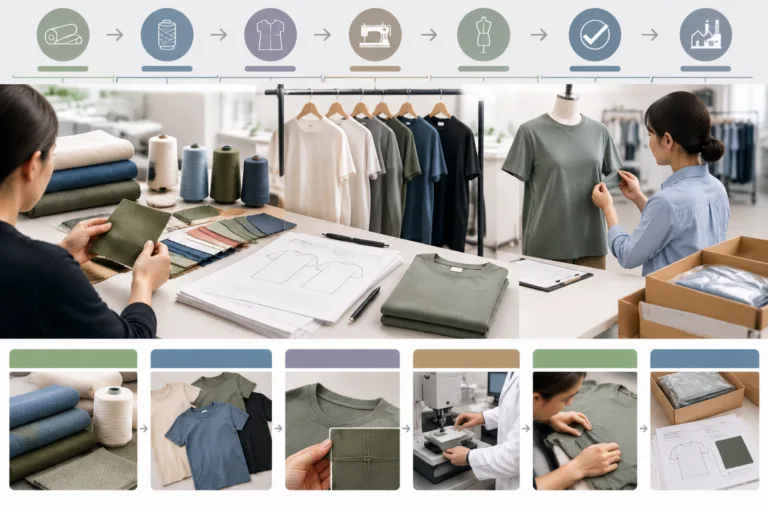
To create a workable fit samples timeline, start with the required bulk-production start date and work backward to the latest date for fit approval. Define what the sample must validate, then separate decisions that depend on approved fit from preparation work that can advance earlier. This approach treats the schedule as a series of decision points rather than a promise of fixed sample lead times.
Apparel Wiki is an independent educational publication, not a factory, manufacturer, testing laboratory, certification body, or sourcing supplier. Its editorial work is separate from any commercial relationship described on the Sponsor page. In practice, the time required depends on design complexity, pattern readiness, material availability, sample-room capacity, review speed, handoff arrangements, and the number of revisions the project needs.
How to Schedule Fit Samples Without Delaying Bulk Production
A fit sample is a development sample made to answer defined questions about how a garment fits and behaves on a wearer or form. Its schedule should identify the intended purpose, size, pattern or sample version, material status, and decisions that must be made from the review. A sample should not be placed on the calendar simply as “the fit sample” if the team has not agreed what approval means for that version.
Build the fit sample schedule backward from the intended bulk-production start, or from an earlier material-commitment date when that decision creates a significant dependency. Mark the latest acceptable fit-approval date, then allow space for sample preparation, handoff, fitting, review, consolidated comments, pattern correction, and a recheck when the product or project risk warrants one. The resulting calendar is a planning framework, not a universal lead-time standard.
At each point, distinguish a true approval gate from work that can begin with controlled assumptions. Fit approval may be required before finalizing measurements tied directly to the approved garment, while technical-document preparation, material inquiries, costing updates, packaging review, and production-readiness checks may progress when the design is sufficiently stable. The key is to label provisional work clearly and connect it to a specific version.
What Should the Fit Sample Validate Before Bulk Production?
The purpose of a fit sample varies with the garment category and development process. Depending on the product, the review may examine balance, ease, silhouette, key measurements, construction interaction, comfort, and wearer movement. A fitted jacket, stretch garment, structured trouser, and loose woven top may require different observations. The team should state which questions are in scope instead of expecting one sample to answer every development question.
Sample names also vary between companies. Terms such as prototype, fit sample, size sample, or pre-production sample may not carry identical meanings across teams. The intended validation purpose matters more than the label. A display or prototype sample should not automatically be treated as evidence that final materials, workmanship, wash behavior, color, or full production consistency have been approved.
Keep the fit decision separate from other approvals. A garment can appear correctly balanced while questions about the final fabric, shrinkage, color, construction execution, or bulk consistency remain open. When the sample uses substitute material or incomplete specifications, record which conclusions are provisional. Differences in stretch, thickness, drape, recovery, or shrinkage can limit what that sample demonstrates.
During review, separate measurable or construction-related findings from preferences. For example, a changed measurement, restricted movement, or distorted seam can be recorded as an observed issue. A request for a different visual effect may be a valid design preference, but it should not automatically be described as a universal industry defect. This distinction makes later decisions easier to explain and verify.
Which Tasks Can Run in Parallel With Fit Sampling?
Parallel work can protect the bulk schedule, but concurrency is a controlled risk decision rather than permission to bypass fit approval. A task may begin before approval without being ready for final release. The development team should record the prerequisite, owner, version reference, decision needed, and latest acceptable completion date for every parallel activity.
| Activity | May begin early when | May still depend on fit approval |
|---|---|---|
| Technical package and construction details | The design intent and major construction approach are stable | Measurements or construction details change after fitting |
| Bill of materials and material planning | Candidate materials, quantities, and availability are being checked | Final material behavior changes the garment or specification |
| Costing and packaging review | Assumptions are identified and tied to a current version | Fit changes alter consumption, components, or packing requirements |
| Production-readiness planning | Open requirements, capacity assumptions, and communications are being reviewed | Release instructions require approved measurements or pattern data |
| Pattern grading and final specifications | Only preliminary structures are being prepared for review | Final grading or measurements directly reflect the approved fit |
Use version references on every provisional document, material request, costing sheet, and packaging instruction. This prevents an early draft from being mistaken for approved information. Material availability and supplier communication can be checked in parallel, but those checks do not constitute final material approval or confirm that production will proceed on a particular date.
How to Build a Backward Fit-Sample Timeline
Begin by writing the required bulk-production start date and any earlier commitment date that cannot move easily. Work backward through the decisions that must be complete before those dates. Identify the latest fit-approval point, then schedule the review window, sample handoff, fitting session, comment consolidation, correction work, and any planned recheck. Make review latency visible rather than treating it as an incidental gap between activities.
For each stage, assign an owner, deliverable, decision-maker, prerequisite, and due date. A fitting session is not complete when comments are merely discussed; it is complete when the comments are recorded, conflicting instructions are resolved, and the next action is assigned. Likewise, a correction stage should identify the version it will produce and the question that version must answer.
Add schedule buffer according to known uncertainty, such as an unstable pattern, uncertain material behavior, limited reviewer availability, complex construction, or a history of revisions. Do not insert an unexplained universal number of days. If the available calendar cannot accommodate the required review and correction work, the decision should be explicit: revise the bulk date, narrow the unresolved scope, plan an additional targeted sample, or accept a documented risk.
The final schedule should therefore show more than a sample-delivery date. It should show when the team will decide whether fit is acceptable, which information remains provisional, and what must happen if the answer is no. That visibility is what keeps bulk-production preparation moving without allowing an unapproved fit decision to disappear inside the calendar.
How to Review Fit Samples and Prevent Rework
A fitting session becomes useful only when its observations can guide the next decision. Record each comment by garment location, observed issue, requested change, responsible owner, and method for checking the next version. “The collar looks wrong” may express a valid concern, but it does not identify what should change or how the team will determine whether the change worked.
Support comments with the most relevant evidence available, such as measurements, marked photographs, pattern references, or construction notes. Separate objective measurement deviations from comfort or movement observations, appearance preferences, and unresolved questions. This distinction keeps a personal preference from being presented as a universal defect while still preserving it as a legitimate project consideration.
Feedback should be consolidated before it reaches the pattern or development team. If two reviewers give conflicting instructions, the designated decision-maker should resolve the conflict rather than leaving the technical team to interpret competing preferences. Each comment should then be marked as accepted, rejected, deferred, or dependent on final materials, with a response date and a clear verification method.
The review method should reflect the garment category, intended use, wearer, and project requirements. A structured fit sample review checklist can reduce ambiguity, but it does not replace judgment. The goal is a reliable decision record that makes the next sample answer a defined question.
How Do Materials, Versions, and Approval Gates Affect the Schedule?
A fit approval is only as reliable as the sample and information it represents. Record the sample version, size, material or substitute material, pattern revision, review date, and unresolved validation items. This information connects the physical sample to the technical package and helps prevent an approved comment from being applied to an outdated version.
Substitute materials may help the team examine selected aspects of a design, but they can limit the conclusions available from the sample. Differences in stretch, thickness, drape, recovery, or shrinkage may affect how fit and movement are interpreted. A sample made with temporary material should therefore identify which decisions remain unverified, especially decisions tied to final-material behavior or post-wash dimensions.
Fit approval, material confirmation, specification approval, and production readiness may be separate gates. The exact names and documents vary between companies, so the important principle is to define what each gate authorizes. Signing off on fit does not automatically confirm final color, wash behavior, workmanship, material performance, or full production consistency. Bulk production still requires appropriate monitoring of the approved information and actual output.
Use version references on provisional work, including grading, specifications, packaging details, and production instructions. This allows preparation to continue where appropriate without making unfinished information appear final. Version control is a practical safeguard for schedule reliability, not a substitute for the project’s own approval responsibilities.
What to Do When Fit Approval Is Running Late
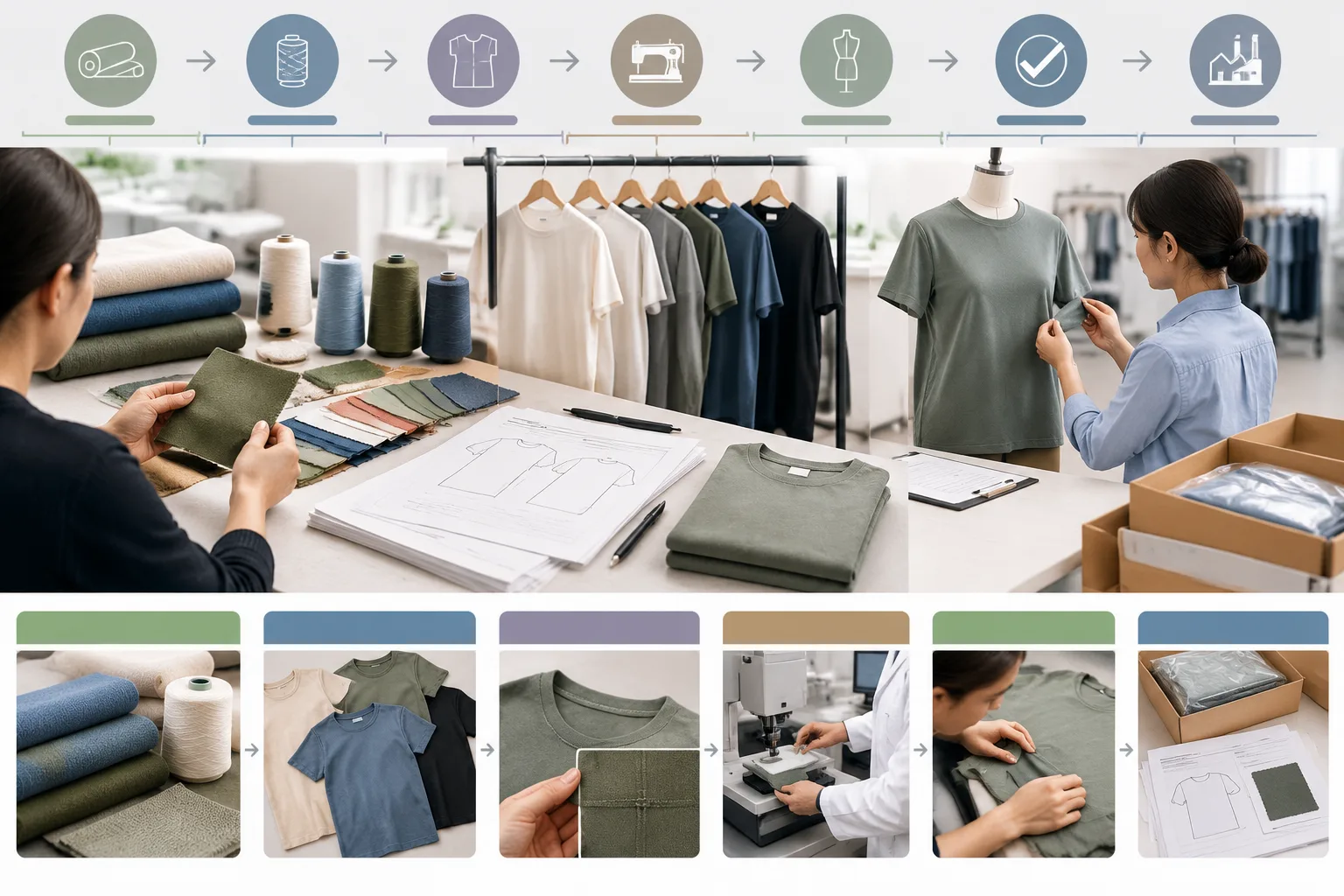
First classify the delay. The cause may be sample construction, material availability, shipping or handoff, reviewer availability, conflicting feedback, pattern revision, or missing information. The cause matters because different tasks become available at different times. A delayed fitting session may leave technical-package work moving, while an unresolved balance issue may block final measurements or grading.
Next, perform a written impact review. Consider the effect on pattern changes, grading, material commitment, cutting instructions, sewing details, packaging, launch timing, and other relevant project commitments. Mark each activity as able to proceed, able to proceed provisionally, or dependent on the unresolved fit decision. Provisional work should carry the relevant version and owner so it can be updated if the fit outcome changes.
The available responses are project-dependent. The team may set a revised approval date, request an additional targeted sample, narrow the question being validated, make a controlled provisional decision, or move the intended bulk start. A provisional decision should state what is still unverified, who accepted that risk, and when the decision will be reviewed. It should not quietly convert an unapproved sample into a final approval.
Document the decision and its trigger. For example, the team may require another review if a specified fit issue remains unresolved or if the final material changes the sample’s interpretation. This makes schedule pressure visible and gives the development team a defined escalation path.
Fit-Sample Scheduling Checklist for the Development Team
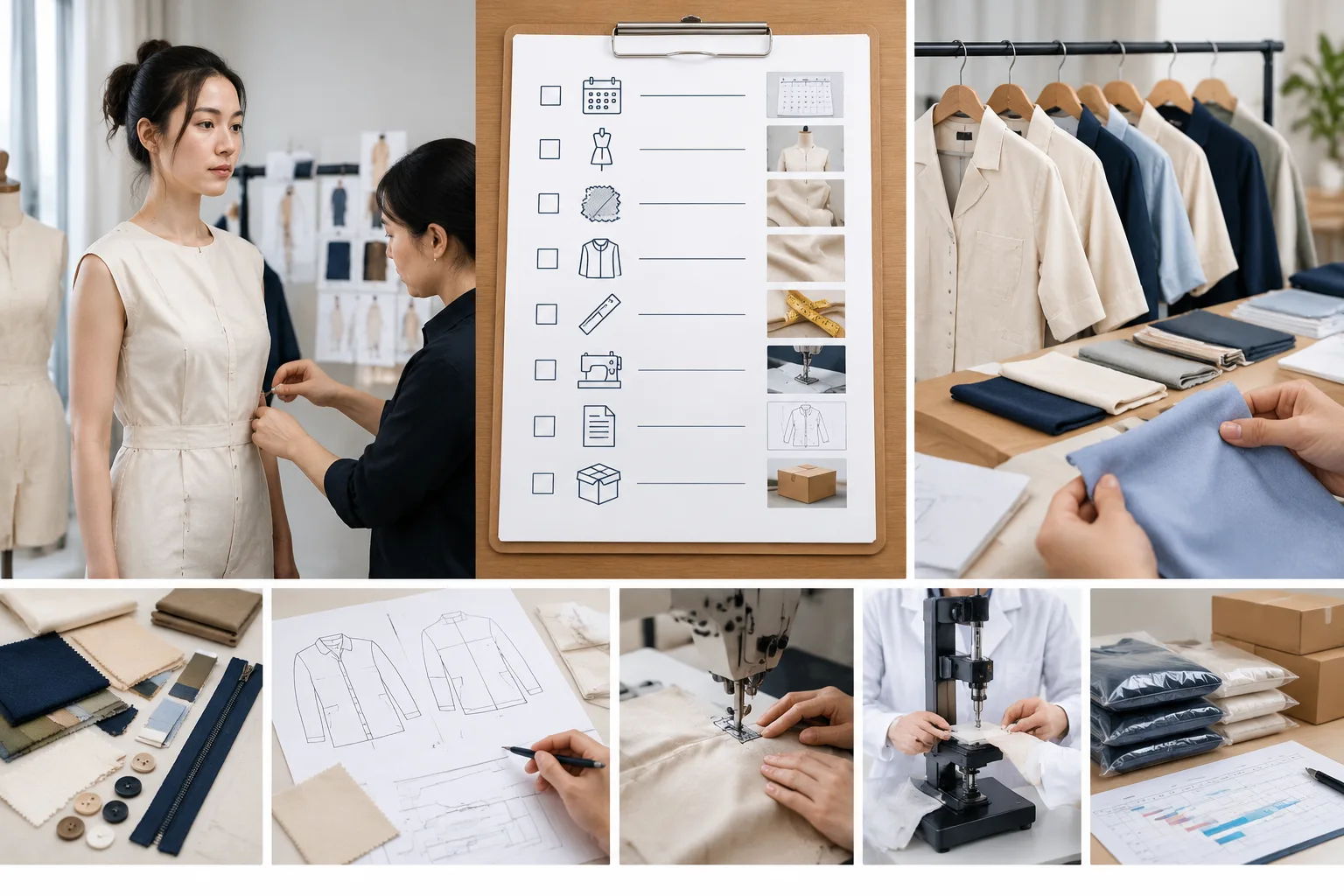
Before confirming the bulk schedule, use this adaptable checklist:
- The fit sample has a stated purpose, size, material status, pattern version, and list of decisions to validate.
- The fit samples timeline includes preparation, handoff, fitting, consolidated review, corrections, recheck where needed, and approval dates.
- Each parallel task has an owner, prerequisite, version reference, and latest acceptable completion date.
- Feedback identifies the garment location, observation, requested change, and method for verifying the next version.
- Open issues are classified as approved, rejected, deferred, material-dependent, or requiring another sample.
- The bulk-start decision records remaining uncertainties and the person or team responsible for accepting them.
For the next planning step, compare this checklist with the project’s technical package, calendar, and production-readiness notes. Apparel Wiki’s Apparel Manufacturing Tools resource can provide a related starting point for organizing development information. Apparel Wiki is an independent educational publication, not a factory, manufacturer, laboratory, certifier, or sourcing provider.
FAQ
How much time should be allowed for a fit sample before bulk production?
There is no universal duration. Build backward from the intended bulk start and allow for sample preparation, handoff, fitting, consolidated review, corrections, and any recheck justified by project risk. The required calendar depends on design complexity, material readiness, reviewer availability, and revision needs.
Can bulk production preparation begin before the fit sample is approved?
Some preparation may begin provisionally when its prerequisites are stable, such as organizing technical information or checking material availability. Work tied directly to approved measurements or unresolved fit changes should wait. Every provisional task should carry a version reference and should not be treated as final approval.
What information should be included in a fit sample review?
Record the garment location, observed issue, requested change, owner, decision status, and verification method. Add measurements, marked photographs, pattern references, or construction notes where useful, and distinguish objective deviations from comfort observations, preferences, and open questions.
What should be recorded when a fit sample uses substitute fabric?
Record the substitute material, sample size, pattern version, date, intended validation purpose, and conclusions that remain unverified. Differences in stretch, thickness, drape, recovery, or shrinkage may limit what the sample proves about the final garment.
How should a team handle a fit approval that is late?
Classify the delay, map which tasks can continue, and review its effect on dependent work. Then choose a revised approval date, targeted additional sample, controlled provisional decision, or revised bulk date. Document unresolved issues, accepted risk, ownership, and the next review point.
Does fit-sample approval confirm that the garment is ready for bulk production?
No. Fit approval addresses the questions assigned to that sample. Final-material behavior, specifications, workmanship, color, wash performance, production consistency, and other readiness decisions may require separate confirmation and monitoring.