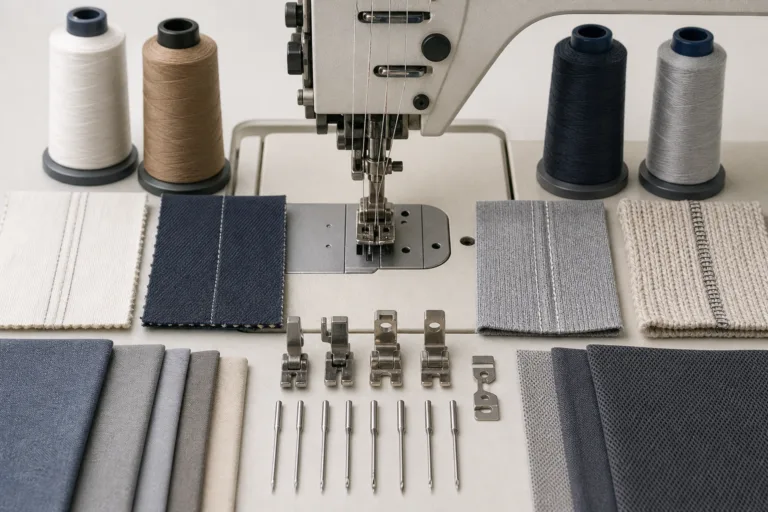
Apparel fabric mill visits are structured reviews of a fabric supplier’s materials, processes, quality controls, records, and communication practices at an agreed site. They help brand, product-development, merchandising, procurement, and quality teams understand how a fabric is developed and handled before deciding what must be sampled, tested, verified, or monitored. Apparel Wiki is an independent educational publication; it does not operate a mill or provide manufacturing, OEM, ODM, or sourcing services. Editorial independence and sponsorship information are explained on the Sponsor page.
A fabric mill visit is one input to an apparel sourcing program, not automatic proof of consistent quality, legal compliance, available capacity, delivery performance, or suitability for every order. The useful question is not whether the site looks impressive, but whether the visit produces relevant evidence and clearly defined follow-up actions.
What Is an Apparel Fabric Mill Visit, and What Can It Support?
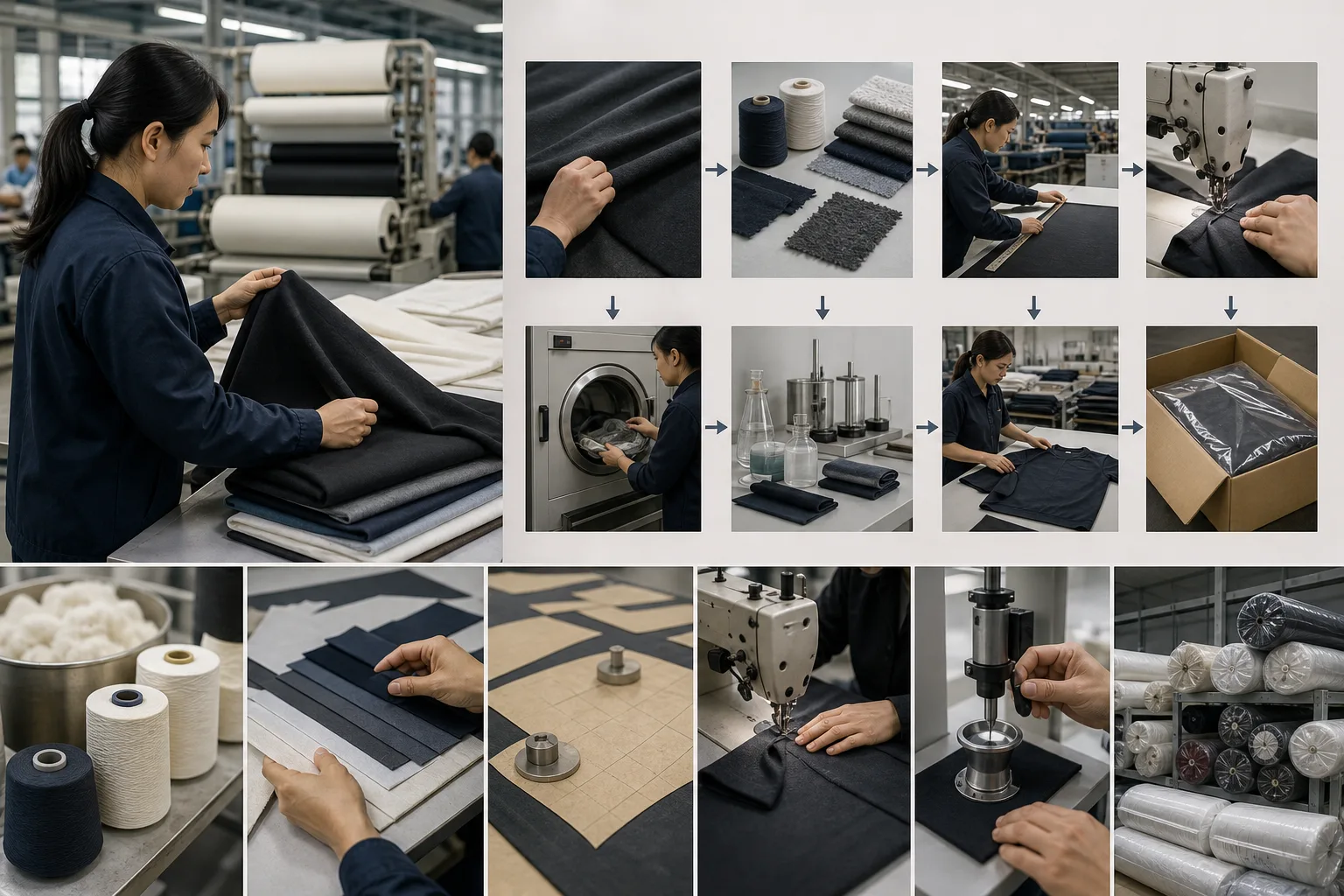
A fabric mill visit is a planned review of a supplier’s route from material selection through fabric development, processing, inspection, packing, and communication. The scope may include raw materials and yarns, knitting or weaving, dyeing, finishing, inspection areas, sample handling, records, and the relationship between the visited site and any other facilities involved.
For apparel fabric sourcing, the visit can support several connected decisions:
- Supplier screening: whether the supplier’s described process appears relevant to the product and development stage.
- Fabric approval: which material details, samples, and tests need to be confirmed before approval.
- Risk management: where ownership, subcontracting, change control, records, or communication may require further investigation.
- Production follow-up: which visit findings should be checked again against development or production results.
Keep different types of evidence separate in the visit record. A direct observation is different from a supplier explanation. A document is different from a test result, and a development sample is different from later production performance. A certificate may have a defined scope, date, issuer, and transaction relationship; it should not automatically be treated as proof that every shipment meets every requirement.
This distinction prevents a fabric mill visit from becoming an endorsement or ranking. A clean work area, visible equipment, or confident presentation can provide context, but none of these observations alone establishes performance or compliance. The visit should instead help the sourcing team identify what is known, what is stated, what is documented, and what remains unverified.
How to Prepare for a Fabric Mill Visit Before You Travel
Preparation turns an informal factory tour into a project-specific supplier assessment. Before traveling, define the product, garment end use, target market, development stage, expected fabric construction, color range, finish, and relevant performance needs. The brief does not need to prescribe universal specifications; it needs to give the mill enough context to explain how its process relates to this particular project.
Share the current fabric specification and approved reference when available. Include construction details, questions about width or weight, tolerance questions, color references, finish expectations, and the intended test plan. If the reference is incomplete, mark the gaps clearly. An unresolved specification should become a question for the visit rather than an assumption hidden inside the quotation or sample request.
Send the same basic agenda and question list to each supplier being considered. Useful topics include:
- raw materials, fiber information, and yarn sourcing;
- knitting or weaving, dyeing, finishing, inspection, and packing;
- sample development, approved standards, and communication procedures;
- batch or lot identification and the records retained at each stage;
- which operations are performed on site and which are subcontracted or handled elsewhere;
- how changes, reprocessing, rejected material, and nonconforming batches are managed.
Prepare a document request that fits the product, market, contract, and customer requirements. Depending on the project, this may include relevant specifications, batch identification, inspection records, test reports, material declarations, or applicable certification records. Ask for the scope, date, issuer, and material or transaction covered by each document. Treat the documents as items to verify, not as evidence that should be accepted without checking their relevance.
Also agree practical visit rules in advance. Confirm whether photographs are permitted, how samples and notes will be handled, which areas are restricted, and what confidential information may be shared. A small brand can use a short checklist and a clearly defined sample; a larger sourcing team may assign separate owners for technical, quality, commercial, and documentation questions. Both approaches benefit from consistent records.
What to Observe and Ask During the Mill Visit
Start by confirming the identity of the fabric in layers. Fiber content, yarn, fabric structure, and finishing describe different aspects of a material. A commercial name such as satin describes a type of fabric construction or appearance in some contexts; it does not automatically mean silk. Likewise, knit describes a structure, not a fiber. Similar names can refer to different specifications and performance.
Observe how incoming materials, work in progress, finished fabric, samples, and rejected material are identified and separated. Ask how the supplier connects an order to material lots, processing steps, inspection results, and dispatch records. This connection matters when a shade, construction, or finishing issue must later be investigated. A supplier name alone identifies only one point in the chain; useful traceability is more specific.
For the fabric under discussion, ask how the mill controls color, width, weight, construction, finishing, defects, shade continuity, and packing. The appropriate controls depend on the fabric and project, so avoid assuming that one checklist or one test panel is sufficient for every product. Ask what happens when a batch does not meet the applicable requirement, including whether it is reprocessed, downgraded, separated, or released under an agreed decision.
Discuss the approved sample or standard and the process for notifying changes. Ask how the mill handles material substitutions, changes in yarn or finish, revised processing routes, and customer approval. Materials that appear equivalent can alter care behavior, shade, weight, fit, or later test results. Same-fiber substitutions should therefore not be treated as automatically approved.
Record the evidence status of each answer. A practical notes framework can use five columns: observation, supplier explanation, supporting record, open question, and follow-up owner. Mark whether an operation was directly observed, demonstrated through a document, described verbally, or left unanswered. This keeps the report useful after the meeting and prevents a verbal explanation from being mistaken for verified process evidence.
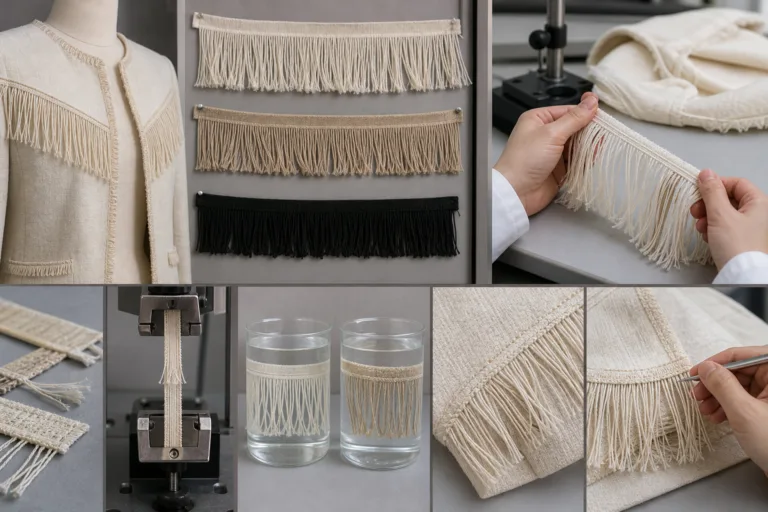
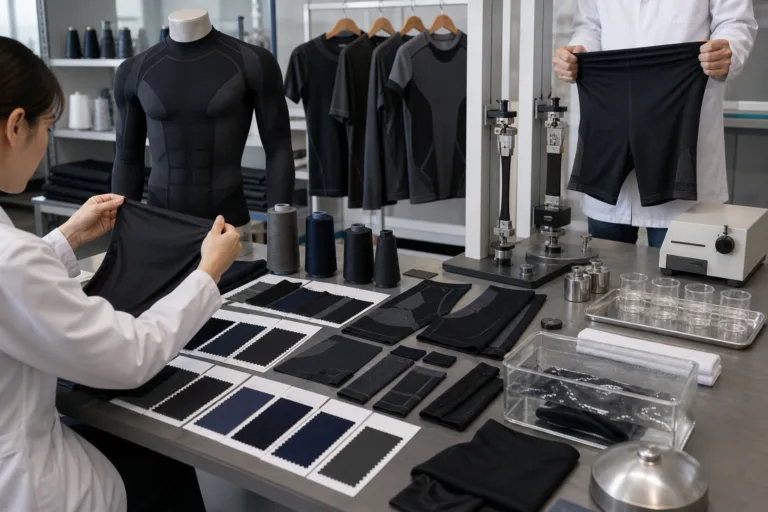
Fabric structure provides useful clues, but it does not by itself determine stretch, breathability, durability, or garment performance. Those outcomes depend on the broader material, construction, finishing, garment design, use conditions, and relevant testing. Treat visual observations as prompts for sampling and testing rather than quantified performance claims.
How to Compare Findings Across Fabric Mills
Compare suppliers using the same questions, specification, sample requirements, and evidence categories wherever practical. Facility appearance and presentation can influence impressions, but they should not replace a consistent review of process relevance, sample accuracy, quality documentation, traceability, communication, substitution controls, and project-specific risks.
| Comparison area | What to record |
|---|---|
| Material fit | Whether the proposed fabric and process address the project specification |
| Process visibility | Operations observed, explained, documented, or outside the visit scope |
| Quality controls | Relevant inspection practices, sample standards, and handling of exceptions |
| Traceability | Links among orders, batches, processing steps, inspection, and dispatch records |
| Documentation and communication | Evidence provided, open questions, response clarity, and assigned follow-up |
| Commercial clarity | Whether quotations use the same specification, unit, inclusions, packaging, delivery terms, and timing assumptions |
| Open risks | Unverified items, substitutions, subcontracting questions, or project-specific concerns |
Keep verified evidence, supplier assertions, unresolved gaps, and team judgment in separate fields. Use labels such as verified, partially verified, pending, or not applicable instead of forcing a ranking when information is incomplete. Any score is an internal decision aid, not an objective industry ranking.
Commercial comparisons also need consistent inputs. A lower quoted price does not automatically mean lower delivery risk or lower total cost. Quotations are more comparable when they identify the same specification, unit, included and excluded items, wastage assumptions, packaging, delivery terms, and requested timing. When later reviewing supplier performance, retain the sample size, review period, order difficulty, and exception causes so that delivery or response observations are not detached from their context.
What to Do After the Visit: Samples, Tests, Records, and Approval
A useful fabric mill visit should end with controlled follow-up, not only a set of impressions or photographs. Write the visit report while details are still clear. Record the scope, date, attendees, areas observed, documents reviewed, unanswered questions, identified risks, and agreed actions. Each open item should have an owner and a planned follow-up point so that responsibility does not remain unclear.
Request development yardage or representative samples against a defined fabric specification. The sample request should identify the relevant material description, construction, finish, color reference, and any available batch or lot information. A supplier name alone is not sufficient traceability. Useful records connect the order to the material batch, processing steps, inspections, handovers, and dispatch documentation.
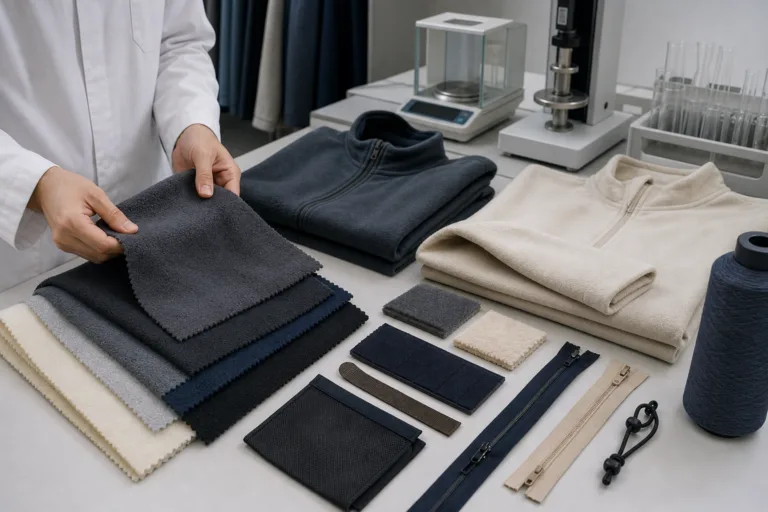
Testing should match the fabric, garment end use, customer requirements, and target market. An internal screening check may help a team decide whether development should continue, but it should not automatically be treated as an accepted external test result. Similarly, a report is meaningful only when its scope matches the material, finish, batch, intended use, and requirement being evaluated.
Compare the submitted sample and test evidence with the approved reference. Record changes in construction, finish, color, weight, width, handle, or care behavior rather than treating a similar appearance as proof of equivalence. This is especially important when a supplier proposes an alternative yarn, chemical input, finishing route, or other material substitution. A substitute with the same stated fiber content may still affect shade, fit, washing behavior, or test results.
Use a staged approval process: document review, sample review, project-appropriate testing, commercial confirmation, and production monitoring. Before a change is accepted, define which samples, tests, customer approvals, or internal reviews must be repeated. After development or initial production, compare the actual result with the visit findings. This follow-up helps show which observations were supported by later evidence and which assumptions require correction.
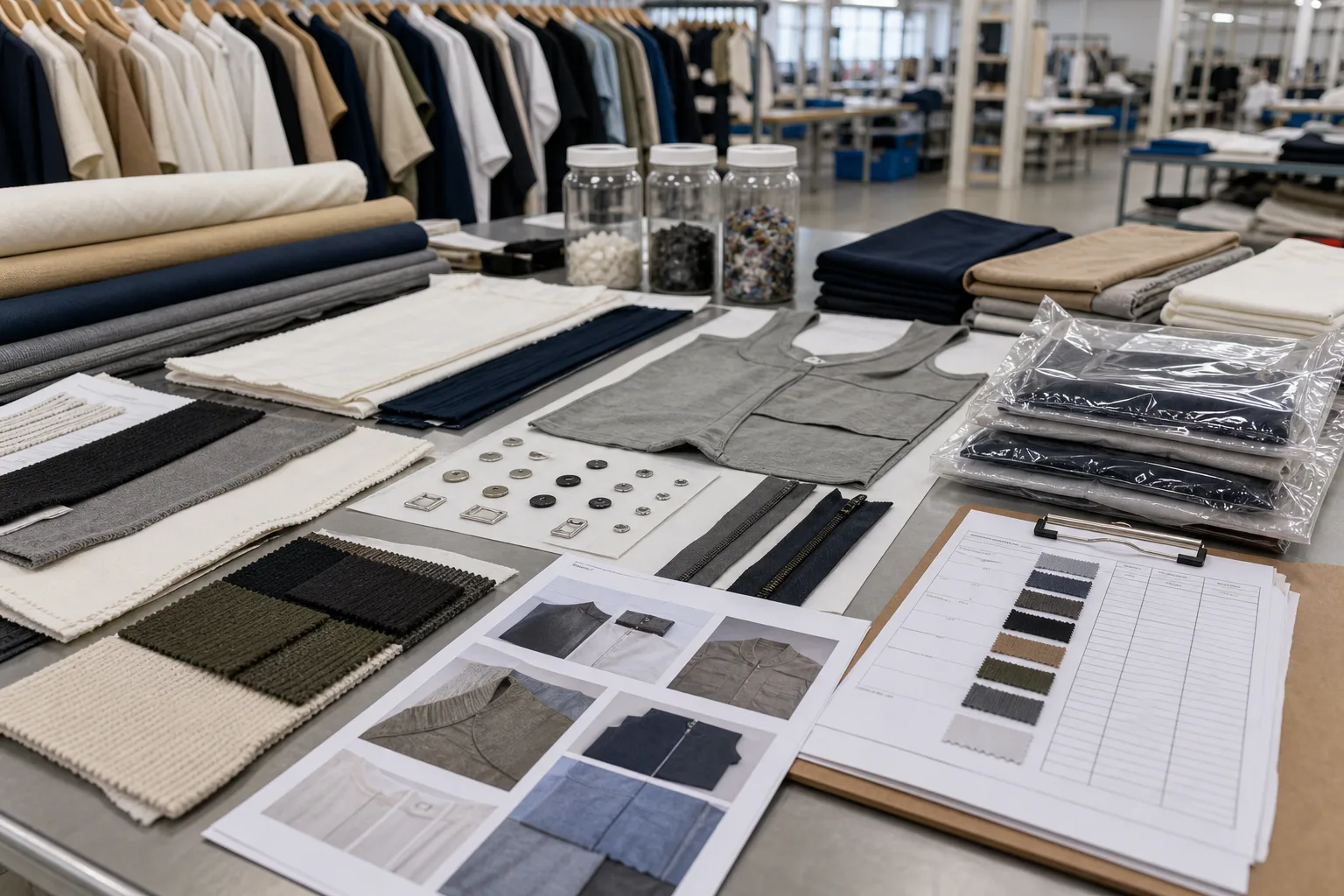
When a Mill Visit Is Not Enough
A scheduled visit provides a view of selected activities at a particular time. It may include a prepared demonstration or restricted access, and it may not represent every routine production condition. A site visit, formal audit, technical assessment, and commercial meeting are different activities with different purposes. They should not be treated as interchangeable evidence.
Equipment or process capability observed during a visit does not by itself prove available capacity, stable output, or on-time delivery for a particular order. Those questions require additional commercial and production evidence. The same principle applies to compliance, labor conditions, chemical management, product safety, and market-specific legal obligations. Clean facilities, confident explanations, or certificates shown informally are not sufficient grounds for broad conclusions.
Ask separately whether any operation is subcontracted, whether raw materials can change, and how the supplier controls color continuity and production-scale variation. Confirm who owns each process and which site would handle the proposed order. Where project risk justifies it, use document checks, representative samples, independent testing, production inspection, contract terms, and follow-up communication to close the gaps.
Restricted areas, missing records, unclear process ownership, or unexplained material changes are questions to resolve, not automatic proof of failure. Record each limitation and the condition needed to close it. This keeps the sourcing team from confusing an incomplete assessment with either an endorsement or a rejection.
A Practical Decision Framework for Using Visit Findings
Use the visit report as a decision aid rather than as a supplier ranking. Classify each finding as confirmed fit, promising but unverified, corrective action required, or outside the project scope. These labels make uncertainty visible and help the team decide what evidence is needed next.
| Status | Evidence needed | Recommended action |
|---|---|---|
| Confirmed fit | Specification, relevant records, representative samples, and suitable supporting results align with the project. | Move to the next approval gate while continuing production monitoring. |
| Promising but unverified | Visit observations are positive, but samples, tests, traceability, subcontracting details, or terms remain incomplete. | Request evidence before approving the next stage. |
| Corrective action required | A gap or inconsistency is identified and its effect on the project is not yet controlled. | Assign an owner, due date, and verification method before proceeding. |
| Outside project scope | The finding does not affect the current product or requirement, or cannot be assessed with available evidence. | Document the boundary and avoid making a broader claim. |
Proceed to development when the fabric specification is understood, key process questions have supporting evidence, and open risks have named owners and deadlines. Request more evidence when the supplier appears relevant but the sample, test, traceability, commercial, or subcontracting picture is incomplete. Pause or reconsider when the supplier cannot explain material identity, change control, relevant records, or the relationship between the visited site and the proposed production route.
The next gate may be approval for sampling, testing, a controlled production trial, purchase, or rejection for the current project. The correct gate depends on product risk, customer requirements, project size, and sourcing region. This editorial framework does not replace contractual review or market-specific compliance work. For related documentation and production planning resources, see the Apparel Manufacturing Tools collection.
What is the purpose of an apparel fabric mill visit?
Its purpose is to gather structured information about a supplier’s materials, processes, controls, records, and communication so the sourcing team can identify questions and decide what must be verified next.
What should I prepare before visiting a fabric mill?
Prepare the product brief, intended use, fabric specification, reference samples, performance needs, question list, document request, and rules for handling photographs, samples, confidential information, and restricted areas.
What should I check during a fabric mill visit?
Check material identity, process ownership, incoming and finished-material identification, inspection practices, change control, substitution handling, traceability, records, sampling, and communication about exceptions.
Can a fabric mill visit prove that a supplier is compliant?
No. A visit is one source of evidence and does not automatically prove legal compliance, labor performance, chemical conformity, consistent quality, capacity, delivery, or suitability for every order.
How should I compare different fabric mills after visiting them?
Use the same specification, questions, sample requirements, evidence categories, and commercial assumptions where practical. Separate verified evidence, supplier statements, unresolved gaps, and team judgment.
What documents and tests should follow a fabric mill visit?
Typically, follow-up may include a visit report, fabric specification, sample or lot information, relevant inspection and test evidence, substitution records, commercial documents, and production traceability records. The exact requirements depend on the project.