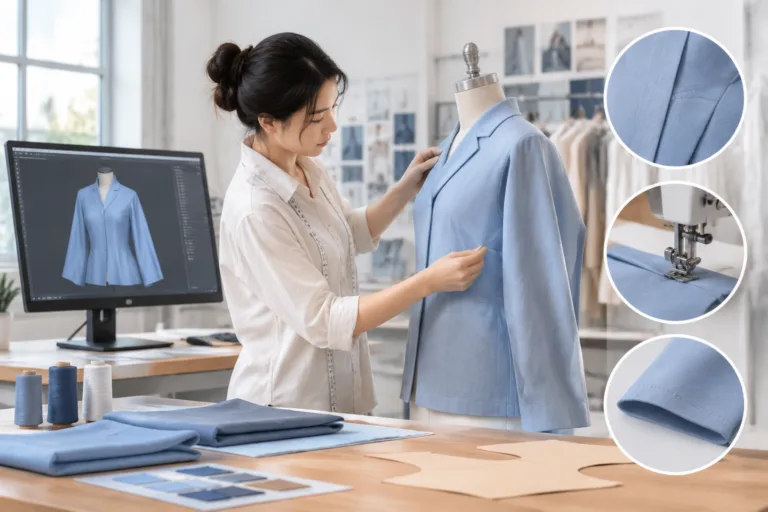
A 3D apparel designer creates and assesses digital garments from design and product information. Strong 3D apparel designer skills therefore extend beyond producing convincing images. They combine apparel construction knowledge, software operation, input control, evaluation judgment, and clear communication. As an independent educational publication, Apparel Wiki keeps this guidance separate from the funding information on its Sponsor page.
The exact mix depends on the employer, product category, team structure, and decision the digital garment must support. A useful model represents the available pattern, material, construction, sizing, and presentation information clearly enough for collaborators to review it within stated limits.
What 3D apparel designer skills look like in practice
The practical skill set becomes clearer when viewed through outputs rather than job titles. Digital garment deliverables may support design, fit discussion, product development, or presentation. Each purpose calls for different inputs, checks, and collaborators.
| Common deliverable | Core technical inputs | Collaborators | What the designer needs to check |
|---|---|---|---|
| Visual design review | Design references, silhouette, color, surface details | Design and product teams | Whether the model communicates the intended proportions and details |
| Fit-oriented digital sample | Pattern version, size context, construction, material representation | Pattern, technical, and product teams | Whether inputs and setup support the specific fit questions under review |
| Merchandising or presentation asset | Approved visual direction, colorways, trims, styling context | Merchandising, design, or commercial teams | Whether the asset is consistent, clearly identified, and suitable for its stated audience |
These are possible outputs, not universal duties. Foundational apparel knowledge helps a designer understand how a garment is shaped and assembled. Software skill enables accurate setup and controlled revisions. Evaluation judgment helps distinguish a visible issue from an uncertain input. Workflow communication preserves versions, assumptions, and decisions for other people.
Tool fluency alone does not establish mature product judgment. Employers may combine design, technical, product-development, or commercial work under similar titles. When assessing a 3D apparel designer role, inspect its requested deliverables, named collaborators, and evaluation criteria. That comparison reveals which apparel product development skills the position actually requires and which gaps deserve focused practice.
Build the apparel construction knowledge behind the digital garment
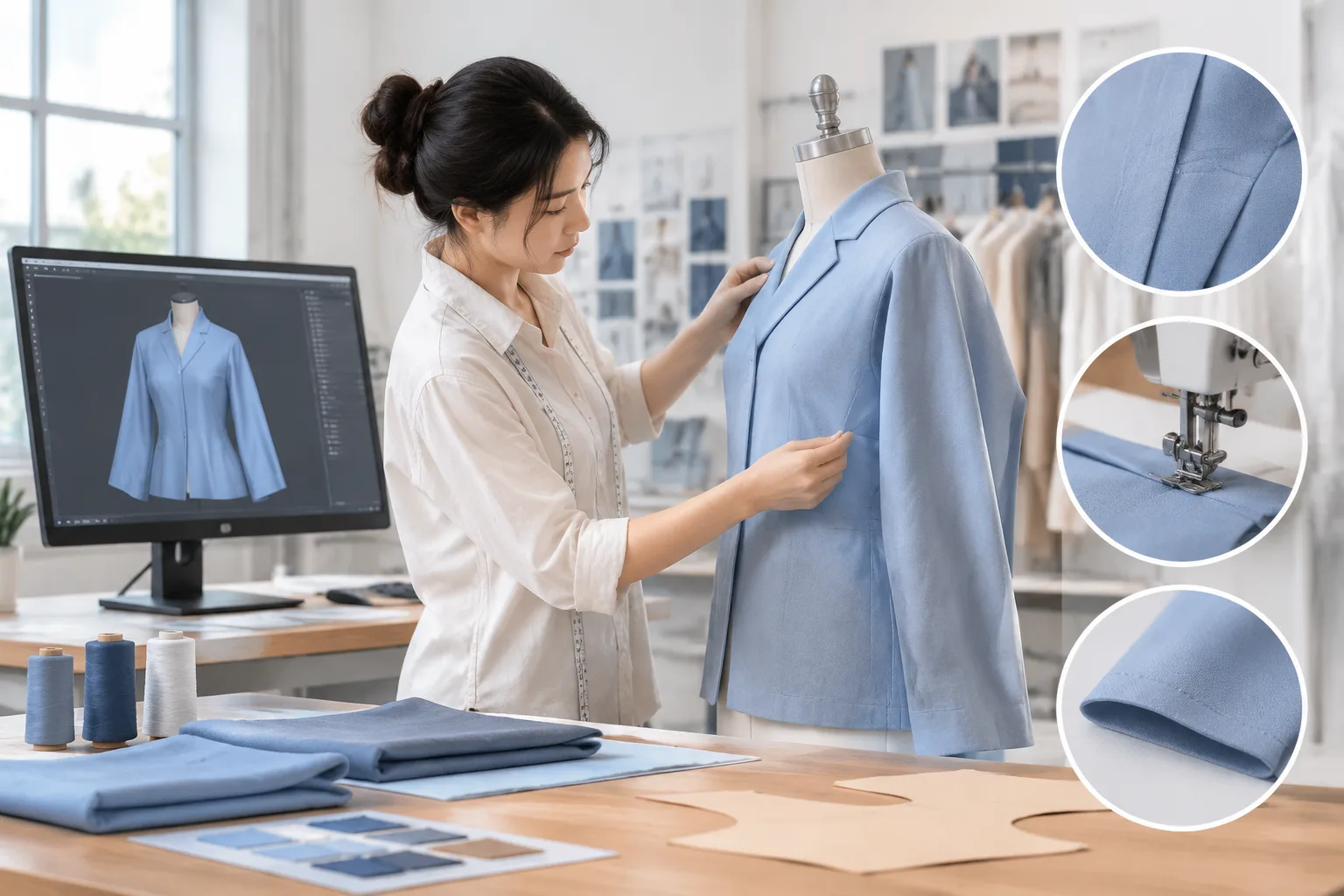
Apparel construction knowledge gives the digital model a plausible product structure. At a conceptual level, designers need to understand why pattern pieces have grain direction, matching seam relationships, shaping, and ease. They should be able to trace how pieces join and how that assembly supports the intended form. A virtual result can inform questions, but it does not replace patternmaking review.
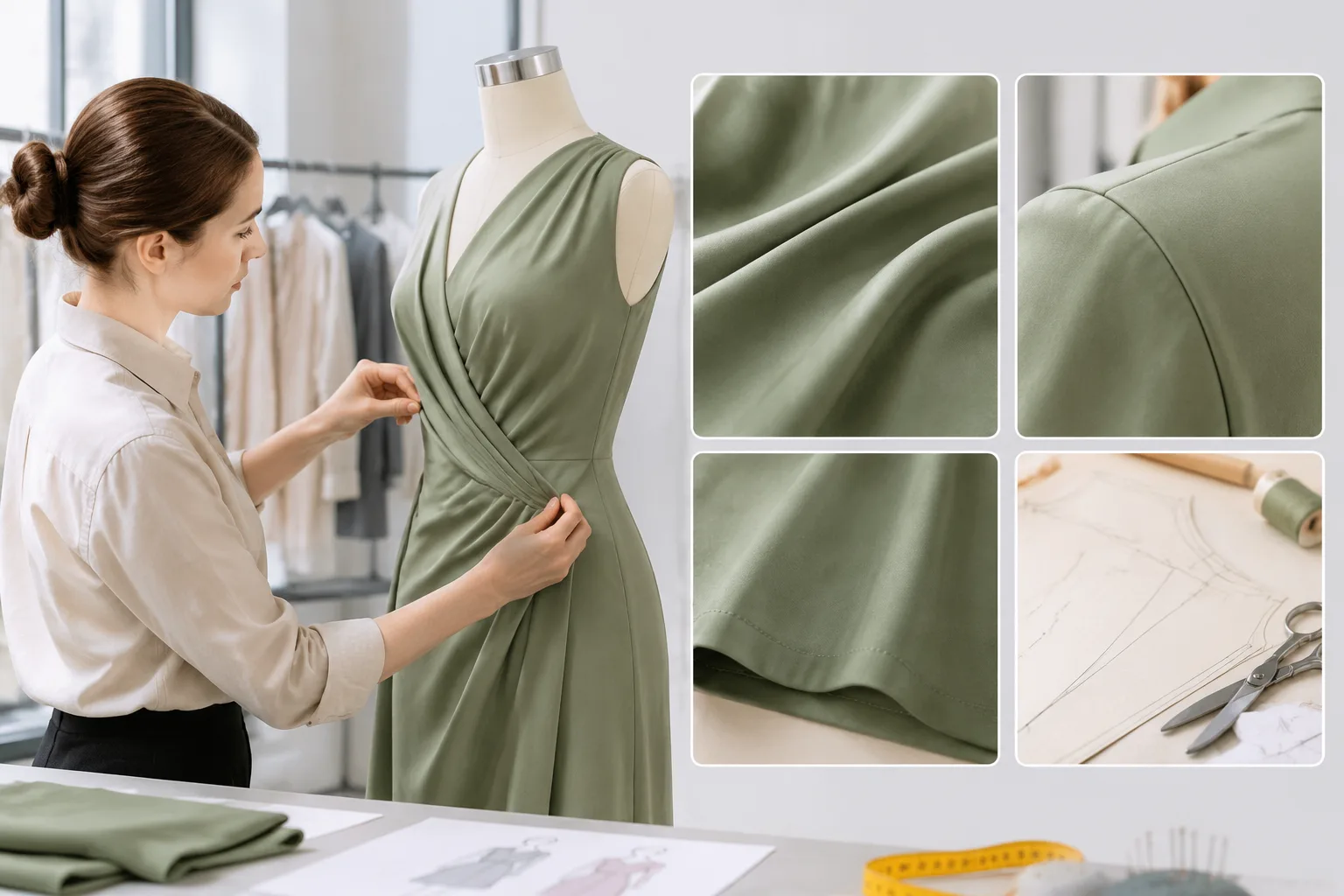
Construction details also affect what the model communicates. Seam type and placement can influence shaping and bulk. Hems establish finished edges and may affect how those edges hang. Closures, facings, linings, and reinforcement change assembly logic and can support areas that otherwise appear visually incomplete. Representing a detail without understanding its function can make digital garment construction look polished while remaining technically ambiguous.
Fabric information needs the same care. Weight, stretch direction, recovery, thickness, surface character, and stiffness can all change how a virtual garment should be interpreted. These properties do not create one universal behavior. Their relevance depends on the material representation, garment construction, intended fit, and review purpose.
For a lightweight knit, review the stretch direction, seam treatment, and how the garment hangs before treating the visual result as informative. A different fabric construction or fit intention could shift attention toward recovery, edge stability, volume, or another unresolved feature.
A practical exercise is to deconstruct an existing garment on paper. Identify its pieces, grain directions, shaping methods, seam relationships, likely assembly sequence, closures, edge finishes, and visible material behavior. Then rebuild that logic digitally. Mark information you cannot determine as an open question instead of guessing. This practice develops 3D fashion design skills by training the learner to ask what supports the image, what remains uncertain, and which specialist should review it.
Turn design and product information into reliable 3D inputs
A dependable 3D apparel workflow begins before simulation. Design intent and reference images guide pattern and construction interpretation. Pattern files define the garment geometry available for review. Material and trim information shape the digital setup, while measurements and size context clarify what the model represents. When these sources conflict or remain incomplete, record the issue instead of silently choosing an answer.
File discipline makes those digital garment inputs reviewable. Use consistent identifiers and version names, retain the source context, and add change notes when revising a model. A teammate should be able to determine which pattern and material references were used, what changed since the previous version, and which assumptions remain open. This traceability matters more than any particular naming convention.
A compact input record can include:
- Garment identity: style name, number, or another agreed identifier.
- Review context: intended size or size context and the decision the model supports.
- Pattern: version, source, and known unconfirmed areas.
- Materials and trims: referenced fabric, components, colors, and missing properties.
- Construction: represented details and any assumptions used to complete the setup.
- Revision record: changes made, reason for each change, and prior version.
- Open questions: items requiring confirmation, with the relevant collaborator identified where known.
This record helps distinguish a visual approximation from a product-development-ready representation. A convincing image may still lack a confirmed pattern, material definition, grading context, trim information, or measurement basis. Its appearance does not fill those gaps.
The required detail should match the decision. During an early silhouette review, clear references, visible assumptions, and unresolved questions may be sufficient. A more technical review places greater weight on traceable inputs, size context, and change history. In both cases, the designer preserves decision context rather than delivering an isolated final image. That process turns vague feedback into apparel technical files and records that colleagues can inspect, question, and revise.
Evaluate fit, drape, and construction without overclaiming
A useful 3D garment evaluation begins with observable questions. Does the silhouette follow the intended design direction? Are seam positions, balance, lengths, volumes, and construction details consistent with the available information? Note which observations the model supports and which require confirmation elsewhere.
Interpretation depends on the setup. Pattern accuracy, size context, avatar assumptions, material representation, garment layering, and review purpose can all affect what appears on screen. A virtual fit review therefore shows how a garment behaves under defined inputs. It does not, by itself, prove physical fit, drape, comfort, or manufacturability.
For a tailored garment, examine overall balance, shaping, collar or lapel construction, and the layers represented beneath the garment. A different base pattern, size context, or layering assumption could change the conclusion. Record those conditions beside the observation.
For a stretch garment, check material direction, the intended positive or negative ease, and any unanswered recovery questions. If the material information changes, the apparent tension, silhouette, or distribution of volume may need to be interpreted again.
Turn visual reactions into reviewable statements. Each note should identify what was seen, the input that informed the observation, the decision it supports, and the next check. For example, replace “the shoulder looks wrong” with a note that identifies the affected area, the visible imbalance, the pattern and size versions shown, and whether pattern review or physical evaluation is needed.
Digital review can help a team compare controlled alternatives and locate inconsistencies earlier in a discussion. Its value remains bounded by the quality and scope of its inputs. Final approval should follow the applicable physical evaluation and team process rather than rely on the simulation alone.
Work across design, technical, and product teams
Technical 3D work becomes useful when other people can understand and act on it. The handoff may need to carry design intent, pattern or construction questions, material and trim assumptions, size context, version changes, review comments, and unresolved decisions. The precise mix depends on the team and the review purpose.
Vague feedback should become a checkable record. If someone says, “Make it fit better,” identify the garment area, the observed issue, the relevant pattern or measurement context, the decision requested, and the person responsible for the next check. If “the fabric looks wrong,” describe the visible behavior and identify which material information was used or remains missing.
This distinction separates presenting an image from communicating a decision. A strong review package allows a colleague who does not operate the 3D software to answer several questions:
- What decision is this review intended to support?
- Which pattern, size, material, trim, and construction inputs are represented?
- What changed from the previous version, and why?
- Which assumptions remain open?
- Who owns each confirmation or next action?
Clear boundaries are equally important. A 3D apparel designer can surface inconsistencies, prepare alternatives, and document their effects. Depending on the organization, pattern, material, quality, design, or commercial approval may belong to another specialist. Good collaboration makes that ownership visible instead of implying that the software operator controls every decision.
A repeatable review template can improve apparel product development communication across projects. Keep its fields specific enough to preserve dimensions, materials, versions, comments, and decision status. When researching career requirements, compare that template with several current job descriptions or stated team expectations. Note each source and collection date because role requirements and reporting structures can change.
Build a portfolio that demonstrates technical judgment
A 3D apparel designer portfolio should reveal reasoning as well as polished renders. Build one or two clearly labeled practice cases showing the brief, available inputs, assumptions, decisions, revisions, validation approach, unresolved limits, and result. Identify simulated work as simulated rather than presenting it as client work. No portfolio format guarantees employment, but clear process evidence helps others assess your technical judgment.
As a focused next step, select one garment category and create a simple input-and-review checklist. Use it to document a practice case, then compare the evidence with several current role descriptions. Choose the most consistent technical gap—such as construction interpretation, material setup, evaluation notes, or handoff records—as the next skill to practice.
Frequently Asked Questions
Do I need patternmaking knowledge to become a 3D apparel designer?
You need enough patternmaking knowledge to understand piece relationships, grain direction, shaping, ease, and assembly logic. The required depth varies by role. A pattern specialist may retain approval responsibility, but a 3D apparel designer still needs to recognize questionable inputs and communicate them clearly.
Is being skilled in 3D apparel software enough for a technical designer role?
No. Software operation is only one capability. A technical role may also require apparel construction knowledge, input control, evaluation judgment, version discipline, and cross-functional communication. Employers combine responsibilities differently, so assess the actual deliverables, collaborators, and approval boundaries in each description.
How can I tell whether a virtual garment is ready for a design review?
Check whether the review purpose, represented size, input versions, assumptions, and open questions are clear. The garment should contain enough reliable detail for the intended decision. Readiness for an early silhouette discussion differs from readiness for a more technical review.
What should a 3D apparel design portfolio show besides rendered images?
Show the problem, source information, assumptions, decisions, revisions, review notes, validation approach, and result. Include enough version context to explain what changed. Label practice or simulated work accurately, and avoid implying that an unverified digital result demonstrates physical performance.
How do fabric information and construction details affect a 3D garment?
Material weight, stretch direction, recovery, thickness, surface character, and stiffness influence interpretation. Seams, hems, closures, facings, linings, and reinforcement affect silhouette and assembly logic. Missing or approximate information limits the conclusions that reviewers can draw from the model.
How can I practice 3D apparel design when product information is incomplete?
Choose a narrow review purpose, record the information available, and label assumptions instead of silently filling gaps. Create controlled alternatives when useful, list questions requiring confirmation, and explain what the model cannot establish. This practice develops disciplined judgment without turning guesses into specifications.